
The financial landscape of the United States has undergone a seismic shift over the last decade. What began as an experimental digital currency discussed in obscure internet forums has evolved into a multi-trillion-dollar asset class. Bitcoin, often referred to as “digital gold,” has transitioned from the fringes of finance to the center of Wall Street, culminating in the landmark approval of Spot Bitcoin ETFs by the SEC in 2024. For the American investor, the question is no longer “What is Bitcoin?” but rather “How do I safely and efficiently integrate it into my portfolio?”
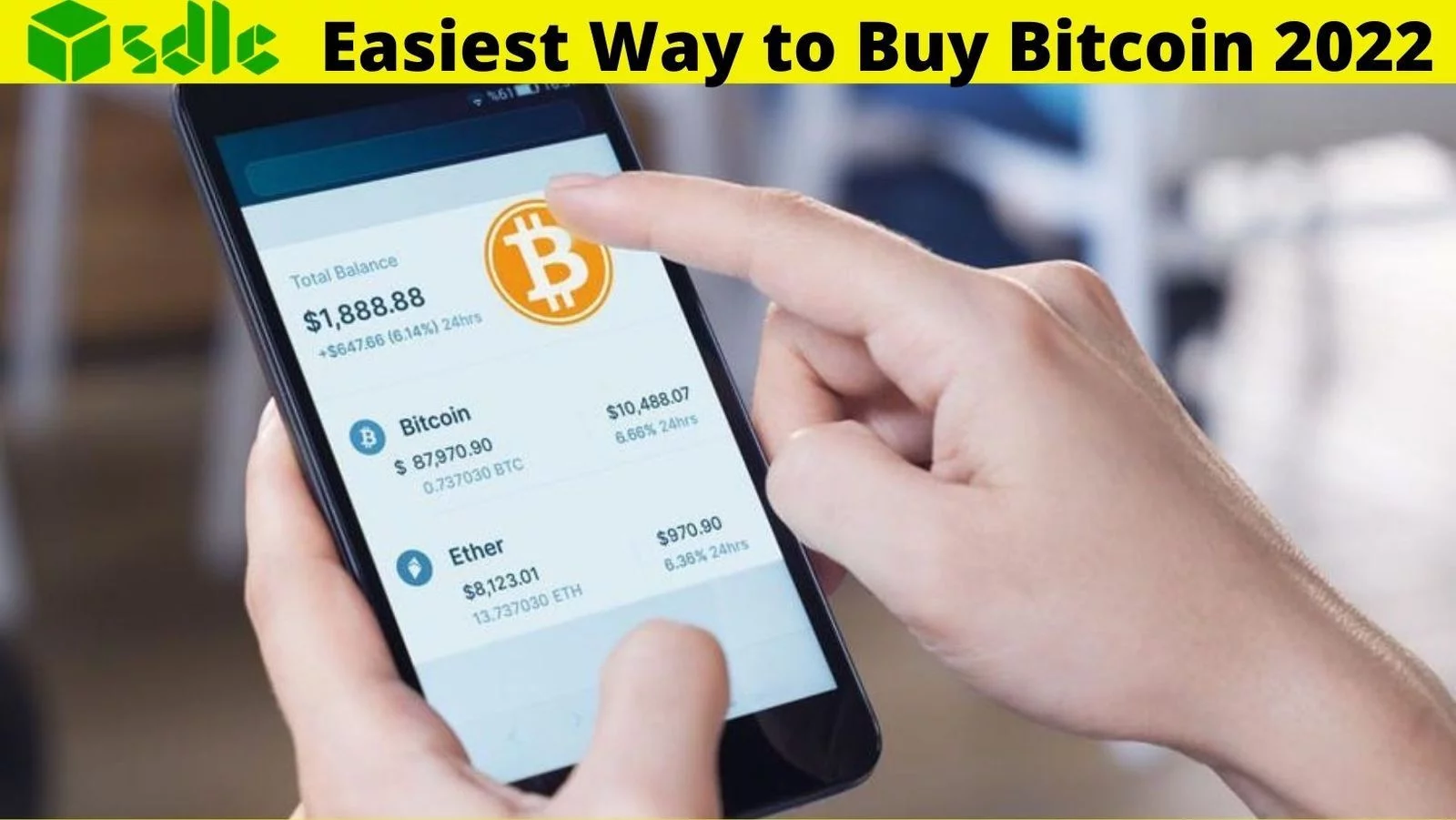
Navigating the US cryptocurrency market requires a blend of traditional financial wisdom and an understanding of new-age digital infrastructure. This guide provides a professional roadmap for acquiring Bitcoin within the United States, focusing on regulatory compliance, platform selection, and long-term wealth preservation.
1. Understanding the US Regulatory and Tax Framework
Before putting capital at risk, an investor must understand the legal environment that governs digital assets in the United States. Unlike some offshore markets, the US has a robust, albeit complex, regulatory structure designed to protect investors and prevent illicit activity.
The Regulatory Landscape: SEC and CFTC
In the United States, Bitcoin occupies a unique position. The Commodity Futures Trading Commission (CFTC) classifies Bitcoin as a commodity, similar to gold or oil. Simultaneously, the Securities and Exchange Commission (SEC) maintains oversight over the platforms and investment vehicles (like ETFs) that facilitate Bitcoin trading. This dual oversight ensures that major US-based exchanges operate with a high degree of transparency. When buying Bitcoin, it is imperative to use platforms that are registered as Money Services Businesses (MSBs) with FinCEN and comply with state-level regulations, such as the New York BitLicense.
Tax Implications and IRS Reporting
From a personal finance perspective, the Internal Revenue Service (IRS) treats Bitcoin as “property” rather than currency. This distinction is critical for your financial planning. Every time you sell Bitcoin, or even use it to purchase a good or service, it triggers a taxable event.
- Capital Gains: If you sell Bitcoin for more than you paid for it, you owe capital gains tax.
- Short-term vs. Long-term: Holding Bitcoin for more than a year before selling qualifies you for long-term capital gains rates, which are significantly lower than standard income tax rates.
- Form 1040: Taxpayers are now required to answer specific questions regarding digital asset transactions on their annual tax returns. Keeping meticulous records of your “cost basis” (the price at which you bought the asset) is essential for accurate reporting.
2. Selecting a Secure Financial Gateway: Choosing a US Exchange
The most common way to buy Bitcoin in the USA is through a centralized cryptocurrency exchange (CEX). These platforms act as the bridge between the traditional banking system and the world of digital assets.
Top-Tier US Exchanges
When selecting a platform, liquidity, security, and fee structures are the primary considerations.
- Coinbase: As a publicly traded company on the NASDAQ, Coinbase offers the highest level of transparency and ease of use for beginners.
- Kraken: Known for its robust security protocols and lower fee tiers for advanced traders, Kraken is a favorite for those moving larger volumes of capital.
- Gemini: Founded with a “compliance-first” mentality, Gemini is highly regulated and provides institutional-grade security features.
Key Features to Evaluate: Security and Liquidity
Security should be your non-negotiable priority. Professional investors look for exchanges that keep the vast majority of client funds in “cold storage” (offline) and offer insurance against platform-wide breaches. Additionally, liquidity—the ease with which you can buy or sell without moving the market price—is vital. High-volume exchanges ensure that you get a fair market price close to the global spot rate, minimizing “slippage” costs that can eat into your investment returns.
3. The Execution: A Step-by-Step Investment Process
Once you have selected a platform, the process of moving from USD to Bitcoin involves several logistical steps designed to satisfy federal “Know Your Customer” (KYC) and Anti-Money Laundering (AML) laws.

Identity Verification and Onboarding
To comply with the Bank Secrecy Act, any reputable US exchange will require you to verify your identity. This typically involves providing a government-issued ID (driver’s license or passport) and potentially a facial recognition scan. While this may feel intrusive to those used to the anonymity of the early internet, it is a hallmark of a legal, tax-compliant financial service in the US. This process protects the integrity of your account and ensures that your funds are recoverable in many scenarios.
Funding Your Account: ACH vs. Wire Transfers
Most American investors fund their crypto accounts via their existing bank accounts.
- ACH Transfers: These are the most common and often fee-free, though funds may take 3–5 business days to clear before you can withdraw your Bitcoin from the platform.
- Wire Transfers: Best for large sums, wires are usually processed within 24 hours but carry a flat fee from your bank.
- Debit/Credit Cards: While convenient, these often come with high fees (sometimes exceeding 3-4%) and are generally discouraged for serious investors looking to maximize their capital efficiency.
Executing the Trade: Market vs. Limit Orders
When you are ready to buy, you will face two primary choices:
- Market Order: You buy Bitcoin instantly at the current best available price. This is simple but can result in paying a slightly higher price during periods of high volatility.
- Limit Order: You set a specific price at which you are willing to buy. The trade only executes if Bitcoin hits that price. This is the preferred method for disciplined investors who want to avoid the “emotional” pricing of a volatile market.
4. Custody and Security: Protecting Your Digital Wealth
In the world of Bitcoin, the phrase “Not your keys, not your coins” is a fundamental principle of financial self-sovereignty. Buying the asset is only half the battle; securing it is the other.
The Trade-off: Exchange Custody vs. Self-Custody
Leaving your Bitcoin on an exchange (custodial) is convenient but introduces “platform risk.” If the exchange is hacked or faces insolvency, your assets could be frozen. For long-term investors holding significant amounts of capital, moving assets to a private wallet (self-custody) is the standard professional practice.
Hot Wallets vs. Cold Storage
- Hot Wallets: These are software applications on your phone or computer. They are convenient for frequent transactions but remain connected to the internet, making them theoretically vulnerable to malware.
- Cold Storage (Hardware Wallets): These are physical devices (like Ledger or Trezor) that keep your private keys entirely offline. This is widely considered the “gold standard” for Bitcoin security. By using cold storage, you act as your own bank, ensuring that no third party can ever seize or lose your assets.
5. Developing a Sustainable Bitcoin Investment Strategy
Bitcoin is an infamously volatile asset. To succeed as an investor in the US market, one must move past the “get rich quick” mentality and adopt a disciplined, long-term financial strategy.
Dollar-Cost Averaging (DCA)
Dollar-cost averaging is the practice of investing a fixed dollar amount at regular intervals (e.g., $200 every month), regardless of the price. This strategy mitigates the risk of “timing the market” poorly. In a market as volatile as Bitcoin, DCA smoothes out the purchase price over time and reduces the emotional stress associated with price swings. Many US exchanges allow you to automate this process, turning Bitcoin acquisition into a passive wealth-building habit.
Portfolio Diversification and Risk Management
Professional financial advisors generally suggest that Bitcoin should occupy a specific “alternative asset” sleeve within a diversified portfolio. Depending on an individual’s risk tolerance, this might range from 1% to 10% of total net worth. Because Bitcoin’s price movements are often uncorrelated with traditional bonds and sometimes even stocks, it can serve as a powerful hedge against the devaluation of fiat currency. However, its volatility means it should never be funded with “rent money” or emergency savings.

The Role of Bitcoin ETFs
For those who prefer to keep their investments within traditional brokerage accounts like a Vanguard or Fidelity IRA, the introduction of Spot Bitcoin ETFs (Exchange-Traded Funds) provides a simplified path. Buying a Bitcoin ETF allows you to gain exposure to the price of Bitcoin without the need to manage digital wallets or private keys. While this involves a small management fee, the convenience and tax-advantaged growth potential within a 401(k) or IRA make it an attractive option for many American savers.
By following these structured steps—understanding the law, choosing the right tools, executing trades with discipline, and prioritizing security—US investors can safely navigate the complexities of the Bitcoin market. As digital assets continue to integrate with the global economy, the ability to manage this “digital gold” will become an increasingly vital component of modern personal finance.
aViewFromTheCave is a participant in the Amazon Services LLC Associates Program, an affiliate advertising program designed to provide a means for sites to earn advertising fees by advertising and linking to Amazon.com. Amazon, the Amazon logo, AmazonSupply, and the AmazonSupply logo are trademarks of Amazon.com, Inc. or its affiliates. As an Amazon Associate we earn affiliate commissions from qualifying purchases.