
Buying a vehicle at an auto auction presents a unique opportunity for significant financial savings, often allowing buyers to acquire cars, trucks, and SUVs below typical retail market values. However, navigating the auction landscape requires astute financial planning, diligent research, and a clear understanding of the inherent risks and costs involved. This guide delves into the strategic financial considerations necessary to succeed at auto auctions, ensuring a smart and economical purchase.
Understanding Auto Auction Types and Their Financial Implications
The first step in a financially savvy auction strategy is understanding the different types of auto auctions, as each carries distinct implications for accessibility, inventory, pricing, and potential savings or risks.

Public Auctions: Accessibility and Potential Savings
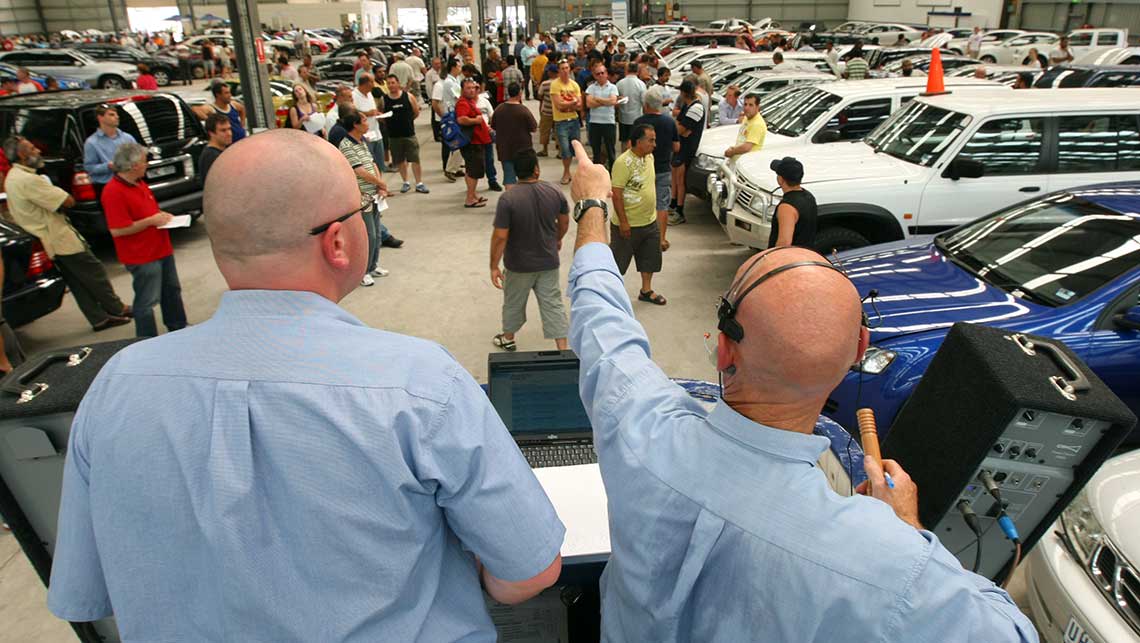
Public auto auctions are accessible to general consumers and are often sponsored by government agencies, financial institutions, or dedicated auction houses. These auctions typically feature a wide range of vehicles, from repossessed cars and fleet vehicles to trade-ins and donations. The primary financial appeal of public auctions is the potential for substantial savings. Without the overhead of a traditional dealership, and with vehicles often sold “as-is,” prices can be significantly lower than retail. However, this accessibility also means more competition, which can drive up bidding on desirable vehicles. Buyers must be disciplined with their budget to avoid overpaying. Furthermore, vehicles often come with minimal to no warranty, making pre-purchase inspection crucial to mitigate financial risks associated with unknown mechanical issues.
Dealer-Only Auctions: Exclusive Inventory and Wholesale Pricing
Dealer-only auctions are restricted to licensed car dealers, offering them access to wholesale inventory that is not typically available to the public. While direct consumer access is impossible, understanding these auctions is critical for those considering using a licensed broker or dealer to bid on their behalf. The financial benefit here is access to vehicles at genuine wholesale prices, often leading to better deals than even public auctions can offer. Inventory quality can vary but often includes cleaner, well-maintained vehicles. The financial risk is reduced by the expertise of a professional buyer, but this comes with an added service fee. For individuals seeking a specific make or model, a dealer-only auction, accessed via a trusted intermediary, can be a financially sound strategy for securing a quality vehicle at a competitive price.
Salvage Auctions: High Risk, High Reward for Savvy Buyers
Salvage auctions specialize in vehicles that have been declared a total loss by insurance companies due to accidents, floods, fire, or theft. These vehicles come with a salvage title, indicating significant damage history. Financially, salvage auctions offer the lowest entry prices and the highest potential for profit, especially for individuals skilled in vehicle repair or those seeking parts. However, the financial risk is substantial. Buyers must accurately assess the extent and cost of necessary repairs, the availability of parts, and the potential hurdles in obtaining a rebuilt title (which can affect resale value and insurance rates). Without a comprehensive understanding of repair costs and market value post-repair, a salvage vehicle can quickly become a financial liability, consuming more capital than its eventual worth.
Financial Preparedness and Due Diligence
Successfully navigating an auto auction is less about spontaneous bidding and more about rigorous financial preparation and thorough due diligence. This stage is paramount to securing a valuable asset and avoiding costly mistakes.
Setting a Realistic Budget and Sticking to It
Before even stepping foot onto an auction lot or registering online, establishing a firm, realistic budget is non-negotiable. This budget must encompass not just the vehicle’s purchase price, but all anticipated costs. Factor in the buyer’s premium (a percentage added to the winning bid), sales tax, registration fees, title transfer fees, potential repair costs, and transportation if the vehicle isn’t drivable. Using a spreadsheet to itemize these potential expenses helps create a comprehensive “all-in” maximum price. Crucially, commit to this figure. Emotional bidding, driven by the thrill of competition, is the quickest way to financially overextend and negate any potential savings. Your budget should be a non-negotiable ceiling, not a flexible guideline.
Pre-Auction Research: Vehicle Valuation and Hidden Costs
Thorough pre-auction research is a financial safeguard. Utilize online valuation tools such as Kelley Blue Book (KBB), Edmunds, and NADA Guides to determine the fair market value of vehicles you’re interested in, factoring in mileage, condition, and trim level. This provides a baseline against which to judge auction prices. Research specific models for common issues and their associated repair costs. Review vehicle history reports (CarFax, AutoCheck) which may be provided by the auction house or can be purchased. These reports are invaluable for uncovering accident history, odometer discrepancies, flood damage, or lien issues that could significantly impact the vehicle’s financial value and your ownership costs. Ignoring these details can lead to unexpected financial burdens down the line.
Inspection Strategies: Minimizing Post-Purchase Surprises

Since most auction vehicles are sold “as-is, where-is” with no warranties, a physical inspection is critical to minimize financial surprises. During designated preview times, examine the vehicle for obvious signs of damage: rust, fluid leaks, tire wear, body panel misalignment (suggesting accident repair), and interior condition. Check for engine warning lights, listen for unusual noises (if starting is permitted), and test basic functions like lights, wipers, and windows. For higher-value vehicles, or if your budget allows, consider hiring a pre-purchase inspection (PPI) service. A certified mechanic can identify underlying mechanical issues that might not be apparent to an untrained eye. While an added upfront cost, a PPI can save thousands in potential post-purchase repairs, making it a sound financial investment against catastrophic failures.
The Auction Process: Strategic Bidding and Payment
The actual bidding process is where careful planning meets real-time execution. Understanding the rules, having a clear bidding strategy, and being prepared for immediate payment are essential financial components.
Registration and Bidder Requirements
Before you can place a bid, you must register with the auction house. This typically involves providing identification, paying a refundable deposit, and agreeing to the auction’s terms and conditions. These terms often outline payment deadlines, buyer’s premiums, and the “as-is” policy, all of which have direct financial implications. Ensure you understand any specific payment methods accepted (e.g., cashier’s check, wire transfer, credit card limits) and confirm the amount of the buyer’s premium, which is an additional fee, usually a percentage of the final bid price, added to your total cost. A clear understanding of these financial prerequisites prevents last-minute complications and ensures you are ready to complete a transaction.
Effective Bidding Techniques: Knowing When to Hold, When to Fold
Bidding requires discipline. Your pre-determined maximum budget should be your guide. Start bidding low, but be prepared to increase your bids quickly. Observe the other bidders; seasoned buyers often have a quiet, calculated approach. Avoid getting caught in a bidding war, especially if it pushes the price beyond your pre-set financial limit. Remember, the goal is a good deal, not simply winning. If the price escalates too quickly, or if your budget is approached, be prepared to walk away. There will always be another auction and another opportunity. A common strategy is to bid in odd increments (e.g., $10,550 instead of $10,500) which can sometimes cause other bidders to pause or drop out, potentially saving you money.
Understanding Buyer’s Premiums and Payment Deadlines
Immediately after winning a bid, you are financially obligated to complete the purchase. The “hammer price” (your winning bid) is rarely the final price. You must add the buyer’s premium, which can range from 5% to 15% or more, depending on the auction house. Factor in sales tax (if applicable), and any administrative fees. Most auctions require full payment within a very short timeframe, often 24 to 72 hours. Failure to meet this deadline can result in forfeiture of your deposit and potential legal action. Ensure you have the funds readily available in an accessible account (e.g., a checking account for a cashier’s check or wire transfer) to avoid late fees or losing the vehicle and your deposit. This immediate financial readiness is a cornerstone of auction buying.
Post-Auction Financial Considerations
The financial journey doesn’t end when the hammer falls. Several post-purchase costs and logistical considerations must be addressed to complete the transaction and prepare your new vehicle for the road.
Sales Tax, Registration, and Title Transfer Costs
Even after paying for the vehicle at the auction, you’ll still owe sales tax, which is typically paid to your state’s Department of Motor Vehicles (DMV) when you register the car. The amount varies by state and is usually calculated based on the purchase price. Additionally, you’ll incur registration fees, which are annual charges to legally operate your vehicle, and title transfer fees, which process the change of ownership. Be prepared for these significant, mandatory expenses. Some auction houses may collect sales tax on behalf of the state, but often, it’s the buyer’s responsibility to handle these filings independently. Failing to account for these costs in your initial budget can lead to an unexpected financial strain.
Transportation and Insurance Logistics
Unless you’ve purchased a drivable vehicle and have immediately secured insurance, you’ll need to arrange for its transportation. This can involve flatbed towing or hiring a professional transport service, especially if the vehicle is not roadworthy or has a salvage title that prevents immediate registration. Transportation costs can add hundreds, if not thousands, of dollars to your overall expenditure, depending on distance. Simultaneously, arrange for immediate insurance coverage. Most states require minimum liability insurance to drive a vehicle legally. If the car is not insured, it cannot be driven, adding to transportation costs. Consider comprehensive coverage if the vehicle is a significant investment, especially if it needs repairs and will be stored for a period.
Anticipating Repair and Reconditioning Expenses
One of the most common financial pitfalls for auction buyers is underestimating the cost of post-purchase repairs and reconditioning. Even a seemingly “clean” vehicle may require maintenance items like new tires, brakes, fluid changes, or minor cosmetic fixes. Vehicles from auctions are often sold “as-is,” meaning any issues, major or minor, become your financial responsibility. For salvage vehicles, these repair costs can be extensive, encompassing bodywork, engine repairs, or electrical system overhauls. Always set aside a contingency fund, ideally 10-20% of the purchase price, specifically for unexpected repairs or necessary reconditioning. This financial buffer ensures that your auction “deal” remains a deal and doesn’t transform into a money pit. Accurate financial forecasting, from the pre-auction budget to post-purchase costs, is the bedrock of successful auto auction buying.
aViewFromTheCave is a participant in the Amazon Services LLC Associates Program, an affiliate advertising program designed to provide a means for sites to earn advertising fees by advertising and linking to Amazon.com. Amazon, the Amazon logo, AmazonSupply, and the AmazonSupply logo are trademarks of Amazon.com, Inc. or its affiliates. As an Amazon Associate we earn affiliate commissions from qualifying purchases.