
Amazon.com, Inc. (AMZN) has evolved from a modest online bookstore operating out of a garage into one of the most influential corporations in the world. For many individual investors, owning a piece of this tech-driven retail behemoth is a cornerstone of their long-term wealth-building strategy. However, the process of buying stock involves more than just clicking a “buy” button. To invest successfully, one must understand the mechanics of the stock market, the specific financial health of the company, and how this particular asset fits into a broader diversified portfolio.
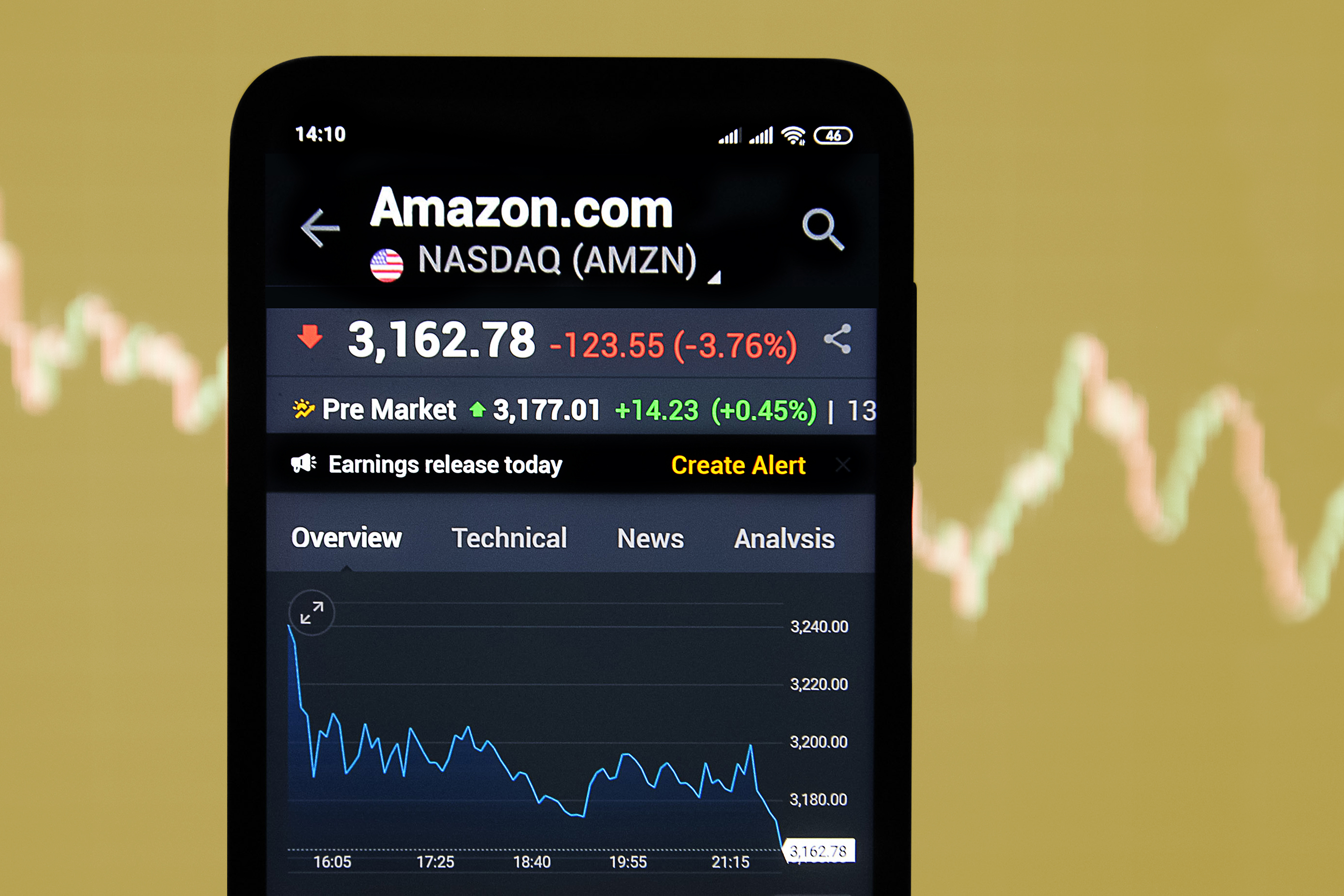
This guide provides a professional roadmap for navigating the complexities of purchasing Amazon stock, focusing strictly on the financial and investment principles required to make an informed decision in today’s market.
1. Preparing Your Financial Foundation
Before deploying capital into a single security like Amazon, an investor must establish a solid financial framework. Investing in individual stocks carries a different risk profile than investing in broad-market index funds, requiring a disciplined approach to capital allocation.
Defining Your Investment Horizon and Risk Tolerance
The first step in any investment journey is self-assessment. Are you investing for a retirement that is thirty years away, or are you looking to grow a pot of money for a down payment on a house in three years? Amazon is generally considered a “growth stock,” meaning its price can be volatile. Investors must be prepared for price swings of 20% or more in a single year. If your financial goals are short-term, the volatility of a single equity might be too risky. Conversely, for long-term investors, the historical resilience of Amazon makes it a compelling candidate for a “buy and hold” strategy.
Establishing an Emergency Fund
In the realm of personal finance, the golden rule is never to invest money that you might need for immediate living expenses. Before purchasing Amazon shares, ensure you have three to six months of expenses in a high-yield savings account. This “financial moat” prevents you from being forced to sell your Amazon stock during a market downturn just to cover an unexpected bill, which is the most common way investors lock in permanent losses.
Selecting the Right Brokerage Platform
To buy Amazon stock, you need a brokerage account. The modern financial landscape offers various options:
- Full-Service Brokers: These offer personalized advice and wealth management but come with higher fees.
- Discount/Online Brokers: Platforms like Fidelity, Charles Schwab, and Vanguard offer zero-commission trades and robust research tools.
- Mobile-First Apps: Apps like Robinhood or Stash are designed for simplicity and are excellent for beginners, though they may lack the deep analytical tools preferred by seasoned investors.
2. The Mechanics of Executing the Trade
Once your account is funded, the actual process of buying the stock is straightforward, yet it requires an understanding of different “order types” to ensure you get a fair price.
Market Orders vs. Limit Orders
When you go to buy Amazon stock (Ticker: AMZN), you will be presented with several ways to execute the trade:
- Market Order: This tells the broker to buy the stock immediately at the best available current price. While this guarantees the trade happens quickly, you might pay slightly more than the last quoted price if the market is moving fast.
- Limit Order: This allows you to set a maximum price you are willing to pay. For example, if AMZN is trading at $185, you might set a limit order for $180. Your trade will only execute if the price drops to that level. This provides price protection but carries the risk that your order may never be filled if the price continues to rise.
The Advantage of Fractional Shares
For many years, Amazon’s high share price—which at one point exceeded $3,000—made it difficult for small investors to enter the market. Following its 20-for-1 stock split in 2022, the price became much more accessible. However, many modern brokerages still offer “fractional shares.” This means if you have $50 to invest, you can buy a tiny slice of an Amazon share rather than needing the full price of a single share. This is a vital tool for “dollar-cost averaging,” allowing you to invest a set amount of money every month regardless of the stock’s price.

Understanding Bid-Ask Spreads
Every stock has a “bid” (the highest price a buyer is willing to pay) and an “ask” (the lowest price a seller is willing to accept). The difference is the “spread.” For a highly liquid stock like Amazon, the spread is usually only a penny or two. However, understanding this mechanic is essential for ensuring you are not overpaying during periods of extreme market volatility.
3. Analyzing Amazon’s Financial Health
Buying a stock is not just about buying a ticker symbol; it is about buying a share in a business. To be a successful investor, you must analyze Amazon’s revenue streams and its financial performance metrics to determine if the stock is valued fairly.
Evaluating Diverse Revenue Streams: More Than Just Retail
While most consumers know Amazon for its e-commerce platform, savvy investors look at its other, more profitable divisions.
- Amazon Web Services (AWS): This is the company’s cloud computing arm and its primary profit driver. AWS has higher margins than the retail side and is a leader in the global move toward digital infrastructure and AI.
- Advertising Services: Amazon has become the third-largest digital advertising platform in the U.S., trailing only Google and Meta. Because ads on Amazon are shown to people who are already in a “buying” mindset, this segment is incredibly lucrative.
- Subscription Services: This includes Amazon Prime, which creates “sticky” revenue. Once a customer pays for Prime, they are statistically more likely to spend more on the platform, creating a reliable recurring cash flow.
Key Financial Metrics to Monitor
When reviewing Amazon’s quarterly earnings reports, focus on these three indicators:
- Operating Cash Flow: This measures the cash a company generates from its regular business operations. Amazon famously reinvests most of its profits back into the company, so “Cash Flow” is often a better indicator of health than “Net Income.”
- P/E Ratio (Price-to-Earnings): This tells you how much you are paying for every dollar of the company’s earnings. Amazon historically carries a high P/E ratio compared to the average S&P 500 company because investors expect high future growth.
- Revenue Growth by Segment: Ensure that AWS and Advertising continue to grow at a healthy clip, as these high-margin businesses offset the lower margins of the shipping and logistics side of the business.
4. Strategic Portfolio Management and Risk
Owning Amazon stock should not be a “set it and forget it” endeavor. It requires ongoing management and a clear understanding of the risks associated with the tech and retail sectors.
The Power of Dollar-Cost Averaging (DCA)
Market timing is notoriously difficult, even for professionals. Instead of trying to “buy the dip” perfectly, many successful investors use Dollar-Cost Averaging. This involves investing a fixed dollar amount into Amazon at regular intervals (e.g., $200 every month). When the price is high, your $200 buys fewer shares; when the price is low, your $200 buys more. Over time, this lowers your average cost per share and removes the emotional stress of market fluctuations.
Recognizing Competitive and Regulatory Risks
No investment is without risk. For Amazon, the primary concerns are:
- Antitrust Legislation: Governments in the U.S. and Europe frequently scrutinize Amazon for its market dominance. Any regulatory action that forces the company to break up or change its business model could impact the stock price.
- Competition: In the cloud space, Microsoft (Azure) and Google (Google Cloud) are fierce competitors. In retail, companies like Walmart and Target have significantly improved their e-commerce capabilities.
- Economic Sensitivity: While Amazon is a titan, it is still sensitive to consumer spending. During a recession, even Prime members may reduce their discretionary spending, impacting the company’s retail margins.
The Role of Diversification
Even if you believe Amazon is the best company in the world, you should rarely put more than 5% to 10% of your total investment portfolio into a single stock. Diversification is the only “free lunch” in investing. By holding Amazon alongside other sectors—such as healthcare, energy, and finance—or by balancing it with a low-cost S&P 500 index fund, you protect yourself from the “idiosyncratic risk” of one company failing or underperforming.

Conclusion
Investing in Amazon stock is a journey that begins with a single trade but requires a lifetime of financial discipline. By choosing the right brokerage, understanding the nuances of trade execution, and keeping a close eye on the company’s high-margin business segments like AWS, you can position yourself to benefit from the growth of one of the world’s most innovative companies.
Successful investing in the “Money” niche is not about finding a “get-rich-quick” scheme; it is about calculated risk, consistent contributions, and the patience to let compound interest work its magic. As you add Amazon to your portfolio, remember to view it through the lens of a business owner, staying focused on long-term value rather than short-term market noise.
aViewFromTheCave is a participant in the Amazon Services LLC Associates Program, an affiliate advertising program designed to provide a means for sites to earn advertising fees by advertising and linking to Amazon.com. Amazon, the Amazon logo, AmazonSupply, and the AmazonSupply logo are trademarks of Amazon.com, Inc. or its affiliates. As an Amazon Associate we earn affiliate commissions from qualifying purchases.