
Investing in the stock market can seem like a daunting endeavor for newcomers, often shrouded in complex terminology and intimidating financial headlines. However, at its core, buying a share is simply the act of acquiring a small piece of ownership in a company. This guide aims to demystify the process, providing a clear, step-by-step roadmap for anyone looking to make their first foray into stock market investing. Whether your goal is long-term wealth accumulation, generating income, or simply diversifying your assets, understanding how to intelligently purchase shares is a fundamental skill for building financial independence. We’ll break down the essential concepts, guide you through the practical steps, and offer insights into managing your investments responsibly.
Understanding What a Share Is (and Why You’d Buy One)
Before diving into the mechanics of buying, it’s crucial to grasp the fundamental concept of a share and the underlying motivations for investing in them. A share, also known as a stock or equity, represents a unit of ownership in a company. When you buy a share, you become a part-owner, an equity holder, in that business.
Defining a Share: Ownership in a Company
Every publicly traded company divides its total ownership into millions or even billions of shares. When you purchase one or more of these shares, you gain a proportional claim on the company’s assets and earnings. While owning a single share of a multinational corporation like Apple or Amazon doesn’t grant you a seat on the board or direct influence over daily operations, it does bestow certain rights. These typically include the right to vote on significant company matters (like electing directors) and the potential to receive a portion of the company’s profits in the form of dividends. The value of your shares fluctuates based on the company’s performance, industry trends, and overall market sentiment, reflecting collective investor expectations about its future prospects.
Why Invest in Shares? Growth, Income, and Diversification
People invest in shares for a variety of compelling reasons, primarily centered around wealth creation and financial security.
-
Growth (Capital Appreciation): The most common reason is the potential for capital appreciation. If the company you invest in performs well, its profits grow, and its market value increases, the price of its shares will likely rise. When you sell these shares for more than you paid for them, you realize a capital gain. Over the long term, equities have historically outperformed most other asset classes, making them a powerful tool for building wealth.
-
Income (Dividends): Many established companies regularly distribute a portion of their earnings to shareholders in the form of dividends. These payments, often made quarterly, can provide a steady stream of income, which can be reinvested to buy more shares (compounding your returns) or used for current expenses.
-
Diversification: Shares can play a crucial role in diversifying an investment portfolio. By including a mix of different types of companies, industries, and geographies, investors can spread risk. While other assets like bonds or real estate offer stability or alternative growth avenues, shares provide direct exposure to the economic growth of businesses.
The Risks and Rewards of Stock Market Investing
While the allure of high returns is strong, it’s vital to acknowledge that investing in shares carries inherent risks. Share prices can be volatile, experiencing significant fluctuations due to company-specific news, economic downturns, geopolitical events, or shifts in investor sentiment. There is always the risk of losing some or even all of your invested capital if a company performs poorly or goes bankrupt.
However, the rewards, particularly over a long investment horizon, have historically outweighed these risks for diversified portfolios. The key is to approach share investing with a clear understanding of your risk tolerance, a commitment to research, and a long-term perspective, rather than attempting to “time the market” or chase short-term gains.
Preparing for Your First Share Purchase
Embarking on your investment journey requires more than just a desire to buy shares; it demands careful preparation and strategic planning. This preparatory phase is critical for setting realistic expectations and making informed decisions that align with your financial goals.
Setting Financial Goals and Budgeting for Investments
Before you even think about which company to invest in, you need to define your personal financial objectives. Are you saving for retirement, a down payment on a house, your child’s education, or simply aiming for passive income? Your goals will dictate your investment horizon (how long you plan to invest), your risk tolerance, and ultimately, the type of shares you might consider.
Equally important is establishing a dedicated investment budget. This involves determining how much money you can comfortably afford to invest regularly without compromising your essential living expenses or emergency savings. A good rule of thumb is to first establish an emergency fund (3-6 months of living expenses) before investing in the stock market. Once that’s secure, treat investing as a regular expense, like any other bill, and automate contributions to ensure consistency. Remember, you should only invest money you are prepared to lose, especially in the short term.
Researching Companies: Fundamentals, Industry, and Management
This is perhaps the most critical step in successful share investing. Blindly buying shares based on tips or hype is a recipe for disaster. Thorough due diligence involves examining a company from multiple angles:
-
Financial Fundamentals: Dive into the company’s financial statements. Key metrics to look at include revenue growth, profit margins, earnings per share (EPS), debt levels, and cash flow. Websites like Yahoo Finance, Google Finance, or the company’s own investor relations pages provide this data. Look for consistent growth, profitability, and a healthy balance sheet.
-
Industry Analysis: Understand the industry in which the company operates. Is it a growing industry or a declining one? What are the competitive dynamics? Are there significant barriers to entry for new competitors? A company might be excellent, but if its industry is facing structural headwinds, its growth potential could be limited.
-
Management Team: A strong, experienced, and ethical management team is often a key differentiator. Look for leaders with a proven track record, clear strategic vision, and transparent communication with shareholders. Review analyst reports and news articles for insights into management quality.
-
Competitive Advantage (Moat): What makes the company special? Does it have a “moat” – a sustainable competitive advantage that protects its market share and profitability? This could be a strong brand, proprietary technology, network effects, economies of scale, or high switching costs for customers.
Choosing a Brokerage Account: Types and Features
To buy shares, you’ll need a brokerage account, which acts as an intermediary between you and the stock market. Choosing the right broker is a crucial decision based on your needs and preferences.
-
Full-Service vs. Discount Brokers:
-
Full-Service Brokers offer a wide range of services, including personalized financial advice, portfolio management, tax planning, and research. They charge higher fees, often a percentage of assets under management or commission per trade, and are typically suited for high-net-worth individuals or those who prefer a hands-off approach.
-
Discount Brokers (Online Brokers) are much more common for individual investors. They provide a platform for you to execute trades yourself, often with low or zero commissions on stock trades. They offer various tools, research resources, and educational content, but the investment decisions are yours alone. Examples include Charles Schwab, Fidelity, Vanguard, Robinhood, and TD Ameritrade (now Schwab).
-
-
Account Types (Individual, Joint, Retirement):
-
Individual Brokerage Account: The most common type, owned by a single person.
-
Joint Brokerage Account: Owned by two or more individuals, often spouses, allowing shared control and ownership.
-
Retirement Accounts (e.g., IRA, Roth IRA, 401(k)): These accounts offer significant tax advantages for long-term savings but come with specific rules regarding contributions, withdrawals, and eligible investments. Many online brokers offer these accounts.
-
When choosing a broker, consider factors like commission fees (if any), account minimums, available investment products (stocks, ETFs, mutual funds, options), trading platform quality, customer service, and research tools.
The Step-by-Step Process of Buying Shares
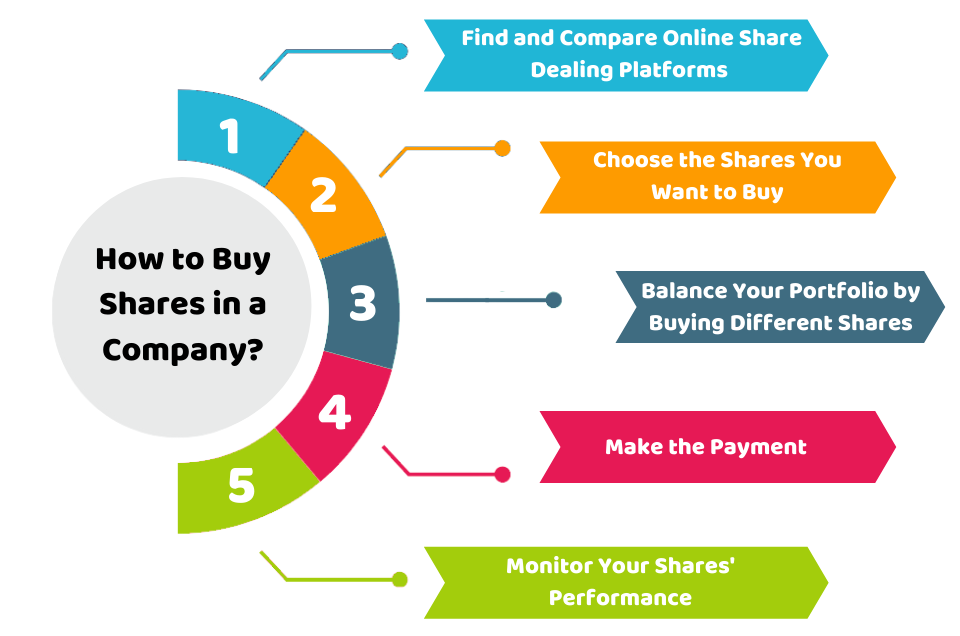
Once you’ve done your homework and chosen a brokerage, the actual process of buying shares is relatively straightforward. Modern online platforms have streamlined this process, making it accessible to virtually anyone.
Funding Your Brokerage Account
Before you can buy any shares, you need money in your brokerage account. Most brokers offer several ways to fund your account:
-
Electronic Funds Transfer (EFT): This is the most common and convenient method, allowing you to link your bank account and transfer funds directly. It usually takes 1-3 business days for funds to settle and become available for trading.
-
Wire Transfer: Faster than EFT, wires can make funds available almost immediately, but they often come with a fee from both your bank and the brokerage.
-
Check Deposit: You can mail a check to your brokerage, but this is the slowest method.
-
Transfer from Another Brokerage: If you’re moving an existing investment account, you can initiate an Automated Customer Account Transfer Service (ACATS) transfer.
Always ensure you have sufficient funds available for your intended purchase, including any potential trading fees (though many brokers now offer commission-free stock trading).
Navigating the Trading Platform
Your chosen online brokerage will provide a trading platform—a website or mobile app—where you can manage your account and place trades. While interfaces vary, common features include:
-
Dashboard/Account Summary: Overview of your portfolio value, cash balance, and recent activity.
-
Quote/Research Tool: To look up stock prices, historical data, company news, and financial statements.
-
Trade Entry Screen: Where you’ll specify which share to buy, how many, and at what price.
-
Order History: To track your past and pending trades.
Spend some time familiarizing yourself with the platform’s layout and functionalities before making your first trade. Many brokers offer paper trading or demo accounts where you can practice trading with virtual money without any real risk.
Placing an Order: Market vs. Limit Orders
When you’re ready to buy, you’ll need to place an order. The two most common types are market orders and limit orders:

-
Market Order: This instructs your broker to buy or sell a stock immediately at the best available current price. Market orders are ideal when you want to execute a trade quickly and are less concerned about minor price fluctuations. However, in volatile markets, the actual price you pay might be slightly different from the last quoted price you saw.
-
Limit Order: This allows you to specify the maximum price you’re willing to pay for a share (for a buy order) or the minimum price you’re willing to accept (for a sell order). Your order will only be executed if the stock reaches your specified price or better. Limit orders provide more control over the execution price but there’s no guarantee the order will be filled if the stock never reaches your desired price.
Other, more advanced order types exist, such as Stop-Loss Orders (to limit potential losses by selling if a stock falls to a certain price) and Stop-Limit Orders, but market and limit orders are sufficient for most beginners.
Confirming Your Purchase and Understanding Settlement
After you place an order, you’ll typically receive an instant confirmation that your order has been received. Once the order is executed (filled), you’ll get another notification confirming the trade, including the exact price and number of shares bought.
However, the transaction isn’t fully complete immediately. In most markets, stock trades operate on a “T+2” settlement basis. This means that while you now legally own the shares, the actual exchange of cash for shares takes two business days (trade date + two days) to officially “settle” in your account. You’ll see the shares in your portfolio and their value reflected immediately, but the cash won’t be fully debited until settlement.
Managing Your Investment Portfolio
Buying shares is just the beginning. Effective portfolio management is an ongoing process that requires monitoring, adjustments, and a strategic mindset to maximize returns and mitigate risks over time.
Monitoring Your Investments
While it’s crucial to avoid obsessive daily checking, regularly monitoring your investments is important. Keep an eye on the companies you own:
-
Company News: Stay informed about earnings reports, new product launches, management changes, and any significant news that could impact the company.
-
Industry Trends: Understand broader trends affecting the industry your companies operate in.
-
Economic Indicators: Be aware of macroeconomic factors like interest rates, inflation, and GDP growth, which can influence the overall market.
-
Performance vs. Benchmarks: Compare your portfolio’s performance against relevant market indexes (e.g., S&P 500) to gauge its effectiveness.
Use the tools provided by your brokerage and reputable financial news sources to stay informed.
Rebalancing and Diversification Strategies
Diversification is the cornerstone of risk management in investing. It means spreading your investments across various assets, industries, and geographies to avoid putting all your eggs in one basket. If one investment performs poorly, others may perform well, cushioning the impact.
-
Asset Allocation: Beyond individual stocks, diversify across different asset classes like stocks, bonds, and potentially real estate or commodities, based on your risk tolerance and investment horizon.
-
Industry Diversification: Don’t concentrate too heavily in one industry. A balanced portfolio might include tech, healthcare, consumer staples, financials, and industrials.
-
Geographic Diversification: Consider investing in companies from different countries to capitalize on global growth and reduce country-specific risks.
Rebalancing is the process of adjusting your portfolio periodically to restore your desired asset allocation. For example, if stocks have performed exceptionally well, they might now represent a larger percentage of your portfolio than you initially intended. Rebalancing would involve selling some appreciated stocks and buying more of your underperforming assets (like bonds) to bring your portfolio back to its target weights. This helps manage risk and can even be a disciplined way to “buy low and sell high.”
The Importance of Long-Term Perspective
The stock market can be volatile in the short term, experiencing corrections and even crashes. However, historically, over long periods (10+ years), the market has always recovered and trended upwards. Resisting the urge to panic sell during downturns and staying invested through market cycles is critical for long-term success. Compounding returns, where your earnings generate further earnings, works best over extended periods. Focus on the underlying quality of the businesses you own rather than day-to-day price movements.
When to Sell a Share: Understanding Your Exit Strategy
Just as important as knowing when to buy is knowing when to sell. Your exit strategy should be linked to your initial investment thesis and financial goals.
-
Goal Achieved: If a stock has met your price target or helped you reach a specific financial goal (e.g., saving for a down payment), it might be time to sell.
-
Company Fundamentals Deteriorate: If the company’s financial performance declines consistently, its competitive advantage erodes, or its management makes poor strategic decisions, it could be a signal to sell.
-
Better Opportunities Arise: You might sell a stock to reallocate funds to a more promising investment that better fits your current strategy.
-
Rebalancing Needs: As mentioned, selling appreciated assets to maintain your target asset allocation is a disciplined reason to sell.
-
Change in Risk Tolerance/Financial Situation: A major life event or shift in your personal risk tolerance might necessitate adjustments to your portfolio.
Avoid selling purely out of fear during market downturns, as this often locks in losses. Conversely, avoid holding onto a stock indefinitely if its fundamental story has changed for the worse, simply because you’re emotionally attached to it.
Key Considerations for Aspiring Investors
Navigating the world of share investing can be complex, but armed with knowledge and a thoughtful approach, you can build a resilient portfolio. Here are some additional considerations to keep in mind.
The Role of Financial Advisors
While this guide empowers you to make informed decisions, some investors may benefit from professional guidance. A qualified financial advisor can help you:
-
Develop a Personalized Financial Plan: Tailored to your specific goals, risk tolerance, and time horizon.
-
Construct a Diversified Portfolio: Beyond just stocks, considering all asset classes.
-
Provide Tax-Efficient Strategies: Optimize your investments to minimize tax liabilities.
-
Offer Emotional Discipline: Help you avoid common investing mistakes driven by fear or greed.
If you choose to work with an advisor, ensure they are a fiduciary, meaning they are legally obligated to act in your best interest.
Taxes on Investments: Capital Gains and Dividends
Investing in shares has tax implications that vary by jurisdiction. In most places, you’ll encounter two main types of taxes:
-
Capital Gains Tax: When you sell a share for more than you bought it, the profit is a capital gain. This gain is usually taxed. The tax rate often depends on how long you held the share:
-
Short-Term Capital Gains: For assets held for one year or less, these are typically taxed at your ordinary income tax rate.
-
Long-Term Capital Gains: For assets held for more than one year, these usually qualify for lower, preferential tax rates.
-
-
Dividend Tax: If a company pays dividends, this income is also typically taxable in the year it’s received. The tax rate can vary depending on whether the dividend is considered “qualified” or “unqualified.”
It’s crucial to understand the tax laws in your country or region and consider consulting a tax professional to optimize your investment strategy and ensure compliance. Utilizing tax-advantaged accounts (like IRAs or 401(k)s) can significantly reduce your tax burden over time.
Avoiding Common Investing Mistakes
Even experienced investors fall prey to cognitive biases and emotional pitfalls. Beginners are particularly susceptible. Be mindful of:
-
Chasing Returns/FOMO (Fear of Missing Out): Buying into “hot” stocks after they’ve already surged, often leading to buying high and selling low.
-
Market Timing: Trying to predict market tops and bottoms consistently is nearly impossible. Long-term, consistent investing (dollar-cost averaging) generally outperforms.
-
Over-Concentration: Putting too much money into a single stock or a few stocks, increasing specific risk.
-
Ignoring Research: Investing based on hearsay, social media hype, or limited information.
-
Emotional Decisions: Letting fear (during downturns) or greed (during upturns) dictate your buying and selling decisions. Stick to your rational plan.
-
Not Having an Emergency Fund: Investing before securing your immediate financial stability can force premature selling during market dips.

Continuous Learning and Adapting to Market Changes
The financial markets are dynamic and constantly evolving. Successful investors are lifelong learners. Stay curious, read reputable financial news, books, and educational content, and continually refine your understanding of investing principles. The strategies that worked in one decade might need adaptation for the next. The best investors combine foundational knowledge with an ability to adapt to new technologies, economic paradigms, and market structures.
Buying a share is an entry point into a rewarding journey of wealth creation and financial empowerment. By approaching it with knowledge, discipline, and a long-term perspective, you can build a robust portfolio that serves your financial aspirations.
aViewFromTheCave is a participant in the Amazon Services LLC Associates Program, an affiliate advertising program designed to provide a means for sites to earn advertising fees by advertising and linking to Amazon.com. Amazon, the Amazon logo, AmazonSupply, and the AmazonSupply logo are trademarks of Amazon.com, Inc. or its affiliates. As an Amazon Associate we earn affiliate commissions from qualifying purchases.