
In the ever-evolving landscape of personal finance, making savvy purchasing decisions is paramount. While traditional dealerships remain a popular avenue for vehicle acquisition, auto auctions have emerged as a compelling, albeit often misunderstood, alternative. For the financially astute individual, understanding “how to buy a car at an auto auction” is not just about finding a vehicle; it’s about mastering a strategic financial play that can yield significant savings, provided one navigates its inherent complexities with diligence and an informed perspective. This guide delves into the world of auto auctions, framing the entire process through a lens of financial prudence, risk management, and strategic investing in an asset.

I. Foundations of Financial Prudence: Pre-Auction Preparation
Success at an auto auction is less about spontaneous bidding and more about rigorous financial groundwork. Approaching an auction unprepared is akin to investing without research – a recipe for potential financial setbacks. The preparation phase is critical for maximizing value and mitigating risk.
A. Defining Your Budget and Understanding True Costs
Before even contemplating a vehicle, the absolute first step is to establish a stringent budget. This isn’t merely the maximum bid price; it’s a comprehensive financial ceiling that accounts for all potential expenses. Many newcomers overlook the myriad of “hidden” costs associated with auction purchases.
- Auction Fees and Buyer’s Premiums: Almost all auctions charge a buyer’s premium (a percentage of the winning bid) and various administrative fees. These can add hundreds, sometimes over a thousand dollars, to the final price. Factor these into your maximum bid calculation.
- Sales Tax and Registration: These are non-negotiable government fees that will apply post-purchase. Research your local rates.
- Transportation Costs: Will you need to tow the car home, or pay for professional transport? This can be significant, especially if the vehicle is not roadworthy or the auction location is distant.
- Immediate Repairs and Maintenance: Crucially, auction cars are often sold “as-is.” Budget a substantial contingency fund for necessary repairs, detailing, and basic maintenance (oil change, tire rotation, fluid checks) immediately after purchase. A good rule of thumb is to set aside 10-20% of the vehicle’s purchase price for initial reconditioning.
- Contingency Fund for Unexpected Issues: Beyond anticipated repairs, always have a financial buffer for unforeseen problems that may arise shortly after taking ownership.
By meticulously accounting for these factors, you can determine your absolute maximum bid and avoid the common pitfall of overspending. Remember, a “cheap” car isn’t cheap if its total cost of ownership quickly exceeds its market value.
B. Strategic Vehicle Research and Due Diligence
With your budget firmly in place, the next financial step is targeted research. This is where you transform a speculative gamble into a calculated financial decision.
- Identify Target Vehicles and Market Value: Focus on specific makes and models that align with your needs and financial parameters. Research their fair market value for similar year, mileage, and condition vehicles on platforms like Kelley Blue Book, Edmunds, or NADA Guides. Your goal at auction is to ideally acquire the vehicle significantly below this market value.
- Auction Inventory Scrutiny: Most reputable auctions list their inventory online days or weeks in advance. Utilize these listings to identify specific vehicles of interest. Look for key details such as VIN (Vehicle Identification Number), mileage, and a brief description of condition.
- VIN Check Services: Investing in a VIN check report (e.g., CarFax, AutoCheck) is non-negotiable. This small financial outlay can save you thousands by revealing critical information: accident history, flood damage, salvage titles, odometer discrepancies, prior ownership, and service records. A clear history significantly de-risks the purchase.
- Pre-Auction Inspection (If Available): This is perhaps the most critical step for financial risk mitigation. If the auction allows, physically inspect the vehicles. Bring a knowledgeable friend or, ideally, a trusted mechanic. Look for obvious signs of damage, leaks, rust, tire wear, and interior condition. Start the engine if possible, listen for unusual noises, check dashboard warning lights. Remember, this might be your only chance to assess the vehicle’s mechanical health before bidding. The money spent on an inspection can prevent buying a costly lemon.
II. Mastering the Auction Floor: Bidding with Financial Discipline
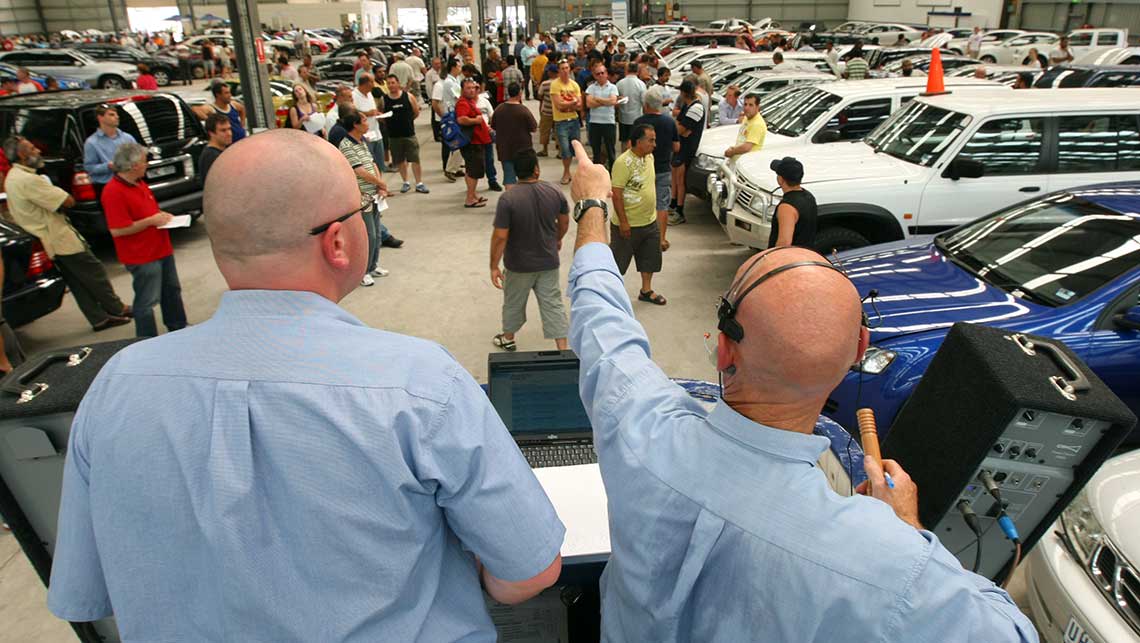
The auction environment is designed to generate excitement, which can lead to impulsive financial decisions. Maintaining discipline and sticking to your pre-defined financial limits is paramount.
A. Understanding Auction Dynamics and Rules
Before placing a single bid, familiarize yourself with the specific auction’s operational and financial rules.
- Registration and Financial Requirements: You’ll typically need to register as a bidder, often requiring a deposit or proof of funds. Understand the accepted payment methods (often cashier’s checks, wire transfers, or cash for deposits) and payment deadlines. Failure to adhere to these can result in forfeiture of deposits or legal repercussions.
- “As-Is, Where-Is” Principle: This is the bedrock of auction sales and a critical financial consideration. It means there are no warranties, guarantees, or returns. You are buying the vehicle exactly as it stands, with all its existing defects, known or unknown. This places the entire financial risk on the buyer.
- Simulcast Auctions vs. Live Auctions: Some auctions offer online bidding (simulcast), which can be convenient but may make physical inspection impossible. Weigh the financial risks of buying sight-unseen. Live auctions allow for a better physical assessment, albeit often with a more fast-paced bidding environment.
B. Strategic Bidding and Emotional Control
The actual bidding process requires a cool head and strict adherence to your financial strategy.

- Observe Before You Bid: Arrive early and watch a few bidding rounds for other vehicles. This helps you understand the auctioneer’s pace, jargon, and common bidding increments. It’s a free lesson in the auction’s financial flow.
- Stick to Your Pre-Determined Maximum: This cannot be stressed enough. It’s easy to get caught up in the competitive atmosphere and exceed your budget “just one more time.” Each additional bid above your financial limit erodes your potential savings and increases your financial risk.
- Know When to Walk Away: If the bidding for a vehicle quickly exceeds your maximum budget, walk away. There will always be other cars, other auctions. Chasing a car beyond its financial prudence is a losing proposition. This discipline is the hallmark of a smart financial decision-maker.
- The Power of the Final Bid: Some vehicles might not meet the seller’s reserve price. Be aware of opportunities for post-auction negotiation, where you might be able to strike a deal at a slightly lower price if the reserve wasn’t met.
III. Post-Auction Logistics and Total Cost of Ownership
Congratulations, you’ve won a bid! However, the financial journey doesn’t end there. The post-auction phase involves critical steps to fully integrate your new asset into your financial plan and understand its true total cost of ownership.
A. Prompt Payment and Vehicle Retrieval
Time is often a financial factor post-auction. Most auctions demand immediate payment, usually within 24-48 hours.
- Securing Funds: Ensure your cashier’s check or wire transfer is ready. Delays can incur late fees or even lead to forfeiture of the vehicle and your deposit.
- Arranging Transportation: If the car is not roadworthy or uninsured, you’ll need to arrange towing. Factor this into your budget. For drivable cars, ensure you have temporary insurance coverage before driving it off the lot.
- Verifying Documentation: Double-check that you receive the correct title and Bill of Sale. Errors here can lead to significant delays and financial headaches during registration.
B. Financial Planning for Post-Purchase Expenses
The true financial outcome of an auction purchase hinges on how you manage the subsequent costs.
- Insurance, Registration, and Titling: These are legal necessities. Promptly register the vehicle in your name and secure comprehensive insurance. Be aware that some states have different requirements for vehicles with salvage titles, which can affect insurance premiums and future resale value.
- Immediate Maintenance and Repairs: This is where your contingency fund comes into play. Prioritize essential safety repairs (brakes, tires, lights) and critical mechanical fixes. Getting a full diagnostic check by a trusted mechanic immediately is a wise investment. Track all these expenses meticulously, as they directly impact your overall financial gain from the auction purchase.
- Long-Term Value and Resale Considerations: While you might have saved money upfront, consider the vehicle’s long-term depreciation and potential resale value, especially if it has a checkered history (e.g., salvage title). A significantly discounted auction car might also be harder to sell in the future, impacting its liquidity as an asset.
IV. Risks, Rewards, and Informed Financial Decisions
Buying a car at an auto auction is a high-risk, high-reward financial endeavor. It’s not for the faint of heart or those unwilling to do extensive financial and mechanical due diligence.
A. The Promise of Savings vs. The Perils of the Unknown
The primary allure of auctions is the potential for substantial savings – often thousands below retail. This makes them attractive to budget-conscious buyers and those seeking project cars for restoration. However, this financial upside is balanced by significant risks:
- “As-Is” Sales: This is the single largest financial risk. You are buying without warranty, meaning any expensive mechanical failure becomes your immediate financial burden.
- Lack of Test Drives: Inability to test drive prevents you from assessing transmission, engine performance under load, and other critical driving dynamics.
- Undisclosed Damage: While major issues are sometimes noted, minor or hidden problems are common.
B. Mitigating Risk Through Smart Financial Practices
To truly benefit financially from an auction purchase, adopt these practices:
- Thorough Research and Inspection: As detailed earlier, this is your best defense against financially ruinous purchases.
- Strict Budget Adherence: Never exceed your pre-set maximum.
- Build a Repair Contingency: Always assume additional costs will arise.
- Understand Auction Types: Dealer-only auctions offer different stock than public or salvage auctions, each with varying financial implications and risk profiles.
- Recognize Your Limits: If you’re not mechanically inclined or don’t have access to affordable, reliable repair services, the financial risks of an auction purchase may outweigh the potential rewards.
In conclusion, buying a car at an auto auction can be an exceptionally shrewd financial move, offering access to vehicles at prices often unattainable in the retail market. However, it demands a robust financial strategy, meticulous preparation, unwavering discipline, and a clear understanding of the inherent risks. For those who approach it with diligence and a focus on total cost of ownership rather than just the initial bid, an auto auction can be a powerful tool in their personal finance arsenal, transforming a potentially daunting transaction into a financially rewarding acquisition.
aViewFromTheCave is a participant in the Amazon Services LLC Associates Program, an affiliate advertising program designed to provide a means for sites to earn advertising fees by advertising and linking to Amazon.com. Amazon, the Amazon logo, AmazonSupply, and the AmazonSupply logo are trademarks of Amazon.com, Inc. or its affiliates. As an Amazon Associate we earn affiliate commissions from qualifying purchases.