
In a world increasingly shaped by digital innovation, Bitcoin stands as a revolutionary asset that has captured the attention of individual investors, institutional giants, and financial experts alike. As the pioneering cryptocurrency, Bitcoin introduced the concept of decentralized digital money, operating independently of central banks and governments. Its emergence has not only challenged traditional financial paradigms but has also opened new avenues for wealth creation and financial autonomy.
For many, the journey into cryptocurrency begins with Bitcoin. However, the process of acquiring it can seem daunting to newcomers, fraught with technical jargon and security concerns. This guide aims to demystify the steps involved in buying Bitcoin, providing a clear, professional, and insightful roadmap for anyone looking to enter the burgeoning world of digital assets. We will delve into the fundamentals, walk you through the practical steps, and offer crucial insights for managing your investment responsibly within the realm of personal finance and investing.
The Fundamentals of Bitcoin and Its Investment Landscape
Before making any investment, understanding the underlying asset is paramount. Bitcoin is more than just a digital token; it’s a testament to groundbreaking technology and a distinct philosophy of financial freedom.
What Exactly is Bitcoin?
At its core, Bitcoin is a decentralized digital currency, often referred to as “digital gold.” It operates on a technology called blockchain, a distributed public ledger that records all transactions in a secure, transparent, and immutable manner. Unlike traditional currencies issued by governments (fiat money), Bitcoin is not controlled by any single entity. Instead, it is maintained by a network of participants, making it resistant to censorship and manipulation.
Key characteristics of Bitcoin include:
- Decentralization: No central authority controls Bitcoin.
- Scarcity: Its supply is capped at 21 million coins, creating built-in scarcity similar to precious metals.
- Security: Cryptographic principles secure transactions and control the creation of new units.
- Divisibility: A single Bitcoin can be divided into eight decimal places, with the smallest unit called a Satoshi (0.00000001 BTC).
Understanding these characteristics helps frame Bitcoin not just as a speculative asset, but as a technological innovation with significant implications for the future of finance.
Why Consider Investing in Bitcoin?
The motivations for investing in Bitcoin are diverse, ranging from speculation on price appreciation to a belief in its long-term potential as a global currency. Here are some common reasons:
- Potential for High Returns: Bitcoin has historically demonstrated significant price volatility, which, while risky, has also led to substantial returns for early investors. Its limited supply and increasing adoption could drive future demand.
- Diversification: For many investors, Bitcoin offers an alternative asset class that is largely uncorrelated with traditional financial markets, potentially offering diversification benefits to a well-rounded portfolio.
- Inflation Hedge: Some view Bitcoin as a hedge against inflation, similar to gold. Its fixed supply means it cannot be devalued by governments printing more money, making it attractive during periods of economic uncertainty.
- Technological Innovation: Investing in Bitcoin is also an investment in the underlying blockchain technology, which promises to revolutionize various industries beyond finance.
- Financial Inclusion: Bitcoin offers financial services to unbanked populations worldwide, providing a means for secure transactions without traditional banking infrastructure.
While the appeal is strong, it’s crucial to approach Bitcoin investment with a clear understanding of the risks involved and ensure it aligns with your personal financial goals and risk tolerance.
Navigating the Risks: What You Need to Know
No investment comes without risk, and Bitcoin is no exception. In fact, its nascent stage and high volatility present unique challenges that potential investors must acknowledge:
- Price Volatility: Bitcoin’s price can fluctuate wildly within short periods, driven by market sentiment, regulatory news, technological developments, and macroeconomic factors. Investors must be prepared for significant drawdowns.
- Regulatory Uncertainty: The regulatory landscape for cryptocurrencies is still evolving globally. Government actions, bans, or new taxes can significantly impact Bitcoin’s price and accessibility.
- Security Risks: While blockchain technology itself is secure, the platforms and methods used to store and trade Bitcoin can be vulnerable to hacks, scams, and human error. Losing private keys means losing access to your Bitcoin permanently.
- Lack of Intrinsic Value Debate: Critics argue that Bitcoin, unlike a company stock or a rental property, lacks intrinsic value, deriving its price solely from demand and speculation.
- Market Manipulation: The relatively smaller market capitalization compared to traditional assets makes Bitcoin potentially more susceptible to market manipulation.
A thorough understanding of these risks is fundamental to making informed decisions and adopting a responsible approach to your Bitcoin investment strategy. Never invest more than you can afford to lose.
Preparing for Your First Bitcoin Purchase
With a foundational understanding of Bitcoin, the next crucial step involves preparing the necessary tools and understanding the regulatory landscape that governs cryptocurrency transactions.
Choosing Your Digital Wallet: Security First
Before you even think about buying Bitcoin, you need a secure place to store it. This is where digital wallets come in. A Bitcoin wallet doesn’t technically “store” your Bitcoin; rather, it stores your private keys, which grant you access to your Bitcoin on the blockchain.
Wallets come in various forms, each offering different levels of security and convenience:
- Hot Wallets (Online): These are connected to the internet. Examples include web wallets (offered by exchanges), mobile wallets (apps on your phone), and desktop wallets (software on your computer). They are convenient for frequent transactions but generally less secure than cold wallets due to their internet connectivity, making them more susceptible to hacking.
- Cold Wallets (Offline): These are not connected to the internet and are considered the most secure option for storing larger amounts of Bitcoin long-term.
- Hardware Wallets: Physical devices that store your private keys offline. They require a physical connection to a computer to authorize transactions, offering excellent security against online threats. Examples include Ledger and Trezor.
- Paper Wallets: Private keys are printed on a piece of paper. While extremely secure from online attacks, they are vulnerable to physical damage, loss, or theft.
For new investors, starting with a reputable exchange’s hot wallet for small amounts is common, but transferring larger holdings to a cold wallet, especially a hardware wallet, is highly recommended for long-term security. Research and choose a wallet that matches your comfort level with technology, your investment size, and your desired level of security.
Selecting a Cryptocurrency Exchange: Your Gateway to Crypto
A cryptocurrency exchange is an online platform where you can buy, sell, and trade cryptocurrencies. Choosing the right exchange is crucial, as it will be your primary interface for acquiring Bitcoin. Consider the following factors:
- Reputation and Security: Opt for exchanges with a strong track record, robust security measures (e.g., two-factor authentication, cold storage for a majority of assets), and insurance policies where available.
- Fees: Exchanges charge various fees, including trading fees (maker/taker fees), deposit fees, and withdrawal fees. These can vary significantly, so compare structures to minimize costs.
- Liquidity: High liquidity means there are many buyers and sellers, leading to tighter spreads and easier execution of trades at fair prices.
- Supported Currencies and Payment Methods: Ensure the exchange supports Bitcoin and offers convenient payment options for funding your account (e.g., bank transfer, debit/credit card, PayPal).
- Ease of Use: A user-friendly interface is vital, especially for beginners.
- Customer Support: Accessible and responsive customer support can be invaluable when issues arise.
- Regulatory Compliance: Choose exchanges that comply with local regulations, as this generally indicates a more stable and trustworthy platform.
Popular exchanges include Coinbase, Binance, Kraken, and Gemini, among others. Each has its pros and cons, so conduct your own due diligence.
Understanding KYC and AML Regulations
Before you can buy Bitcoin on most reputable exchanges, you will be required to complete a Know Your Customer (KYC) process and adhere to Anti-Money Laundering (AML) regulations. These are legal requirements designed to prevent illicit financial activities like fraud and money laundering.
The KYC process typically involves:
- Providing personal information: Full name, date of birth, residential address.
- Submitting identity documents: A government-issued ID like a passport or driver’s license.
- Proof of address: A utility bill or bank statement.
- Selfie verification: Sometimes, you may need to take a selfie holding your ID.
While some decentralized exchanges or peer-to-peer platforms might offer ways to buy Bitcoin without extensive KYC, using regulated exchanges for your initial purchase provides a higher degree of security and legal protection. Be prepared to go through this verification process, as it’s a standard and necessary step for legitimate cryptocurrency transactions.
Step-by-Step Guide to Acquiring Bitcoin
Once you’ve chosen your wallet and exchange and completed the necessary verifications, you’re ready to make your first Bitcoin purchase.
Funding Your Account: Methods and Considerations
To buy Bitcoin, you first need to deposit fiat currency (like USD, EUR, GBP) into your exchange account. Common funding methods include:
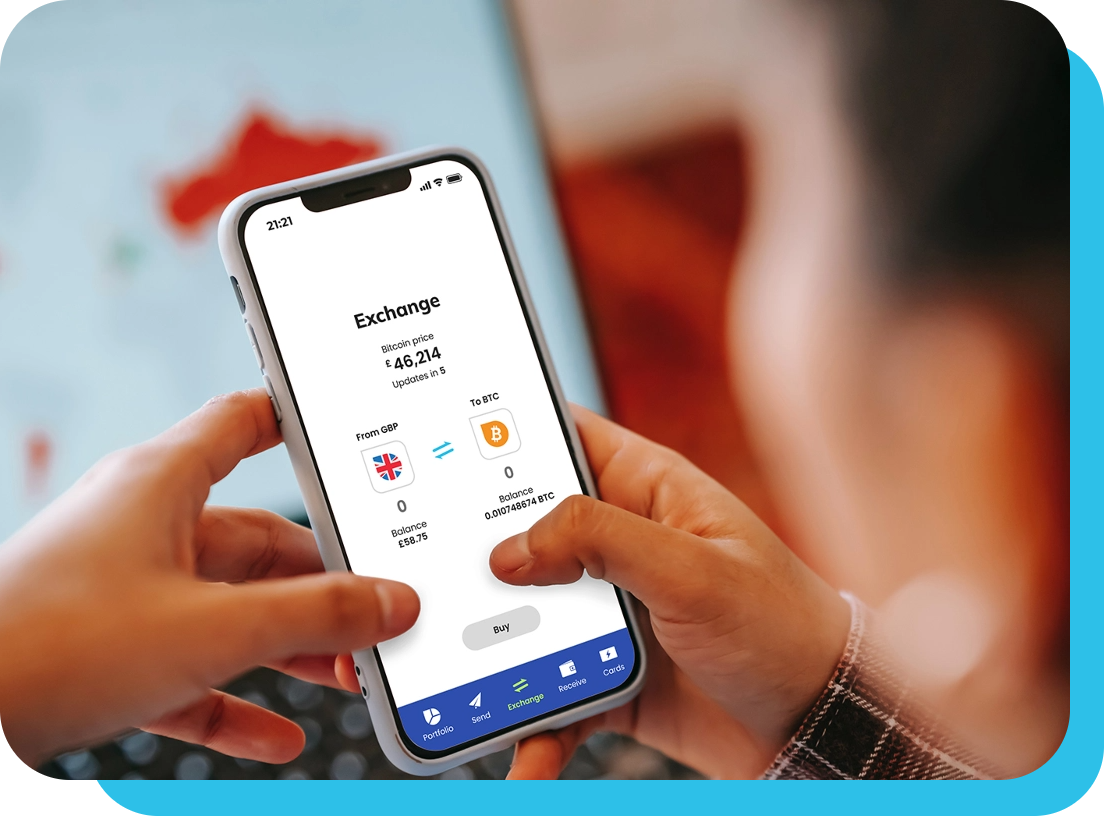
- Bank Transfer (ACH/SEPA/Wire Transfer): Generally the cheapest method, especially for larger amounts. However, it can take a few business days for funds to clear.
- Debit Card/Credit Card: Offers instant deposits but often comes with higher fees (typically 2-4% or more) due to the processing costs. Some credit card companies may also treat crypto purchases as cash advances, incurring additional fees.
- Other Payment Services (e.g., PayPal, Apple Pay): Some exchanges support these, offering convenience but potentially higher fees or limits.
- Deposit other Cryptocurrencies: If you already own other cryptocurrencies on another exchange or wallet, you can transfer them to your chosen exchange and then trade them for Bitcoin.
Consider the speed, fees, and deposit limits associated with each method before funding your account. For your initial purchase, a bank transfer might be cost-effective if you’re not in a hurry, while a debit card offers instant gratification for a slight premium.
Executing Your Trade: Market vs. Limit Orders
Once your account is funded, you can place an order to buy Bitcoin. Exchanges typically offer at least two types of orders:
- Market Order: This is the simplest way to buy Bitcoin. You instruct the exchange to buy Bitcoin immediately at the current best available price. Market orders are executed instantly but may result in buying at a slightly higher price than anticipated if the market is moving quickly. It’s best for when you prioritize speed over getting a precise price.
- Limit Order: With a limit order, you specify the maximum price you’re willing to pay per Bitcoin (or the minimum price you’re willing to sell at). Your order will only execute if the market price reaches your specified limit or better. Limit orders give you more control over the price but may not execute immediately, or at all, if the market doesn’t reach your desired price. This is ideal for investors who want to buy at a specific entry point.
For beginners, a small market order can be a good way to get started and familiarize yourself with the process. As you gain experience, utilizing limit orders can help optimize your purchase price. Always double-check the amount of Bitcoin you’re buying and the total cost before confirming your order.
Securing Your Investment: Transferring Bitcoin to Your Wallet
After successfully buying Bitcoin on an exchange, it will typically be held in the exchange’s hot wallet. While convenient for quick trades, it’s generally not recommended to store large amounts of Bitcoin on an exchange for extended periods. “Not your keys, not your crypto” is a common adage in the crypto world, meaning if you don’t control your private keys, you don’t truly own your Bitcoin.
To enhance security, especially for long-term holdings, you should transfer your Bitcoin from the exchange to your personal digital wallet (preferably a cold wallet like a hardware wallet).
The withdrawal process usually involves:
- Navigating to the “Withdraw” section on your exchange account.
- Selecting Bitcoin as the cryptocurrency to withdraw.
- Entering your personal wallet address. This is a critical step; ensure the address is correct as Bitcoin transactions are irreversible. It’s often recommended to send a small test amount first, especially for large transfers, to confirm the address is valid and working.
- Specifying the amount you wish to withdraw.
- Confirming the transaction (often with 2FA).
Be aware of withdrawal fees charged by the exchange and the network transaction fees (miner fees) required to process the transaction on the blockchain. Once confirmed, your Bitcoin will be sent to your chosen wallet, providing you with full control over your asset.
Advanced Strategies and Long-Term Management
Once you’ve made your initial Bitcoin purchase, consider the broader context of your financial strategy. Effective management goes beyond just buying; it involves diversification, tax planning, and robust security.
Diversification and Portfolio Management in Crypto
While Bitcoin is a significant player, the cryptocurrency market is vast, with thousands of other digital assets (altcoins). A common mistake for new investors is to put all their capital into a single asset. Diversification, a core principle of traditional investing, is equally crucial in the crypto space.
- Don’t put all your eggs in one basket: Consider allocating a portion of your investment capital to other promising cryptocurrencies or asset classes to mitigate risk.
- Research other projects: Explore projects with strong fundamentals, innovative technology, and clear use cases.
- Asset allocation: Determine a sensible allocation of your total investment portfolio to crypto, and then within crypto, how much to Bitcoin versus other altcoins, based on your risk tolerance and investment goals.
- Dollar-Cost Averaging (DCA): Instead of investing a lump sum, consider investing a fixed amount regularly (e.g., weekly or monthly), regardless of the price. This strategy helps reduce the impact of volatility and average out your purchase price over time.
A diversified portfolio can help smooth out returns and reduce exposure to the idiosyncratic risks of any single asset, including Bitcoin.
Understanding Tax Implications for Bitcoin Investments
One of the most overlooked aspects for new crypto investors is the tax implications. Most jurisdictions treat cryptocurrencies as property for tax purposes, not as currency. This means that engaging in certain activities with Bitcoin can trigger a taxable event.
Common taxable events include:
- Selling Bitcoin for fiat currency: Any profit made is typically considered a capital gain.
- Trading Bitcoin for other cryptocurrencies: This is often a taxable event, where the gain or loss is calculated at the time of the trade.
- Using Bitcoin to pay for goods or services: This can also be considered a taxable disposition.
Tax laws vary significantly by country and even by state/province. It is absolutely essential to:
- Keep meticulous records: Document all your crypto transactions, including purchase dates, prices, sale dates, and sale prices.
- Consult a tax professional: Seek advice from an accountant or tax advisor specializing in cryptocurrency to understand your specific obligations and optimize your tax strategy.
- Understand short-term vs. long-term capital gains: The tax rate often depends on how long you held the asset before selling.
Ignoring crypto taxes can lead to severe penalties, so proactive planning and understanding are critical components of responsible Bitcoin investing.
Best Practices for Long-Term Security and Storage
Securing your Bitcoin is an ongoing commitment. As the custodian of your own funds, you bear the primary responsibility for their safety.
- Hardware Wallets are King: For any significant amount of Bitcoin, a hardware wallet is the gold standard for security. It keeps your private keys offline, away from internet-connected threats.
- Secure Your Seed Phrase: When setting up a hardware wallet, you’ll be given a “seed phrase” (usually 12 or 24 words). This is the master key to your Bitcoin. Write it down, make multiple copies, store them in different secure physical locations (e.g., fireproof safe, bank vault), and never store it digitally or share it with anyone.
- Enable Two-Factor Authentication (2FA): Always use 2FA on your exchange accounts and any hot wallets. Hardware-based 2FA (like YubiKey) is even more secure than app-based 2FA.
- Be Wary of Phishing and Scams: Never click on suspicious links, download unsolicited software, or respond to requests for your private keys or seed phrase. Be vigilant against social engineering attempts.
- Regularly Update Software: Keep your wallet software, exchange apps, and operating systems updated to patch security vulnerabilities.
- Diversify Storage: For extremely large holdings, consider splitting your Bitcoin across multiple hardware wallets and secure locations.
- Educate Yourself Continuously: The crypto space evolves rapidly. Stay informed about new security threats and best practices.
Treat your Bitcoin security with the same, or even greater, diligence as you would your physical cash or traditional investments.
The Evolving Future and Continuous Learning
Investing in Bitcoin is not a set-it-and-forget-it endeavor. It’s a journey within a rapidly evolving technological and financial landscape.
Staying Informed in a Dynamic Market
The cryptocurrency market is highly sensitive to news, technological advancements, regulatory shifts, and global economic trends. To make informed decisions, continuous learning and staying updated are essential.
- Follow Reputable News Sources: Subscribe to credible crypto news outlets and financial publications that cover the digital asset space.
- Engage with Communities: Join online forums, subreddits, and social media groups where informed discussions about Bitcoin and crypto take place. Be discerning and avoid echo chambers or sources promoting pump-and-dump schemes.
- Understand Macroeconomic Factors: Bitcoin’s price is increasingly influenced by broader economic conditions, interest rates, and inflation, so keeping an eye on global finance is beneficial.
- Learn About Blockchain Technology: A deeper understanding of how blockchain works will equip you to better evaluate Bitcoin’s long-term potential and resilience.
Proactive learning empowers you to react intelligently to market changes rather than being swayed by FUD (Fear, Uncertainty, Doubt) or FOMO (Fear Of Missing Out).

Bitcoin’s Role in the Broader Financial Ecosystem
Bitcoin’s journey from a niche internet experiment to a recognized asset class has been remarkable. Its future role in the global financial ecosystem continues to be debated and shaped by various factors:
- Institutional Adoption: Growing interest from hedge funds, corporations, and traditional financial institutions is legitimizing Bitcoin and bringing more capital into the market.
- Regulatory Frameworks: As governments worldwide develop clearer regulatory frameworks, Bitcoin’s stability and integration into mainstream finance could improve.
- Technological Developments: Innovations like the Lightning Network aim to scale Bitcoin’s transaction capacity, enhancing its utility as a medium of exchange.
- Digital Central Bank Currencies (CBDCs): The emergence of CBDCs could create a competitive landscape but also potentially validate the underlying technology of digital currencies.
- Environmental Concerns: The energy consumption associated with Bitcoin mining is a growing concern, prompting efforts towards more sustainable practices and driving innovation in the mining sector.
Bitcoin is more than just a speculative asset; it is a disruptive technology with the potential to reshape how we think about money, value, and financial systems. Its path forward will be influenced by technological progress, regulatory clarity, and societal adoption.
In conclusion, buying Bitcoin involves a blend of financial understanding, technological literacy, and a commitment to security. By understanding its fundamentals, meticulously preparing for your purchase, executing trades carefully, and managing your investment with a long-term, security-conscious approach, you can confidently navigate the exciting and often complex world of cryptocurrency. Remember, due diligence, continuous learning, and a measured approach are your most valuable assets in this frontier of finance.
aViewFromTheCave is a participant in the Amazon Services LLC Associates Program, an affiliate advertising program designed to provide a means for sites to earn advertising fees by advertising and linking to Amazon.com. Amazon, the Amazon logo, AmazonSupply, and the AmazonSupply logo are trademarks of Amazon.com, Inc. or its affiliates. As an Amazon Associate we earn affiliate commissions from qualifying purchases.