
In an increasingly complex financial world, mastering the art of budgeting is no longer just a recommendation – it’s a necessity. A well-crafted budget serves as your personal financial roadmap, guiding you through spending decisions, empowering you to achieve your monetary goals, and ultimately providing a sense of control and peace of mind. Far from being a restrictive exercise, budgeting is a powerful tool for liberation, transforming ambiguity into clarity and aspiration into reality. This comprehensive guide will demystify the budgeting process, offering practical steps, diverse strategies, and crucial insights to help you take charge of your financial destiny.
The Foundation of Financial Control: Why Budgeting Matters
Budgeting is often perceived as a daunting task, associated with austerity and limitations. However, its true value lies in the empowerment it offers. It’s about consciously allocating your resources to align with your values and objectives, rather than passively letting money slip through your fingers. Understanding the fundamental benefits of budgeting is the first step towards embracing this vital financial practice.
Gaining Clarity on Your Financial Landscape
Before you can steer your financial ship, you need to know where you are. Budgeting forces you to confront your income and expenses head-on. It provides a crystal-clear snapshot of your financial inflows and outflows, revealing exactly where your money comes from and, more importantly, where it goes. This clarity exposes hidden spending habits, identifies areas of unnecessary expenditure, and highlights opportunities for smarter financial choices. Without this foundational understanding, financial decisions are often made in the dark, leading to uncertainty and potential setbacks.
Empowering Your Financial Goals
Whether your ambition is to purchase a home, save for retirement, pay off debt, fund your children’s education, or take a dream vacation, every significant financial goal requires deliberate planning. Budgeting transforms abstract desires into actionable plans. By allocating specific portions of your income towards these goals, you create a tangible pathway to achieving them. It allows you to prioritize what matters most, making trade-offs today for a more secure and fulfilling tomorrow. Each budgeted dollar becomes an investment in your future aspirations.
Reducing Stress and Building Security
Financial stress is a pervasive issue, often stemming from a lack of control and predictability. A well-maintained budget mitigates this by eliminating the guesswork. Knowing that your bills are covered, your savings are growing, and your debts are diminishing provides immense psychological relief. It builds a financial safety net, allowing you to weather unexpected expenses without derailing your entire financial plan. This proactive approach to money management fosters a sense of security and confidence, replacing anxiety with assurance.
Essential Steps to Constructing Your Budget
Building an effective budget doesn’t require a finance degree; it requires diligence and a systematic approach. The following steps outline the fundamental process to establish a budget that genuinely reflects your financial reality and aspirations.
Tracking Your Income: Know What’s Coming In
The very first step is to accurately identify all sources of income. This includes your net pay (after taxes and deductions), any freelance earnings, rental income, investment dividends, or any other regular influx of money. Be precise and realistic. If your income fluctuates, consider using an average or taking a conservative estimate to avoid overspending based on an unusually high month. This figure represents the total pool of money you have available to work with for a given period, typically a month.
Identifying Your Expenses: Fixed vs. Variable
Once you know your income, the next crucial step is to meticulously track your expenses. This often requires reviewing bank statements, credit card bills, and receipts for at least one to two months to get an accurate picture. Categorize your expenses into two main types:
- Fixed Expenses: These are costs that generally stay the same each month and are often contractual, such as rent/mortgage payments, loan repayments (car, student), insurance premiums, and subscription services. These are predictable and non-negotiable in the short term.
- Variable Expenses: These costs fluctuate from month to month and are often discretionary or semi-discretionary. Examples include groceries, dining out, entertainment, transportation (gas, public transit), utilities (which can vary), and clothing. These are the areas where you often have the most flexibility to adjust your spending.
Categorizing Spending for Better Insight
Beyond fixed and variable, assign specific categories to your spending. Common categories include housing, transportation, food, utilities, debt payments, personal care, entertainment, savings, and discretionary spending. Detailed categorization helps you understand where your money is actually going, allowing you to identify spending patterns and areas where you might be overspending relative to your priorities. This granular view is vital for making informed adjustments.
Setting Realistic Financial Goals
With a clear understanding of your income and expenses, you can now set meaningful and achievable financial goals. These should be SMART: Specific, Measurable, Achievable, Relevant, and Time-bound. For example, instead of “save more money,” aim for “save $5,000 for a down payment on a car within 12 months.” Break larger goals into smaller, manageable milestones. Integrate these goals directly into your budget by allocating specific amounts to a “savings” or “debt repayment” category.
Popular Budgeting Methods and Strategies
There isn’t a one-size-fits-all approach to budgeting. What works for one person might not suit another. Exploring different methodologies can help you find the system that best aligns with your personality, income stability, and financial complexity.
The 50/30/20 Rule: A Simple Framework
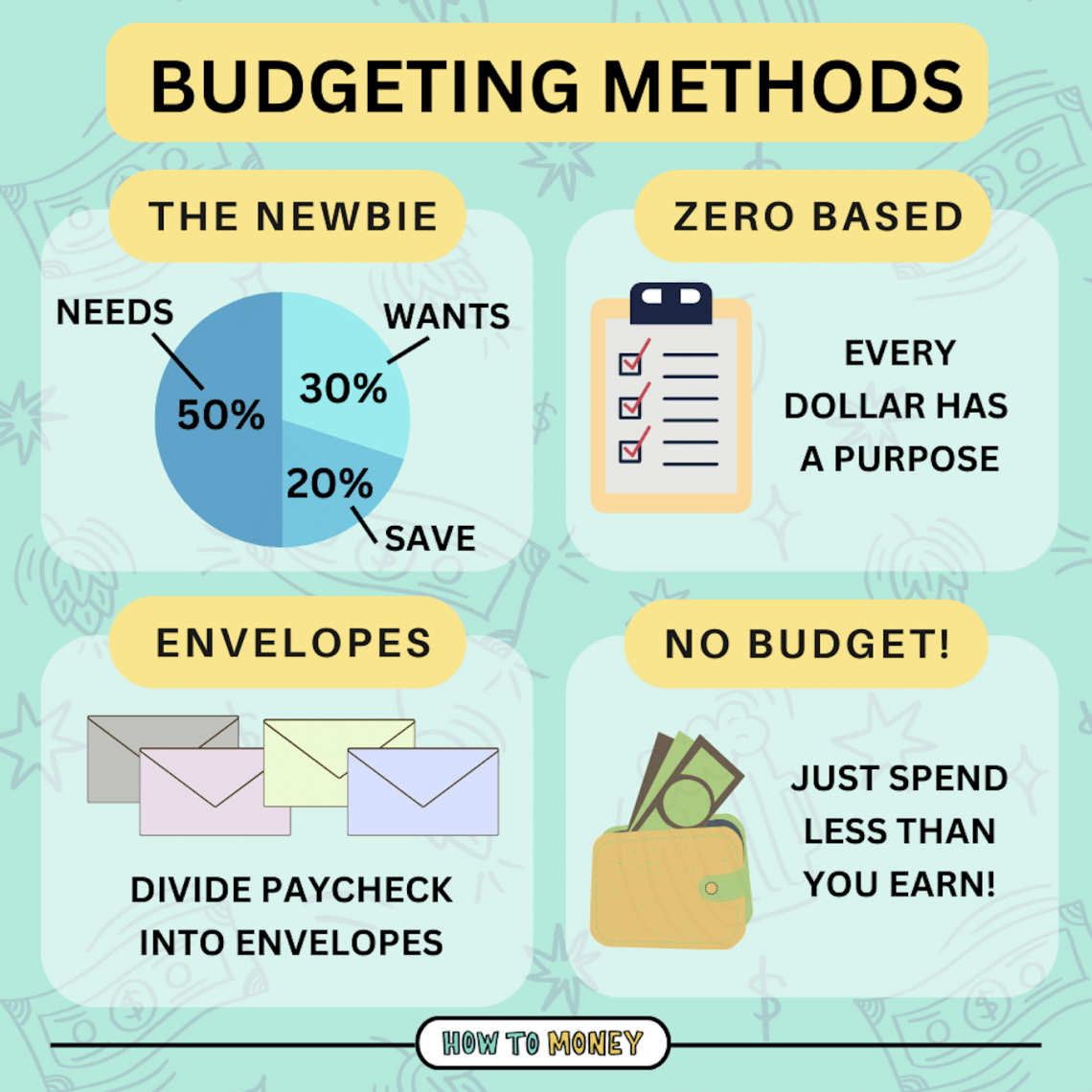
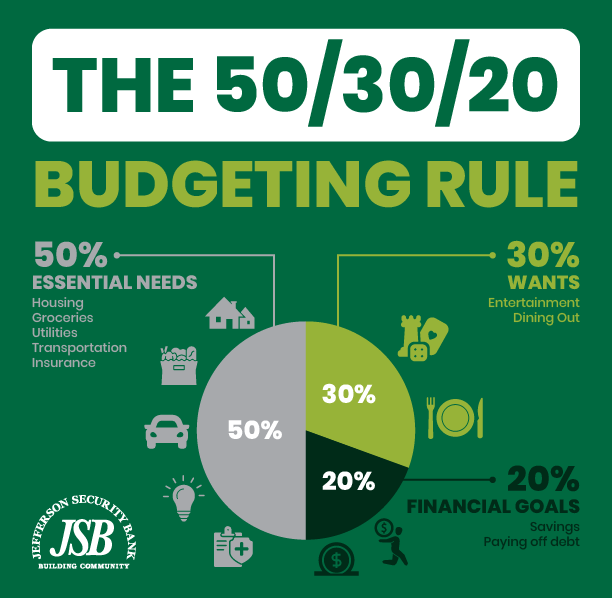
One of the most popular and straightforward budgeting methods is the 50/30/20 rule. It suggests dividing your after-tax income into three main categories:
- 50% for Needs: This covers essential expenses like housing, utilities, groceries, transportation, and minimum debt payments. These are the costs you cannot realistically live without.
- 30% for Wants: This category includes discretionary spending that improves your quality of life but isn’t strictly necessary, such as dining out, entertainment, hobbies, vacations, and shopping for non-essentials.
- 20% for Savings & Debt Repayment: This portion is dedicated to building your financial future, including emergency funds, retirement savings, investment contributions, and any debt payments beyond the minimums.
This rule offers a flexible yet structured way to manage your money without micro-managing every single dollar.
Zero-Based Budgeting: Every Dollar Has a Job
For those who prefer a more detailed and accountable approach, zero-based budgeting is highly effective. The core principle is to allocate every single dollar of your income to a specific category (expense, savings, debt repayment) until your income minus your expenses equals zero. This doesn’t mean you spend all your money; it means you assign every dollar a “job.” For example, if you earn $4,000, you might allocate $1,500 to housing, $500 to groceries, $300 to entertainment, $1,000 to savings, and so on, until the sum of all allocations equals $4,000. This method ensures no money is unaccounted for and maximizes your control.
The Envelope System: A Tangible Approach
Originating from a simpler time, the envelope system remains a powerful visual and tactile budgeting tool, especially for variable expenses. After calculating your budget for cash-based categories (like groceries, entertainment, personal care), you withdraw the corresponding amount of cash and place it into separate physical envelopes labeled for each category. Once an envelope is empty, you stop spending in that category until the next budgeting period. This method makes overspending immediately apparent and can be incredibly effective for curbing impulse purchases.
Digital Budgeting Tools and Apps
In the digital age, numerous apps and software solutions have revolutionized budgeting. Tools like Mint, YNAB (You Need A Budget), Personal Capital, and various banking apps automate much of the tracking process. They can link directly to your bank accounts and credit cards, categorize transactions automatically, track your progress toward goals, and provide visual reports. These tools offer convenience, real-time insights, and often integrate advanced features like net worth tracking and investment analysis, making budgeting more accessible and less time-consuming for many.
Maintaining and Optimizing Your Budget for Long-Term Success
Creating a budget is an excellent start, but its true power unfolds through consistent maintenance and periodic optimization. A budget is a living document that needs regular attention to remain effective and relevant to your evolving financial situation.
Regular Review and Adjustment
Life is dynamic, and so should your budget be. Major life events like a new job, a raise, starting a family, or an unexpected expense necessitate a budget review. However, even without significant changes, it’s crucial to review your budget monthly. Compare your actual spending to your budgeted amounts. Where did you overspend? Where did you underspend? Use these insights to make informed adjustments for the upcoming month. Perhaps you consistently underbudget for groceries or overspend on dining out. Adjust your categories to reflect reality, ensuring your budget remains a practical and sustainable guide.
Handling Unexpected Expenses
One of the primary benefits of budgeting is the ability to plan for the unplanned. An emergency fund is non-negotiable. Aim to save 3-6 months’ worth of essential living expenses in an easily accessible, separate savings account. When an unexpected expense arises (car repair, medical emergency), you can draw from this fund without derailing your primary budget or accumulating debt. Budgeting also allows you to allocate small amounts regularly to specific “sinking funds” for predictable but irregular expenses, such as annual car maintenance, holiday gifts, or home repairs, softening their financial impact.
Automating Savings and Investments
Harness the power of automation to ensure consistency in reaching your savings and investment goals. Set up automatic transfers from your checking account to your savings, investment accounts, or even a debt repayment fund immediately after you get paid. Treating savings as a non-negotiable “bill” ensures that you pay yourself first before discretionary spending can erode your good intentions. This “set it and forget it” approach builds wealth passively and consistently.
Staying Motivated and Celebrating Milestones
Budgeting can be a long game, and maintaining motivation is key. Celebrate your successes, no matter how small. Paid off a credit card? Hit your emergency fund goal? Treat yourself to something modest (within your “wants” budget, of course!) or simply acknowledge your achievement. Visualizing your progress through charts, graphs, or a simple savings tracker can also provide a powerful boost. Remember your “why” – your goals are your ultimate motivators.
Overcoming Common Budgeting Challenges
Even the most dedicated budgeters face hurdles. Recognizing and strategizing for common challenges can help you stay on track and avoid falling prey to common pitfalls.
Dealing with Irregular Income
For freelancers, commissioned salespersons, or those in seasonal employment, irregular income can make traditional budgeting feel impossible. Strategies include:
- Budgeting based on your lowest consistent income: Allocate a core budget based on your absolute minimum earnings, and treat any surplus as “bonus” income to be immediately directed to savings, debt repayment, or specific larger goals.
- Building a buffer: Aim to save enough to cover 1-2 months of expenses, so you always have a cushion during lean periods.
- Income smoothing: Put all income into a separate account and pay yourself a consistent “salary” each month, depositing the remainder into savings for leaner months.
Avoiding Budget Burnout
Strict, overly restrictive budgets can lead to “budget burnout,” where the feeling of deprivation leads to abandonment. To avoid this:
- Be realistic: Don’t cut out all discretionary spending. Include a reasonable amount for “fun” or “miscellaneous” within your budget.
- Allow for flexibility: Understand that some months will be different. If you overspend in one category, look for areas to cut back in another, rather than viewing it as a failure.
- Focus on progress, not perfection: Small, consistent steps are more effective than sporadic, extreme efforts.

The Role of Financial Discipline and Patience
Budgeting is fundamentally an exercise in discipline and delayed gratification. It requires consistently making conscious choices aligned with your long-term goals. There will be temptations and moments of weakness. Patience is equally vital; significant financial progress rarely happens overnight. Trust the process, remain consistent, and remind yourself that every disciplined decision contributes to your ultimate financial well-being. The rewards of a well-managed budget – financial freedom, reduced stress, and goal achievement – are well worth the effort.
In conclusion, budgeting is not about constraint; it’s about empowerment. It’s the essential tool that translates your financial aspirations into tangible reality. By understanding your cash flow, setting clear goals, adopting a suitable method, and maintaining vigilance, you can transform your relationship with money from one of anxiety to one of control and confidence. Start today, stay consistent, and unlock the path to lasting financial security.
aViewFromTheCave is a participant in the Amazon Services LLC Associates Program, an affiliate advertising program designed to provide a means for sites to earn advertising fees by advertising and linking to Amazon.com. Amazon, the Amazon logo, AmazonSupply, and the AmazonSupply logo are trademarks of Amazon.com, Inc. or its affiliates. As an Amazon Associate we earn affiliate commissions from qualifying purchases.