
In a world brimming with financial uncertainties and the constant pull of consumerism, mastering the art of budgeting and saving is not just a useful skill – it’s an indispensable cornerstone of financial well-being and long-term security. Many people find themselves trapped in a cycle of living paycheck to paycheck, feeling overwhelmed by debt, or simply unable to build meaningful savings for their future goals. The good news is that financial literacy and discipline are learnable, and the journey begins with understanding where your money comes from and where it goes.
Budgeting isn’t about deprivation; it’s about conscious financial decision-making, empowering you to allocate your resources in a way that aligns with your values and aspirations. It’s about gaining control, reducing stress, and paving the way for a future where you have choices and peace of mind. Saving, on the other hand, is the tangible outcome of effective budgeting, providing a safety net for emergencies, a launchpad for major life goals, and a pathway to wealth creation. This comprehensive guide will walk you through the essential steps and strategies to not only budget effectively but also to cultivate robust saving habits that will transform your financial landscape.
The Foundation of Financial Stability: Understanding Your Income and Expenses
Before you can effectively manage your money, you must first have a clear, unvarnished picture of your current financial situation. This involves a meticulous inventory of every dollar that enters and exits your life. Without this fundamental understanding, any attempt at budgeting will be akin to navigating a ship without a compass.
Calculating Your Net Income
Your income is the fuel for your financial engine. While your gross income (the amount you earn before any deductions) might sound impressive, it’s your net income – often referred to as your take-home pay – that truly matters for budgeting purposes. This is the actual amount deposited into your bank account after taxes, insurance premiums, retirement contributions, and any other pre-tax deductions have been withheld. It’s crucial to use your net income as the basis for your budget, as this is the real money you have available to spend and save. If you have multiple income streams, such as a full-time job, a side hustle, or rental income, ensure you accurately aggregate all net amounts to get a complete picture of your total monthly available funds.
Tracking Your Spending Habits
This is often the most illuminating, and sometimes startling, step in the budgeting process. Most people significantly underestimate how much they spend in certain categories, especially on small, daily purchases that add up over time. The goal of tracking is not to judge, but to observe without bias where your money is actually going.
There are several methods for tracking expenses:
- Manual Logging: Keeping a small notebook and pen, or using a simple spreadsheet, to jot down every single purchase. This method demands discipline but offers a high level of awareness.
- Digital Apps: Many personal finance apps (e.g., Mint, YNAB, Personal Capital) can link directly to your bank accounts and credit cards, automatically categorizing transactions. While convenient, it’s still important to review and correct categorizations regularly.
- Bank/Credit Card Statements: Regularly reviewing your monthly statements can give you a retrospective view of your spending, though it lacks the real-time insight of other methods.
Commit to tracking every expense for at least one month, or ideally two to three months, to capture a representative sample of your spending patterns, including those less frequent but regular expenses.
Categorizing Your Outgoings
Once you’ve tracked your spending, the next critical step is to categorize it. This transforms raw transaction data into actionable insights, helping you see patterns and identify areas for potential adjustment. Common categories include:
- Fixed Expenses: These are expenses that typically remain the same month after month, such as rent/mortgage, loan payments (car, student), insurance premiums, and subscription services.
- Variable Expenses: These fluctuate each month, such as groceries, dining out, utilities, transportation (gas, public transit), entertainment, and clothing.
- Debt Repayments: Minimum payments on credit cards, personal loans, etc.
- Savings: Contributions to your emergency fund, retirement, or other financial goals.
By grouping your expenses, you can clearly see how much of your income is allocated to necessities versus discretionary spending. This segmentation is vital for identifying areas where you can trim fat without compromising your quality of life too much, and crucially, where you can reallocate funds towards your savings goals.
Crafting Your Budget: Strategies for Effective Money Management
With a clear understanding of your income and expenses, you are now ready to construct a budget that serves as your financial roadmap. There isn’t a one-size-fits-all approach to budgeting; the best method is one you can consistently stick to and that fits your lifestyle.
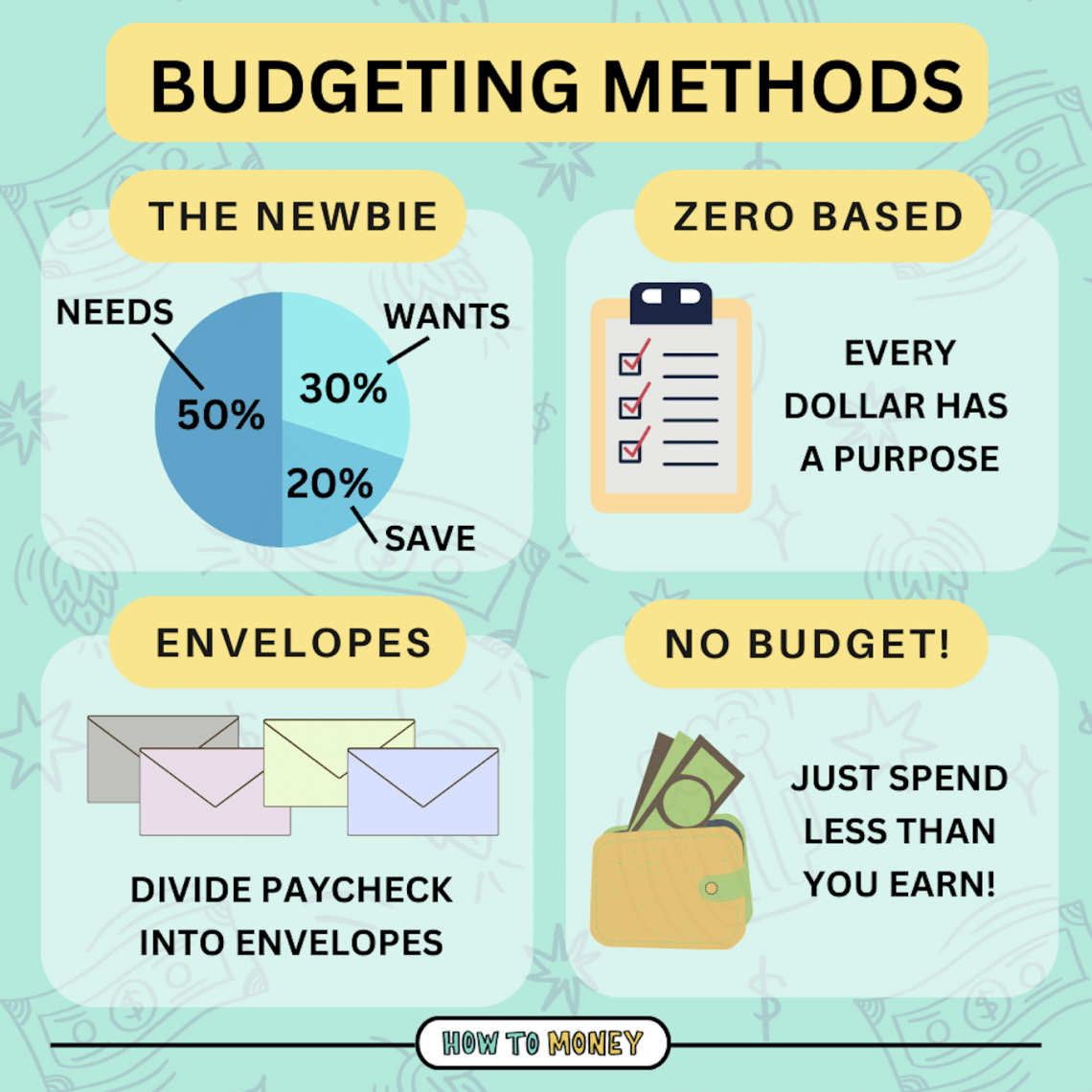
The 50/30/20 Rule
This popular and straightforward budgeting framework offers a great starting point, especially for beginners. It suggests dividing your net income into three main categories:
- 50% for Needs: This covers essential living expenses like housing (rent/mortgage), utilities, groceries, transportation, insurance, and minimum debt payments. These are costs you cannot reasonably avoid.
- 30% for Wants: This category includes discretionary spending that improves your quality of life but isn’t strictly necessary for survival. Examples include dining out, entertainment, subscriptions (streaming services, gym memberships), travel, and shopping for non-essentials.
- 20% for Savings & Debt Repayment: This crucial portion is dedicated to building your emergency fund, retirement contributions, investing, and any extra payments towards high-interest debt (beyond the minimums included in “Needs”).
The 50/30/20 rule provides a flexible guideline. You might adjust the percentages based on your specific circumstances (e.g., higher debt might mean a 50/20/30 split). The core idea is to prioritize savings and debt repayment while ensuring your needs are met and there’s still room for enjoyment.
Zero-Based Budgeting
Zero-based budgeting is a rigorous approach where every dollar of your income is assigned a specific job – either to be spent or saved. At the end of the month, your income minus your expenses and savings should ideally equal zero. This method demands precision and proactive planning but offers unparalleled control and awareness over your money.
To implement zero-based budgeting:
- List all your net income for the month.
- Allocate every dollar to a specific category (e.g., rent, groceries, student loan, savings, entertainment).
- Adjust as needed. If you have money left over, assign it to a category (e.g., extra debt payment, savings goal). If you’re over budget, find areas to cut back.
The benefit of this method is that it forces you to be intentional with your money, preventing “mystery spending” where you wonder where your money disappeared to. It creates a powerful sense of ownership over your finances.
Envelope System (Cash Budgeting)
A classic method, the envelope system is particularly effective for managing variable spending categories like groceries, dining out, and entertainment. Once you’ve allocated a specific amount for these categories, you withdraw that cash at the beginning of the month (or week) and place it into designated physical envelopes. When the cash in an envelope is gone, you stop spending in that category until the next budgeting period.
While traditionally a cash-based system, you can adapt this digitally using budgeting apps that allow you to set spending limits for categories and track them in real-time. The core principle remains: once the allocated funds are depleted, you pause spending in that area. This system builds strong self-discipline and provides immediate, tangible feedback on your spending.
The Pay-Yourself-First Principle
Regardless of the budgeting method you choose, adopting the “pay yourself first” principle is paramount for successful saving. This means making saving an absolute priority, not an afterthought. Instead of waiting to see what’s left at the end of the month to save, you earmark a portion of your income for savings and investments as soon as you receive your paycheck.
Automating this process is key. Set up automatic transfers from your checking account to your savings, investment, or retirement accounts on or just after your payday. Even small, consistent contributions add up significantly over time thanks to the power of compound interest. This simple shift in mindset ensures that your financial future is always a priority.
Smart Saving Strategies: Building Your Financial Buffer and Future Wealth
Budgeting lays the groundwork, but active saving strategies are what truly build your financial resilience and pave the way for long-term wealth accumulation. Saving isn’t just about putting money aside; it’s about strategic planning and consistent execution.

Setting Clear Financial Goals
Saving without a purpose can feel aimless and demotivating. Clear, well-defined financial goals provide the motivation and direction you need. Categorize your goals into:
- Short-term goals (0-2 years): Emergency fund, vacation, new gadget, minor home repair.
- Mid-term goals (2-5 years): Down payment for a car, major home renovation, significant debt reduction, continuing education.
- Long-term goals (5+ years): Down payment for a house, retirement, child’s education, starting a business.
For each goal, make it SMART:
- Specific: What exactly are you saving for?
- Measurable: How much do you need?
- Achievable: Is it realistic given your income and budget?
- Relevant: Does it align with your values and priorities?
- Time-bound: When do you want to achieve it by?
Having specific targets makes saving tangible and helps you allocate funds more effectively.
Establishing an Emergency Fund
This is arguably the most critical saving goal. An emergency fund is a stash of readily accessible cash specifically reserved for unexpected life events, such as job loss, medical emergencies, car repairs, or unforeseen home repairs. Without an emergency fund, these events often lead to taking on high-interest debt, derailing your financial progress.
Aim to save at least three to six months’ worth of essential living expenses. If you have dependents or a less stable income, you might aim for even more (e.g., 9-12 months). Keep this money in a separate, easily accessible, high-yield savings account – separate from your checking account to avoid accidental spending, but liquid enough to access quickly when needed. It’s not meant for investment; its primary purpose is peace of mind and financial protection.
Automating Your Savings and Investments
As mentioned with the “pay yourself first” principle, automation is your most powerful ally in saving. Set up recurring transfers from your checking account to:
- Emergency Fund: A fixed amount transferred automatically with each paycheck.
- Retirement Accounts: Maximize contributions to employer-sponsored plans like a 401(k) (especially if there’s an employer match – it’s free money!) or individual retirement accounts (IRAs).
- Brokerage Accounts: For long-term investment goals beyond retirement.
- Specific Savings Accounts: For your short and mid-term goals (e.g., “Vacation Fund,” “Down Payment Fund”).
Automation removes the temptation to spend money before you save it and ensures consistent progress towards your financial goals without requiring constant conscious effort.
Strategic Debt Repayment
While saving often implies accumulating assets, strategically paying down high-interest debt is a form of saving because it frees up future income and prevents exorbitant interest charges. Think of every dollar you pay towards high-interest debt as a guaranteed return on investment equal to that interest rate.
Two popular methods for debt repayment include:
- Debt Snowball: Pay off the smallest debt first to gain psychological momentum, while making minimum payments on others. Once the smallest is paid, roll that payment amount into the next smallest debt.
- Debt Avalanche: Focus on paying off the debt with the highest interest rate first, while making minimum payments on others. This method saves you the most money on interest in the long run.
Choose the method that best suits your motivation and stick to it rigorously. Eliminating debt not only saves you money but also frees up a significant portion of your income that can then be redirected to pure savings and investments.
Optimizing Your Budget and Maximizing Savings
Budgeting and saving are not static activities; they are dynamic processes that require regular review and adjustment. Life changes, incomes fluctuate, and priorities shift. To truly maximize your financial potential, you need to cultivate a habit of continuous optimization.
Reviewing and Adjusting Your Budget Regularly
Your budget should be a living document, not a rigid set of rules etched in stone. At least once a month, and ideally quarterly, sit down to review your spending, compare it against your budget, and make necessary adjustments.
- Identify discrepancies: Did you overspend in certain categories? Why?
- Reallocate funds: If one area was under budget, can that extra money be moved to savings or another goal?
- Account for life changes: Did you get a raise? Have a new expense (e.g., baby, new pet)? Did your rent go up? Your budget needs to reflect these realities.
Regular reviews help you stay on track, prevent financial surprises, and ensure your budget continues to align with your current financial situation and goals.
Cutting Unnecessary Expenses
Once you’ve tracked and categorized your spending, you’ll likely uncover “leakage” – small, often unnoticed expenses that drain your budget. This is where you can be proactive about cutting back.
- Subscription Audit: Review all your monthly subscriptions (streaming services, apps, gym memberships). Are you using them all? Can you cancel or downgrade some?
- Meal Planning: Eating out frequently is a major budget killer. Plan your meals, buy groceries wisely, and pack lunches.
- Energy Efficiency: Small changes at home (LED bulbs, smart thermostat, unplugging electronics) can reduce utility bills.
- Comparison Shopping: For insurance, internet, cell phone plans – regularly shop around for better deals.
- Identify “Wants” vs. “Needs”: Be honest with yourself. Can you delay or reduce spending on non-essentials for a period to boost your savings?
Even small cuts, consistently applied, can free up significant funds for savings over time.
Increasing Your Income Streams
While cutting expenses is crucial, there’s often a limit to how much you can cut without impacting your quality of life. Increasing your income, however, has virtually no upper limit.
- Negotiate a Raise: If you’re performing well, advocate for higher compensation at your current job.
- Side Hustles: Explore ways to earn extra money outside your primary job. This could be freelancing, consulting, driving for a ride-share service, selling handmade goods, or monetizing a hobby.
- Sell Unused Items: Declutter your home and sell items you no longer need on online marketplaces.
- Skill Development: Invest in learning new skills that can lead to higher-paying job opportunities or more lucrative side gigs.
Any extra income earned, especially if directed straight to savings or debt repayment, can dramatically accelerate your financial progress.
Utilizing Financial Tools and Technology
In the digital age, a plethora of tools and apps are available to simplify budgeting and saving.
- Budgeting Apps: Apps like Mint, YNAB (You Need A Budget), Personal Capital, and PocketGuard offer features like automatic transaction categorization, net worth tracking, goal setting, and real-time spending alerts.
- High-Yield Savings Accounts: Online banks often offer significantly higher interest rates on savings accounts compared to traditional brick-and-mortar banks, helping your emergency fund grow faster.
- Investment Platforms: Robo-advisors (e.g., Betterment, Wealthfront) can automate investing for you based on your risk tolerance, making it easier to start building wealth.
- Cash-Back/Rewards Credit Cards: When used responsibly and paid off in full each month, these can offer small but useful returns on your spending.
While technology can be a powerful aid, remember that these are just tools. The underlying discipline and understanding of your finances remain the most important elements.

Conclusion
The journey to financial mastery begins with a single step: taking control of your money through diligent budgeting and strategic saving. It’s not a magical overnight transformation but a continuous process that demands consistency, self-awareness, and a willingness to adapt. By understanding your income, meticulously tracking your expenses, crafting a budget that suits your lifestyle, and implementing smart saving strategies, you empower yourself to make intentional financial decisions.
Embrace the discipline, celebrate your small wins, and don’t be discouraged by occasional setbacks. Every dollar saved, every debt payment made, and every conscious spending choice moves you closer to financial freedom, security, and the ability to achieve your most ambitious life goals. Start today, stay committed, and watch as your financial landscape transforms, bringing with it a profound sense of peace and possibility.
aViewFromTheCave is a participant in the Amazon Services LLC Associates Program, an affiliate advertising program designed to provide a means for sites to earn advertising fees by advertising and linking to Amazon.com. Amazon, the Amazon logo, AmazonSupply, and the AmazonSupply logo are trademarks of Amazon.com, Inc. or its affiliates. As an Amazon Associate we earn affiliate commissions from qualifying purchases.