
Bringing a beloved feline companion along for air travel isn’t merely a logistical challenge; it’s a significant financial undertaking that demands meticulous planning and foresight. Far from being a simple matter of buying an extra ticket, transporting a cat by air involves a complex web of fees, regulatory costs, and potential unexpected expenses that can quickly accumulate. For pet owners considering this option, understanding the financial landscape is paramount to a smooth, stress-free, and economically sound journey. This guide delves into the monetary aspects of flying with your cat, transforming the practical steps into a strategic financial roadmap for responsible pet travel.
The Financial Foundation: Initial Budgeting and Research
Before even considering booking a flight, the cornerstone of successful pet travel lies in a thorough financial assessment and detailed research. This initial phase dictates the overall cost efficiency and preparedness for the journey ahead.
Weighing the Costs: Travel vs. Alternative Pet Care
The very first financial decision is whether flying with your cat is indeed the most cost-effective and practical option. The alternative, leaving your cat at home, presents its own set of expenses:
- Professional Pet Sitters: Rates can vary significantly based on frequency, duration, and services provided (e.g., daily visits, overnight stays). A comprehensive analysis of local pet sitting services, often ranging from $20-$50 per visit or $60-$100+ per night, should be undertaken for the duration of your trip.
- Boarding Facilities: Catteries or pet hotels charge daily rates, typically from $25-$70, often with additional fees for medications, special diets, or extra playtimes. The cumulative cost over a long trip can rival, or even exceed, the expense of bringing your cat along, particularly for domestic travel.
- Friends/Family Care: While seemingly free, this option might involve hidden costs, such as providing food, litter, or even a small gift as a thank you, and relies on the availability and reliability of your support network.
By comparing these figures against the projected costs of air travel for your cat, you can make an informed financial decision tailored to your specific circumstances and trip duration. It’s a critical cost-benefit analysis that sets the stage for your entire financial plan.
Decoding Airline Pet Policies and Fees
Airline pet policies are notoriously intricate and vary dramatically between carriers, routes, and even aircraft types. Each variation often translates directly into different financial implications.
- Cabin vs. Cargo: The most significant cost differentiator is whether your cat can travel in the cabin with you or must go as checked baggage in the cargo hold.
- In-Cabin Fees: Generally ranging from $100-$175 per one-way flight for domestic travel and often higher for international routes, these fees are usually paid at check-in. While seemingly expensive, in-cabin travel often presents fewer overall financial risks due to direct supervision and reduced potential for delays or issues compared to cargo.
- Cargo Fees: Significantly more expensive, cargo fees can range from $200-$500+ one-way, depending on the pet’s size, carrier dimensions, and destination. These fees also often include additional charges for handling, specific climate-controlled environments, or layovers. It’s crucial to understand that these fees are non-refundable even if your travel plans change or your pet is denied boarding for non-compliance.
- Weight and Size Restrictions: Airlines impose strict limits on the combined weight of your pet and its carrier, particularly for in-cabin travel. Exceeding these limits, even by a small margin, will force your cat into cargo, incurring substantially higher fees and potential last-minute financial stress if you haven’t budgeted for it. Similarly, carrier dimensions must precisely fit under the seat in front of you; a non-compliant carrier means additional costs for a new one or forced cargo travel.
- Route and Destination-Specific Rules: International travel, in particular, comes with a labyrinth of regulations that often carry associated costs. Quarantine fees, import permits, and customs duties can add hundreds, if not thousands, of dollars to your budget, depending on the destination country. Researching these costs before booking is non-negotiable.
Veterinary Expenses: A Non-Negotiable Investment
Your cat’s health is paramount, and ensuring they are fit for travel involves a series of mandatory veterinary expenses. These are not optional but essential investments in your pet’s well-being and compliance with airline and destination regulations.
- Health Certificates: Most airlines and destinations require a health certificate issued by a licensed veterinarian within a specific timeframe (often 10 days) of travel. The cost for this examination and documentation can range from $50-$150. For international travel, the certificate often needs endorsement by a government agency, adding another $30-$100+ fee.
- Vaccinations and Parasite Control: Ensuring your cat is up-to-date on all required vaccinations (e.g., rabies, FVRCP) is a baseline requirement. If your cat needs boosters or new vaccinations, factor in the cost per shot, typically $20-$50 each. Additionally, some destinations require specific parasite treatments (e.g., tapeworm) administered by a vet, incurring further costs.
- Microchipping: Many international destinations mandate ISO-compliant microchips for identification. If your cat isn’t chipped, or has a non-compliant one, this essential procedure costs around $40-$70.
- Sedation Consultation: While often discouraged by veterinarians for air travel due to potential respiratory and cardiovascular problems at altitude, some owners might consider calming aids. A consultation for such options and any prescribed medication would add to the vet bill.
- Pre-Travel Check-ups: An overall wellness check-up, while not always mandatory, is a financially prudent step to ensure your cat is healthy enough for the stress of travel, potentially averting costly emergencies mid-trip.
Strategic Spending on Essential Travel Gear
Beyond the official fees and veterinary requirements, investing in the right equipment is crucial for your cat’s safety and comfort, and meeting airline compliance. Skimping here can lead to financial penalties or denial of boarding.
Carrier Procurement: Balancing Cost and Compliance
The choice of pet carrier is not just about comfort; it’s a direct financial gateway to airline compliance.
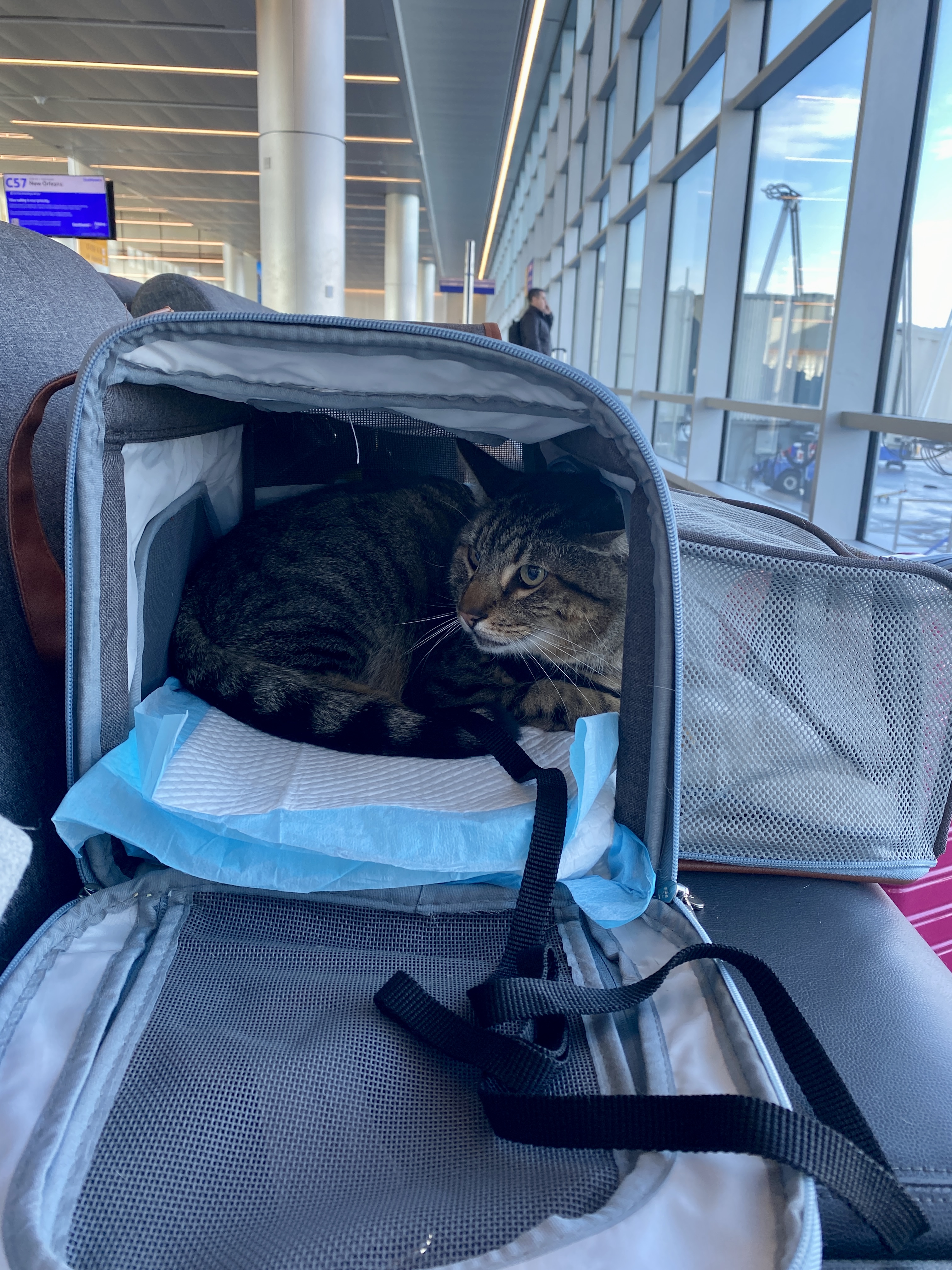
- In-Cabin Carriers: Soft-sided carriers designed to fit under an airline seat typically range from $40-$100. Key financial considerations include:
- Compliance: Investing in a carrier that exactly meets the dimensions specified by your airline prevents last-minute purchases at the airport (often at inflated prices) or, worse, being forced to check your cat as cargo.
- Durability and Features: While cheaper carriers exist, a sturdier, well-ventilated carrier with an internal leash clip and leak-proof bottom is a better investment, ensuring the carrier lasts and prevents costly messes or escapes.
- Cargo Carriers (Hard-Sided Crates): These are more expensive, ranging from $80-$200+, and must meet IATA (International Air Transport Association) regulations for ventilation, labeling, and construction.
- Specific Requirements: IATA standards are rigorous, dictating material, door type, food/water dish attachment, and “LIVE ANIMAL” labeling. Non-compliant crates will be rejected, leading to the immediate need for a compliant replacement, often under time pressure and at a premium.
- Size for Comfort: While fitting the airline’s maximum dimensions, ensure the crate is large enough for your cat to stand, turn around, and lie down comfortably, avoiding potential welfare issues that could lead to vet bills post-flight.

Beyond the Basics: Comfort and Contingency Supplies
A budget for supplementary items contributes to both your cat’s welfare and your financial preparedness.
- Comfort Items: Absorbent pads for the carrier ($10-$20 per pack), familiar bedding, and favorite toys can minimize stress. While seemingly small costs, these contribute to a smoother journey and potentially prevent stress-related health issues that would incur vet costs.
- Food and Water Management: A small bag of your cat’s usual food, portable water bowls ($5-$15), and leak-proof water dispensers for the carrier are essential. Disrupting your cat’s diet or providing unfamiliar water can lead to digestive upset, potentially requiring veterinary intervention.
- Identification: Securely attaching your contact information to the carrier and ensuring your cat wears an ID tag with current details is a critical, low-cost investment that can prevent the potentially devastating and expensive scenario of a lost pet. A GPS tracker for pets (around $30-$100) can offer additional peace of mind, though check if it interferes with airline systems.
- Emergency Fund for Delays: Delays, diversions, or cancellations are a common reality of air travel. Having a dedicated emergency fund (e.g., $100-$300) to cover unexpected overnight stays in pet-friendly hotels, emergency food purchases, or even a last-minute vet visit due to travel stress is a wise financial buffer.
Optimizing Flight Bookings for Pet Travel
Booking your flight with a cat involves more than just finding the cheapest fare; it requires strategic financial decisions to secure your pet’s spot and mitigate potential extra costs.
Securing Your Cat’s Spot: The Cost of Early Reservation
Unlike human passengers, pet spots on flights are severely limited, especially in the cabin.
- Limited Availability: Most airlines restrict the number of pets allowed in the cabin per flight (often 2-4 pets). Waiting until the last minute can mean all spots are taken, forcing you to choose a more expensive flight, a different airline, or worse, leaving your cat behind.
- Booking Fees: While the pet fee itself is usually paid at check-in, the ability to bring your pet is secured upon booking. Confirming pet availability before purchasing your ticket, and then immediately calling the airline to reserve your cat’s spot, is crucial. Some airlines might even charge a small reservation fee to hold the spot, which is a worthwhile investment.
- Flexibility and Price: Being flexible with your travel dates and times can sometimes allow you to find flights with pet availability at a lower overall cost. Early morning or late-night flights often have fewer passengers and potentially more pet spots.
Navigating Fare Structures and Pet-Specific Surcharges
Understanding the nuances of ticket pricing and how it intersects with pet travel can save you money.
- Connecting Flights and Layover Costs: Each flight segment often incurs a separate pet fee. A direct flight, even if slightly more expensive upfront, can be significantly cheaper than a connecting flight with multiple pet fees. Long layovers can also necessitate additional costs for pet relief areas at airports or even an overnight pet-friendly hotel.
- Airline Loyalty Programs and Credit Cards: Some premium credit cards or airline loyalty tiers might offer discounts on pet fees or allow you to use points for travel that accommodates pets. Researching these benefits can yield tangible savings.
- Travel Agents Specializing in Pet Travel: While an added cost, a specialized pet travel agent can navigate complex international regulations, secure necessary permits, and often identify the most cost-effective and pet-friendly routes, potentially saving you from expensive errors or rebookings. Their service fee (often a few hundred dollars) can be an investment that prevents greater losses.
- Cancellation and Change Fees: Understand the airline’s policy regarding pet fee refunds or transfers if you need to change your flight. Some airlines do not refund pet fees, even if the human ticket is refundable, representing a sunk cost if plans alter.
Managing On-the-Ground Finances and Contingencies
The financial implications of flying with a cat don’t end when the plane lands. Planning for post-flight expenses and potential emergencies is essential.
Post-Flight Expenses: Accommodation and Transportation
Upon arrival, your financial considerations shift to local logistics.
- Pet-Friendly Accommodation: Reserving pet-friendly hotels or vacation rentals is crucial, and these often come with additional nightly pet fees (ranging from $15-$100 per night) or non-refundable cleaning deposits. Factor these into your overall travel budget. Failing to do so could leave you scrambling for last-minute, potentially overpriced options or even sleeping in your car.
- Ground Transportation: Airport taxis, ride-shares, or public transport might not accommodate pets or may charge extra. Pre-booking a pet-friendly airport transfer service, while potentially more expensive than a standard taxi, guarantees transport and avoids costly delays or refusal of service. Consider the cost of renting a car that allows pets if your destination requires extensive local travel.
The Value of Pet Travel Insurance and Emergency Funds
Despite meticulous planning, unforeseen circumstances can arise, making financial contingency planning invaluable.
- Pet Travel Insurance: While less common than human travel insurance, some providers offer riders or specialized policies that cover pet-related emergencies during travel. This can include emergency veterinary care due to illness or injury sustained during transit, or even compensation for lost or stolen pets. Reviewing policies and their costs (typically a percentage of your total trip cost or a flat fee) is a prudent step for mitigating financial risk.
- Dedicated Emergency Fund: As mentioned, a separate emergency fund is critical. This fund acts as a safety net for any situation not covered by insurance or beyond your initial budget. This could be for:
- Unforeseen Veterinary Care: If your cat becomes ill or injured at your destination.
- Extended Stays: Due to flight cancellations, requiring additional nights in pet-friendly accommodation.
- Loss of Carrier/Pet Supplies: Needing to replace essential items.
- Quarantine Expenses: If unexpected quarantine is imposed due to unforeseen circumstances or misinterpretations of regulations.
- Access to Funds: Ensure you have readily accessible funds – whether cash, a dedicated credit card, or easy access to your emergency savings – to handle immediate needs without financial strain.
Bringing a cat on a plane is a complex endeavor that requires significant financial foresight and disciplined budgeting. From the initial decision-making and veterinary preparation to navigating airline policies, strategic booking, and managing ground logistics, every step has a monetary component. By diligently researching, meticulously planning, and creating robust financial contingencies, pet owners can ensure their beloved feline’s journey is not only safe and comfortable but also financially manageable, turning a potentially stressful experience into a rewarding adventure.
aViewFromTheCave is a participant in the Amazon Services LLC Associates Program, an affiliate advertising program designed to provide a means for sites to earn advertising fees by advertising and linking to Amazon.com. Amazon, the Amazon logo, AmazonSupply, and the AmazonSupply logo are trademarks of Amazon.com, Inc. or its affiliates. As an Amazon Associate we earn affiliate commissions from qualifying purchases.