
In an increasingly digital world, the process of booking a flight has been utterly transformed by technology. Gone are the days of reliance on brick-and-mortar travel agencies or phone calls to airline representatives. Today, the power to research, compare, and secure airfare lies firmly in the hands of the traveler, empowered by an array of sophisticated online tools, mobile applications, and advanced digital platforms. Understanding how to effectively navigate this technological landscape is not just about convenience; it’s about making informed decisions, optimizing costs, and ensuring a secure and seamless travel planning experience. This comprehensive guide will walk you through the tech-driven essentials of flight booking, from choosing the right platform to leveraging cutting-edge tools and safeguarding your digital footprint.

1. Navigating the Digital Landscape of Flight Booking
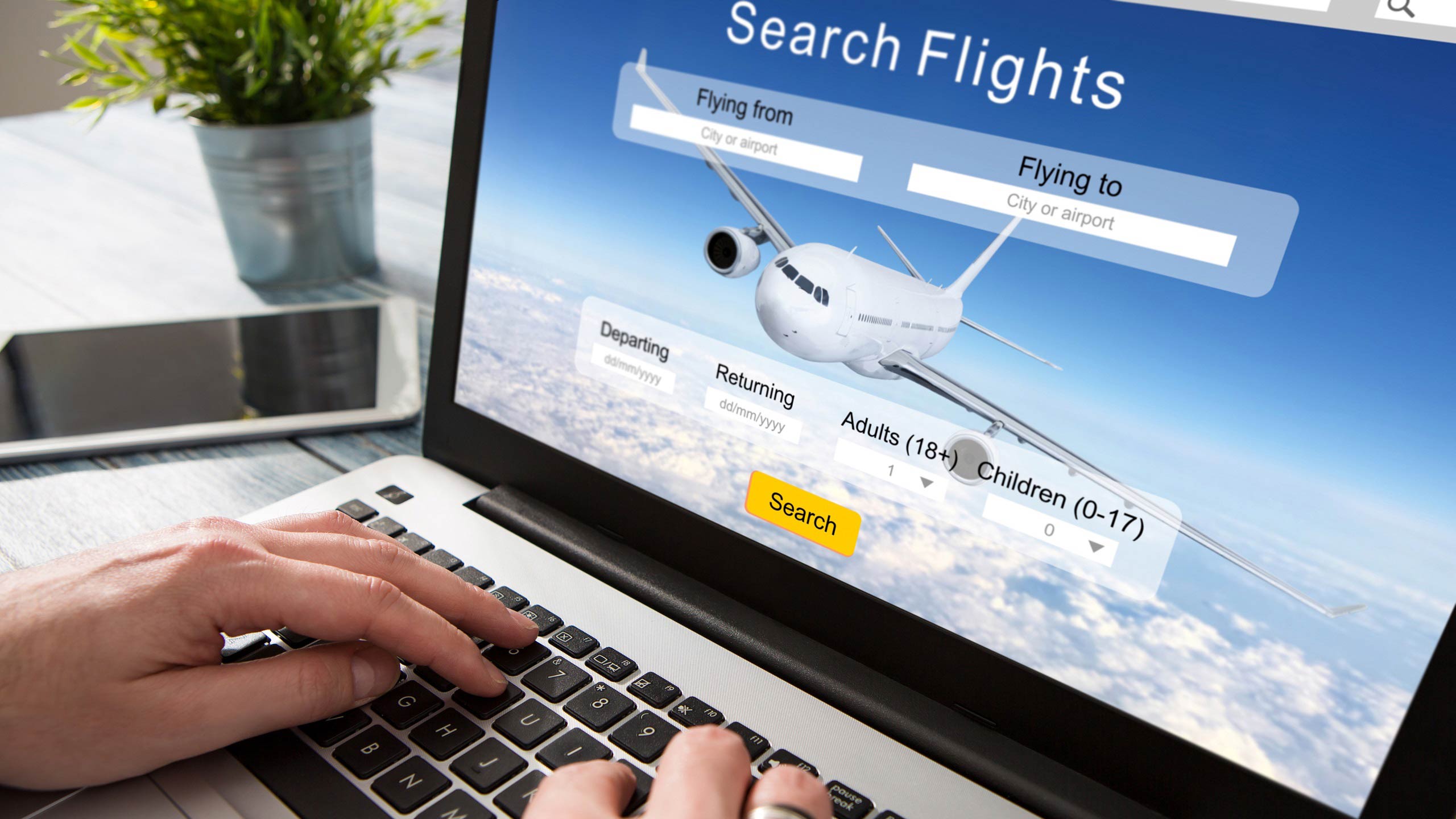
The first step in mastering flight booking is understanding the diverse ecosystem of platforms available. Each type of platform offers unique advantages, and a savvy traveler often employs a combination of them to find the best deals and itineraries.
1.1. Airline Official Websites vs. Online Travel Agencies (OTAs)
When you decide to book a flight, your primary choices will typically be either directly through an airline’s official website or via an Online Travel Agency (OTA).
-
Airline Official Websites: Booking directly with an airline (e.g., Delta.com, United.com, Emirates.com) often provides the most direct communication channel for itinerary changes, special requests, and loyalty program benefits. You’re typically subject only to the airline’s terms and conditions, simplifying customer service if issues arise. Moreover, some exclusive deals, upgrades, or specific fare types might only be available directly from the airline.
-
Online Travel Agencies (OTAs): Platforms like Expedia, Priceline, Kayak, or Skyscanner act as intermediaries, aggregating flights from multiple airlines. Their strength lies in their ability to compare vast numbers of routes and prices across different carriers simultaneously, often presenting options you might not discover by checking individual airline sites. While they offer convenience and comparison, customer service can sometimes be more complex if you need to make changes, as you’re dealing with the OTA rather than the airline directly. It’s crucial to understand their cancellation and change policies before booking.
1.2. The Power of Flight Comparison Engines
Beyond OTAs, dedicated flight comparison engines (often integrated into or separate from OTAs like Google Flights, Skyscanner, Momondo) represent a powerful technological leap in price discovery. These platforms scan hundreds of airline and OTA websites in real-time to present you with a wide range of options, sorted by price, duration, or other criteria. Their sophisticated algorithms are designed to find the cheapest combinations of flights, even allowing for “multi-city” or “open-jaw” itineraries that can sometimes reduce costs significantly. Many also offer flexible date searches, allowing you to see price variations across weeks or months, a feature invaluable for budget-conscious travelers.
1.3. Leveraging Mobile Apps for On-the-Go Booking
The rise of smartphones has revolutionized flight booking, making it an entirely mobile-first experience for many. Almost every major airline and OTA offers dedicated mobile applications. These apps often provide:
-
Streamlined Booking: Optimized interfaces for touchscreens, making the booking process quick and intuitive.
-
Real-time Notifications: Instant updates on price drops, gate changes, delays, or cancellations.
-
Digital Boarding Passes: Conveniently stored on your device, eliminating the need for paper.
-
In-app Management: Easy access to your itinerary, seat selection, and ability to manage bookings directly from your phone.
-
Exclusive Mobile Deals: Some airlines or OTAs occasionally offer special promotions only accessible through their apps.
2. Mastering the Booking Process: Step-by-Step Tech Guidance
Once you’ve chosen your preferred platform, the actual booking process itself involves several key technological interactions designed to gather your preferences and ensure a smooth transaction.
2.1. Inputting Search Criteria: Beyond Dates and Destinations
Modern booking engines offer far more flexibility than simply inputting origin and destination.
-
Flexible Dates: Utilize “flexible dates” or “calendar view” features to identify the cheapest days to fly, often revealing significant savings.
-
Nearby Airports: Many platforms allow you to search for flights from or to “nearby airports,” expanding your options and potentially finding better deals.
-
Multi-city/Stopover Options: Don’t limit yourself to round-trip or one-way. Explore multi-city options if you plan to visit several destinations, or consider stopovers for longer journeys, which can sometimes be more economical or allow for a mini-vacation.
-
Cabin Class: Clearly define your preferred cabin class (Economy, Premium Economy, Business, First) from the outset to filter results appropriately.
2.2. Understanding Fare Classes and Baggage Policies
Technology helps demystify complex airline policies. During the selection process, look for clear indications of “fare class” or “fare rules.” These define what’s included in your ticket:
-
Baggage Allowance: Most platforms clearly state whether checked bags are included, if carry-on restrictions apply, or if additional fees will be charged. Pay close attention, as basic economy fares often exclude checked bags and sometimes even full-sized carry-ons.
-
Change/Cancellation Policies: The technology often displays the flexibility of your chosen fare, indicating whether changes are permitted, if fees apply, or if the ticket is non-refundable. This is crucial for travelers needing flexibility.
-
Seat Selection: Some fares include complimentary seat selection, while others charge a fee or assign seats at check-in. The booking platform will usually prompt you for seat selection or indicate its availability.
2.3. Personalization and Add-ons: What to Expect
As you proceed, booking platforms will typically offer a range of add-ons, from travel insurance to car rentals and hotel bookings. While convenient, review these carefully:
-
Ancillary Services: This includes options like extra legroom seats, in-flight Wi-Fi, meal upgrades, or priority boarding. Understand what you truly need versus what’s being upsold.
-
Travel Insurance: Often offered during the booking process, travel insurance can be valuable but compare prices and coverage from independent providers before committing to the one offered by the airline or OTA.
-
Bundles: Some platforms offer “flight + hotel” or “flight + car” bundles, which can sometimes provide savings, particularly for vacation packages.
2.4. Secure Payment Gateways and Confirmation
The final and most critical step is payment. Technology ensures this process is secure:
-
SSL Encryption: Always ensure the website uses SSL encryption (look for “https://” in the URL and a padlock icon), which encrypts your data during transmission.
-
Payment Methods: Most platforms accept major credit cards, and many now support digital wallets like Apple Pay or Google Pay, offering an additional layer of security by tokenizing your card details.
-
Confirmation: Upon successful payment, you’ll receive an instant confirmation email containing your e-ticket number, flight details, and a booking reference code. Double-check all details and save this information securely.
3. Enhancing Your Booking Strategy with Advanced Tech Tools
Beyond the basic search and book functions, a suite of advanced technological tools can further refine your flight booking strategy, helping you save money and time.

3.1. Price Alerts and Prediction Tools
Several platforms leverage sophisticated algorithms and machine learning to offer price prediction and alert services.
-
Google Flights’ Price Graph: Shows historical price trends and advises whether to book now or wait.
-
Hopper App: Known for its “buy now or wait” predictions based on historical data. It also sends push notifications when prices for your desired route drop significantly.
-
Kayak Price Alerts: Allows you to set up email alerts for specific routes, notifying you when the fare changes.
These tools are invaluable for identifying the optimal booking window, helping travelers avoid booking when prices are high.
3.2. Incognito Browsing and VPNs for Price Optimization
A common piece of tech folklore, often with a grain of truth, suggests that airlines and OTAs track your browsing behavior using cookies and may subtly increase prices for routes you repeatedly search.
-
Incognito/Private Browsing Mode: Using your browser’s incognito or private mode prevents websites from storing cookies and tracking your activity, potentially presenting you with unbiased prices. While the direct impact is debated, it’s a simple, harmless precaution.
-
Virtual Private Networks (VPNs): A VPN encrypts your internet connection and masks your IP address, making it appear as though you are browsing from a different geographical location. Some travelers have reported finding different prices for the same flight when browsing from different countries, as airlines may offer varied pricing based on regional demand or economic conditions. This is a more advanced technique but can sometimes yield savings.
3.3. Exploring Loyalty Programs and Miles Management Systems
For frequent flyers, loyalty programs are an integral part of the tech booking ecosystem. Airlines provide online portals and apps to manage loyalty points (miles), track status, and redeem rewards.
-
Dedicated Portals: These digital platforms allow you to view your points balance, explore redemption options (flights, upgrades, merchandise), and link partner programs.
-
Miles Calculators: Many airline sites feature tools to estimate how many miles you’ll earn on a given flight or how many miles are required for a free flight.
-
Third-party Trackers: Apps and websites like AwardWallet help you track points and miles across multiple loyalty programs, consolidating your travel rewards information in one digital location.
4. Ensuring Digital Security and Privacy During Online Bookings
Booking flights online involves sharing sensitive personal and financial information. Protecting this data is paramount. Technology offers several safeguards and best practices for secure transactions.
4.1. Identifying Secure Websites and Payment Methods
Before entering any personal data, always verify the website’s security.
-
HTTPS Protocol: Look for “https://” in the website’s URL and a padlock icon in the browser bar. This indicates that your connection to the site is encrypted, protecting your data from eavesdropping.
-
Reputable Platforms: Stick to well-known airlines, OTAs, and comparison sites. Be wary of unknown sites offering deals that seem too good to be true, as they could be phishing attempts.
-
Secure Payment Gateways: Reputable sites use secure payment gateways. While making a payment, ensure the page remains secure and look for recognizable payment logos like Verified by Visa, Mastercard SecureCode, or PayPal.
4.2. Protecting Personal Data and Payment Information
Beyond website security, your personal practices play a crucial role.
-
Strong, Unique Passwords: Use complex, unique passwords for your airline and travel accounts. Consider a password manager tool to securely store these.
-
Avoid Public Wi-Fi for Transactions: Public Wi-Fi networks are often unencrypted and vulnerable to attackers. If you must book on public Wi-Fi, use a VPN to encrypt your connection.
-
Review Privacy Policies: Although often overlooked, take a moment to understand how the platform intends to use and store your personal data.
4.3. Best Practices for Account Security
Once your booking is complete, continue to maintain digital hygiene.
-
Two-Factor Authentication (2FA): Enable 2FA on your airline and OTA accounts whenever possible. This adds an extra layer of security, requiring a code from your phone in addition to your password.
-
Monitor Bank Statements: Regularly check your credit card and bank statements for any unauthorized transactions after booking.
-
Phishing Awareness: Be vigilant about phishing emails or texts purporting to be from airlines or OTAs, especially those asking for personal details or payment information. Always go directly to the official website if you suspect a scam.
5. The Future of Flight Booking: Emerging Technologies
The landscape of flight booking is continually evolving, with new technologies promising even greater efficiency, personalization, and security.
5.1. AI-Powered Travel Assistants and Chatbots
Artificial intelligence is increasingly integrated into booking platforms.
-
Personalized Recommendations: AI algorithms analyze your travel history, preferences, and browsing behavior to offer highly personalized flight recommendations, often predicting what you might like even before you search.
-
Intelligent Chatbots: Many airlines and OTAs now employ AI-driven chatbots to handle customer queries, assist with booking modifications, or provide real-time flight status updates, offering instant support without human intervention.
-
Dynamic Pricing: AI tools are constantly adjusting flight prices based on demand, historical data, and even external factors, leading to highly dynamic and personalized pricing models.
5.2. Blockchain for Ticketing and Identity Verification
Blockchain technology, known for its decentralized and immutable ledger, holds significant promise for the travel industry.
-
Enhanced Security and Transparency: Blockchain could create tamper-proof digital tickets, reducing fraud and providing a transparent record of ownership.
-
Streamlined Identity Verification: Passengers could have a secure, verifiable digital identity on the blockchain, simplifying check-in and security processes across different airlines and airports.
-
Direct Distribution: Potentially cutting out intermediaries, blockchain could enable more direct bookings between passengers and airlines, leading to cost efficiencies and greater control.
5.3. Virtual Reality for Pre-Flight Experience
While not directly for booking, VR technology is starting to enhance the travel experience leading up to booking.
-
Immersive Cabin Previews: Some airlines are experimenting with VR to allow passengers to virtually experience different cabin classes, seats, and onboard amenities before making a booking decision. This offers a highly engaging way to compare options and manage expectations.
-
Destination Exploration: VR can also be used to virtually explore destinations, helping travelers decide where to go, which indirectly influences flight bookings.
In conclusion, booking a flight in the modern era is a sophisticated dance with technology. By understanding the digital tools at your disposal, from comparison engines and mobile apps to advanced AI-driven predictors and robust security protocols, you can transform a potentially complex task into an efficient, cost-effective, and secure experience. As technology continues to advance, the future promises even more innovative solutions, making travel planning more intelligent, personalized, and seamless than ever before. Staying informed about these technological trends is key to becoming a truly empowered global traveler.
aViewFromTheCave is a participant in the Amazon Services LLC Associates Program, an affiliate advertising program designed to provide a means for sites to earn advertising fees by advertising and linking to Amazon.com. Amazon, the Amazon logo, AmazonSupply, and the AmazonSupply logo are trademarks of Amazon.com, Inc. or its affiliates. As an Amazon Associate we earn affiliate commissions from qualifying purchases.