
The Financial Psychology of Travel Deals
Securing cheap air tickets often feels like cracking a complex code, but at its heart, it’s about understanding the financial dynamics that govern airline pricing. Airlines employ sophisticated revenue management strategies, constantly adjusting fares based on demand, competition, and booking patterns. As consumers, our goal is to navigate this system strategically, leveraging financial insights to our advantage.
Understanding Airline Pricing Algorithms
Airlines operate with dynamic pricing models, meaning ticket costs are rarely static. These algorithms analyze vast datasets, including historical booking trends, current demand for specific routes, competitor pricing, fuel costs, and even the type of device or location from which you’re browsing. The primary objective is to maximize revenue per seat. For the financially savvy traveler, this means recognizing that the price you see now might not be the price tomorrow, making timing and vigilance crucial. The earlier you book, generally, the more likely you are to capture a lower fare, as airlines offer initial seats at a lower price point to stimulate demand before incrementally increasing them as the flight fills up. Last-minute bookings, conversely, often incur premium prices as they cater to urgent, less price-sensitive travelers, though exceptions can occur for distressed inventory.
The Power of Flexibility (Dates & Destinations)
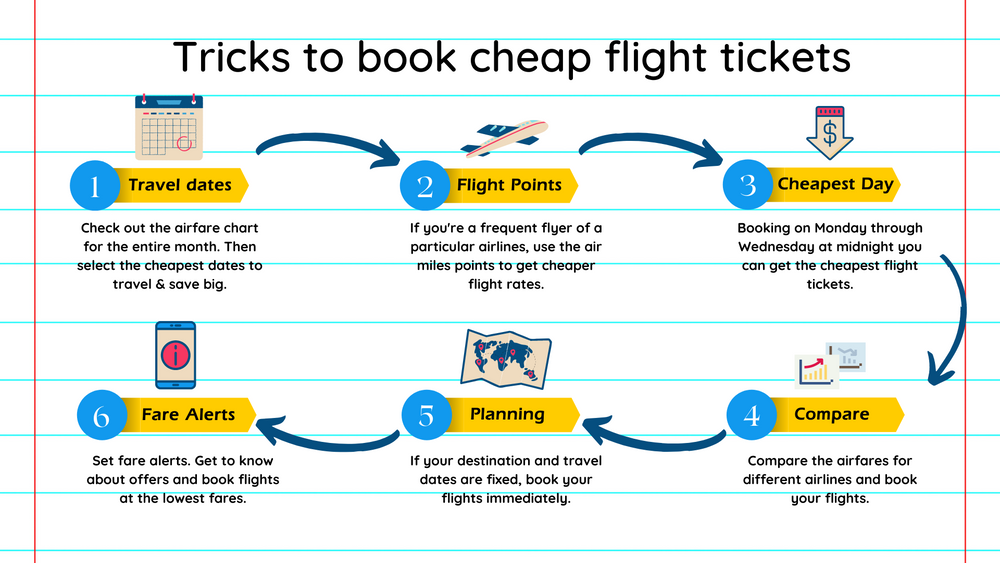
One of the most potent tools in a budget traveler’s financial arsenal is flexibility. Being adaptable with your travel dates, and even your destination, can unlock significant savings. Flying mid-week (Tuesdays, Wednesdays, and Thursdays) or on Saturday is frequently cheaper than flying on peak days like Fridays and Sundays. Similarly, traveling during the off-peak season for a destination — avoiding major holidays, school breaks, and popular summer months — can drastically reduce airfare costs, often by hundreds of dollars. The demand-supply curve dictates that when fewer people want to travel, prices drop. Financially, this means a willingness to adjust your calendar can yield substantial monetary rewards. Consider regional airports that might be slightly further from your final destination but offer significantly cheaper fares due to lower operating costs or less competition.
The Myth of Last-Minute Deals (and When They Do Happen)
The romantic notion of scooping up a fantastic last-minute flight deal is largely a myth for typical leisure travel. While distressed inventory — empty seats airlines need to fill — occasionally leads to price drops closer to departure, relying on this strategy is a gamble with poor odds for the average traveler. More often, last-minute tickets are among the most expensive, catering to business travelers or those with urgent needs. For budget-conscious individuals, planning ahead is almost always the financially sound approach. Booking 2-3 months out for domestic travel and 3-6 months for international travel generally yields the sweet spot for the best value. Exceptions might occur in very specific scenarios, like charter flights with unfilled seats or highly competitive routes, but these are rare enough not to form the basis of a reliable money-saving strategy.
Strategic Tools and Tactics for Maximum Savings
Navigating the multitude of flight options and price variations requires a strategic approach, utilizing both digital tools and smart booking tactics to optimize your financial outlay.
Leveraging Comparison Sites (and Their Limitations)
Flight comparison websites (e.g., Google Flights, Skyscanner, Kayak, Expedia) are indispensable financial tools for uncovering the best deals. They aggregate data from numerous airlines and online travel agencies (OTAs), allowing you to quickly compare prices across a broad spectrum. However, relying solely on them can be a pitfall. While excellent for an initial scan, always cross-reference the prices found on these aggregators with the airline’s official website. Airlines sometimes offer exclusive deals, discounts, or loyalty program benefits directly on their sites that aren’t pushed through third-party platforms. Moreover, some budget airlines intentionally don’t list their fares on aggregators, meaning you could miss out on a cheaper option by not checking directly. Understanding these financial nuances ensures you capture the most cost-effective ticket.
Incognito Mode and VPNs: A Financial Consideration?
The debate about whether browsing in incognito mode or using a VPN actually lowers flight prices persists. The theory is that airlines and OTAs track your browsing history and cookies, potentially increasing prices on routes you repeatedly search for, aiming to pressure you into booking. While concrete evidence remains elusive and many believe the impact is minimal, there’s no financial harm in trying. Using incognito mode ensures a fresh search slate, free from your past browsing data. A VPN can mask your geographical location, potentially displaying prices tailored to different markets, where the same flight might be cheaper due to varying economic conditions or regional promotions. For the diligent budget traveler, these are low-effort tactics worth exploring to prevent potential price inflation.
Price Alerts and Prediction Tools
Modern technology offers powerful financial allies in the form of price alerts and prediction tools. Services like Google Flights, Skyscanner, and Hopper allow you to set up alerts for specific routes and dates. You’ll receive email notifications when the fare drops, enabling you to act quickly. Some tools even incorporate predictive analytics, advising you whether to “buy now” or “wait” based on historical data and projected price trends. This removes the guesswork from booking timing, providing a data-driven approach to financially optimized purchasing. Leveraging these tools transforms a speculative purchase into a more informed financial decision, ensuring you don’t miss out on prime opportunities to save.
The Benefits of Budget Airlines (and Hidden Costs)
Budget airlines like Spirit, Ryanair, and AirAsia often offer exceptionally low base fares, making them highly attractive for cost-conscious travelers. However, a crucial financial analysis is required to understand the true cost. These carriers generate significant revenue through ancillary fees: checked baggage, carry-on baggage (beyond a small personal item), seat selection, priority boarding, in-flight meals, and even printing boarding passes at the airport. What initially appears as a €20 flight can quickly balloon to €100+ once all necessary add-ons are factored in. Always calculate the total estimated cost, including all potential fees, before booking a budget airline ticket. Sometimes, a full-service airline’s slightly higher base fare might offer better overall value when baggage and other amenities are included.

Connecting Flights vs. Direct: A Cost-Benefit Analysis
Direct flights offer convenience but often come with a premium price tag. Opting for flights with layovers can frequently result in significant financial savings. Airlines often price direct routes higher due to demand from business travelers or those willing to pay for speed. For leisure travelers with flexible schedules, a longer journey involving one or two stops can be a smart financial trade-off. However, consider the practical implications: increased travel time, potential for missed connections, and the added stress of navigating multiple airports. Conduct a personal cost-benefit analysis, weighing the monetary savings against the inconvenience and potential risks to determine if the financial advantage outweighs the logistical drawbacks for your specific trip.
Advanced Financial Strategies for the Savvy Traveler
Beyond basic booking tactics, certain advanced financial strategies can significantly reduce your travel costs, turning aspirational trips into achievable realities.
Capitalizing on Frequent Flyer Programs and Credit Card Rewards
Loyalty programs and travel-focused credit cards are potent financial instruments for accruing points and miles that can be redeemed for airfare.
- Frequent Flyer Programs: Join every airline’s loyalty program, even if you don’t fly them often. You can earn miles not just by flying but also through partner hotels, car rentals, and online shopping portals. These miles can translate into free flights or significant discounts.
- Travel Credit Cards: Many credit cards offer substantial sign-up bonuses (e.g., 50,000+ miles) after meeting initial spending requirements. Strategic use of these cards for everyday expenses can quickly accumulate enough points for free flights. Crucially, ensure you pay off your balance in full each month to avoid interest charges that would negate any travel rewards. Evaluate card benefits like free checked bags, lounge access, or annual travel credits, which can add significant financial value. Understanding point valuations (how much a point is “worth” in cash equivalent) allows you to make informed redemption decisions.
The “Hidden City” Ticket and Other Niche Tactics
“Hidden city” ticketing involves booking a flight with a layover in your actual desired destination, but where the final destination is somewhere else entirely. You then disembark at the layover city, discarding the final leg of the journey. This tactic exploits airline pricing structures where non-direct flights with a layover can sometimes be cheaper than a direct flight to the layover city. For example, a flight from A to C with a layover in B might be cheaper than a flight from A to B. Websites like Skiplagged specialize in finding these routes. However, this strategy comes with financial risks:
- No Checked Bags: Your luggage will likely be checked through to the final destination, so it’s only viable with carry-on.
- Airline Policy: Airlines frown upon this and can penalize passengers, potentially canceling future flights or forfeiting miles.
- Flight Changes: If the airline changes the flight routing, your layover city might change.
Use this tactic with extreme caution and full awareness of the potential financial and logistical consequences.
Error Fares and Price Glitches
Occasionally, airlines or OTAs make mistakes, leading to “error fares” or “price glitches” – exceptionally low fares due to human error or system malfunctions. These are rare but represent incredible financial opportunities. They typically last only a few hours before being corrected, so speed is of the essence. Subscribing to dedicated error fare alert services (e.g., Secret Flying, Flyertalk’s Mileage Run Deals forum) can keep you informed. If you find one, book immediately, but often wait a few days before making non-refundable hotel or activity reservations, as airlines sometimes cancel tickets if they deem the fare too egregious. Treat these as lottery wins rather than reliable strategies.
The Round-Trip vs. One-Way Conundrum
It’s a common assumption that round-trip tickets are always cheaper than two one-way tickets. While often true, this isn’t universally the case. Sometimes, booking two separate one-way tickets, potentially with different airlines, can be more cost-effective, especially for international travel or if you’re flying into one city and out of another (“open-jaw” itinerary). Always compare the total financial outlay of both options. Furthermore, for budget airlines, one-way tickets might be proportionally similar in price to round-trip fares. A thorough financial comparison is essential to determine the most economical booking strategy for your specific journey.
Budgeting for Air Travel: Beyond the Ticket Price
A truly cheap air ticket isn’t just about the base fare; it’s about the entire financial picture of your air travel experience. A comprehensive budget extends far beyond the number printed on your boarding pass.
Accounting for Ancillary Fees
The advertised price of a flight often represents only a fraction of the total cost. Ancillary fees—charges for checked luggage, even carry-on bags on budget carriers, seat selection, in-flight meals, Wi-Fi, priority boarding, and credit card processing fees—can significantly inflate your travel budget. Before booking, meticulously research the fee structure of your chosen airline, particularly if flying with a budget carrier. Factor these potential costs into your total travel budget. Pre-paying for luggage online is almost always cheaper than paying at the airport gate. Being aware of these additional expenses allows for a more accurate financial assessment of your trip and prevents unwelcome surprises.
Travel Insurance as a Financial Safeguard
While an additional upfront cost, travel insurance can be a financially prudent investment. It provides a safety net against unforeseen events that could otherwise lead to significant monetary losses, such as flight cancellations, unexpected medical emergencies abroad, lost luggage, or trip interruptions. Evaluate policies based on your specific travel needs, destination, and the non-refundable costs of your trip. For expensive international trips, or those with tight schedules, the cost of insurance is often far outweighed by the financial protection it offers against potential disasters. Consider whether your existing credit cards offer any inherent travel insurance benefits before purchasing a separate policy.

Managing Currency Exchange Rates
For international travel, fluctuating currency exchange rates can subtly impact the final cost of tickets purchased in foreign currencies, as well as all your expenses once at your destination. When buying tickets from foreign airline websites, ensure you understand the conversion rate applied by your bank or credit card. Opt for credit cards that offer no foreign transaction fees to avoid an additional 2-3% charge on your purchases. Monitoring exchange rates before booking and considering payment in the local currency of the airline (if offered) can sometimes yield minor savings. While often a smaller financial consideration compared to other factors, managing currency effectively contributes to overall budget control.
aViewFromTheCave is a participant in the Amazon Services LLC Associates Program, an affiliate advertising program designed to provide a means for sites to earn advertising fees by advertising and linking to Amazon.com. Amazon, the Amazon logo, AmazonSupply, and the AmazonSupply logo are trademarks of Amazon.com, Inc. or its affiliates. As an Amazon Associate we earn affiliate commissions from qualifying purchases.