
In an era defined by digital transformation, the act of booking an airline ticket has evolved from a transactional purchase into a sophisticated interplay with technology. What once involved phone calls to travel agents or visits to airline counters now unfolds on screens, powered by intricate algorithms, smart comparison tools, and robust digital security measures. Understanding how to navigate this tech-driven landscape is not just about convenience; it’s about empowerment, allowing travelers to make informed decisions, secure the best deals, and manage their journeys with unprecedented ease and efficiency. This guide delves into the technological backbone of modern flight booking, offering insights and strategies to master the digital ecosystem and leverage its full potential.

Navigating the Digital Ecosystem of Flight Bookings
The journey to securing an airline ticket begins within a vast digital ecosystem, a complex web of platforms designed to connect travelers with flights. Understanding the distinct roles and advantages of these various digital players is crucial for an optimized booking experience.
The Rise of Online Travel Agencies (OTAs)
Online Travel Agencies like Expedia, Priceline, Booking.com, and more specialized aggregators such as Kayak and Skyscanner, revolutionized travel planning by consolidating flight information from multiple airlines onto a single interface. These platforms act as digital marketplaces, allowing users to compare prices, routes, and schedules across numerous carriers simultaneously. Their strength lies in convenience, offering a one-stop shop for flights, hotels, car rentals, and even vacation packages. For many, OTAs are the default starting point due to their intuitive search functionalities, extensive filtering options, and the sheer breadth of inventory they present. However, it’s worth noting that while convenient, booking through an OTA might sometimes mean a slightly less direct line of communication with the airline itself should issues arise, and changes or cancellations might involve an additional layer of interaction with the agency.
Direct Airline Websites: The Power of the Source
While OTAs offer broad comparisons, booking directly through an airline’s official website often provides distinct advantages, especially for seasoned travelers or those with specific loyalty preferences. Direct booking ensures a direct relationship with the carrier, which can be invaluable for customer service, managing flight changes, and resolving unexpected issues. Airlines often offer exclusive deals, promotions, or bundle packages only available on their own platforms. Furthermore, direct bookings are the primary pathway to earning and redeeming loyalty points, accessing elite status benefits, and making specific seat selections or add-on purchases (like extra baggage or in-flight meals) with greater transparency and flexibility. Many airlines have invested heavily in their own digital platforms, offering user-friendly interfaces, dedicated mobile apps, and robust customer support channels that rival, and often surpass, those of third-party agencies.
Metasearch Engines and Price Comparators
Sitting strategically between OTAs and direct airline sites are metasearch engines like Google Flights, Kayak, Skyscanner, and Momondo. These platforms don’t sell tickets themselves; instead, they crawl the internet, aggregating prices and itineraries from hundreds of OTAs and airline websites in real-time. Their primary utility is comparison: presenting users with a comprehensive overview of available flights and prices, then redirecting them to the relevant OTA or airline website to complete the purchase. Metasearch engines are particularly powerful for their advanced filtering capabilities, allowing users to refine searches by factors such as layover duration, preferred airlines, cabin class, and even specific aircraft types. Tools like Google Flights’ “explore” feature, which shows prices to various destinations during flexible dates, exemplify how these technologies empower users to discover unexpected travel opportunities and find the cheapest possible routes by adjusting parameters.
Leveraging Smart Tools for Optimal Ticketing
Beyond the fundamental booking platforms, a suite of smart technological tools has emerged to empower travelers, offering insights and automation that were once impossible. These innovations transform the booking process from a static search into a dynamic, data-driven strategy.
Price Tracking and Alert Systems
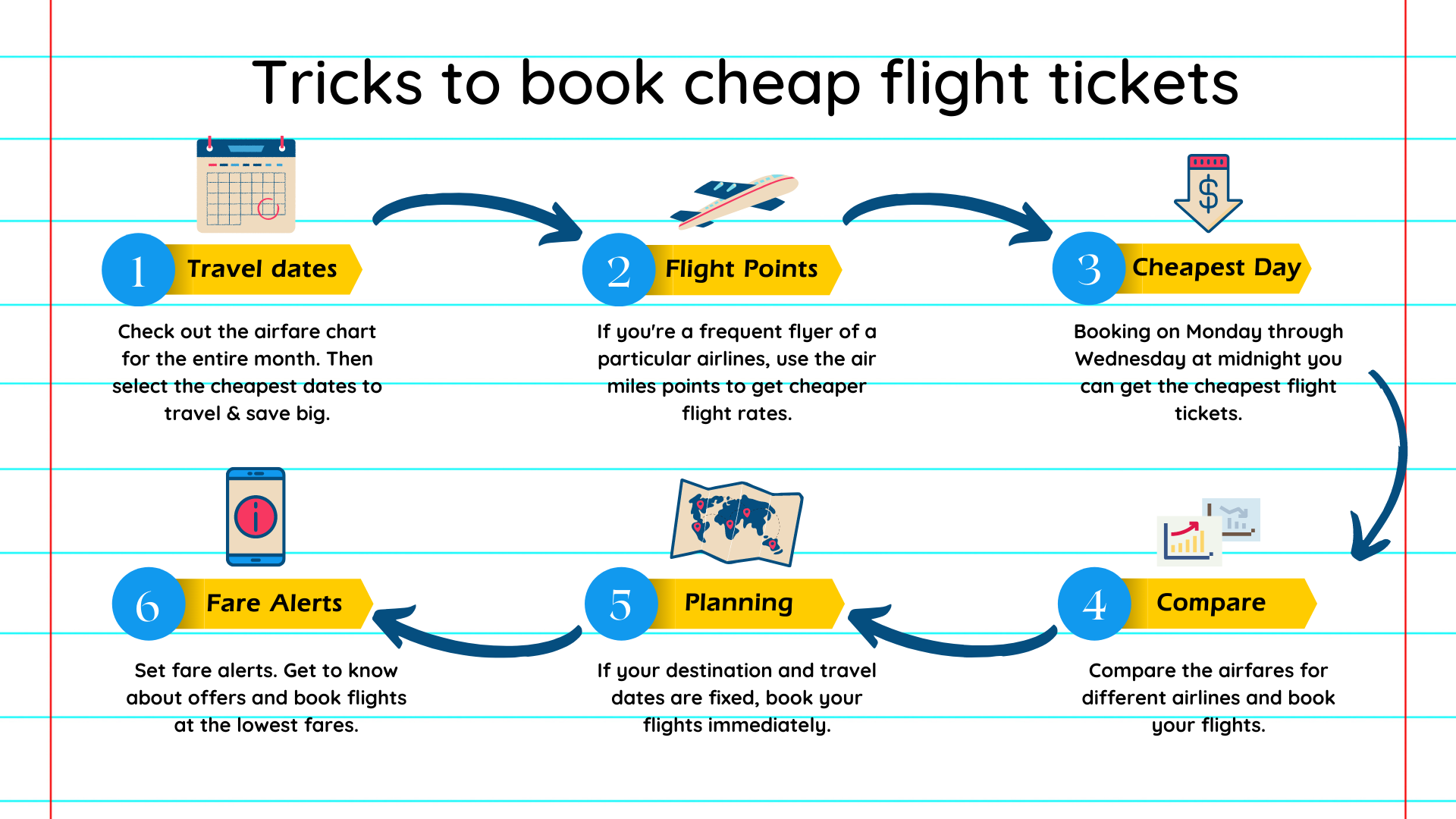
One of the most valuable technological advancements for flight booking is the advent of price tracking and alert systems. Platforms like Google Flights, Hopper, and Skyscanner allow users to set up alerts for specific routes and dates. These systems continuously monitor fare fluctuations and notify users via email or push notifications when prices drop or are projected to rise. This eliminates the need for constant manual checking and helps travelers capitalize on optimal booking windows. Hopper, for instance, uses predictive algorithms based on historical data to advise users whether to “buy now” or “wait,” often with a high degree of accuracy. Understanding that airline ticket prices are dynamic and influenced by a myriad of factors – from demand and seasonality to fuel costs and competitive pricing – these tools become indispensable for securing the best possible deal.
Mobile Apps for On-the-Go Booking and Management
The proliferation of smartphones has made mobile apps an indispensable part of the travel ecosystem. Virtually every major airline and OTA offers dedicated apps that extend beyond mere booking capabilities. These apps provide a seamless mobile experience for searching and purchasing tickets, often with optimized interfaces for smaller screens and integrated payment options. Beyond booking, they serve as comprehensive travel companions: enabling mobile check-in, generating digital boarding passes, providing real-time flight status updates (delays, gate changes), and facilitating communication with customer service. The convenience of having all critical travel information and management tools accessible from one’s pocket has significantly streamlined the airport experience and in-transit adjustments.
Browser Extensions and AI-Powered Assistants
The next frontier in booking optimization involves browser extensions and nascent AI-powered assistants. Extensions like “Honey” for finding coupon codes, or specialized travel-focused extensions, can automatically scour the web for discounts or alert you to better prices on competing sites as you browse. While still evolving, AI-powered travel assistants are beginning to offer more sophisticated capabilities, such as monitoring preferred routes for price drops, suggesting alternative itineraries based on user preferences and budget, or even automating parts of the booking process. These tools leverage machine learning to analyze vast amounts of data, identifying patterns and opportunities that a human user might miss, thereby enhancing the likelihood of finding an advantageous deal or a more convenient travel solution.
Ensuring Digital Security and Data Privacy During Booking
Amidst the convenience and innovation, the digital nature of flight booking necessitates a strong emphasis on cybersecurity and data privacy. Transacting sensitive personal and financial information online requires vigilance and an understanding of the protective measures in place.
Secure Payment Gateways and Encryption
When booking airline tickets online, the security of your financial transaction is paramount. Reputable booking platforms and airline websites utilize secure payment gateways, identifiable by “HTTPS” in the website address and a padlock icon in the browser’s address bar. These indicators signify that the connection is encrypted, meaning that any data exchanged between your browser and the website (including credit card numbers, passport details, and personal information) is scrambled and unreadable to unauthorized third parties. Using credit cards for online purchases often provides an additional layer of fraud protection from your bank, allowing you to dispute unauthorized charges. Avoid public Wi-Fi networks when making payments, as they can be less secure and vulnerable to eavesdropping.
Protecting Personal Information
Beyond financial data, booking an airline ticket requires inputting a significant amount of personal information, including full names, dates of birth, passport details, and contact information. It’s crucial to be aware of how this data is collected, stored, and used. Always book through official, trusted websites and be wary of suspicious links or unsolicited emails. Review the privacy policies of booking sites to understand their data handling practices. Moreover, employing strong, unique passwords for all your travel-related accounts and enabling two-factor authentication (2FA) wherever possible adds a critical layer of security, making it significantly harder for unauthorized individuals to access your accounts.
Recognizing and Avoiding Common Online Scams
The digital realm, unfortunately, also harbors malicious actors. Travelers must be vigilant against common online scams designed to trick them into divulging information or making fraudulent purchases. “Too good to be true” flight deals should always raise a red flag, as scammers often lure victims with impossibly low prices. Phishing emails, which mimic legitimate airline or OTA communications, are another prevalent threat; always check the sender’s email address and hover over links before clicking. Fake websites, often with slightly altered URLs, are designed to harvest personal data. Always verify the authenticity of a website before entering any information. If in doubt, type the official website address directly into your browser rather than clicking on links from emails or social media.
Optimizing the Booking Experience with Tech Strategies
Mastering the technology of flight booking goes beyond simply finding a website; it involves strategic utilization of available tools and an understanding of the underlying digital dynamics that influence pricing and availability.
Understanding Dynamic Pricing Algorithms
Airline ticket prices are rarely static; they are governed by sophisticated dynamic pricing algorithms that continuously adjust fares based on a multitude of factors, including demand, seasonality, competitor pricing, booking lead time, and even the user’s browsing history. These algorithms aim to maximize revenue, meaning prices can change rapidly. To counteract this, travelers can employ several tech-savvy strategies. Clearing browser cookies, using incognito or private browsing modes, or even checking prices from different devices or IP addresses can sometimes prevent algorithms from detecting repeated searches for the same route and potentially displaying higher prices. Understanding that prices often fluctuate throughout the week, with Tuesdays and Wednesdays sometimes offering slight advantages, can also be a useful heuristic.
Exploring Flexible Date and Destination Tools
One of the most powerful features offered by modern booking platforms is the ability to search with flexibility. If your travel dates are not rigid, utilizing “flexible dates” or calendar view options on sites like Google Flights or Skyscanner can reveal significantly cheaper fares just a few days before or after your initial search. Similarly, for travelers open to various destinations, the “everywhere” or “explore” search functions can present a myriad of possibilities based on your departure city and preferred travel period. These tools leverage vast datasets to quickly identify the cheapest combinations of dates and destinations, offering a level of flexibility and serendipity that was impossible with traditional booking methods.
Advanced Search Filters and Customization
Modern booking engines provide an extensive array of advanced search filters that allow for highly customized searches, moving beyond just dates and destinations. Travelers can filter by specific airlines or airline alliances, preferred number of stops, maximum layover duration, departure and arrival times, cabin class (economy, premium economy, business, first), and even whether baggage is included. Some platforms also allow filtering by airport type (e.g., major hub vs. regional), connecting airports, or even aircraft features. Leveraging these filters helps travelers tailor their search to precise needs and preferences, efficiently sifting through thousands of options to find the flight that best aligns with their comfort, schedule, and budget requirements.
Post-Booking Tech: Managing Your Journey
The role of technology doesn’t end once the ticket is purchased. A suite of digital tools and services continues to enhance the travel experience, from organizing itineraries to navigating the airport.
Digital Itineraries and Travel Management Apps
Once flights, hotels, and other travel components are booked, tools like TripIt, WorldMate, or even basic calendar applications become invaluable. These apps allow travelers to consolidate all their booking confirmations, flight details, hotel reservations, and rental car information into a single, organized digital itinerary. They often provide offline access to these details, which is crucial when internet connectivity is unreliable. Many can also automatically parse confirmation emails and build an itinerary, offering real-time updates for flights, gate changes, and other disruptions. This centralized digital hub eliminates the need for paper printouts and ensures all essential information is at your fingertips.
Real-Time Flight Status and Gate Changes
The dynamic nature of air travel means delays, cancellations, and gate changes are a frequent occurrence. Technology has provided robust solutions for staying informed in real-time. Most airline apps and major airport apps offer live flight tracking and status updates. Websites like FlightAware or FlightStats provide global flight tracking with detailed information on departure/arrival times, delays, and current aircraft location. Many airlines also offer SMS or email notifications for crucial updates, ensuring travelers are informed instantly, whether they’re at home, en route to the airport, or already inside the terminal. This immediate access to information significantly reduces stress and allows travelers to adjust their plans accordingly.
Online Check-in and Digital Boarding Passes
Online check-in, typically available 24 hours before departure, has become a standard feature that streamlines the airport experience. Travelers can select seats, declare baggage, and often avoid long queues at the check-in counter. Following online check-in, digital boarding passes, accessed through airline apps or added to mobile wallets (like Apple Wallet or Google Pay), further enhance convenience. These digital passes contain all necessary flight information and a scannable barcode, allowing passengers to proceed directly to security and boarding without needing a physical printout. This not only saves time but also contributes to a more eco-friendly travel process, embodying the efficiency and paperless nature of modern digital travel.

Conclusion
The act of booking airline tickets has been profoundly transformed by technology, evolving into an intricate dance between user and digital tool. From navigating vast online ecosystems of OTAs and metasearch engines to leveraging smart price tracking and mobile management apps, technology empowers travelers with unprecedented access to information, choice, and control. However, this digital convenience comes with the responsibility of understanding cybersecurity best practices, safeguarding personal data, and recognizing the algorithmic forces that shape pricing. By embracing these technological advancements and employing strategic digital literacy, modern travelers can navigate the complexities of air travel with greater efficiency, security, and insight, ultimately leading to more informed decisions and a smoother, more enjoyable journey. The future of travel booking will undoubtedly continue to integrate even more sophisticated AI and personalized digital experiences, making continuous adaptation to new tech not just an advantage, but a necessity for the savvy traveler.
aViewFromTheCave is a participant in the Amazon Services LLC Associates Program, an affiliate advertising program designed to provide a means for sites to earn advertising fees by advertising and linking to Amazon.com. Amazon, the Amazon logo, AmazonSupply, and the AmazonSupply logo are trademarks of Amazon.com, Inc. or its affiliates. As an Amazon Associate we earn affiliate commissions from qualifying purchases.