
In the modern economic landscape, the role of a bookkeeper has evolved far beyond simple data entry. Today, bookkeepers are the financial backbone of small to medium-sized enterprises (SMEs), acting as the primary guardians of fiscal integrity and cash flow management. For those looking to capitalize on the growing demand for financial clarity, becoming a certified bookkeeper is not just a career move—it is a strategic investment in a high-demand, recession-proof profession.
While anyone can technically record transactions, certification signals a level of expertise and ethical commitment that commands higher fees and greater trust. This guide explores the pathway to professional certification, the financial implications of the career, and how to leverage this credential into a lucrative business or professional role.
The Value Proposition of Certification in the Financial Ecosystem
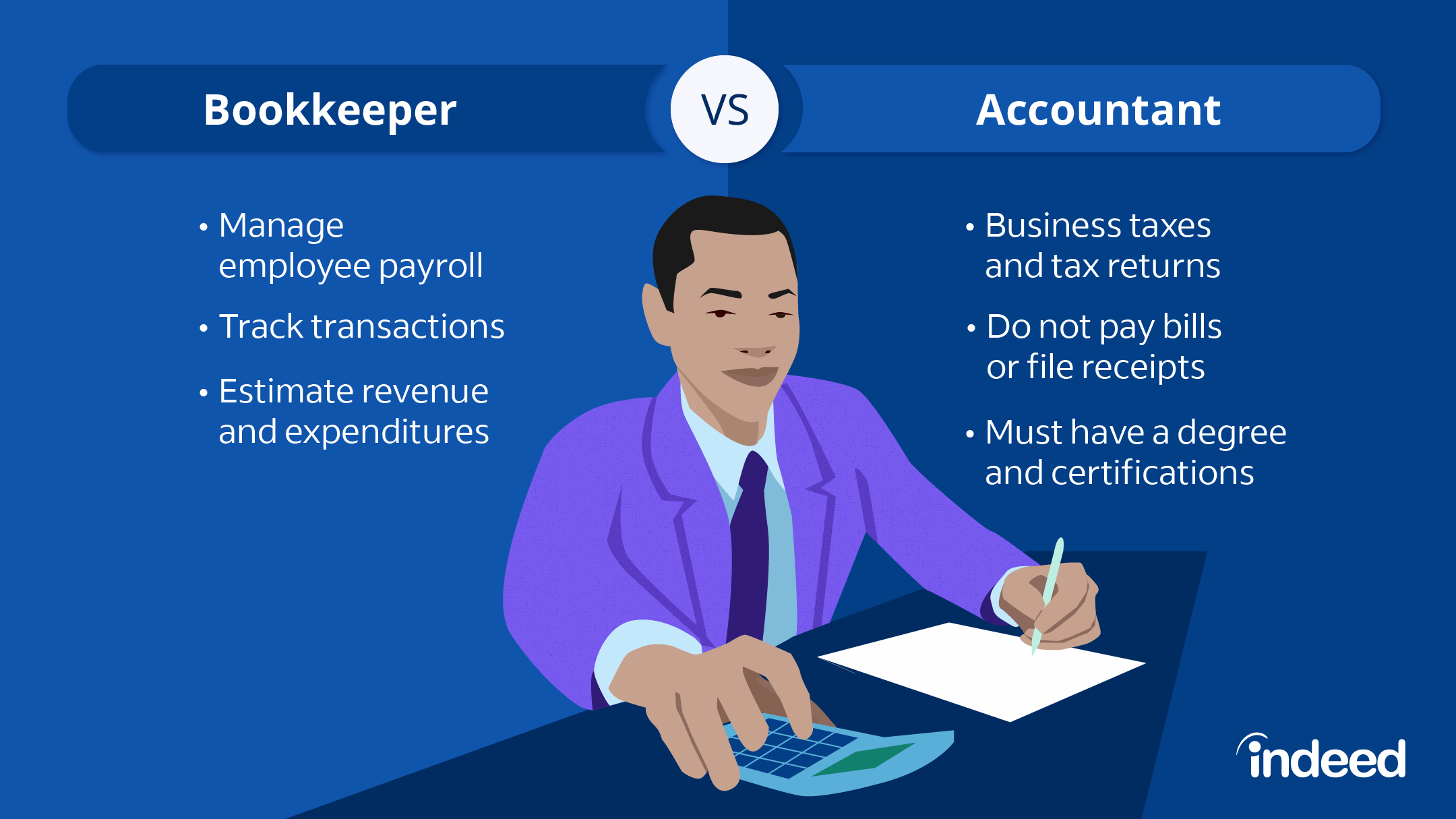
In the world of personal and business finance, credibility is the primary currency. A certified bookkeeper distinguishes themselves from a general clerk by demonstrating a mastery of complex accounting principles and a commitment to professional standards.
Bridging the Gap Between Data and Decision-Making
A certified bookkeeper does more than balance the books; they provide the financial insights that allow business owners to make informed decisions. By understanding the nuances of accrual-based accounting, depreciation, and inventory management, a certified professional can transform a raw list of expenses into a strategic roadmap for growth. This analytical capability is what businesses are willing to pay a premium for, as it directly impacts their bottom line and tax efficiency.
Increasing Your Earning Potential as a Certified Professional
The financial ROI of certification is measurable. Statistics consistently show that certified bookkeepers earn significantly more per hour than their non-certified counterparts. Whether you are working as a salaried employee or running a freelance side hustle, the “Certified” title allows you to transition from a commodity service provider to a high-value financial consultant. In the freelance market, certified bookkeepers can often command rates between $50 and $150 per hour, depending on their niche and the complexity of the client’s financial needs.
Establishing Trust with Financial Institutions and Tax Authorities
When a business applies for a loan or faces an audit, the quality of their financial records is scrutinized. Certified bookkeepers provide a level of assurance that financial statements are prepared according to Generally Accepted Accounting Principles (GAAP). This reduces the financial risk for the business and enhances its reputation with lenders and the IRS. For the bookkeeper, this means becoming an indispensable asset to the client’s long-term financial health.
Selecting the Right Certification Pathway
There is no single “correct” way to become certified, but there are two primary organizations in the United States that set the gold standard for the industry. Choosing the right path depends on your career goals and current level of financial expertise.
The American Institute of Professional Bookkeepers (AIPB)
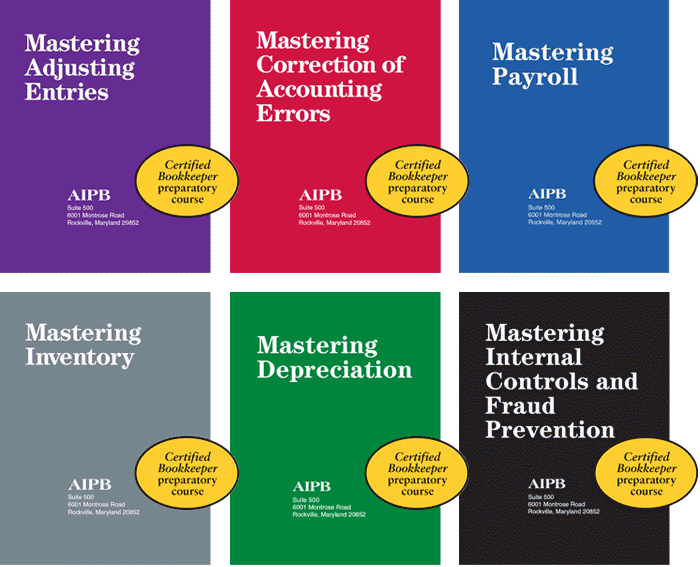
The AIPB offers the “Certified Bookkeeper” (CB) designation. This is perhaps the most recognized credential in the industry. To earn this, candidates must pass a four-part national exam and prove at least two years of full-time work experience (or the equivalent in part-time work). The exam covers critical financial areas such as adjusting entries, error correction, payroll, and depreciation. The AIPB path is ideal for those looking to work within corporate structures or large-scale accounting firms.
The National Association of Certified Public Bookkeepers (NACPB)
The NACPB offers the “Certified Public Bookkeeper” (CPB) license. This organization mirrors the structure of the CPA (Certified Public Accountant) designation for the bookkeeping world. Their certification process is rigorous, requiring candidates to pass exams in small business financial management, bookkeeping, payroll, and tax. The NACPB is often favored by those who intend to run their own bookkeeping practices, as it provides a comprehensive suite of tools focused on independent business operation.
Software-Specific Certifications as Financial Tools
While professional body certifications (AIPB/NACPB) focus on theory and ethics, software certifications focus on execution. Becoming a QuickBooks Online ProAdvisor or a Xero Certified Advisor is a powerful supplement to your professional certification. In the digital economy, these certifications serve as “proof of tool” mastery, ensuring you can manage a client’s digital ledger with maximum efficiency. These are often free or low-cost and offer an immediate boost to your marketability in the online income space.
The Educational and Experience Prerequisites
Becoming a certified bookkeeper is a marathon, not a sprint. It requires a blend of formal study and hands-on financial management.
Foundational Knowledge in Accounting Principles
Before sitting for any certification exam, you must have a rock-solid understanding of the “Accounting Equation” (Assets = Liabilities + Equity). You should be proficient in managing the general ledger, performing bank reconciliations, and preparing the three major financial statements: the Balance Sheet, the Income Statement, and the Cash Flow Statement. Many successful bookkeepers begin with an associate degree in accounting or by taking intensive vocational courses focused on business finance.
Navigating the Work Experience Requirement
Both the AIPB and NACPB emphasize that theoretical knowledge is insufficient without practical application. The requirement for 2,000 to 3,000 hours of work experience ensures that a certified professional has navigated real-world financial crises, such as resolving bank discrepancies or managing complex payroll cycles. If you are starting from scratch, consider taking an entry-level position as an accounting clerk or bookkeeper’s assistant to “clock” these hours while you study.
Mastering the Examination Process
The certification exams are designed to test your accuracy under pressure. They are generally multiple-choice and require a high passing grade (often 75% or higher). Preparation involves rigorous study of internal controls—the processes used to prevent fraud and errors. For the money-conscious student, investing in official study guides and practice exams is a necessary expense that prevents the higher cost of retaking the exams.
Turning Certification into a Profitable Business or Career
Once the letters “CB” or “CPB” are after your name, the focus shifts from education to monetization. A certification is a tool; how you use it determines your financial success.
Launching a Specialized Virtual Bookkeeping Side Hustle
The rise of the “side hustle” culture has made virtual bookkeeping one of the most profitable remote businesses. With certification, you can target specific high-income niches, such as real estate investors, e-commerce entrepreneurs, or medical professionals. By specializing, you can implement “value-based pricing” rather than hourly billing. For example, charging a flat monthly fee of $500 for a client whose books take you four hours to manage results in an effective hourly rate of $125.
Scaling from Individual Bookkeeper to Financial Consultant
As a certified professional, you have the credentials to offer “fractional CFO” (Chief Financial Officer) services. This involves not just recording transactions, but analyzing them to suggest cost-cutting measures, optimize tax strategies, and manage debt. This transition from “data recorder” to “financial strategist” is where the most significant income growth occurs. It moves your services from an “expense” category in your client’s mind to an “investment” category.
The Economics of Professional Liability
In the business of money, mistakes are costly. Part of becoming a professional bookkeeper is understanding the financial risks involved. Certified bookkeepers should always carry Errors and Omissions (E&O) insurance. This protects your personal and business assets in the event of a clerical error that results in a financial loss for your client. This professional approach not only protects you but also serves as a selling point to high-net-worth clients who require security.
The Long-term ROI of Continuous Professional Development
The financial world is constantly in flux. Tax laws change, new financial technologies emerge, and reporting standards are updated. Certification is not a one-time event; it is the beginning of a lifelong commitment to financial education.
Maintaining Your Credentials and Staying Relevant
To keep your certification, you will need to complete Continuing Professional Education (CPE) credits. This ensures that you stay abreast of the latest tax code changes and financial regulations. While this requires an annual investment of time and money, the cost of obsolescence is far higher. Staying current allows you to advise clients on new tax credits or financial incentives, further cementing your value.
Advanced Financial Tools and Automation
While this guide focuses on the “Money” aspect of bookkeeping, one cannot ignore that efficient money management today requires leveraging automation. Certified bookkeepers use automated workflows to handle repetitive tasks, allowing them to take on more clients without increasing their workload. By mastering the intersection of financial theory and automated systems, you maximize your “revenue per hour worked,” which is the ultimate goal of any financial professional.
Building a Legacy of Financial Integrity
Ultimately, becoming a certified bookkeeper is about more than just personal income. It is about playing a vital role in the health of the economy. By ensuring that businesses are profitable, compliant, and sustainable, you contribute to the financial stability of your community. Whether you choose to work for a Fortune 500 company or launch your own independent practice, your certification serves as a beacon of trust in a complex financial world. It is a career path that offers stability, high earning potential, and the satisfaction of mastering the language of money.
aViewFromTheCave is a participant in the Amazon Services LLC Associates Program, an affiliate advertising program designed to provide a means for sites to earn advertising fees by advertising and linking to Amazon.com. Amazon, the Amazon logo, AmazonSupply, and the AmazonSupply logo are trademarks of Amazon.com, Inc. or its affiliates. As an Amazon Associate we earn affiliate commissions from qualifying purchases.