
Navigating the complexities of tax regulations can often feel like traversing a labyrinth. While the term “avoid tax” might conjure images of illicit schemes, in the realm of personal and business finance, it refers exclusively to legal and ethical strategies for reducing one’s tax liability. This practice, known as tax planning or tax minimization, is a fundamental component of sound financial management, allowing individuals and businesses to retain more of their hard-earned money and optimize their financial health. Understanding and implementing these strategies requires diligent planning, a keen awareness of tax laws, and often, the guidance of financial professionals.

The Critical Distinction: Tax Avoidance vs. Tax Evasion
Before delving into specific strategies, it is paramount to differentiate between legitimate tax avoidance and illegal tax evasion. This distinction is not merely semantic; it represents the difference between prudent financial planning and serious legal repercussions.
Defining Legal Tax Avoidance
Legal tax avoidance, or tax minimization, involves utilizing provisions within tax laws to reduce taxable income, deductions, credits, and exemptions. It means structuring your financial affairs in a way that legally results in the lowest possible tax burden. For instance, contributing to a tax-deductible retirement account, claiming eligible business expenses, or investing in tax-exempt municipal bonds are all forms of legal tax avoidance. These actions are explicitly permitted, and often encouraged, by tax authorities as they align with public policy goals like promoting retirement savings, stimulating specific industries, or supporting charitable giving. The core principle is transparency and adherence to the letter and spirit of the law.
The Perils of Tax Evasion
In stark contrast, tax evasion is the illegal act of misrepresenting or concealing income, assets, or other financial information to avoid paying taxes. This includes underreporting income, overstating deductions, hiding assets in offshore accounts without proper disclosure, or simply failing to file tax returns when required. Tax evasion carries severe penalties, including hefty fines, interest charges, and potential imprisonment. It is a criminal offense, and authorities actively pursue individuals and entities engaged in such practices. A robust financial strategy focuses entirely on legal tax avoidance, never crossing into the territory of evasion.
Optimizing Personal Finances Through Tax-Advantaged Vehicles
One of the most effective ways for individuals to legally “avoid” tax is by leveraging various tax-advantaged financial accounts and instruments designed to reduce current taxable income or allow investments to grow tax-free or tax-deferred.
Retirement Accounts: 401(k)s, IRAs, and Roth Options
Employer-sponsored 401(k) plans and individual retirement accounts (IRAs) are cornerstones of tax-efficient retirement planning. Contributions to traditional 401(k)s and traditional IRAs are typically tax-deductible, reducing your taxable income in the year of contribution. The investments within these accounts grow tax-deferred, meaning you don’t pay taxes on earnings until withdrawal in retirement. This deferral allows for compounding growth over decades. Roth 401(k)s and Roth IRAs, while not offering an upfront tax deduction, provide tax-free withdrawals in retirement, provided certain conditions are met. This means all the growth, no matter how substantial, is never taxed. Choosing between traditional and Roth depends on your current income, future income expectations, and overall tax strategy.
Health Savings Accounts (HSAs): A Triple Tax Benefit
For those enrolled in a high-deductible health plan (HDHP), a Health Savings Account (HSA) offers an unparalleled triple tax advantage. Contributions are tax-deductible, reducing your taxable income. The funds grow tax-free, similar to a Roth account. Finally, qualified withdrawals for medical expenses are also tax-free. Unlike flexible spending accounts (FSAs), HSAs are portable and funds roll over year after year, effectively serving as a powerful, tax-sheltered investment vehicle for future healthcare costs, or even general retirement expenses once you reach age 65.
Education Savings: 529 Plans
For families planning for higher education expenses, 529 plans offer a tax-efficient way to save. While contributions are generally not federally tax-deductible, the earnings grow tax-free, and qualified withdrawals for educational expenses (tuition, fees, books, room and board) are also tax-free. Many states also offer a state income tax deduction or credit for contributions to their 529 plans, adding another layer of tax benefit. This enables significant savings without the drag of annual investment taxes.
Maximizing Deductions and Credits for Individuals and Businesses
Deductions and credits are fundamental tools in tax minimization. Deductions reduce your taxable income, while credits directly reduce your tax liability dollar-for-dollar. Understanding and utilizing all eligible deductions and credits can significantly lower your tax bill.
Common Individual Deductions and Credits
Many individuals overlook various deductions and credits they are entitled to. Standard deductions are available to most taxpayers, but itemizing can be more beneficial if your eligible expenses exceed the standard deduction amount. Common itemized deductions include state and local taxes (SALT) up to a certain limit, mortgage interest, charitable contributions, and certain medical expenses. Furthermore, various tax credits, such as the Child Tax Credit, Earned Income Tax Credit, education credits (e.g., American Opportunity Tax Credit), and credits for energy-efficient home improvements, can provide direct reductions to your tax owed.

Business Expense Write-Offs
For self-employed individuals and business owners, diligent tracking and claiming of legitimate business expenses are crucial. Nearly any expense that is ordinary and necessary for your business can be deducted. This includes office supplies, equipment, software subscriptions, professional development, business travel, mileage, meals and entertainment (subject to limits), and health insurance premiums. The home office deduction, if qualified, can also be a significant write-off, allowing you to deduct a portion of your rent, utilities, and other home-related expenses.
Exploring Lesser-Known Credits
Beyond the common ones, both individuals and businesses may qualify for less frequently discussed credits. These could include credits for research and development (R&D), energy efficiency for businesses, rehabilitation of historic structures, or even specific state-level credits for various activities. A thorough review of your financial activities with a tax professional can help uncover these often substantial opportunities.
Strategic Investment Approaches for Tax Efficiency
The way you structure and manage your investment portfolio can profoundly impact your annual tax obligations, especially regarding capital gains and dividends.
Capital Gains Tax Management
Understanding the distinction between short-term and long-term capital gains is vital. Short-term capital gains, from assets held for one year or less, are taxed at your ordinary income tax rate, which can be as high as 37%. Long-term capital gains, from assets held for more than a year, are taxed at preferential rates (typically 0%, 15%, or 20% depending on income). Strategically holding investments for over a year before selling can drastically reduce your tax burden on profits. Additionally, using “tax lots” – specifying which shares you are selling – can help minimize gains or maximize losses.
The Power of Tax-Loss Harvesting
Tax-loss harvesting is a strategy where investors sell investments at a loss to offset capital gains and, potentially, a limited amount of ordinary income. For example, if you realize $10,000 in long-term capital gains, you can sell a different investment for a $10,000 loss, effectively neutralizing the tax on those gains. If your capital losses exceed your capital gains, you can typically deduct up to $3,000 of the net loss against your ordinary income, carrying forward any remaining losses to future tax years. This strategy can significantly reduce your tax bill, especially in volatile markets.
Municipal Bonds and Other Tax-Exempt Investments
For high-income earners, municipal bonds (munis) can be a highly effective tax-avoidance strategy. Interest earned on municipal bonds issued by state and local governments is often exempt from federal income tax. If you purchase municipal bonds issued by a municipality in your state of residence, the interest may also be exempt from state and local income taxes, making it “triple-tax-free.” While munis typically offer lower yields than taxable bonds, their tax-exempt status can make their after-tax return superior for investors in higher tax brackets.
Business Structure and Advanced Tax Planning
For entrepreneurs and established businesses, the choice of business entity and ongoing operational decisions have significant tax implications, offering numerous avenues for tax minimization.
Choosing the Right Business Entity
The legal structure of your business (e.g., sole proprietorship, partnership, S-corporation, C-corporation, LLC) dictates how it is taxed. A sole proprietorship or partnership, for instance, passes profits and losses directly to the owners’ personal tax returns, while a C-corporation is taxed separately from its owners, potentially leading to “double taxation” on profits. An S-corporation or LLC taxed as an S-corp can allow owners to take a reasonable salary and distribute remaining profits as non-taxable distributions, avoiding self-employment taxes on those distributions. Consulting with an accountant or business attorney is crucial to select the most tax-efficient structure for your specific business.
Employee Benefits and Tax Savings
Offering certain employee benefits can be a win-win: they attract and retain talent while also providing tax deductions for the business and tax advantages for employees. This includes contributions to employee retirement plans (like 401(k)s), group health insurance premiums, life insurance, and even qualified tuition assistance. These expenses are typically deductible for the business, reducing its taxable income, and often represent non-taxable benefits for the employees.
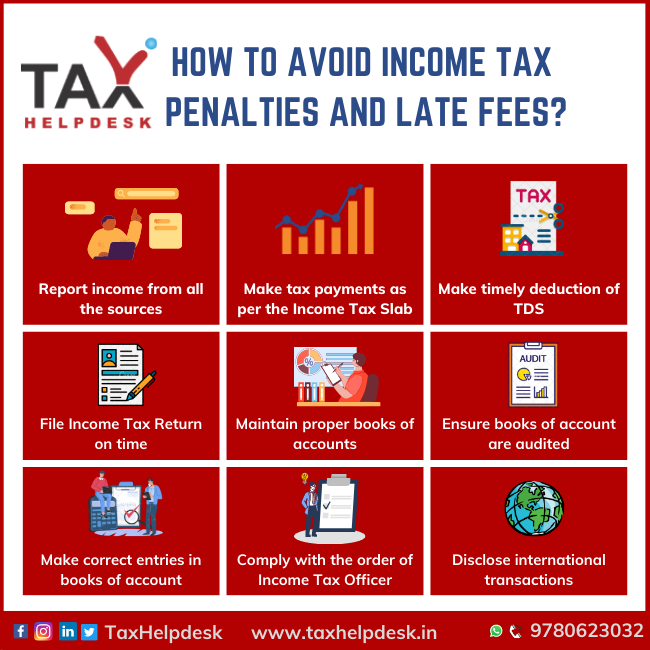
The Role of Professional Tax Advice
While understanding these strategies is empowering, the tax landscape is constantly evolving. Tax laws change, individual financial situations become more complex, and business operations grow. Engaging with qualified tax professionals—such as Certified Public Accountants (CPAs), enrolled agents, or financial advisors specializing in tax planning—is invaluable. They can provide personalized advice, ensure compliance, identify overlooked opportunities, and help implement advanced strategies tailored to your unique financial goals. Investing in expert tax advice is often one of the smartest forms of legal tax avoidance.
aViewFromTheCave is a participant in the Amazon Services LLC Associates Program, an affiliate advertising program designed to provide a means for sites to earn advertising fees by advertising and linking to Amazon.com. Amazon, the Amazon logo, AmazonSupply, and the AmazonSupply logo are trademarks of Amazon.com, Inc. or its affiliates. As an Amazon Associate we earn affiliate commissions from qualifying purchases.