
Maintaining a healthy financial life often involves minimizing unnecessary expenses. Among these, monthly maintenance fees charged by banking institutions can seem like a minor annoyance, but over time, they can significantly erode your savings. Chase, as one of the largest retail banks in the United States, offers a wide array of banking products, many of which come with associated monthly fees. Understanding these fees and, more importantly, knowing the strategies to waive them is a fundamental aspect of savvy personal finance. This guide delves into the specifics of Chase’s fee structure and provides actionable steps to keep your money where it belongs – in your account.

Decoding Chase’s Checking Account Fee Structure
Before devising a strategy to avoid fees, it’s crucial to understand why they exist and what triggers them. Banks like Chase charge monthly maintenance fees to cover the operational costs of managing accounts, providing customer service, maintaining branches, and developing digital infrastructure. However, they also offer clear pathways for customers to bypass these charges, often by meeting specific usage or balance criteria.
Common Checking Account Types and Their Fees
Chase offers several primary checking account options, each with its own fee structure and waiver requirements:
- Chase Total Checking®: This is arguably Chase’s most popular checking account, designed for everyday banking needs. It typically carries a monthly service fee that can be waived by meeting one of several conditions. The standard monthly service fee for this account is a key target for avoidance strategies.
- Chase Premier Plus Checking℠: This account offers enhanced benefits compared to Total Checking, often including higher transaction limits or interest-earning potential on balances, but comes with a higher monthly service fee. Consequently, its waiver requirements are usually more stringent, often demanding a higher combined balance across linked Chase accounts.
- Chase Sapphire℠ Banking: Positioned as a premium offering, Sapphire Banking provides a suite of elevated benefits, including no ATM fees worldwide, higher daily limits, and personalized service. While its monthly service fee is substantial, it also comes with a more comprehensive set of waiver options, typically centered around a much higher combined balance in Chase accounts.
- Chase Private Client: This is Chase’s highest-tier offering, catering to high-net-worth individuals with significant assets. It offers a wide range of exclusive services and benefits, with its monthly service fee usually waived by maintaining a very high combined balance across all Chase banking and investment accounts.
- Chase College Checking℠: Specifically designed for students aged 17-24, this account often features waived monthly fees for a specified period (e.g., five years) while enrolled in college, demonstrating Chase’s commitment to attracting younger customers.
- Chase High School Checking℠: For younger customers, this account is linked to a parent or guardian’s Chase checking account and generally carries no monthly service fee.
Identifying which specific account you hold is the first step toward understanding its particular fee waiver requirements, which are detailed in your account agreement and on Chase’s official website.
Why Banks Charge Monthly Maintenance Fees
From a financial institution’s perspective, monthly fees contribute to their revenue stream and help offset the operational costs associated with maintaining customer accounts, processing transactions, providing debit cards, and offering access to ATMs and digital banking platforms. These fees also incentivize customers to maintain higher balances or engage in specific banking behaviors that are beneficial to the bank, such as direct deposits or using multiple services. For the consumer, paying these fees when they could be avoided represents a direct reduction in their spendable income or savings growth.
Strategic Methods to Waive Monthly Service Fees
The good news for Chase customers is that the bank provides multiple, clearly defined paths to avoid monthly maintenance fees across most of its checking accounts. By strategically managing your funds and banking activities, you can ensure these fees never appear on your statement.
Meeting Minimum Daily Balance Requirements
One of the most common and straightforward ways to waive monthly fees is by maintaining a specific balance in your checking account.
- Understanding the Requirement: For Chase Total Checking, for instance, the fee is waived if you maintain an average daily balance of $1,500 or more in your checking account at the beginning of each day during the statement period. It’s crucial to distinguish “average daily balance” from a single “minimum balance.” The average daily balance is calculated by summing the closing balance for each day in the statement period and dividing by the number of days in that period. This means a temporary dip below $1,500 for a few days might still allow you to meet the average, provided other days had higher balances.
- Tips for Maintenance: To ensure you meet this criterion, regularly monitor your account balance. Consider keeping a buffer above the minimum threshold to account for unexpected withdrawals or pending transactions. If your balance consistently hovers below the required average, it might be an indicator that this method isn’t suitable for your financial habits.
Utilizing Direct Deposit
Many banks, including Chase, waive monthly fees for customers who have qualifying direct deposits made into their accounts. This practice benefits banks by encouraging consistent cash flow and deeper customer relationships.
- Required Minimum Amount or Frequency: For Chase Total Checking, the monthly service fee is typically waived if you receive direct deposits totaling $500 or more into your account each statement period.
- Eligible Direct Deposits: A qualifying direct deposit is usually an electronic deposit of your salary, pension, government benefits (like Social Security), or other regular income from your employer or a government agency. Person-to-person payments (e.g., Zelle, Venmo), transfers from other bank accounts, or deposits made in person or via ATM generally do not count as qualifying direct deposits. Ensure your employer or benefits provider is set up to deposit funds directly into your Chase account.
Linking Qualifying Accounts and Balances
For customers with multiple accounts at Chase, consolidating balances across different product types can be an effective strategy to avoid fees.
- Combined Balance Thresholds: For Chase Total Checking, the fee can be waived if you maintain an average daily balance of $5,000 or more across your eligible linked Chase accounts. This includes checking, savings, and certain investment accounts (e.g., Chase savings accounts, Chase Liquid cards, and certain Chase investment balances held with Chase Wealth Management).
- Strategy for Consolidation: If you have funds spread across different financial institutions or even within multiple Chase accounts, consider centralizing them to meet the combined balance requirement. This approach not only helps waive fees but can also simplify your financial management by having a clearer overview of your total assets with one institution. For Premier Plus or Sapphire Banking, these combined balance requirements are significantly higher but offer waivers across a broader range of products.
Specific Account Perks and Waivers
Beyond the standard methods, certain Chase account types offer built-in waivers or special conditions.

- Student Accounts: As mentioned, Chase College Checking accounts often come with waived monthly fees for a set period while the account holder is enrolled in an eligible college or university. This is a valuable benefit for students entering the banking world.
- Military Banking Benefits: Chase offers specific banking benefits for active military personnel and veterans, which may include monthly service fee waivers on checking accounts. Eligibility typically requires direct deposit of military pay or other proof of service.
- Premium Account Tiers: While Chase Sapphire Banking and Chase Private Client accounts have higher minimum combined balance requirements (e.g., $75,000 for Sapphire Banking and $250,000 for Private Client), meeting these thresholds waives all monthly service fees on linked checking and savings accounts, along with numerous other benefits. If your financial profile aligns with these higher tiers, they offer a comprehensive solution for fee avoidance and premium banking services.
Proactive Account Management and Review
Avoiding monthly fees isn’t a one-time setup; it requires ongoing vigilance and periodic review of your banking habits and account status.
Regularly Monitoring Your Account Statements
- Identifying Fee Triggers: Make it a habit to review your monthly statements meticulously. Look for any “Service Fee” or “Maintenance Fee” charges. If you find one, investigate immediately. Was there a dip in your average daily balance? Did a direct deposit miss the cutoff? Understanding the exact reason will help you adjust your strategy.
- Ensuring Consistent Compliance: Even if you’ve met the criteria for months, a single change in your financial behavior (e.g., closing a linked savings account, a change in direct deposit frequency) could trigger a fee. Consistent monitoring ensures you catch these issues before they become recurring charges.
Setting Up Account Alerts
Chase’s online banking and mobile app offer customizable alerts that can be invaluable in preventing fees.
- Low Balance Alerts: Set up alerts to notify you when your checking account balance falls below a certain threshold (e.g., slightly above the minimum required for a waiver). This gives you an opportunity to transfer funds before your average daily balance is significantly impacted.
- Transaction Alerts: While not directly for fee waivers, knowing about all activity can help you track deposits and withdrawals that impact your balance.
Re-evaluating Your Banking Needs
If you consistently find it challenging to meet Chase’s fee waiver requirements, it might be time to consider if this bank is the best fit for your current financial situation.
- Considering Alternative No-Fee Banking Options: Many online-only banks and credit unions offer checking accounts with no monthly service fees and minimal or no balance requirements. While they may lack physical branch access, their low-cost structure can be appealing. Fintech companies also offer innovative banking solutions with competitive features and no monthly fees.
- Long-Term Financial Impact: Continually paying $12 or $25 a month in fees adds up quickly – $144 to $300 a year. Over several years, this can represent a significant sum that could have been saved, invested, or used for other financial goals. Aligning your banking choice with your financial habits is crucial for long-term financial health.
Beyond Monthly Maintenance: Other Fees to Watch Out For
While the primary focus is on avoiding monthly maintenance fees, a comprehensive approach to minimizing banking costs involves being aware of other common charges. While not “monthly” per se, these can still impact your personal finances if not managed carefully.
Overdraft and Insufficient Funds Fees
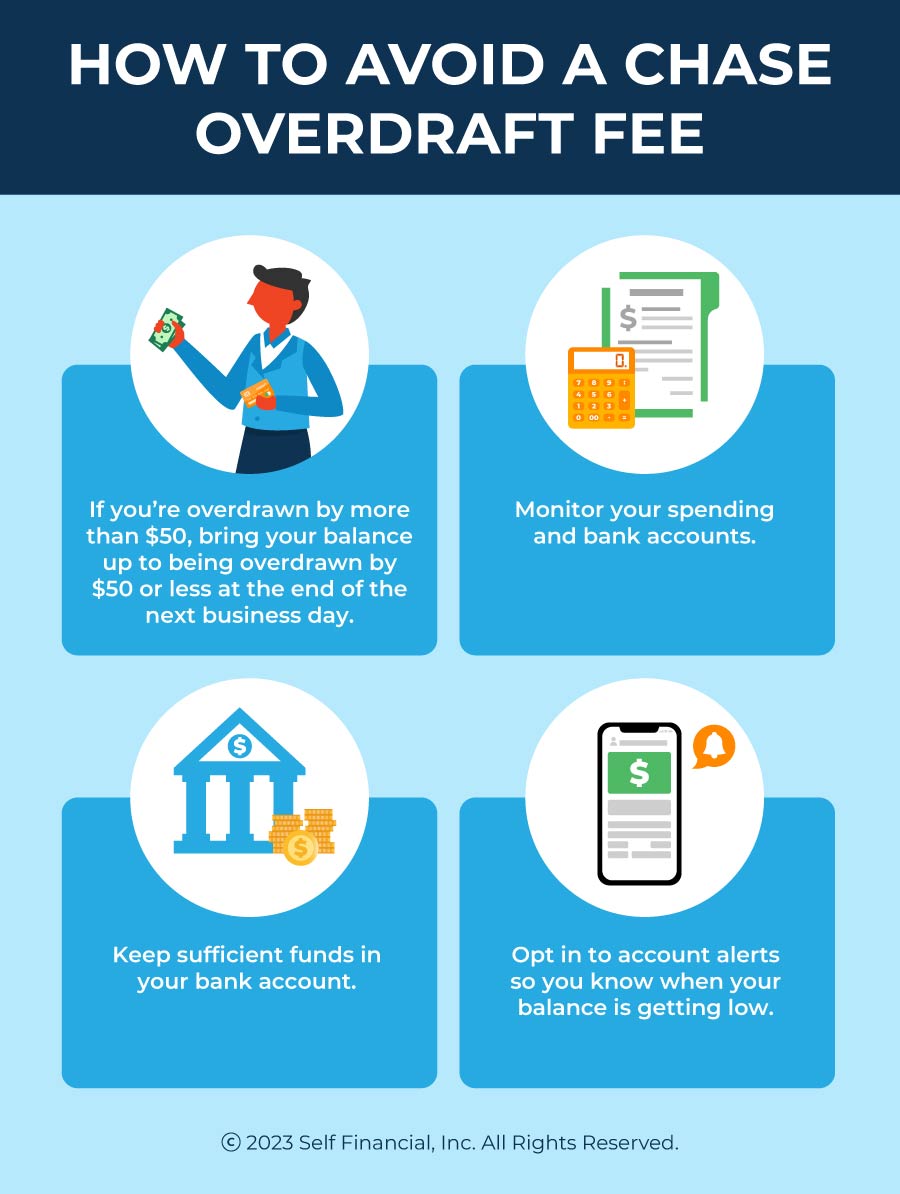
These are among the most punitive fees. An overdraft occurs when you spend more money than you have in your account. Chase charges a fee for each overdraft transaction.
- Prevention: Opt out of overdraft protection for debit card transactions if you prefer a transaction to be declined rather than incurring a fee. Link your checking account to a savings account for automatic transfers to cover shortfalls. Regularly monitor your balance to avoid spending more than you have.
ATM Fees
While using Chase’s extensive network of ATMs is free, using out-of-network ATMs can incur two fees: one from the ATM owner and another from Chase.
- Prevention: Always use Chase ATMs. If traveling, consider premium accounts like Chase Sapphire Banking, which often reimburse ATM fees.
Foreign Transaction Fees
When you use your Chase debit card for purchases or ATM withdrawals internationally, a percentage of the transaction amount may be charged as a foreign transaction fee.
- Prevention: For international travel, consider using a credit card that waives foreign transaction fees or a travel-specific debit card from another institution designed for international use.
By proactively managing your Chase accounts and understanding the specific requirements for fee waivers, you can effectively avoid monthly maintenance charges and keep more of your money working for you. This disciplined approach to banking is a cornerstone of sound personal financial management.
aViewFromTheCave is a participant in the Amazon Services LLC Associates Program, an affiliate advertising program designed to provide a means for sites to earn advertising fees by advertising and linking to Amazon.com. Amazon, the Amazon logo, AmazonSupply, and the AmazonSupply logo are trademarks of Amazon.com, Inc. or its affiliates. As an Amazon Associate we earn affiliate commissions from qualifying purchases.