
Navigating the world of taxation can often feel like deciphering a complex legal document written in a foreign language. For individuals and businesses alike, understanding how to apply for tax – or more accurately, how to prepare and submit your tax returns – is a fundamental aspect of financial responsibility and compliance. This guide aims to demystify the process, offering a professional, insightful, and engaging roadmap to help you meet your obligations confidently and efficiently. From understanding your specific tax duties to utilizing modern tools for submission, we’ll cover the essential steps to ensure you’re well-equipped for tax season and beyond.
Understanding Your Tax Obligations
Before you can even begin the application process, it’s crucial to understand what taxes apply to you and why. Taxation is not a one-size-fits-all system; your specific circumstances dictate your responsibilities. A clear grasp of your obligations is the bedrock of effective tax planning and prevents costly mistakes.
Identifying Your Taxpayer Status
Your first step is to determine your taxpayer status, as this dictates the forms you’ll file and the rules that apply to you.
- Individuals: Most people fall into this category, filing personal income tax returns (e.g., Form 1040 in the U.S.). Your filing status (single, married filing jointly, head of household, etc.) will impact your standard deduction and tax rates.
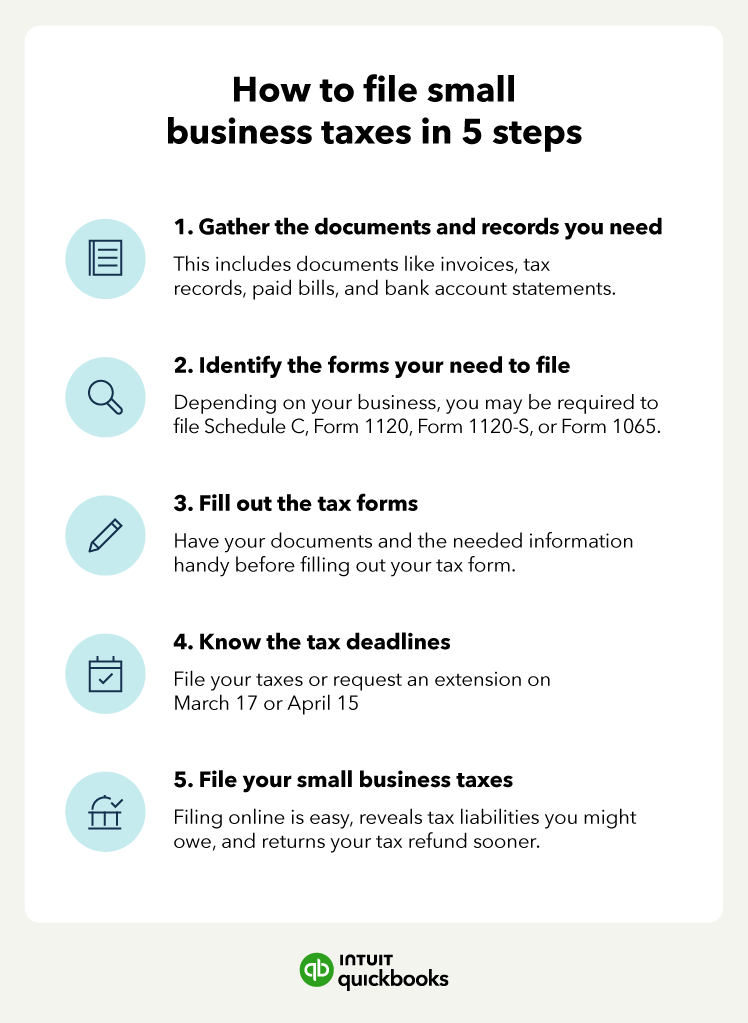
- Sole Proprietors: If you operate a business as an individual without forming a separate legal entity, you are a sole proprietor. Your business income and expenses are typically reported on a Schedule C (Profit or Loss from Business) within your personal income tax return.
- Partnerships: Businesses with two or more owners who share in profits or losses are partnerships. While the partnership itself doesn’t pay income tax, it files an informational return (e.g., Form 1065) to report income, deductions, and credits. Each partner then reports their share of income or loss on their personal tax return.
- Corporations: A corporation is a separate legal entity from its owners. It pays its own taxes on its profits (e.g., Form 1120 for C Corporations, Form 1120-S for S Corporations). Shareholders then pay taxes on dividends or distributions they receive.
- Other Entities: Trusts, estates, and non-profit organizations also have specific tax filing requirements tailored to their unique structures and purposes.
Accurately identifying your status is paramount as it sets the stage for every subsequent step in your tax application journey.
Types of Taxes You May Encounter
While income tax is often the most prominent, a variety of taxes contribute to the financial ecosystem.
- Income Tax: Levied on earnings, including wages, salaries, business profits, interest, dividends, and capital gains. This is the primary focus of “how to apply for tax” for most individuals and many businesses.
- Payroll Taxes: Employers are responsible for withholding and remitting payroll taxes (e.g., Social Security and Medicare taxes in the U.S.) from employee wages. Self-employed individuals pay self-employment tax, which covers both employee and employer portions.
- Sales Tax: A consumption tax added to the price of goods and services at the point of sale. Businesses that sell taxable goods or services are responsible for collecting and remitting these taxes to the relevant authorities.
- Property Tax: Assessed on real estate and sometimes personal property, typically by local governments.
- Excise Taxes: Taxes on specific goods or services, such as fuel, tobacco, or luxury items.
Understanding which of these taxes apply to you or your business is crucial for comprehensive financial planning and compliance. This guide primarily focuses on the application process for income tax, given its broad applicability, but awareness of other tax types is vital.
Key Deadlines and Penalties for Non-Compliance
Tax deadlines are non-negotiable. Missing a deadline can result in significant financial penalties, including interest charges on unpaid taxes and late-filing fees. For individuals, the most common deadline for filing income tax returns and paying any taxes due is April 15th (or the next business day if April 15th falls on a weekend or holiday) in many countries, including the U.S. Businesses often have different deadlines depending on their fiscal year and entity type. It’s also possible to apply for an extension to file, which generally grants more time to submit your paperwork, but importantly, not more time to pay any taxes owed. Always verify current deadlines with your national tax authority. Diligence in meeting these deadlines is a cornerstone of responsible financial management.
Preparation is Key: Gathering Your Documents
Successful tax application hinges on meticulous preparation. Attempting to file without all necessary documentation is akin to building a house without a blueprint – inefficient and prone to errors. Gathering your financial records well in advance not only streamlines the process but also helps ensure accuracy and allows you to maximize potential deductions and credits.
Income Records
The foundation of your tax application is proof of all income received during the tax year.
- W-2 Forms: If you are an employee, your employer will provide you with a W-2 form, reporting your annual wages, tips, and other compensation, as well as the taxes withheld from your pay.
- 1099 Forms: These forms report various types of non-employment income. Examples include:
- 1099-NEC: For non-employee compensation (e.g., freelancers, independent contractors).
- 1099-MISC: For miscellaneous income, such as rents, royalties, or awards.
- 1099-INT: For interest income from banks or other financial institutions.
- 1099-DIV: For dividend income from stocks and mutual funds.
- 1099-B: For proceeds from brokerage and barter exchange transactions (e.g., stock sales).
- 1099-R: For distributions from pensions, annuities, retirement or profit-sharing plans, IRAs, etc.
- Business Revenue Statements: If you run a business, you’ll need detailed records of all income generated from sales of goods or services.
- Other Income Statements: This could include gambling winnings (W-2G), Social Security benefits (SSA-1099), unemployment compensation, or any other source of taxable income.
Expense Documentation
For businesses and individuals who itemize deductions, comprehensive records of expenses are vital for reducing taxable income.
- Receipts and Invoices: Maintain organized records of all business-related expenses (e.g., supplies, utilities, travel, meals) and personal expenses that may be deductible (e.g., medical bills, charitable contributions).
- Bank and Credit Card Statements: These can serve as supplementary proof of transactions and help track expenses, especially for business owners.
- Mileage Logs: If you use your personal vehicle for business purposes, a detailed mileage log is essential for claiming vehicle expense deductions.
- Home Office Records: If you claim a home office deduction, keep records of relevant home expenses like mortgage interest, rent, utilities, and repairs.
Deduction and Credit Information
Deductions reduce your taxable income, while credits directly reduce the amount of tax you owe. Identifying and documenting these can significantly lower your tax liability.
- Mortgage Interest Statements (Form 1098): For homeowners, reports the interest paid on your mortgage.
- Student Loan Interest Statements (Form 1098-E): For those paying student loans, reports the interest paid.
- Charitable Contribution Records: Keep receipts or acknowledgment letters for donations to qualified charities.
- Medical Expense Records: Sum up all out-of-pocket medical and dental expenses.
- Childcare Expenses: Records for qualifying child and dependent care.
- Education Expenses: Tuition statements (Form 1098-T) and receipts for educational materials.
Prior Year’s Tax Returns
Your previous year’s tax return is a valuable resource. It provides a blueprint of your income sources, deductions, and credits, which can serve as a guide for the current year. It also contains important information like carryovers (e.g., capital loss carryover) that might impact your current tax situation. Keep at least the last three to seven years of returns readily accessible.
Choosing Your Application Method
With all your documents in hand, the next step is to decide how you will actually “apply for tax” – that is, how you will prepare and submit your return. Various methods cater to different levels of complexity, comfort with technology, and budget constraints.
Online Filing (Government Portals, Approved Third-Party Software)
The digital age has revolutionized tax filing, making online submission the most popular method for many.
- Government Tax Portals: Many national tax authorities offer free online filing services for eligible taxpayers, particularly those with simpler tax situations. These portals often provide direct, secure access to file your return.
- Approved Third-Party Software: Commercial tax software providers (e.g., TurboTax, H&R Block, TaxAct) offer guided online filing experiences. They walk you through questions, help identify deductions and credits, and electronically submit your return. Many offer free versions for simple returns, with tiered pricing for more complex scenarios. These platforms are generally secure and user-friendly, offering error checks and direct deposit options for refunds.
Online filing is generally the fastest way to receive a refund and allows for immediate confirmation of submission.
Tax Preparation Software
Beyond online portals, standalone tax preparation software (downloadable desktop versions) offers a robust solution for those who prefer to work offline or manage multiple returns (e.g., for family or a small business).
- Pros: Often more feature-rich than basic online versions, allowing for greater customization, complex calculations, and multi-year data storage on your local machine. Can be a good value for those with intricate tax situations.
- Cons: Requires installation and updates, and the initial cost can be higher than free online options. While typically intuitive, they still require a good understanding of your tax situation.
Professional Tax Preparers (CPAs, Enrolled Agents)
For individuals or businesses with highly complex tax situations, significant assets, multiple income streams, or those who simply prefer expert assistance, engaging a professional tax preparer is a wise investment.
- Certified Public Accountants (CPAs): Licensed accounting professionals who can not only prepare your taxes but also offer broader financial advice, audit services, and representation before tax authorities.
- Enrolled Agents (EAs): Federally licensed tax practitioners who specialize in taxation and have unlimited rights to represent taxpayers before the tax authority.
- Other Tax Preparers: Many reputable tax preparation firms and individual preparers offer services. Always ensure they are reputable, experienced, and have appropriate credentials.
- When to Use Them: Consider a professional if you own a complex business, have significant investments, experienced a major life change (marriage, divorce, death in family), have international income, or if you’ve received notices from the tax authority. They can help maximize legitimate deductions, ensure compliance, and often save you more than their fees.

Paper Filing
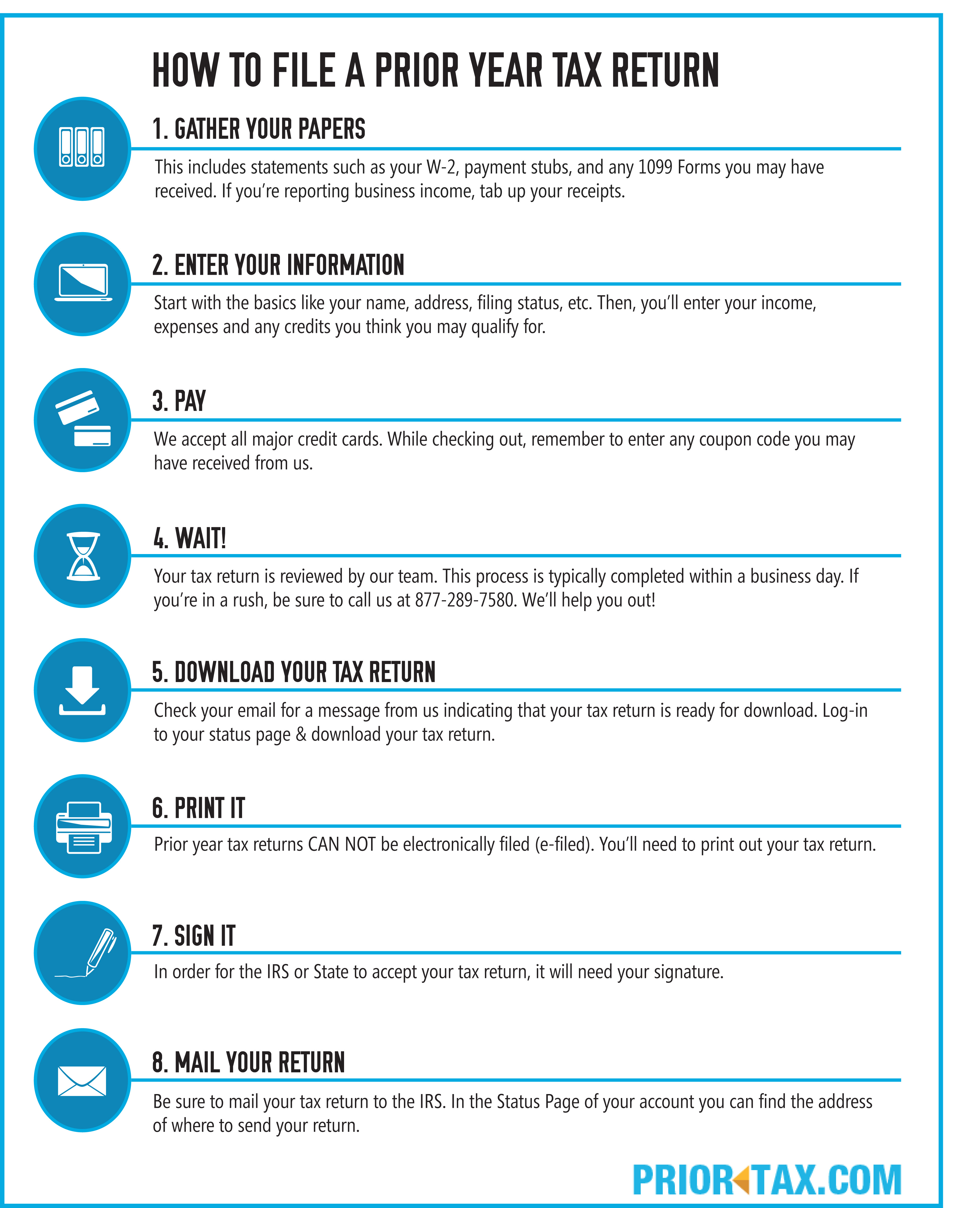
While increasingly less common, paper filing remains an option. You download and print the necessary forms from your tax authority’s website, manually fill them out, and mail them in.
- When It’s Used: Sometimes preferred by those uncomfortable with technology, or in specific cases where electronic filing isn’t supported for a particular form or situation.
- Disadvantages: Slower processing times for refunds, higher chance of manual errors, and no immediate confirmation of receipt. It also requires more proactive effort to ensure you have the correct and most up-to-date forms.
Step-by-Step Application Process
Once you’ve chosen your method, the actual process of applying for tax involves a systematic input of your financial data, meticulous review, and final submission. While specifics may vary slightly by software or preparer, the core steps remain consistent.
Setting Up Your Account or Software
If using online software or a government portal, you’ll typically start by creating an account or logging in. For desktop software, you’ll install it and likely set up a profile. This usually involves basic personal information like your name, address, Social Security Number (or equivalent), and creating a secure password. If you’re a returning user, your previous year’s data may be imported, saving significant time.
Inputting Income and Personal Information
This is where you systematically enter all the income data you gathered in the preparation phase.
- Personal Details: Confirm your filing status, dependents, and other demographic information.
- W-2 Data: Input the boxes from your W-2 forms. Many software programs allow you to upload a PDF or even import data directly from your employer, reducing manual entry.
- 1099 Data: Enter information from all 1099 forms (INT, DIV, B, NEC, MISC, etc.).
- Business Income and Expenses: If applicable, you’ll use a separate section (like Schedule C) to detail your business revenue and itemized expenses, calculating your net profit or loss.
- Other Income: Report any other taxable income not covered by the above categories.
Accurate and complete data entry is crucial. Double-check every number against your source documents.
Maximizing Deductions and Credits
This is where diligent preparation pays off. The software or your tax preparer will prompt you to enter information related to potential deductions and credits.
- Standard Deduction vs. Itemized Deductions: Most taxpayers claim the standard deduction. However, if your eligible itemized deductions (e.g., mortgage interest, state and local taxes, medical expenses, charitable contributions) exceed the standard deduction amount for your filing status, you’ll want to itemize. The software will usually help you determine which is more beneficial.
- Tax Credits: Enter details for any applicable tax credits, such as the Child Tax Credit, Earned Income Tax Credit, education credits, or credits for energy-efficient home improvements. Credits directly reduce your tax liability dollar-for-dollar and are incredibly valuable.
The goal here is to legally reduce your taxable income and direct tax owed as much as possible.
Reviewing Your Return for Accuracy
Before hitting “submit,” a thorough review is non-negotiable.
- Software Checks: Most tax software includes built-in error checkers that flag potential issues or missing information. Pay close attention to these warnings.
- Manual Review: Compare the summary of your return against your W-2s, 1099s, and expense records one last time. Ensure all income is reported, and all deductions and credits are correctly applied.
- Prior Year Comparison: If using software that imports prior year data, compare key figures to ensure consistency or understand significant changes.
- Seek Assistance: If you’re unsure about any aspect, don’t guess. Consult the software’s help section, the tax authority’s website, or a tax professional.
An accurate return prevents delays, penalties, or the need for amendments later.
Submitting Your Application
Once you are confident in the accuracy of your return, it’s time to submit.
- E-filing: If filing electronically, you’ll typically click a “Submit” or “E-file” button within your software or portal. You will receive an immediate confirmation that your return has been transmitted and, usually within 24-48 hours, a second confirmation that it has been “accepted” by the tax authority. This acceptance is your official proof of filing.
- Paper Filing: If filing by mail, place all necessary forms in an envelope, ensure sufficient postage, and mail it to the correct address provided by your tax authority. It’s often recommended to send it via certified mail with a return receipt requested for proof of mailing.
Keep a copy of your submitted return, along with all supporting documents, for your records.
Post-Application: What Happens Next?
Submitting your tax application isn’t the absolute end of the process. There are still crucial steps and considerations to handle after your return has been filed, particularly regarding payments, refunds, and ongoing record-keeping.
Making Your Tax Payment (If Applicable)
If your tax return indicates that you owe taxes, you must make that payment by the filing deadline (typically April 15th, even if you filed for an extension).
- Electronic Payment: The easiest and most secure method is usually electronic. Most tax authorities offer direct payment options through their websites, or you can often pay directly through your tax software via direct debit from your bank account.
- Other Methods: You can also pay by credit/debit card (though often with a processing fee), or by mail with a check or money order (using the appropriate payment voucher provided by your tax authority).
- Estimated Taxes: If you are self-employed or have significant income not subject to withholding, you may be required to pay estimated taxes quarterly throughout the year to avoid underpayment penalties. Your tax software or professional can help calculate these.
Failure to pay on time, even if you filed on time, can result in penalties and interest.
Receiving Your Refund (If Applicable)
If your withholding or estimated tax payments exceeded your total tax liability, you are due a refund.
- Direct Deposit: Opting for direct deposit into your bank account is the fastest way to receive your refund. Most e-filing methods offer this option.
- Paper Check: You can also choose to receive a paper check in the mail, though this takes significantly longer.
- Refund Status Trackers: Most national tax authorities provide online tools where you can track the status of your refund using your Social Security Number and the exact refund amount.
While a refund might feel like a bonus, it essentially means you overpaid your taxes throughout the year. While not necessarily a bad thing, it could indicate that you could adjust your withholding or estimated payments to have more access to your money throughout the year.
Record Keeping Best Practices
Your responsibility doesn’t end once your return is filed and your payment/refund is processed. Maintaining thorough records is paramount.
- Keep Copies: Always retain a copy of your filed tax return (both federal and state, if applicable) and all supporting documentation (W-2s, 1099s, receipts, bank statements) for a minimum of three years from the date you filed the original return or two years from the date you paid the tax, whichever is later. For certain situations (e.g., unreported income, claiming losses from worthless securities), the retention period can be much longer.
- Organized Storage: Store your records in a safe, organized manner. This could be in a physical file cabinet or, increasingly common, digitally on a secure cloud storage service or external hard drive. Ensure digital copies are backed up.
- Why It Matters: Good record-keeping is crucial in case of an audit, to correct mistakes, or to help prepare future tax returns.
What to Do if You Made a Mistake (Amendments)
Discovering an error after filing your return can be unsettling, but it’s correctable.
- Amended Return: You’ll need to file an amended return (e.g., Form 1040-X in the U.S.) to correct any inaccuracies. This form is used to report changes to your income, deductions, credits, or filing status.
- Timeliness: File an amended return as soon as you discover the error. If the mistake results in additional tax owed, filing promptly can help minimize penalties and interest. If it results in a larger refund, you generally have a limited time (often three years from the date you filed your original return or two years from the date you paid the tax, whichever is later) to claim it.
Understanding Potential Audits
While most tax returns are processed without further scrutiny, a small percentage are selected for audit.
- Reasons for Audit: Audits can be triggered by discrepancies, significant deductions relative to income, or simply random selection.
- What to Expect: An audit typically begins with a letter from the tax authority requesting additional information or clarification on specific items on your return.
- How to Prepare: This is where your diligent record-keeping becomes invaluable. Having all your supporting documents readily accessible and organized allows you to respond accurately and efficiently to audit inquiries. It is advisable to consult a tax professional if you receive an audit notice.
Applying for tax, or rather, completing your tax obligations, is an annual financial cornerstone. By understanding your responsibilities, meticulously preparing your documents, choosing the right filing method, and carefully executing each step, you can navigate the process with confidence, ensure compliance, and optimize your financial outcomes. The landscape of taxation may seem daunting, but with a structured approach, it becomes a manageable and empowering aspect of your personal and business finance.
aViewFromTheCave is a participant in the Amazon Services LLC Associates Program, an affiliate advertising program designed to provide a means for sites to earn advertising fees by advertising and linking to Amazon.com. Amazon, the Amazon logo, AmazonSupply, and the AmazonSupply logo are trademarks of Amazon.com, Inc. or its affiliates. As an Amazon Associate we earn affiliate commissions from qualifying purchases.