
Securing capital is a cornerstone of small business success, and while loans and equity investments are common avenues, small business grants offer a unique, non-dilutive form of funding. Unlike loans, grants do not require repayment, and unlike equity, they do not dilute ownership. Navigating the grant application landscape, however, demands strategic planning, meticulous attention to detail, and a deep understanding of what grantors seek. This guide will walk through the essential steps to position your business for grant success.
Understanding Small Business Grants
Before diving into the application process, it’s crucial to grasp the fundamental nature of grants and their role in the small business ecosystem.
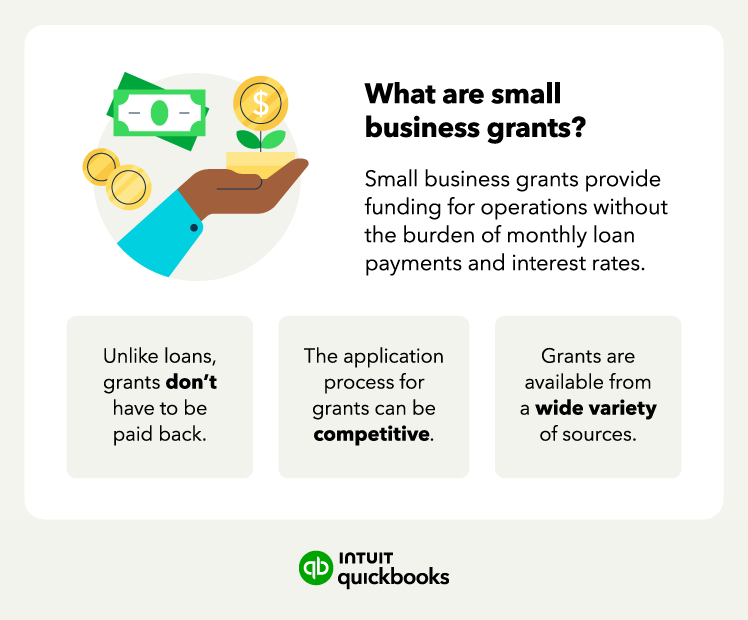
What is a Grant?
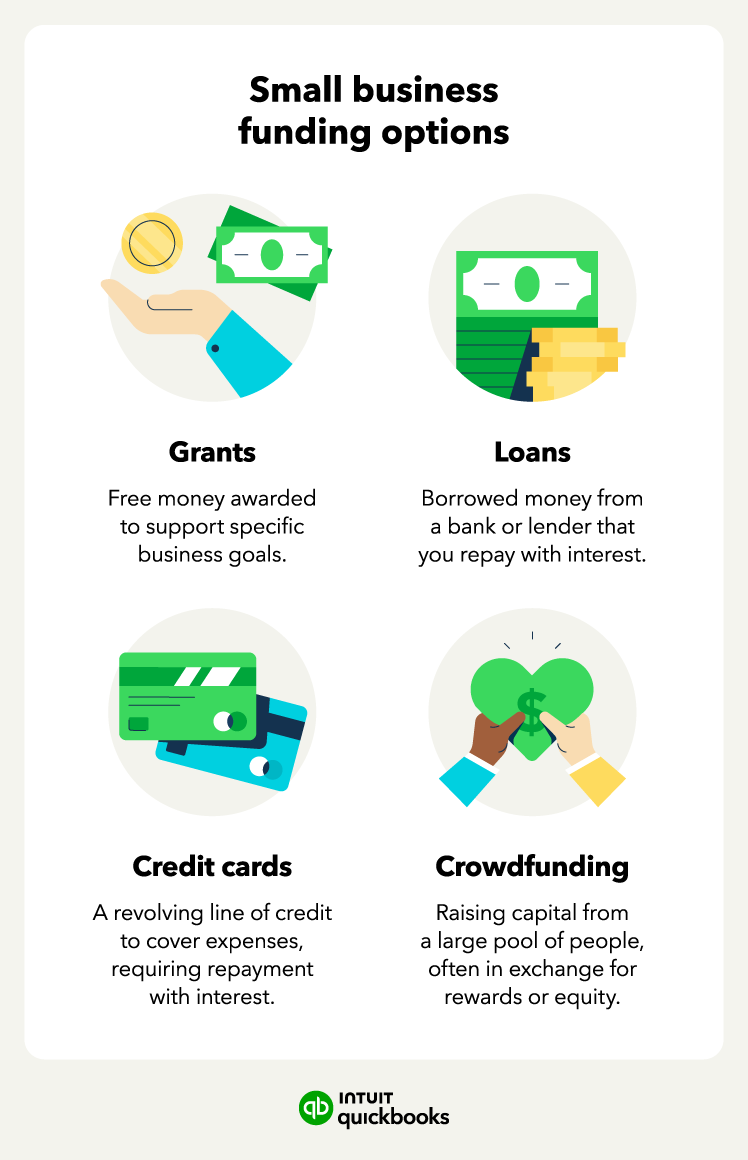
A grant is a sum of money awarded to an individual or organization for a specific purpose, often with the expectation that the recipient will fulfill certain conditions or achieve particular outcomes. Grants are typically provided by government agencies, foundations, corporations, or non-profit organizations. Their primary goal is often to stimulate economic growth, support social good, foster innovation, or address specific community needs. For small businesses, grants can be a lifeline, funding everything from startup costs and operational expenses to research and development or expansion projects.
Why Grants Matter for Small Businesses
For many small businesses, particularly startups and those in underserved communities or niche industries, traditional financing can be challenging to obtain. Grants present a compelling alternative for several reasons:
- Non-dilutive Capital: Recipients retain full ownership and control of their business, as grants do not require an exchange for equity.
- No Repayment Burden: Unlike loans, grants do not accumulate interest or require scheduled repayments, freeing up cash flow.
- Validation and Credibility: Receiving a grant can act as a powerful endorsement of your business idea or model, enhancing credibility with future investors, customers, and partners.
- Targeted Funding: Many grants are highly specific, designed to support businesses that align with particular social, economic, or technological goals. This targeted approach can be highly beneficial for businesses operating within those areas.
Common Misconceptions
It’s important to dispel common myths about grants. Grants are not “free money.” They are highly competitive and come with stringent application requirements, reporting obligations, and often, specific usage stipulations. They are not a substitute for a sustainable business model but rather a catalyst or supplement to achieve specific milestones or overcome particular challenges. Expecting grants to fund general operating costs without a clear, measurable project can lead to disappointment.
Finding the Right Grant Opportunities
The first significant hurdle in the grant application process is identifying opportunities that align with your business, its mission, and its needs.
Government Grants (Federal, State, Local)
Government entities are major sources of grant funding, often focusing on areas like economic development, job creation, innovation, and support for specific demographics (e.g., women-owned, veteran-owned, minority-owned businesses).
- Federal Grants: In the U.S., Grants.gov is the primary portal for federal grants. Agencies like the Small Business Administration (SBA), National Institutes of Health (NIH), and Department of Energy (DOE) offer various programs. These are often complex and highly competitive but can provide substantial funding.
- State and Local Grants: Many states and municipalities offer grants to stimulate local economies, support specific industries, or revitalize certain areas. Local Chambers of Commerce, economic development agencies, and state government websites are excellent resources for these opportunities.
Private and Corporate Foundations
Foundations, established by individuals, families, or corporations, often have specific philanthropic missions. They may focus on education, environmental causes, arts, or support for certain types of businesses or communities. Websites like Foundation Group or Candid’s Foundation Directory Online can help uncover these opportunities. Researching a foundation’s past grantees and mission statements is crucial to ensure alignment.
Industry-Specific Organizations
Trade associations and industry groups often have grant programs designed to foster innovation or growth within their sector. If your business belongs to a specific industry, explore its leading associations for potential funding. For example, a tech startup might look to tech incubators or venture capital firms that offer grant-like programs, while a food business might find grants from agricultural organizations.
Online Grant Databases and Resources
Beyond government portals and foundation directories, several online platforms consolidate grant opportunities from various sources. Examples include GrantWatch, Submittable, and various entrepreneurship resource websites. While these can be helpful, always cross-reference the information with the original grantor’s website to ensure accuracy and updated deadlines.
Crafting a Winning Grant Application
Once you’ve identified promising grants, the real work begins: assembling an application that stands out.
Eligibility and Requirements: Read Carefully
This cannot be stressed enough. Before investing significant time, meticulously review the eligibility criteria, submission guidelines, and required documents. Many applications are rejected simply because they fail to meet a basic requirement. Pay attention to details like business size, revenue limits, geographic location, industry, and project scope.

The Business Plan: Your Foundation
A well-structured and comprehensive business plan is often the bedrock of any strong grant application. It demonstrates your understanding of the market, your operational strategy, your management team’s capabilities, and your financial viability. Ensure your business plan clearly articulates:
- Executive Summary: A concise overview of your business, its mission, and your request.
- Company Description: What your business does, its legal structure, and its history.
- Market Analysis: Understanding your target market, competitors, and competitive advantages.
- Organization & Management: The structure of your business and the key players.
- Service or Product Line: A detailed description of what you offer.
- Marketing & Sales Strategy: How you will reach your customers.
- Financial Projections: Realistic forecasts for revenue, expenses, and profitability.
Project Proposal: Clearly Define Your Needs
Beyond the general business plan, most grants require a specific project proposal detailing how the grant funds will be used. This section needs to be precise, compelling, and aligned with the grantor’s objectives.
- Problem Statement: Clearly articulate the problem your project aims to solve or the need it addresses.
- Project Goals and Objectives: Define what you aim to achieve, ensuring objectives are SMART (Specific, Measurable, Achievable, Relevant, Time-bound).
- Methodology/Activities: Outline the steps you will take to achieve your objectives.
- Timeline: A realistic schedule for project completion.
- Expected Outcomes and Impact: How your project will benefit your business, your community, or the grantor’s mission. Quantify impact wherever possible.
Financial Projections and Impact Statement
Your financial projections should be detailed and realistic, showing how the grant funds will integrate into your overall financial strategy and contribute to the sustainability or growth of your business. Provide a budget justification that explains how each dollar of the grant will be spent, demonstrating cost-effectiveness and prudence. The impact statement should clearly link the financial investment to measurable results and long-term value creation.
Supporting Documentation
Always prepare a robust package of supporting documents. This might include:
- Tax returns (business and personal)
- Financial statements (balance sheet, income statement, cash flow statement)
- Resumes of key personnel
- Letters of recommendation or support
- Permits, licenses, or certifications
- Marketing materials or product samples
Ensure all documents are current, organized, and professionally presented.
The Application Process: Tips for Success
The journey from identifying a grant to securing funding is often long and requires perseverance.
Start Early and Plan Ahead
Grant applications are rarely simple forms to fill out quickly. They require significant research, writing, and compilation of documents. Begin preparing well in advance of the deadline, allowing ample time for drafting, revisions, and gathering all necessary supporting materials. Create a timeline and assign responsibilities if multiple people are involved.
Seek Feedback and Proofread Meticulously
A fresh pair of eyes can catch errors or unclear passages that you might overlook. Ask a trusted advisor, mentor, or even a colleague to review your entire application package. Proofread for grammatical errors, typos, and inconsistencies. A professionally written, error-free application conveys credibility and attention to detail.
Follow Up (When Appropriate)
Some grantors explicitly state their policy on inquiries; always respect these guidelines. If permissible, a polite follow-up email after a reasonable period can be appropriate, but avoid being overly persistent or demanding. Focus on expressing continued interest and offering to provide any additional information requested.
Be Persistent and Learn from Rejection
The world of grants is highly competitive, and rejection is a common experience. Do not let it discourage you. Instead, use it as a learning opportunity. If possible, ask for feedback on your application. Understand where it fell short, refine your approach, and apply again to other suitable opportunities. Each application provides valuable experience and insights that can improve your chances for future success.
Managing Your Grant Funds Responsibly
Securing a grant is only the first step. Responsible management of the funds is crucial for fulfilling your obligations and maintaining a positive relationship with the grantor.
Adhere to Reporting Requirements
Grants typically come with specific reporting obligations. This may include financial reports detailing how funds were spent, progress reports on project milestones, and impact reports on the outcomes achieved. Strictly adhere to all reporting schedules and formats. Failure to comply can jeopardize future funding opportunities or even result in the clawback of funds.
Utilize Funds as Intended
Grants are awarded for specific purposes outlined in your application. Using funds for unapproved expenditures can lead to serious consequences. Maintain meticulous records of all expenses, keeping them separate from other business accounts if necessary, to demonstrate that the funds were utilized exactly as proposed and approved.
Track Progress and Outcomes
Continuously track the progress of your project against the objectives you set forth in your application. Measure the impact of the grant funds on your business and the broader community. This data will be invaluable for your reports and can also serve as powerful testimonials for future funding applications, demonstrating your capacity to execute and deliver results.
Applying for small business grants is a strategic undertaking that requires significant effort and preparation. By understanding the landscape, meticulously crafting your application, and diligently managing any awarded funds, your business can leverage this valuable source of non-dilutive capital to achieve its growth and impact goals.
aViewFromTheCave is a participant in the Amazon Services LLC Associates Program, an affiliate advertising program designed to provide a means for sites to earn advertising fees by advertising and linking to Amazon.com. Amazon, the Amazon logo, AmazonSupply, and the AmazonSupply logo are trademarks of Amazon.com, Inc. or its affiliates. As an Amazon Associate we earn affiliate commissions from qualifying purchases.