
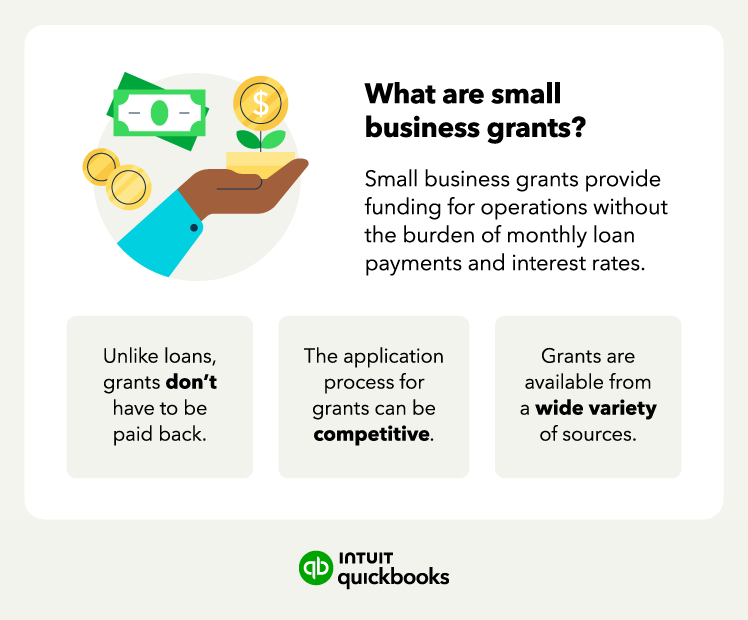
Securing a small business grant can be a transformative financial injection, offering capital without the burden of repayment or equity dilution. Unlike loans, grants are essentially free money, provided by government agencies, foundations, or corporations to stimulate economic growth, support specific industries, or address community needs. However, the process is highly competitive and demands meticulous preparation, strategic research, and a clear understanding of what funders are looking for. This guide delves into the financial intricacies of identifying, applying for, and ultimately winning small business grants.
Understanding Small Business Grants as a Financial Tool
Small business grants serve as a vital non-dilutive funding source, distinct from traditional debt or equity financing. Funders typically award grants to projects or businesses that align with their mission, whether it’s fostering innovation, creating jobs, promoting sustainable practices, or supporting underserved communities. Understanding the different types of grants and their underlying motivations is the first step in positioning your business for success.

Types of Grants and Their Funders
- Government Grants: These are perhaps the most well-known. Federal agencies, state governments, and local municipalities often allocate funds to support small businesses. Federal grants, such as those from the Small Business Administration (SBA), National Institutes of Health (NIH), or Department of Energy (DOE), are frequently tied to specific research and development (e.g., Small Business Innovation Research – SBIR, Small Business Technology Transfer – STTR) or broader economic development goals. State and local grants tend to focus on regional job creation, industry-specific growth (e.g., agriculture, manufacturing), or community revitalization projects.
- Foundation Grants: Private and community foundations often have specific philanthropic missions. Their grants typically target non-profit organizations, but many also offer funding to for-profit businesses engaged in activities that align with their charitable goals, especially those with a clear social impact or community benefit. Researching a foundation’s past giving, mission statement, and areas of focus is crucial.
- Corporate Grants: Larger corporations sometimes offer grants as part of their corporate social responsibility (CSR) initiatives. These grants are often aimed at supporting local communities, promoting diversity, or fostering innovation within specific sectors relevant to the corporation’s business. They can be highly strategic and require applicants to demonstrate a clear alignment with the company’s values and objectives.
The key financial advantage of grants is that they do not need to be repaid, nor do they require you to give up ownership in your company. This makes them particularly attractive for startups and businesses with limited access to conventional capital. However, grants often come with strict reporting requirements, ensuring the funds are used precisely as outlined in the application.
Eligibility and Competition
Grant eligibility criteria are often stringent and highly specific. Funders typically look for businesses that:
- Operate within a particular industry or geographic location.
- Meet specific revenue or employee size thresholds.
- Are owned by individuals from certain demographic groups (e.g., women-owned, veteran-owned, minority-owned).
- Propose projects with measurable impacts that align with the funder’s mission.
The competitive landscape for grants is intense. A single grant opportunity can attract hundreds, if not thousands, of applicants. Therefore, a successful application must not only meet all criteria but also stand out through its clarity, compelling narrative, and demonstrated potential for impact.
Where to Find Grant Opportunities
The search for suitable grant opportunities requires diligence and strategic use of various resources. Pinpointing the right grants for your business involves understanding where funders announce their programs and how to filter through the vast landscape of available options.
Government Portals and Agencies
- Grants.gov: For federal opportunities in the United States, Grants.gov is the definitive database. Businesses can search for grants by keyword, agency, category, or eligibility. It’s essential to create an account and register your business (which involves obtaining a Unique Entity Identifier – UEI and registering with the System for Award Management – SAM.gov) well in advance, as this process can take several weeks.
- State and Local Economic Development Websites: Most state departments of commerce or economic development agencies maintain websites listing grant programs specific to their region. Similarly, city and county economic development offices or chambers of commerce often have information on local grants, incentives, and resources. These are particularly valuable for businesses with a strong local presence and impact.
- Small Business Administration (SBA): While the SBA primarily offers loan programs, they also provide extensive resources and guidance on accessing grants, particularly through their network of Small Business Development Centers (SBDCs) and Women’s Business Centers. They can help businesses identify relevant federal and state opportunities.
Foundation and Corporate Databases
- Candid (Foundation Directory Online): This is a premier resource for researching private and community foundations. While a subscription service, many public libraries offer free access to the Foundation Directory Online, making it an invaluable tool for identifying non-profit funders.
- Corporate Websites and CSR Reports: Directly visiting the websites of large corporations you believe align with your business values or industry can uncover their grant programs. Many companies publish annual Corporate Social Responsibility (CSR) reports detailing their philanthropic initiatives and giving priorities.
- Industry-Specific Associations: Trade associations and professional organizations often maintain lists of grants relevant to their sector. These organizations can be excellent sources for niche grants that align perfectly with your industry’s specific needs or innovations.
Local Resources and Networking
- Small Business Development Centers (SBDCs): SBDCs provide free, one-on-one counseling and training to small business owners, including assistance with identifying grant opportunities and crafting compelling applications. Their advisors often have deep knowledge of local and regional funding sources.
- SCORE Mentors: SCORE, a non-profit association, offers free mentoring and workshops. Many SCORE mentors have experience with grant writing and can guide you through the process.
- Community Development Financial Institutions (CDFIs): These specialized financial institutions often work with underserved communities and can provide both financing and technical assistance, including help with grant applications, to eligible small businesses.
- Networking Events: Attending local business events, conferences, and workshops can connect you with potential funders, grant program managers, and other entrepreneurs who have successfully secured grants. Personal connections can sometimes provide insights not found online.
Crafting a Compelling Grant Application
A successful grant application is more than just a request for money; it’s a meticulously crafted proposal that tells a persuasive story, backed by solid data and a clear financial plan. Funders are looking for a strong return on their investment, which means demonstrating how your business will use their funds effectively to achieve specific, measurable outcomes that align with their mission.
Aligning with the Funder’s Mission
The cornerstone of a compelling application is demonstrating a profound understanding of the funder’s goals. Every grant program has a specific purpose. Your application must clearly articulate how your business or project directly contributes to fulfilling that purpose.
- Research: Deeply research the funder’s mission statement, values, past awards, and specific program guidelines.
- Tailor Your Narrative: Customize every aspect of your application—from your executive summary to your budget—to speak directly to the funder’s priorities. Avoid generic applications.
Articulating Your Project and Its Impact
Funders want to know precisely what problem your business solves and how their grant will enable you to solve it better or on a larger scale.
- Problem Statement: Clearly define the specific need or challenge your business addresses.
- Solution and Activities: Detail how your product, service, or project will tackle this problem. Outline the specific activities you will undertake with the grant funds.
- Measurable Outcomes and Impact: This is critical. Quantify the anticipated results. How many jobs will be created? What revenue growth is projected? How many customers will be served? What environmental or social benefits will accrue? Funders want to see a tangible return on their investment, so focus on quantifiable benefits that align with their funding objectives.
Robust Financial Projections and Budget
The financial section is where many applications either shine or falter. Grantors need to be confident that their funds will be managed responsibly and will achieve the stated objectives.
- Detailed Budget: Provide a clear, itemized budget that shows exactly how every dollar of the grant money will be spent. Be specific: equipment purchases, salaries, marketing, research, rent, utilities. Justify each expense in relation to the project goals.
- Budget Narrative: Explain why each item in your budget is necessary for the project’s success.
- Sustainability Plan: Grant funding is often a catalyst, not a permanent solution. Demonstrate how your business will sustain its operations and continue the project’s impact beyond the grant period. This often involves outlining future revenue streams, other funding sources, or operational efficiencies.
- Existing Financials: Most funders will require recent financial statements (profit and loss, balance sheet, cash flow statement) and possibly tax returns to assess your business’s current financial health and management capabilities.
Demonstrating Capability and Credibility
Funders invest in people and proven concepts. Your application must instill confidence in your team’s ability to execute the proposed project.
- Team Qualifications: Highlight the experience, expertise, and track record of your key personnel. Include relevant resumes or bios.
- Business Plan: A well-developed, strategic business plan is often a prerequisite or a highly recommended supporting document. It demonstrates your foresight, market understanding, and operational strategy.
- Letters of Support: If applicable, include letters from community leaders, clients, or partners endorsing your business and its potential impact.
The Application Process: Key Steps and Best Practices
Navigating the grant application process demands meticulous attention to detail, adherence to strict guidelines, and proactive preparation. Each step, from initial research to final submission, plays a crucial role in increasing your chances of success.
Pre-Application Homework and Due Diligence
Before you even begin writing, invest significant time in understanding the grant opportunity.
- Read the Request for Proposals (RFP) Thoroughly: Every word in the RFP or program guidelines is important. Pay close attention to eligibility criteria, funding priorities, required documentation, and submission instructions. Missing a single requirement can lead to immediate disqualification.
- Attend Information Sessions: Many funders offer webinars, Q&A sessions, or pre-application workshops. These are invaluable for gaining insights, clarifying ambiguities, and demonstrating your engagement.
- Contact Program Officers (If Permitted): Some funders allow direct contact with program officers for specific questions. Use this opportunity wisely, focusing on questions not covered in the public documentation. Avoid asking questions that are clearly answered in the RFP.
Gathering Required Documentation
Grant applications often require an extensive set of supporting documents that attest to your business’s legal standing, financial health, and operational capacity.
- Legal & Business Documents:
- Employer Identification Number (EIN)
- Business registration documents (Articles of Incorporation/Organization)
- Business licenses and permits
- DUNS number (now Unique Entity Identifier – UEI for federal grants via SAM.gov)
- Proof of specific certifications (e.g., women-owned, minority-owned business)
- Financial Documents:
- Current and historical financial statements (P&L, balance sheet, cash flow statements)
- Business tax returns (past 2-3 years)
- Detailed project budget and budget narrative
- Funding commitments from other sources (if applicable)
- Operational & Personnel Documents:
- Comprehensive business plan
- Resumes/CVs of key personnel
- Letters of support or recommendation
- Any relevant permits or certifications related to your project
Strategic Writing and Submission
Your application narrative is your opportunity to convince the funder.
- Be Clear, Concise, and Compelling: Use plain language. Avoid jargon where possible. Every sentence should contribute to your argument.
- Address Every Prompt: Ensure you’ve directly answered all questions and addressed all components of the application.
- Focus on Outcomes: Emphasize the positive changes or impacts your project will create, aligning them with the funder’s objectives.
- Adhere to Formatting Guidelines: Pay attention to page limits, font sizes, file types, and naming conventions. These seemingly minor details are often strict requirements.
- Proofread Meticulously: Typos, grammatical errors, and inconsistencies undermine your professionalism and credibility. Have multiple people review your application, including someone unfamiliar with your business, to catch errors and ensure clarity.
- Submit Early: Technical glitches or last-minute questions can derail an on-time submission. Aim to submit your application several days before the deadline.
What Happens After You Apply?
The period following your grant application submission can be nerve-wracking. Understanding the typical review process and how to manage the waiting period effectively can help you prepare for any outcome.
The Review Process
Once your application is submitted, it enters a multi-stage review process, which can vary significantly depending on the funder and the size of the grant.
- Initial Screening: Applications are often first screened for completeness and adherence to basic eligibility criteria. Any missing documents or unmet basic requirements can lead to early disqualification.
- Merit Review: Qualified applications are then typically reviewed by a panel of experts or a committee. These reviewers assess the proposal’s technical merit, feasibility, potential impact, budget justification, and alignment with the funder’s objectives.
- Funding Decisions: The review committee or board then makes recommendations, and final funding decisions are typically made by the funder’s leadership. This process can take anywhere from a few weeks to several months, sometimes even longer for larger or highly competitive grants.
Managing the Waiting Period
Patience is crucial during the waiting period. While you await a decision:
- Continue Business Operations: Do not halt your business activities or delay other funding pursuits based solely on a grant application. Grant funding is never guaranteed.
- Track Your Application: If the funder provides a portal or system for tracking application status, use it to monitor for updates.
- Resist the Urge to Pester: Avoid excessive follow-up emails or calls unless explicitly invited to do so. Funders are typically overwhelmed with inquiries. If they need more information, they will reach out to you.
Receiving the Outcome
The notification of an outcome will arrive, whether positive or negative. Each scenario presents an opportunity.
If Approved:
- Review the Award Agreement: Carefully read and understand all terms and conditions of the grant award. This includes reporting requirements, milestones, timelines for fund disbursement, and any compliance obligations.
- Financial Management: Set up a dedicated accounting system to track grant expenditures separately. This is crucial for accurate reporting and compliance, preventing commingling of funds, and demonstrating responsible financial stewardship.
- Communication and Reporting: Be prepared for regular communication with the funder and to submit timely progress reports as required. Failure to comply with reporting can jeopardize current and future funding.
- Publicity: Many funders appreciate public acknowledgement. Discuss with them appropriate ways to share news of the award.

If Rejected:
- Don’t Be Discouraged: Grant rejection is common, even for strong applications. The competition is fierce, and funding decisions can sometimes be influenced by factors beyond the quality of your proposal.
- Request Feedback (If Possible): If the funder offers post-rejection feedback, take advantage of it. Constructive criticism can be invaluable for identifying weaknesses in your application, strengthening your project concept, or refining your approach for future opportunities.
- Learn and Reapply: Analyze why your application might not have been selected. Was it a lack of alignment? A weak budget? Insufficient impact? Use the feedback to improve your next application. Many businesses secure grants only after multiple attempts. Persistence and continuous refinement are key to grant success.
Applying for small business grants is a strategic endeavor that requires robust planning, a deep understanding of financial management, and effective communication. By meticulously following these steps and maintaining a professional, persistent approach, you significantly enhance your business’s chances of securing this invaluable, non-dilutive funding.
aViewFromTheCave is a participant in the Amazon Services LLC Associates Program, an affiliate advertising program designed to provide a means for sites to earn advertising fees by advertising and linking to Amazon.com. Amazon, the Amazon logo, AmazonSupply, and the AmazonSupply logo are trademarks of Amazon.com, Inc. or its affiliates. As an Amazon Associate we earn affiliate commissions from qualifying purchases.