
Accessing financial products from a reputable institution like Navy Federal Credit Union can offer significant advantages, particularly for military service members, veterans, and their families. Credit cards, in particular, serve as essential tools for managing daily expenses, building credit history, and accessing valuable rewards. Successfully applying for a Navy Federal credit card involves understanding eligibility, selecting the appropriate card, and meticulously preparing your application. This guide delves into the specifics, offering a professional and insightful pathway to securing a Navy Federal credit card.
Understanding Navy Federal Membership Eligibility
Before even considering a credit card application, the foundational requirement for any Navy Federal product is membership. Unlike traditional banks, credit unions operate on a member-owned model, necessitating a specific affiliation.

Who Can Join?
Navy Federal Credit Union serves a distinct community, primarily focused on the military and their immediate families. Eligibility extends to:
- All Department of Defense (DoD) civilian personnel: This includes employees of the Army, Marine Corps, Navy, Air Force, Coast Guard, Space Force, National Guard, and DoD contractors.
- Active Duty, Reserve, and National Guard personnel: Across all branches of the U.S. armed forces.
- Veterans and Retirees: Those who have honorably served in any branch of the U.S. military.
- Family members: A broad category that includes spouses, children (including adopted and stepchildren), parents, grandparents, and grandchildren of eligible individuals. Siblings are also often included, as are household members. It’s important to note that once someone is a member, their immediate family can also join, even if the primary qualifying family member isn’t a member themselves.
The Importance of Membership
Membership is not merely a formality; it’s the gateway to every financial product and service Navy Federal offers, from checking and savings accounts to loans and credit cards. If you meet the eligibility criteria but are not yet a member, your first step will be to open a savings account with a minimum deposit, which typically establishes your membership. The credit card application process can often be initiated concurrently with or immediately after your membership application, especially if applying online. Ensuring your eligibility is confirmed and your membership established simplifies the subsequent credit card application immensely.
Choosing the Right Navy Federal Credit Card
Navy Federal boasts a diverse portfolio of credit cards, each designed to cater to different financial needs and spending habits. Selecting the right card is crucial for maximizing benefits and aligning with your personal finance strategy.
Diverse Card Offerings
Navy Federal’s credit card lineup is comprehensive, featuring options for various financial profiles and goals:
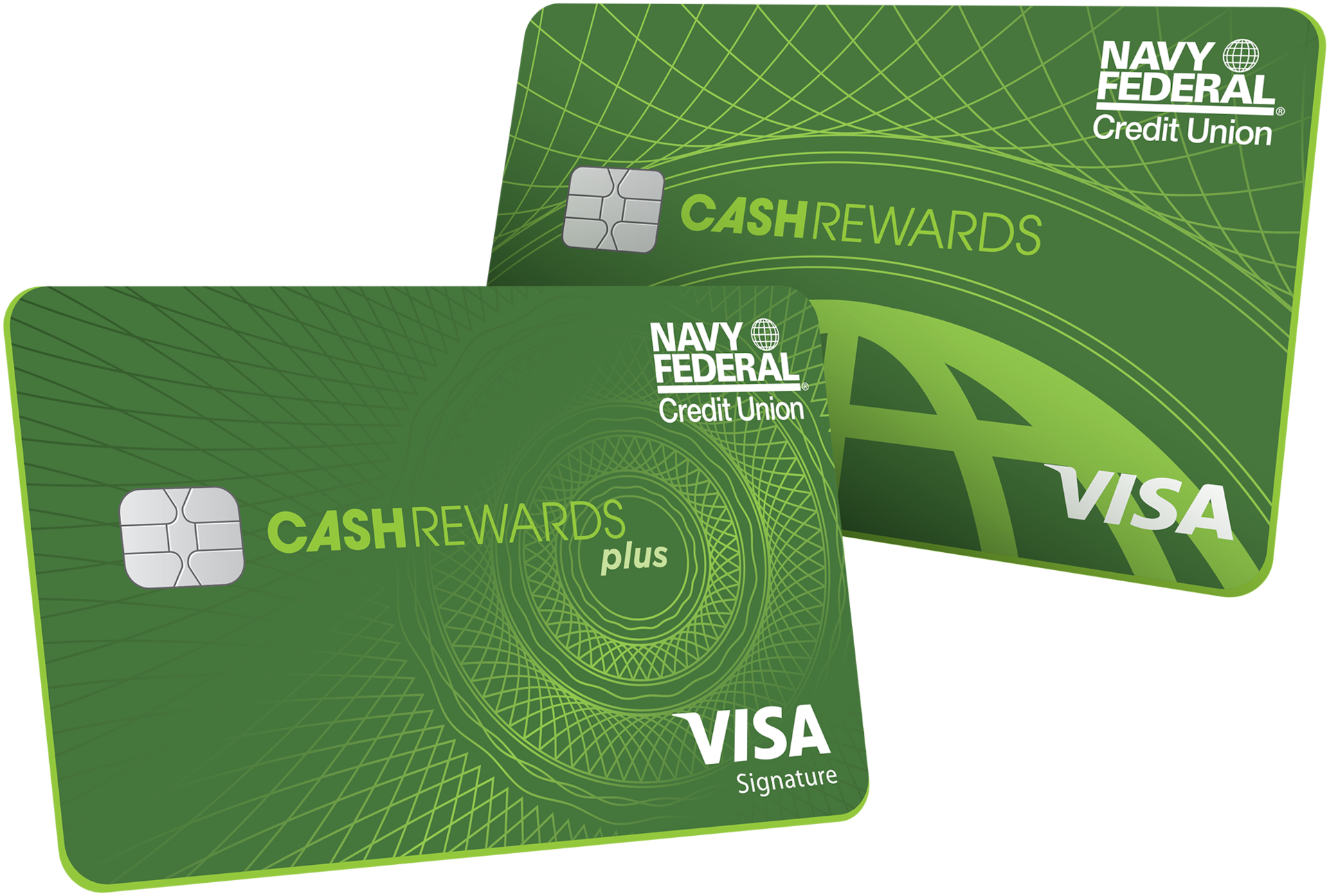
- CashRewards: Ideal for those who prefer straightforward cash back on everyday purchases, often with no annual fee.
- More Rewards American Express® Card: Geared towards everyday spenders who value bonus rewards in categories like gas, groceries, and restaurants.
- Platinum Credit Card: A strong choice for individuals seeking a low introductory APR on balance transfers and purchases, making it suitable for managing existing debt or large upcoming expenses.
- Secured Credit Card: An excellent option for individuals looking to build or rebuild their credit history. It requires a security deposit, which typically determines your credit limit.
- Flagship Rewards Visa Signature® Card: Designed for frequent travelers and high spenders, offering premium rewards on all purchases, travel benefits, and often a higher annual fee.
- GO REWARDS® Credit Card: Another rewards card focused on specific spending categories popular with military families, such as gas, dining, and travel.
Assessing Your Financial Goals
Before applying, take a moment to honestly evaluate your financial situation and objectives:
- Do you prioritize rewards for travel or cash back? If so, look at cards like Flagship or CashRewards.
- Are you looking to pay down high-interest debt? The Platinum card’s balance transfer offer might be your best bet.
- Is your primary goal to establish or improve your credit score? A Secured card or a low-limit CashRewards card could be suitable.
- How do you typically spend your money? Match the card’s bonus categories with your highest spending areas to maximize rewards.
Key Features to Compare
A thorough comparison of key features will help pinpoint the ideal card:
- Annual Percentage Rate (APR): Understand both the purchase APR and any promotional APRs for balance transfers or introductory periods. A lower APR is always beneficial, especially if you anticipate carrying a balance.
- Annual Fees: While many Navy Federal cards have no annual fee, some premium cards do. Weigh the benefits against the cost to ensure the fee is justified.
- Rewards Structure: Detail the points, miles, or cash back earned per dollar spent, especially in bonus categories. Understand how rewards are redeemed.
- Balance Transfer Options: If transferring debt, examine the transfer fee and the introductory APR period.
- Foreign Transaction Fees: Crucial for those who travel internationally, as these fees can add up quickly.
- Sign-up Bonuses: Consider any initial bonus offers that can significantly boost your rewards early on.
Preparing for Your Application
A well-prepared application significantly increases your chances of approval. This involves gathering necessary documentation and understanding the financial metrics lenders use to evaluate your creditworthiness.
Essential Documentation
When applying, either online or in person, you’ll need to provide several pieces of information and potentially supporting documents:
- Proof of Identity: Government-issued ID such as a driver’s license, state ID, or passport.
- Social Security Number (SSN): Required for credit checks and identification.
- Proof of Income: Pay stubs, W-2s, tax returns, or bank statements to verify your ability to repay debt. Navy Federal typically considers gross income.
- Current Address: Utility bills or other official mail may be requested to confirm residency.
- Navy Federal Membership Information: If you are already a member, have your member number readily available. If applying for membership simultaneously, have your qualifying service or family member’s details.
Credit Score Considerations
Your credit score is a critical factor lenders use to assess your credit risk. Navy Federal, like other financial institutions, relies heavily on FICO scores:
- Excellent Credit (740-850): Opens doors to premium cards with the best rates and rewards.
- Good Credit (670-739): Qualifies for a broad range of cards, often with competitive rates.
- Fair Credit (580-669): May qualify for some cards, but potentially with higher APRs or lower limits. Secured cards are excellent options here.
- Poor Credit (300-579): Approval for unsecured cards is challenging; secured cards are almost always the best starting point.
It’s highly advisable to check your credit report and score from all three major bureaus (Experian, Equifax, TransUnion) before applying. You can do this annually for free at AnnualCreditReport.com. Reviewing your report allows you to identify and dispute any errors that could negatively impact your score.
Debt-to-Income Ratio
Your Debt-to-Income (DTI) ratio is another key metric. It’s the percentage of your gross monthly income that goes towards paying your monthly debt payments. Lenders prefer a lower DTI because it indicates you have more disposable income to manage new debt. Generally, a DTI below 36% is considered favorable, though some lenders might approve applicants with a DTI up to 43-50% depending on other factors. To calculate your DTI, sum up your monthly debt payments (mortgage/rent, car loans, student loans, minimum credit card payments) and divide by your gross monthly income.
Navigating the Application Process
Applying for a Navy Federal credit card is a streamlined process, available through multiple channels. Understanding each step ensures a smooth experience.
Online Application: Step-by-Step
The online application is generally the quickest and most convenient method:
- Visit the Navy Federal Website: Navigate to the credit cards section.
- Browse Cards and Select: Carefully review the card options and choose the one that best fits your needs.
- Start Application: Click the “Apply Now” button for your chosen card.
- Membership Verification: If you are an existing member, you will log in. If not, you will typically be guided through the membership application first, or it will be integrated into the credit card application flow.
- Personal Information: Provide your full name, SSN, date of birth, contact information, and residential address history.
- Employment and Income: Detail your employment status, employer’s name, and your gross annual income. You may also include other sources of income.
- Financial Information: Report your monthly housing payment (rent or mortgage), other monthly debt obligations, and any existing Navy Federal accounts.
- Review and Submit: Carefully review all entered information for accuracy before submitting your application. Any discrepancies could lead to delays or denial.
In-Branch Application
For those who prefer face-to-face assistance or have complex situations, applying at a Navy Federal branch can be beneficial:
- Personalized Guidance: A financial representative can walk you through the options, answer questions, and assist with filling out the application accurately.
- Document Verification: You can present required documents directly, potentially speeding up the verification process.
- Immediate Feedback: While not guaranteed for instant approval, the representative can often provide immediate feedback on your eligibility or highlight potential issues.
- Find a Branch: Use the Navy Federal website to locate the nearest branch and consider calling ahead to schedule an appointment.
What Happens After You Apply?
Once you submit your application, the waiting period can vary:
- Instant Decision: Many online applications result in an instant approval or denial, especially for applicants with strong credit profiles.
- Pending Review: If your application requires further review, Navy Federal may request additional documentation or information. This could be due to unique income situations, recent credit inquiries, or if your application falls on the borderline of approval criteria. You will typically receive an email or letter detailing what is needed.
- Decision Notification: Regardless of the outcome, Navy Federal will notify you of their decision via email or postal mail. If denied, the letter will provide the reasons for the denial, which is valuable information for improving your creditworthiness in the future.
Maximizing Your Chances of Approval and Responsible Use
Beyond simply filling out the form, strategic preparation and post-approval practices are key to a successful experience with your Navy Federal credit card.
Strategies for a Strong Application
To enhance your likelihood of approval, consider these proactive steps:
- Review Your Credit Report Thoroughly: Before applying, pull your credit report from all three bureaus. Dispute any inaccuracies, as even small errors can negatively impact your score.
- Reduce Existing Debt: A lower debt-to-income ratio makes you a more attractive borrower. Focus on paying down high-interest debt or reducing credit card balances before applying.
- Maintain Stable Employment and Income: Lenders look for stability. Consistent employment and a reliable income source demonstrate your capacity to manage new credit.
- Avoid Multiple Recent Credit Applications: Each hard inquiry can temporarily dip your credit score. Space out credit applications to avoid looking like you’re desperate for credit.
- Ensure Navy Federal Membership: Double-check that your membership is active and in good standing before you apply for the credit card.
Understanding Approval Criteria
While your credit score is crucial, it’s not the only factor. Navy Federal, like other lenders, uses a holistic approach:
- Credit History Length: A longer history of responsible credit use is generally favorable.
- Payment History: A flawless record of on-time payments is paramount.
- Credit Utilization: Keeping your credit utilization ratio (amount of credit used vs. total credit available) low, ideally below 30%, demonstrates responsible management.
- Relationship with Navy Federal: Existing members with other accounts (checking, savings, auto loans) in good standing may have a slight advantage due to their established relationship.
- Income Stability and Capacity: Your ability to afford the monthly payments based on your income and existing debt.

Post-Approval Best Practices
Once approved, responsible credit card management is essential for maintaining a healthy financial profile and maximizing your card’s benefits:
- Pay On Time, Every Time: Set up automatic payments to ensure you never miss a due date. Late payments can severely damage your credit score and incur fees.
- Keep Credit Utilization Low: Aim to use less than 30% of your available credit. Paying your balance in full each month is the ideal scenario.
- Review Statements Regularly: Check for any unauthorized transactions or billing errors.
- Understand Your Rewards Program: Familiarize yourself with how to earn and redeem rewards to get the most value from your card.
- Utilize Benefits: Take advantage of any additional perks like travel insurance, extended warranties, or purchase protection offered by your card.
By diligently following these steps, you can navigate the application process for a Navy Federal credit card with confidence, securing a valuable financial tool that supports your personal financial goals.
aViewFromTheCave is a participant in the Amazon Services LLC Associates Program, an affiliate advertising program designed to provide a means for sites to earn advertising fees by advertising and linking to Amazon.com. Amazon, the Amazon logo, AmazonSupply, and the AmazonSupply logo are trademarks of Amazon.com, Inc. or its affiliates. As an Amazon Associate we earn affiliate commissions from qualifying purchases.