
In the landscape of personal finance, the ability to manage a crisis is just as important as the ability to invest or save. Financial volatility can strike unexpectedly due to medical emergencies, job loss, or the compounding pressures of inflation. When the monthly budget no longer covers basic necessities, food banks serve as a critical bridge to maintain household stability. Understanding how to apply for food bank assistance is not merely a survival tactic; it is a strategic financial move designed to preserve capital for other non-negotiable expenses like housing and utilities. This guide outlines the logistical and financial framework of accessing food assistance, ensuring you can navigate the system with efficiency and dignity.

Understanding the Role of Food Banks in Your Personal Financial Strategy
Food insecurity is often a symptom of a larger financial imbalance. Incorporating community resources into your financial recovery plan can prevent a temporary setback from becoming a long-term debt cycle. By reducing the “food” line item in a strained budget, individuals can redirect limited cash flow toward high-interest debt or essential bills, effectively performing financial triage.
When to Seek Assistance
Many individuals wait until their bank accounts are empty before seeking help, but proactive engagement with food resources is a more effective strategy. If your debt-to-income ratio has shifted significantly, or if your emergency fund is depleted, utilizing a food bank can help you avoid predatory lending or high-interest credit card usage to buy groceries. Seeking help is a prudent financial decision when your essential expenses exceed 70% of your take-home pay, leaving little room for nutritional health.
The Difference Between Food Banks and Food Pantries
From a logistical standpoint, it is important to distinguish between food banks and food pantries. A food bank is typically a large-scale distribution hub that stores and moves millions of pounds of food to smaller local agencies. You generally do not “shop” at a food bank. Instead, you apply to and visit a food pantry or a “distribution site.” The pantry is the front-facing entity that interacts with the public. Knowing this distinction helps in your search; you will look for a food bank’s website to find a directory of local pantries in your specific zip code.
Step-by-Step Guide to the Application Process
The application process for food assistance varies by state and organization, but it generally follows a standardized set of requirements designed to ensure that resources are allocated to those in the greatest financial need. While some pantries offer “low-barrier” access—meaning they require very little information—others are part of state-funded programs that require more rigorous documentation.
Identifying Local Resources
The first step in the application process is locating the correct facility. Most regions are served by a primary food bank that oversees dozens of local partners.
-
Search Aggregators: Use platforms like Feeding America’s “Find Your Local Food Bank” tool.
-
2-1-1 Services: Dialing 2-1-1 on your phone connects you with a community resource specialist who can provide a list of pantries, their hours of operation, and their specific application requirements.
-
Religious and Civic Organizations: Many local churches and community centers host pantries that may not be listed on larger national databases.
Documentation and Eligibility Requirements
Before visiting a pantry, gather the necessary documentation to streamline your application. While some emergency sites provide “TEFAP” (The Emergency Food Assistance Program) commodities based on a self-declaration of need, many require proof of your financial situation.
-
Proof of Identity: A driver’s license, state ID, or passport is standard. If you are applying for a household, you may need birth certificates or social security cards for children.
-
Proof of Residency: A recent utility bill, lease agreement, or mail with a current postmark confirms you live within the pantry’s service area. Most pantries are restricted to serving specific zip codes to prevent the overlapping of resources.
-
Income Verification: This is the most critical component for “needs-based” assistance. You may be asked for recent pay stubs, a letter of termination, or documentation of other benefits like Social Security or Unemployment Insurance. Eligibility is often tied to a percentage of the Federal Poverty Level (FPL), such as 130% or 185% of the FPL.
Navigating the Referral System
In some jurisdictions, you cannot walk directly into a pantry without a referral. This is often the case with high-demand urban centers. Referrals can typically be obtained from social workers, doctors, or local government offices. If a referral is required, it serves as a pre-screening of your financial status, making the intake process at the food pantry much faster.
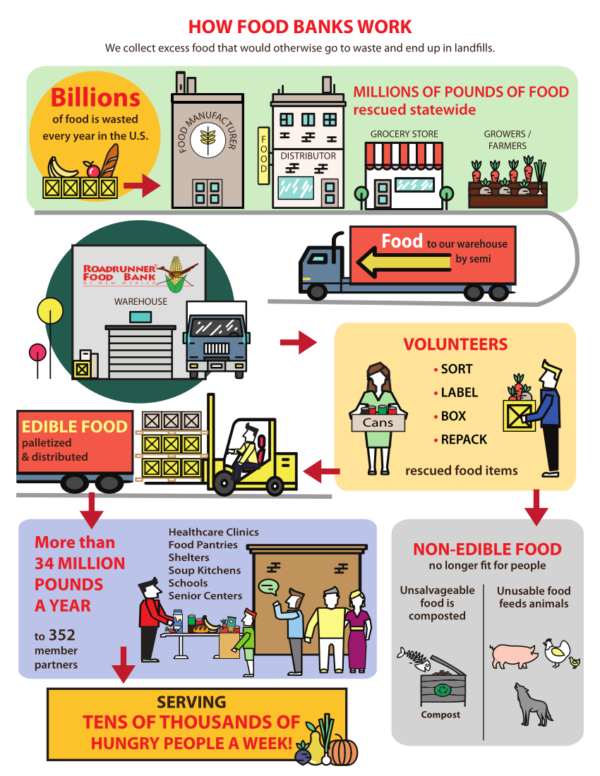
Leveraging Digital Tools and Financial Resources for Food Security
In the modern era, applying for food assistance has been significantly streamlined through technology. Integrating digital tools into your financial management routine can help you stay informed about distribution schedules and additional benefits that complement food bank visits.
Federal Assistance Programs (SNAP and WIC)
A food bank should be viewed as a supplement to, rather than a replacement for, federal programs. The Supplemental Nutrition Assistance Program (SNAP) provides a monthly debit-like card (EBT) for groceries.
-
The Application Bridge: Many food banks employ “SNAP Outreach Coordinators” who help you fill out the federal application. This is a vital financial tool because it provides consistent, long-term support that food banks—which may have limits on how often you can visit—cannot always guarantee.
-
WIC: If you have children under five or are pregnant, the Women, Infants, and Children (WIC) program provides specific nutritional vouchers. Leveraging both WIC and food bank resources can drastically reduce a family’s monthly grocery expenditure.
Apps and Online Databases
Several apps are designed to bridge the gap between surplus food and those in need.
-
FindHelp.org: A comprehensive search engine for financial assistance that allows you to filter by “food” and “emergency food.”
-
Flashfood and Too Good To Go: While not traditional food banks, these apps allow you to purchase surplus food from grocery stores and restaurants at a steep discount (often 50-70% off). For someone managing a tight budget, these are excellent tools to use in conjunction with food bank visits to maintain a balanced diet at a fraction of the cost.
Managing Your Long-Term Financial Health During Food Insecurity
The ultimate goal of using a food bank is to reach a point of “food sovereignty,” where your personal income is sufficient to meet all your nutritional needs. During the period you are receiving assistance, it is essential to manage your finances with an eye toward future stability.
Budgeting for Nutrition
When you receive food from a bank, the items provided are often staples: rice, pasta, canned vegetables, and occasionally meat or dairy. This creates a “base” for your pantry. Your remaining financial resources should then be strategically used to purchase fresh produce or specific dietary needs that the food bank might not provide. By viewing the food bank as your “primary supplier,” you can treat your grocery store trips as “supplemental,” allowing you to save significantly.
Reducing Stigma and Rebuilding Stability
One of the greatest barriers to financial recovery is the stigma associated with seeking help. However, from a brand and personal finance perspective, utilizing available resources is a sign of high financial literacy. Successful corporations utilize subsidies and tax breaks to weather lean periods; an individual utilizing a food bank is doing the exact same thing.
Once your immediate food needs are met, the psychological “scarcity mindset” begins to lift, allowing for better decision-making in other areas of your financial life. This is the time to audit your subscriptions, negotiate your utility rates, and look for secondary income streams. The food bank provides the breathing room necessary to execute these long-term financial shifts.

Community Reinvestment
Finally, consider the “circular economy” of food assistance. Many who have used food banks during a period of financial hardship return to donate or volunteer once they have regained their financial footing. This strengthens the local economic safety net, ensuring that the resource remains available for others who may face similar challenges in the future.
Applying for food bank food is a structured process that requires organization, documentation, and a strategic outlook on personal finance. By treating it as a legitimate component of your financial toolkit, you can navigate periods of instability with a clear plan, ensuring that your health and your finances remain intact as you work toward a more prosperous future.
aViewFromTheCave is a participant in the Amazon Services LLC Associates Program, an affiliate advertising program designed to provide a means for sites to earn advertising fees by advertising and linking to Amazon.com. Amazon, the Amazon logo, AmazonSupply, and the AmazonSupply logo are trademarks of Amazon.com, Inc. or its affiliates. As an Amazon Associate we earn affiliate commissions from qualifying purchases.