
Credit cards, when used judiciously, are powerful financial tools that can unlock a world of convenience, rewards, and crucially, establish and build a strong credit history. For many, the initial step of applying for a credit card can seem daunting, shrouded in financial jargon and complex requirements. However, understanding the process, preparing adequately, and knowing what to expect can demystify this essential step in personal finance. This guide will walk you through everything you need to know, from understanding the fundamental role of credit to managing your new card responsibly.
Understanding Credit Cards and Why You Need One
Before diving into the application process, it’s vital to grasp what credit cards are and the significant role they play in your financial life. They are not merely plastic rectangles for spending; they are instruments of credit that, when managed well, can open doors to future financial opportunities.
The Role of Credit in Personal Finance
At its core, credit is trust. When you use a credit card, you are borrowing money from the issuer with the promise to repay it. Your credit score is a numerical representation of how trustworthy you are as a borrower. It’s a three-digit number, typically ranging from 300 to 850, that lenders use to assess your creditworthiness. A higher score indicates lower risk.
Why is a good credit score important? Its influence extends far beyond just getting a loan. Lenders check your credit score for mortgages, auto loans, and personal loans. Landlords may review it when you apply for an apartment. Even insurance companies and utility providers might use it to determine rates or deposits. A strong credit score translates into better interest rates, more favorable terms, and greater financial flexibility. Conversely, a poor credit score can make it harder and more expensive to borrow money, secure housing, or even land certain jobs.
Benefits of Responsible Credit Card Use
While the potential for debt is a concern, responsible credit card usage offers numerous advantages:
- Building Credit History: This is perhaps the most significant benefit for those new to credit. Regular, on-time payments on a credit card demonstrate responsible financial behavior, gradually building a positive credit history and improving your credit score.
- Rewards and Perks: Many credit cards offer incentive programs such as cashback, travel points, airline miles, or discounts on specific purchases. These rewards can add up, providing tangible value back to the cardholder.
- Fraud Protection: Credit cards generally offer robust fraud protection. If unauthorized charges appear on your statement, you can dispute them with the issuer, often without liability for the fraudulent spending. This is a significant advantage over debit cards, where fraudulent transactions directly deplete your bank account.
- Convenience and Security: Credit cards are widely accepted globally, offering a convenient way to pay without carrying large amounts of cash. They also provide a layer of security, as your actual bank account details are not directly exposed during transactions.
- Emergency Funds: While not a primary purpose, a credit card can serve as a lifeline in unexpected emergencies, offering access to funds when immediate cash isn’t available. However, this should always be approached with extreme caution and a clear plan for repayment to avoid accruing high-interest debt.
- Purchase Protection and Extended Warranties: Some premium cards offer benefits like purchase protection against theft or damage, extended warranties on items bought with the card, and travel insurance.
Preparing for Your Credit Card Application
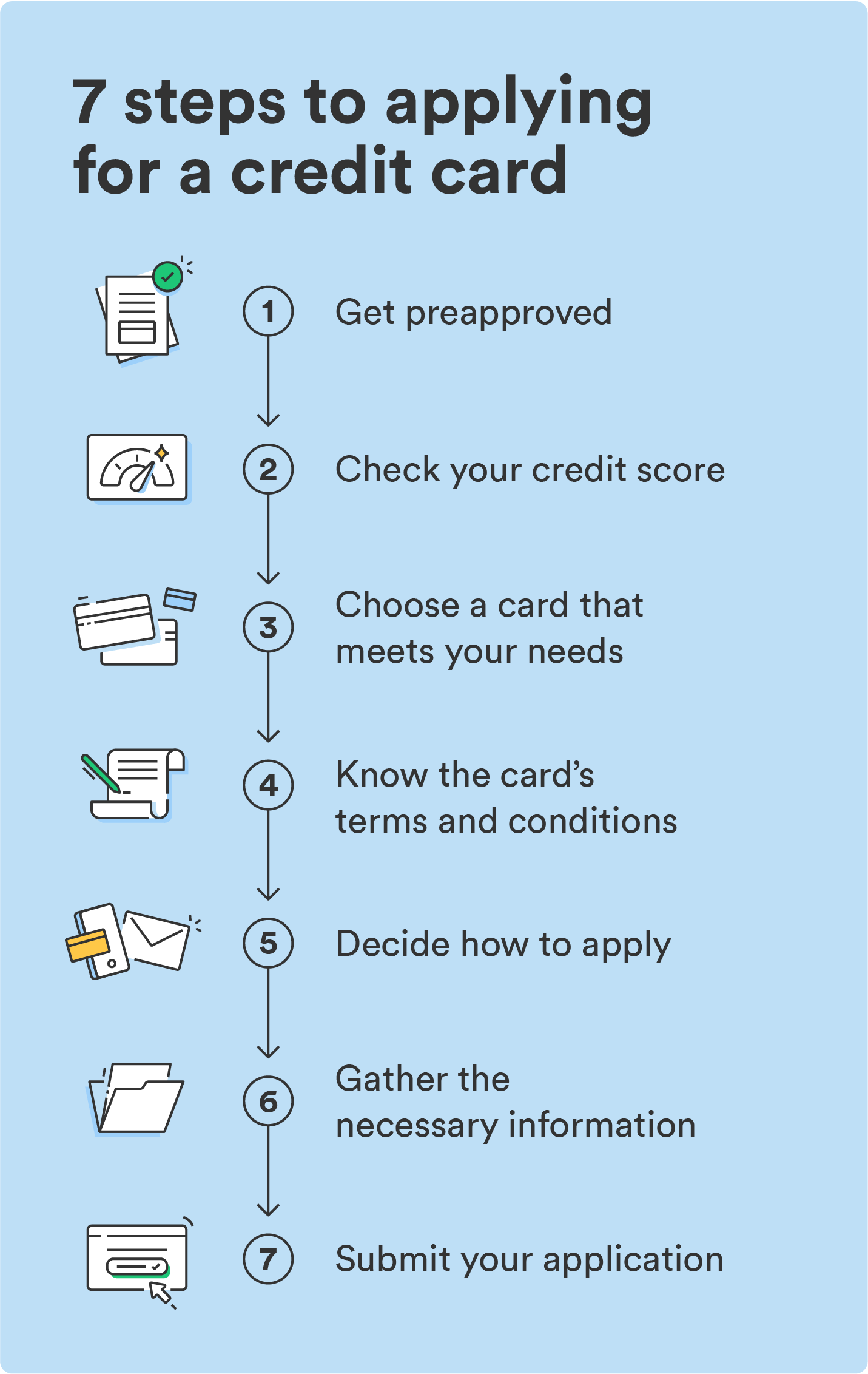
Applying for a credit card isn’t something to rush into. Thoughtful preparation can significantly increase your chances of approval and ensure you select a card that aligns with your financial goals and lifestyle.
Assessing Your Financial Readiness
Before you even look at credit card offers, take an honest inventory of your financial situation.
- Income Stability: Lenders want to see a steady source of income. While there isn’t a universal minimum, having a consistent income stream indicates your ability to make repayments.
- Existing Debts: If you already carry significant debt, especially high-interest debt, consider paying some of it down first. A high debt-to-income (DTI) ratio can signal to lenders that you are overextended and may struggle with new credit.
- Savings/Emergency Fund: Having an emergency fund in place provides a safety net, reducing the likelihood that you’ll need to rely on a credit card for unexpected expenses and potentially accumulating high-interest debt.
Checking Your Credit Score and Report
This is a critical step, especially if you have a limited credit history or are unsure about your standing.
- Why It’s Crucial: Knowing your credit score helps you gauge which cards you’re likely to qualify for. Cards designed for excellent credit typically offer the best rewards and lowest interest rates, but require a strong credit profile.
- How to Get Free Credit Reports: You are entitled to a free copy of your credit report from each of the three major credit bureaus (Equifax, Experian, and TransUnion) once every 12 months via AnnualCreditReport.com. Reviewing these reports is essential.
- Disputing Errors: Mistakes on your credit report can negatively impact your score. If you find any inaccuracies, dispute them immediately with the respective credit bureau. Correcting errors can significantly improve your creditworthiness.
- Understanding Different Credit Score Ranges: Generally, FICO scores are categorized as: Excellent (800-850), Very Good (740-799), Good (670-739), Fair (580-669), and Poor (300-579). Knowing where you stand helps you target appropriate cards.
Identifying the Right Card for Your Needs
With your financial health assessed, it’s time to choose a card. Don’t just pick the first offer you see; research cards that match your spending habits and financial goals.
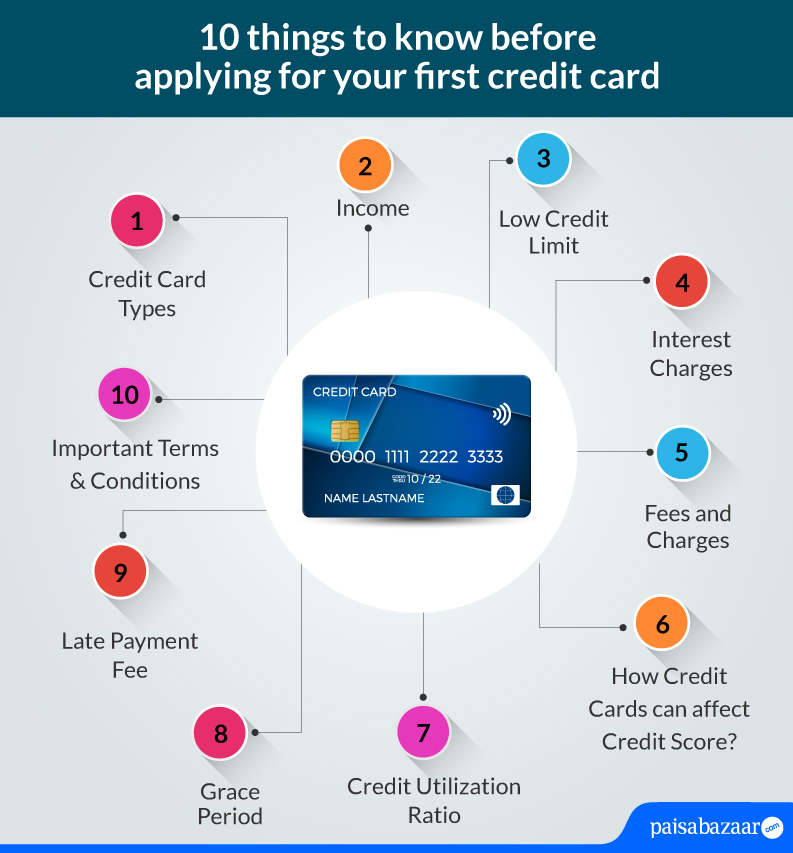
- Types of Cards:
- Rewards Cards: Offer points or miles for every dollar spent, redeemable for travel, merchandise, or gift cards.
- Cashback Cards: Provide a percentage of your spending back as cash, often categorized or fixed.
- Balance Transfer Cards: Designed to help you pay off existing high-interest debt by moving it to a new card with a low or 0% introductory APR.
- Low Interest/APR Cards: Focus on minimal interest rates, beneficial if you anticipate carrying a balance.
- Secured Cards: Require a cash deposit, which often becomes your credit limit. Excellent for building credit when you have no history or a poor one.
- Student Cards: Tailored for college students, often with lower credit limits and educational resources.
- Considering Fees: Be aware of potential costs.
- Annual Fee: A yearly charge for carrying the card. Often associated with premium rewards cards.
- Foreign Transaction Fee: A percentage charged on purchases made in foreign currencies.
- Late Payment Fee: Incurred if you miss a payment due date.
- APR (Annual Percentage Rate): This is the interest rate you pay on balances carried over month to month. Look for competitive APRs, especially if you expect to carry a balance.
- Introductory Offers: Many cards offer a 0% introductory APR for a certain period or a sign-up bonus for meeting spending thresholds. Evaluate if these offers genuinely benefit you.
The Application Process: Step-by-Step
Once you’ve done your homework and picked a card, the application itself is relatively straightforward.
Gathering Necessary Information
Before you begin, have the following information handy:
- Personal Details: Full legal name, current address, date of birth, Social Security Number (SSN) or Individual Taxpayer Identification Number (ITIN).
- Income Information: Employment status (employed, self-employed, student, retired), annual gross income. Some applications may ask for specific income sources.
- Housing Expenses: Monthly rent or mortgage payment.
- Bank Account Details: While not always required, some issuers may ask for your bank account information for verification or to set up payments.
Online vs. In-Person Applications
Most credit card applications are submitted online, offering speed and convenience.
- Online Applications:
- Pros: Quick, often instant decision, can apply from anywhere.
- Cons: Requires attention to detail to avoid errors, need to ensure you’re on a secure website.
- In-Person Applications:
- Pros: Can ask questions directly to a bank representative, helpful for those who prefer face-to-face interaction.
- Cons: Less convenient, may not receive an instant decision.
When applying online, always ensure the website is legitimate and secure (look for “https://” in the URL and a padlock icon).
Understanding the Terms and Conditions
This is not the time to skim. The “fine print” contains crucial information about your financial obligations.
- Key Aspects to Review:
- APR: Standard purchase APR, balance transfer APR, cash advance APR.
- Fees: Annual fee, late payment fee, foreign transaction fee, cash advance fee.
- Credit Limit: Your maximum spending limit.
- Grace Period: The time between the end of a billing cycle and your payment due date, during which no interest is charged if you pay your balance in full.
- Reward Structure: How rewards are earned and redeemed.
- Importance of Reading the Fine Print: Ignorance of these terms can lead to unexpected costs and negatively impact your credit. Make sure you understand how interest is calculated, what triggers fees, and how to maximize any rewards.
What Happens After You Apply
The waiting game can be short or long, depending on the issuer and your profile.
- Instant Approval vs. Pending Review: Many online applications offer an instant decision. If approved, you might receive your credit limit immediately. If your application goes to “pending review,” it means the issuer needs more time to assess your information, possibly requiring additional documentation.
- Denial Reasons and What to Do Next: If denied, the issuer is legally required to send you an Adverse Action Notice explaining the reason. Common reasons include insufficient income, high existing debt, a low credit score, or too many recent credit inquiries. Don’t be discouraged; use this feedback to improve your financial standing before reapplying. You can also contact the issuer to ask for reconsideration, especially if you believe there was a mistake or can provide additional context.
- Receiving and Activating Your Card: Once approved, your physical card will arrive in the mail within 7-10 business days. Follow the instructions to activate it, which usually involves a phone call or online activation. Sign the back of your card immediately for security.
Responsible Credit Card Management Post-Approval
Getting approved for a credit card is just the first step. The true test lies in managing it responsibly to build a strong credit profile and avoid debt.
Making On-Time Payments
This is the golden rule of credit card management and the single most important factor for your credit score.
- Impact on Credit Score: Payment history accounts for 35% of your FICO score. Late payments can severely damage your credit.
- Setting Up Auto-Pay: Most issuers offer automatic payments, either for the minimum due or the full statement balance. This is an excellent way to ensure you never miss a payment. However, always ensure you have sufficient funds in your bank account to avoid overdraft fees.
Keeping Your Credit Utilization Low
Your credit utilization ratio (CUR) is the amount of credit you’re using compared to your total available credit.
- Understanding CUR: If your credit limit is $1,000 and your balance is $300, your CUR is 30%.
- Impact on Credit Score: A high CUR (generally above 30%) signals that you might be over-reliant on credit and can negatively affect your score. Aim to keep your CUR as low as possible, ideally below 10%.
Avoiding Debt and High Interest Charges
The best way to use a credit card is to treat it like a debit card: only spend what you can afford to pay back in full each month.
- Paying in Full Whenever Possible: This strategy ensures you avoid interest charges entirely, making your credit card essentially free to use (aside from any annual fees).
- Budgeting and Tracking Spending: Monitor your expenditures closely to stay within your budget. Use budgeting apps or spreadsheets to keep track of where your money is going.
Monitoring Your Account and Credit Report
Vigilance is key to maintaining financial health and security.
- Regularly Checking Statements: Review your monthly statements for any unauthorized charges, errors, or unfamiliar transactions. Report any suspicious activity immediately.
- Monitoring Credit Score Changes: Many banks and financial apps offer free access to your credit score. Keep an eye on it to track your progress and identify any sudden drops that might signal issues.
Common Mistakes to Avoid
Even with good intentions, pitfalls exist. Be mindful of these common mistakes:
Applying for Too Many Cards at Once
Each application results in a “hard inquiry” on your credit report, which can temporarily lower your score. Spreading out applications over several months is generally wiser.
Maxing Out Your Cards
This instantly leads to a high credit utilization ratio, harming your score and increasing your interest burden.
Ignoring the Fine Print
Many get caught by unexpected fees or high APRs because they didn’t read the terms and conditions carefully.
Not Understanding Your Credit Score
If you don’t know what makes up your credit score, you can’t effectively work to improve it.

Using a Credit Card as an Extension of Income
A credit card is a tool for convenience and credit building, not a supplement for insufficient income. Spending more than you can afford to repay is a direct path to crippling debt.
In conclusion, applying for a credit card is a significant step in your financial journey. Approached with research, caution, and a commitment to responsible management, it can be an incredibly rewarding tool that enhances your financial security and opens doors to future opportunities. Remember, a credit card is not a blank check, but a responsibility that, when handled wisely, can empower your financial future.
aViewFromTheCave is a participant in the Amazon Services LLC Associates Program, an affiliate advertising program designed to provide a means for sites to earn advertising fees by advertising and linking to Amazon.com. Amazon, the Amazon logo, AmazonSupply, and the AmazonSupply logo are trademarks of Amazon.com, Inc. or its affiliates. As an Amazon Associate we earn affiliate commissions from qualifying purchases.