
Applying for a credit card is more than just a simple financial transaction; it is a significant step toward building a robust financial identity. In the modern economy, a credit card serves as a vital tool for managing cash flow, building credit history, and accessing consumer protections that debit cards or cash simply cannot provide. However, the process can often feel daunting, filled with technical jargon and a plethora of choices. Navigating this landscape requires a strategic approach that balances your current financial standing with your future aspirations.
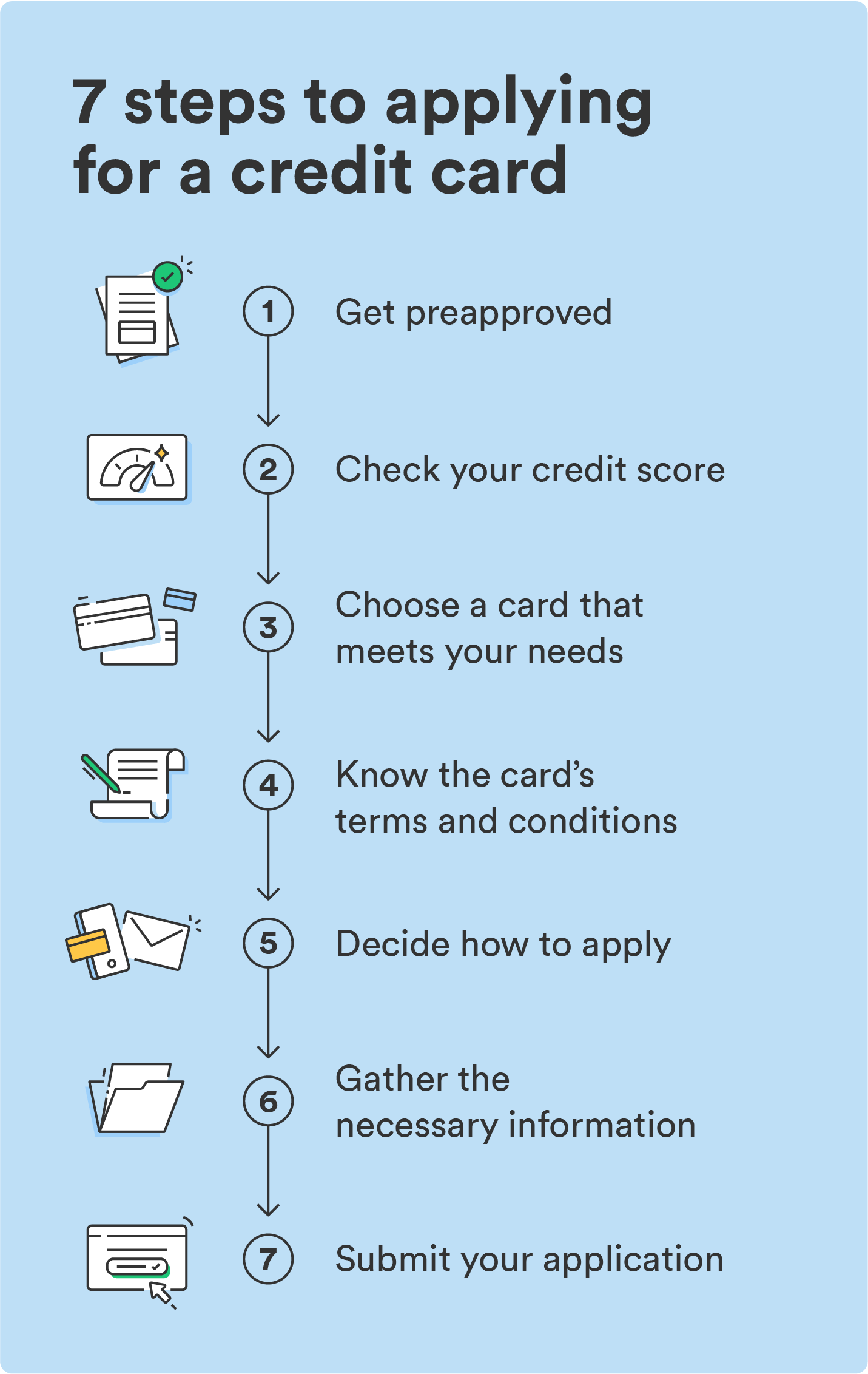
This guide provides a deep dive into the mechanics of applying for a credit card, ensuring you transition from an applicant to a cardholder with confidence and clarity.
Assessing Your Financial Readiness and Creditworthiness
Before you even begin browsing the latest card offers, you must conduct a thorough self-assessment. Lenders use specific metrics to determine the risk of lending to you, and knowing these metrics beforehand allows you to apply for cards you are actually likely to be approved for, protecting your credit score from unnecessary “hard inquiries.”
Understanding Your Credit Score
Your credit score is the single most important factor in the application process. In the United States, FICO scores and VantageScores are the primary benchmarks, ranging from 300 to 850.
- Excellent (750-850): You have access to the best rewards and lowest interest rates.
- Good (670-749): You are likely to be approved for most mainstream cards.
- Fair (580-669): You may face higher interest rates or be restricted to “starter” cards.
- Poor (300-579): You will likely need to look at secured cards or credit-builder products.
It is essential to pull your credit report from the three major bureaus—Equifax, Experian, and TransUnion—to check for errors. A single mistake on your report can lead to an automatic rejection.
Evaluating Income and Debt-to-Income Ratio
Credit card issuers are legally required to ensure that a borrower has the “ability to pay.” During the application, you will be asked for your gross annual income. For those over 21, this can include “accessible income,” which may include a spouse’s income or household funds you can reasonably expect to access.
Equally important is your Debt-to-Income (DTI) ratio. If you already have significant monthly payments toward student loans, mortgages, or other credit cards, an issuer might view you as overextended, even if your credit score is high. Aiming for a DTI below 36% is generally considered healthy for new credit applications.
Choosing the Right Credit Card for Your Financial Goals
Not all credit cards are created equal. The market is segmented into various niches designed to serve different financial behaviors. Selecting the wrong type of card not only leads to missed opportunities for rewards but can also result in unnecessary costs.
Rewards and Cashback Cards
These are designed for consumers who pay their balances in full every month. Cashback cards offer a percentage of your spending back (usually 1% to 5%), while rewards cards offer points or miles that can be redeemed for travel, gift cards, or merchandise. If you are a frequent traveler, a premium travel card might offer lounge access and insurance, though these often come with high annual fees.
Low-Interest and Balance Transfer Options
If you anticipate carrying a balance from month to month, rewards should not be your priority. Instead, focus on cards with a low Annual Percentage Rate (APR). For those currently struggling with high-interest debt on other cards, a “Balance Transfer” card offers a 0% introductory APR period (often 12 to 21 months), allowing you to pay down the principal faster.
Secured Cards for Building Credit
For those with no credit history or a damaged score, secured cards are an excellent entry point. These require a refundable security deposit—usually equal to your credit limit. This deposit acts as collateral, making you a low-risk borrower for the bank. With consistent, on-time payments, most issuers will eventually graduate you to an “unsecured” card and return your deposit.

Navigating the Application Process Step-by-Step
Once you have identified the right card for your profile, the actual application process is relatively straightforward but requires attention to detail. Most applications are completed online and take less than ten minutes.
Gathering Necessary Documentation
To ensure a smooth process, have the following information ready:
- Personal Identification: Social Security Number (SSN) or Individual Taxpayer Identification Number (ITIN).
- Contact Information: Current residential address, phone number, and email.
- Employment Details: Employer name and monthly/yearly income.
- Financial Obligations: Your monthly rent or mortgage payment.
Online vs. In-Person Applications
While online applications offer the convenience of “instant approval,” applying in person at a local branch can sometimes be beneficial. In-branch bankers may have access to special offers or can help clarify specific terms. However, online portals often provide tools to “pre-qualify” or “pre-approve” you without affecting your credit score, which is a significant advantage for those unsure of their standing.
Decoding the Terms and Conditions (The Fine Print)
Before clicking “Submit,” you must review the Schumer Box—a standardized table that discloses the card’s rates and fees. Pay close attention to:
- Purchase APR: The interest rate applied to unpaid balances.
- Annual Fee: Some cards are free, while others charge hundreds of dollars.
- Late Fees and Penalty APRs: Know what happens if you miss a payment.
- Foreign Transaction Fees: Crucial if you plan to use the card abroad.
What Happens After You Submit Your Application?
The moment you submit your application, the issuer performs a “Hard Inquiry,” which may cause a temporary, minor dip in your credit score. The response usually follows one of three paths.
The Approval Timeline and Pending Status
If you receive an “Instant Approval,” your card will typically arrive in the mail within 7 to 10 business days. However, sometimes you receive a message stating your application is “under review.” This doesn’t mean you’ve been denied; it often means the bank needs to verify your identity or income. In these cases, you can wait for a letter in the mail, or you can proactively call the issuer’s “reconsideration line” to provide any missing information and potentially speed up the process.
Handling a Credit Card Denial
Receiving a denial can be discouraging, but it is a learning opportunity. By law, the lender must send you an “Adverse Action Notice,” which outlines the specific reasons for the rejection (e.g., “too many recent inquiries” or “insufficient income”).
Use this feedback to improve your profile. If the reason was a low credit score, focus on paying down existing balances to lower your credit utilization. If it was due to a lack of history, consider becoming an authorized user on a family member’s account to build a “piggyback” history before reapplying in six months.
Strategic Card Management Post-Approval
Securing the card is only the beginning. The way you manage the card in the first few months will set the tone for your long-term financial health and your relationship with the lender.
Activating the Card and Setting Up Security
Upon receiving your card, activate it via the mobile app or website. This is also the time to set up your digital defenses.
- Enable Alerts: Set up notifications for every transaction to catch fraud immediately.
- Automatic Payments: Set up an autopay for at least the “minimum payment” to ensure you never miss a due date, though paying the full statement balance is the gold standard.
- Download the App: Most modern issuers offer robust apps that allow you to freeze your card instantly if it’s lost.
Best Practices for Long-Term Financial Health
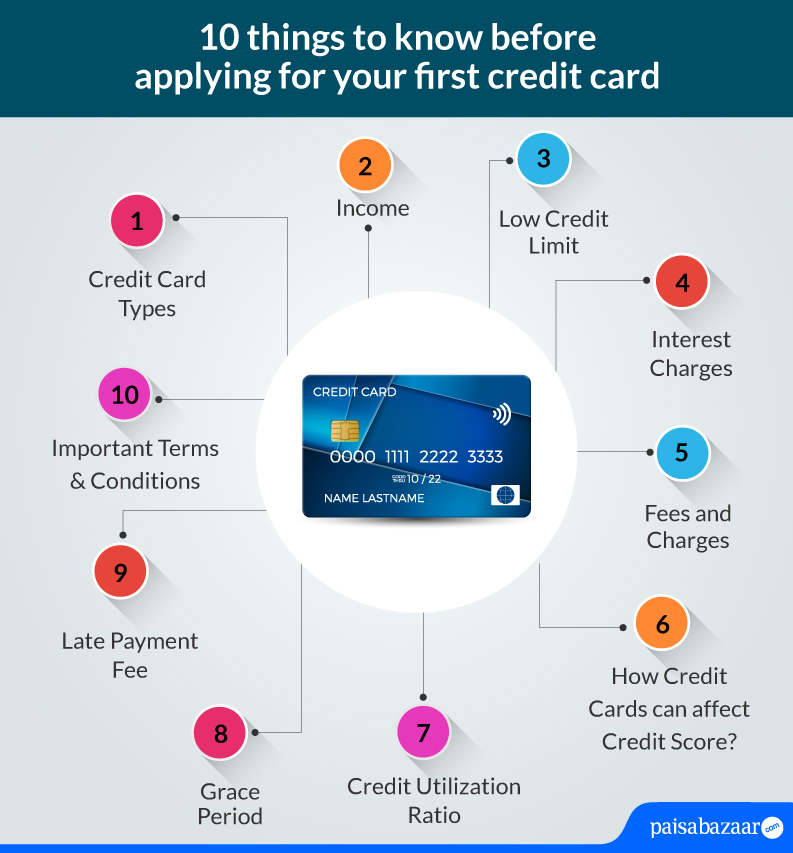
To maximize the benefits of your new credit card without falling into debt, follow the “30% Rule.” Aim to keep your credit utilization—the amount of your limit that you actually use—below 30%. For example, if your limit is $1,000, try not to carry a balance higher than $300.
Furthermore, treat your credit card like a debit card. Only spend money you already have in your bank account. By paying your balance in full every month, you avoid interest charges entirely, essentially getting a free short-term loan and earning rewards for money you would have spent anyway.
Applying for a credit card is a powerful move in the world of personal finance. When done with research and discipline, it opens doors to better loan rates, travel perks, and financial security. By understanding your score, choosing the right product, and managing it with precision, you turn a piece of plastic into a cornerstone of your financial success.
aViewFromTheCave is a participant in the Amazon Services LLC Associates Program, an affiliate advertising program designed to provide a means for sites to earn advertising fees by advertising and linking to Amazon.com. Amazon, the Amazon logo, AmazonSupply, and the AmazonSupply logo are trademarks of Amazon.com, Inc. or its affiliates. As an Amazon Associate we earn affiliate commissions from qualifying purchases.