
Securing a business loan is a pivotal step for many entrepreneurs looking to launch, grow, or sustain their ventures. It can provide the essential capital needed for everything from purchasing inventory and equipment to expanding operations or managing cash flow. However, the process of applying for a business loan can seem daunting, characterized by complex requirements, a myriad of lender options, and the critical need for meticulous preparation. This comprehensive guide aims to demystify the application process, offering insightful strategies and practical advice to navigate the journey successfully, ensuring your business is well-positioned to attract the funding it needs.
Understanding Your Business Loan Needs
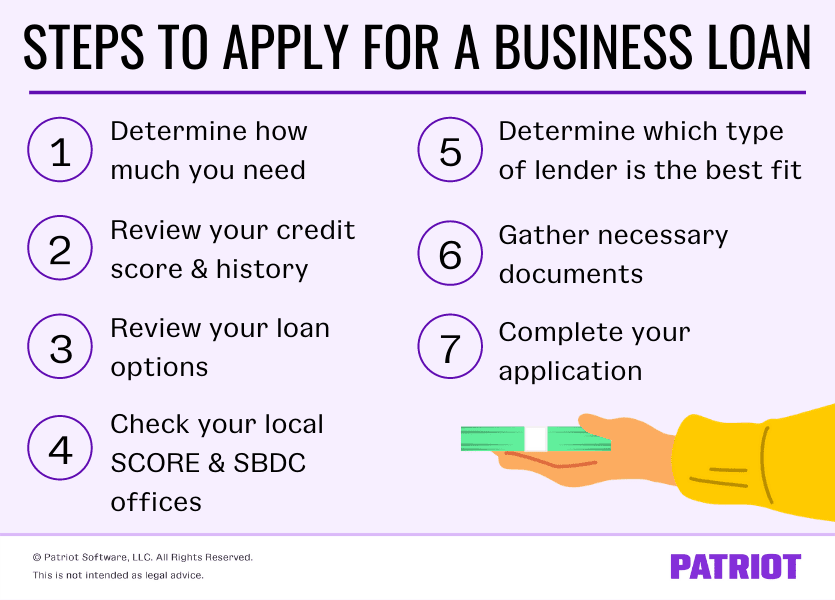
Before even considering which lender to approach, the most crucial first step is to gain absolute clarity on your specific funding requirements. This introspection will not only streamline your application process but also significantly increase your chances of securing the right type of loan for your business.
Why Do You Need a Loan?
The purpose of the loan fundamentally dictates the type of financing best suited for your business. Are you looking to:
- Boost Working Capital? To cover day-to-day operational expenses, bridge gaps in cash flow, or manage seasonal fluctuations.
- Fund Expansion? For opening new locations, entering new markets, or significantly scaling operations.
- Purchase Equipment? Acquiring machinery, vehicles, or technology essential for your business’s core functions.
- Buy Inventory? Stocking up on goods to meet demand, especially during peak seasons or for new product launches.
- Consolidate Debt? Combining multiple existing business debts into a single, more manageable loan with potentially lower interest rates.
Clearly defining your purpose will help you articulate your needs to lenders and choose from the vast array of available financial products.
What Type of Loan Suits Your Business?
The financial landscape offers a diverse range of business loan products, each with unique structures, repayment terms, and eligibility criteria. Understanding these can prevent you from pursuing unsuitable options:
- Term Loans: These are perhaps the most traditional, providing a lump sum of capital that is repaid over a fixed period, typically with fixed interest rates. They are often used for significant one-time investments like equipment purchases or major expansions.
- Lines of Credit: Similar to a credit card, a business line of credit allows you to draw funds as needed, up to a certain limit, and only pay interest on the amount borrowed. This is ideal for managing short-term cash flow needs or unexpected expenses.
- SBA Loans: Backed by the U.S. Small Business Administration, these loans are offered by partner lenders (like banks) and come with government guarantees, making them less risky for lenders. They often feature competitive interest rates and longer repayment terms, but also have stricter eligibility requirements and a more extensive application process.
- Equipment Financing: Specifically designed for purchasing new or used equipment, these loans use the equipment itself as collateral, often making them easier to obtain than unsecured loans.
- Invoice Factoring/Financing: If your business deals with unpaid invoices, you can sell your invoices to a third party (a factor) at a discount to get immediate cash. This is a common solution for businesses with long payment cycles.
- Merchant Cash Advances (MCAs): This option provides an upfront lump sum in exchange for a percentage of your future debit/credit card sales. While quick to obtain, MCAs typically come with higher costs compared to traditional loans.
How Much Capital Do You Require?
Beyond merely identifying the purpose, you need to meticulously calculate the exact amount of funding required. This involves:
- Detailed Budgeting: Create a comprehensive budget outlining all projected expenses that the loan will cover. Don’t underestimate costs; it’s better to overestimate slightly than to run out of funds prematurely.
- Financial Projections: Develop realistic financial forecasts, including cash flow statements, income statements, and balance sheets for at least the next 12-24 months. These projections demonstrate your ability to repay the loan and provide a clear picture of how the funds will impact your business’s financial health.
A well-researched figure, backed by solid financial reasoning, instills confidence in potential lenders.
Preparing Your Application: Essential Documentation
Lenders require a substantial amount of documentation to assess your business’s financial health, management capabilities, and overall risk profile. Thorough preparation of these documents is paramount; incomplete or inaccurate submissions are common reasons for application delays or rejections.
Business Plan
Your business plan is arguably the most critical document. It serves as a blueprint for your business, detailing its vision, operations, and financial strategy. Lenders use it to understand your business model and its viability. Key components include:
- Executive Summary: A concise overview of your business, its mission, and its goals.
- Company Description: What your business does, its legal structure, and its history.
- Market Analysis: An in-depth look at your industry, target market, competitors, and competitive advantages.
- Organization and Management: Details about your management team, their experience, and their roles.
- Service or Product Line: A description of what you sell and how it meets customer needs.
- Marketing and Sales Strategy: How you plan to reach your target customers and generate revenue.
- Financial Projections: Detailed forecasts of your business’s future financial performance, demonstrating profitability and cash flow.
Financial Statements
These documents provide a snapshot of your business’s past financial performance and current health:
- Balance Sheets: Show your assets, liabilities, and owner’s equity at a specific point in time. Lenders typically request statements from the last 2-3 years.
- Income Statements (Profit & Loss Statements): Detail your revenues, expenses, and profits (or losses) over a period, usually monthly, quarterly, or annually.
- Cash Flow Statements: Track the cash inflows and outflows of your business, revealing how cash is being generated and used.
- Business Tax Returns: Typically for the past 2-3 years, these verify the financial information provided in your other statements.
Legal and Business Documents
Lenders need to confirm your business’s legal standing and operational structure:
- Business Licenses and Permits: Proof that your business is legally authorized to operate.
- Articles of Incorporation/Organization: Documents filed with the state to establish your business as a corporation or LLC.
- Partnership Agreements: If applicable, outlining the roles, responsibilities, and financial contributions of partners.
- Leases or Deeds: For your business premises.
- Contracts: Any significant contracts with customers or suppliers.
Personal Financial Information
For small businesses, especially startups, lenders often assess the personal financial health of the business owner(s) due to the inherent risk.
- Personal Credit Score (FICO Score): A strong personal credit score (generally 680+) is often a prerequisite for business loans, particularly for newer businesses without an established business credit history.
- Personal Bank Statements: Lenders may review these to understand your personal cash flow and financial management habits.
- Personal Tax Returns: For the past 2-3 years, providing an overview of your individual income and financial obligations.
Navigating Lender Options and Eligibility
With your documentation in hand, the next critical step is to identify suitable lenders and understand their specific eligibility criteria. Not all lenders are created equal, and finding the right match is key to a successful application.
Traditional Banks vs. Online Lenders vs. Alternative Lenders
Each category of lender has its own advantages and disadvantages:
- Traditional Banks: Offer competitive rates and longer terms, especially for established businesses with strong credit. However, their application processes are often lengthy, and they have stricter eligibility requirements.
- Online Lenders: Known for their speed and simplified application processes, online lenders are often a good option for businesses needing quick funding or those who may not qualify for traditional bank loans. Rates can be higher, and terms shorter, but they offer greater flexibility.
- Alternative Lenders: This broad category includes invoice factoring companies, merchant cash advance providers, and peer-to-peer lenders. They cater to specific niches or businesses with unique financial situations, often at higher costs but with more accessible criteria.
Key Lender Criteria to Consider
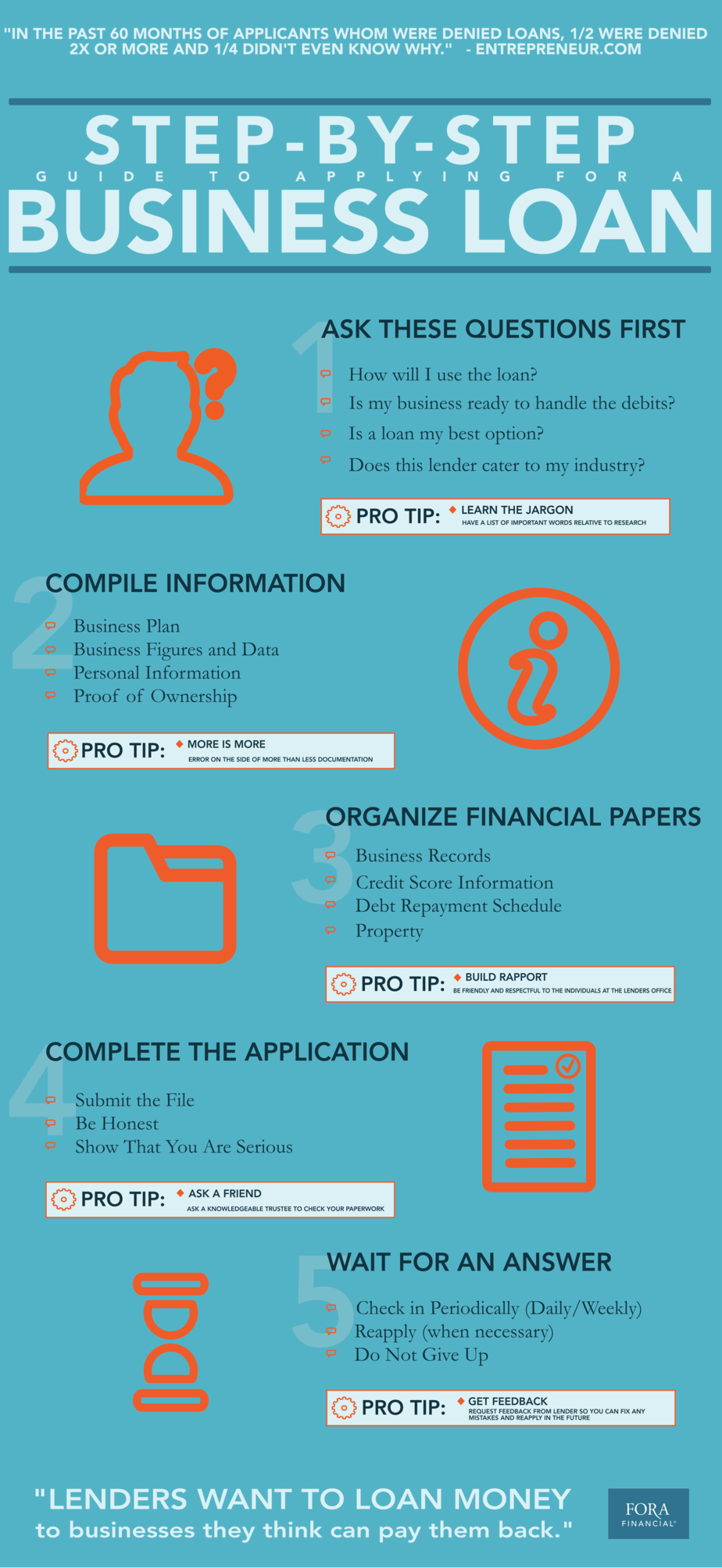
When evaluating lenders, look beyond just the interest rate:
- Interest Rates and Fees: Understand the Annual Percentage Rate (APR), which includes all costs, not just the nominal interest. Also, inquire about origination fees, closing costs, and prepayment penalties.
- Repayment Terms: How long is the loan term? Are payments daily, weekly, or monthly? Can you afford the repayment schedule?
- Collateral Requirements: Does the loan require collateral (assets pledged to secure the loan)? If so, what assets are acceptable?
- Speed of Funding: How quickly can you expect to receive funds once approved?
- Eligibility Requirements: Pay close attention to requirements such as time in business, minimum annual revenue, and minimum credit scores (both business and personal).
Improving Your Loan Eligibility
Proactively addressing potential weaknesses can significantly enhance your chances of approval:
- Cultivate a Strong Business Plan: As mentioned, this is your business’s story and roadmap. A well-articulated, realistic plan is a powerful tool.
- Maintain Healthy Financials: Focus on improving your business’s profitability, cash flow, and debt-to-equity ratio.
- Boost Your Credit Score: Both your personal and business credit scores are crucial. Regularly check your credit reports for errors and make timely payments to improve them.
- Secure Collateral: If possible, offering valuable collateral can reduce the lender’s risk and potentially secure better terms.
- Reduce Personal Debt: High personal debt can signal financial strain and impact your ability to repay business loans.
The Application and Approval Process
Once you’ve selected a lender and gathered all necessary documents, the final stage involves submitting your application and navigating the review process.
Submitting Your Application
- Completeness and Accuracy: Double-check every field and attachment. Incomplete applications are a primary cause of delays. Ensure all financial figures are accurate and consistent across documents.
- Clarity and Conciseness: While thoroughness is vital, present your information clearly and concisely. Lenders review many applications and appreciate well-organized submissions.
Due Diligence and Underwriting
After submission, the lender’s underwriting team will begin their due diligence:
- Lender Review: They will meticulously review all provided documents, often verifying information with third parties.
- Potential Interviews: You may be asked to participate in interviews to discuss your business plan, financial projections, and management team in more detail.
- Site Visits: For larger loans, particularly those requiring collateral, a lender might conduct a site visit to assess your business operations and assets firsthand.
- Credit Checks: Lenders will pull your personal and business credit reports.
Be prepared to answer follow-up questions promptly and provide additional information if requested.
Understanding Loan Offers and Terms
If approved, you will receive a loan offer. This is not the time to rush; carefully review every aspect:
- Read the Fine Print: Understand all terms and conditions, including interest rates, fees, repayment schedules, collateral requirements, covenants (conditions you must meet during the loan term), and default clauses.
- Compare Offers: If you applied to multiple lenders, compare the offers side-by-side. Look at the total cost of the loan, not just the interest rate. Consider the flexibility of terms and the lender’s reputation for customer service.
- Seek Professional Advice: Consider consulting with a financial advisor or attorney to review the loan agreement before signing, especially for larger or more complex loans.
Post-Approval Steps
Once you accept the loan offer and sign the agreement:
- Funding: The funds will be disbursed according to the agreed-upon terms.
- Compliance: Adhere strictly to the repayment schedule and any covenants specified in the loan agreement. Maintaining good standing with your lender is crucial for future financing opportunities.
Common Pitfalls to Avoid
Even with thorough preparation, applicants can make mistakes that jeopardize their chances of securing funding. Being aware of these common pitfalls can help you avoid them.
Incomplete or Inaccurate Documentation
Submitting an application with missing documents, errors, or inconsistencies is a surefire way to get rejected or significantly delay the process. Lenders need reliable data to assess risk.
Poor Credit Scores (Business and Personal)
A low credit score signals higher risk to lenders. Many rejections stem from an insufficient credit history or a history of missed payments. Take steps to improve your credit before applying.
Lack of a Clear Business Plan
Without a well-defined business plan that articulates how the loan funds will be used and how the business will generate revenue to repay it, lenders will be hesitant to invest. Your plan must demonstrate viability and a path to profitability.
Not Shopping Around for Lenders
Settling for the first loan offer without exploring alternatives can result in higher interest rates or less favorable terms. Different lenders specialize in different types of businesses and offer varying products. Research and compare.
Misunderstanding Loan Terms
Failing to fully comprehend the loan agreement’s terms and conditions can lead to unexpected fees, difficulties with repayment, or even default. Always ask questions and seek clarity on anything you don’t understand.
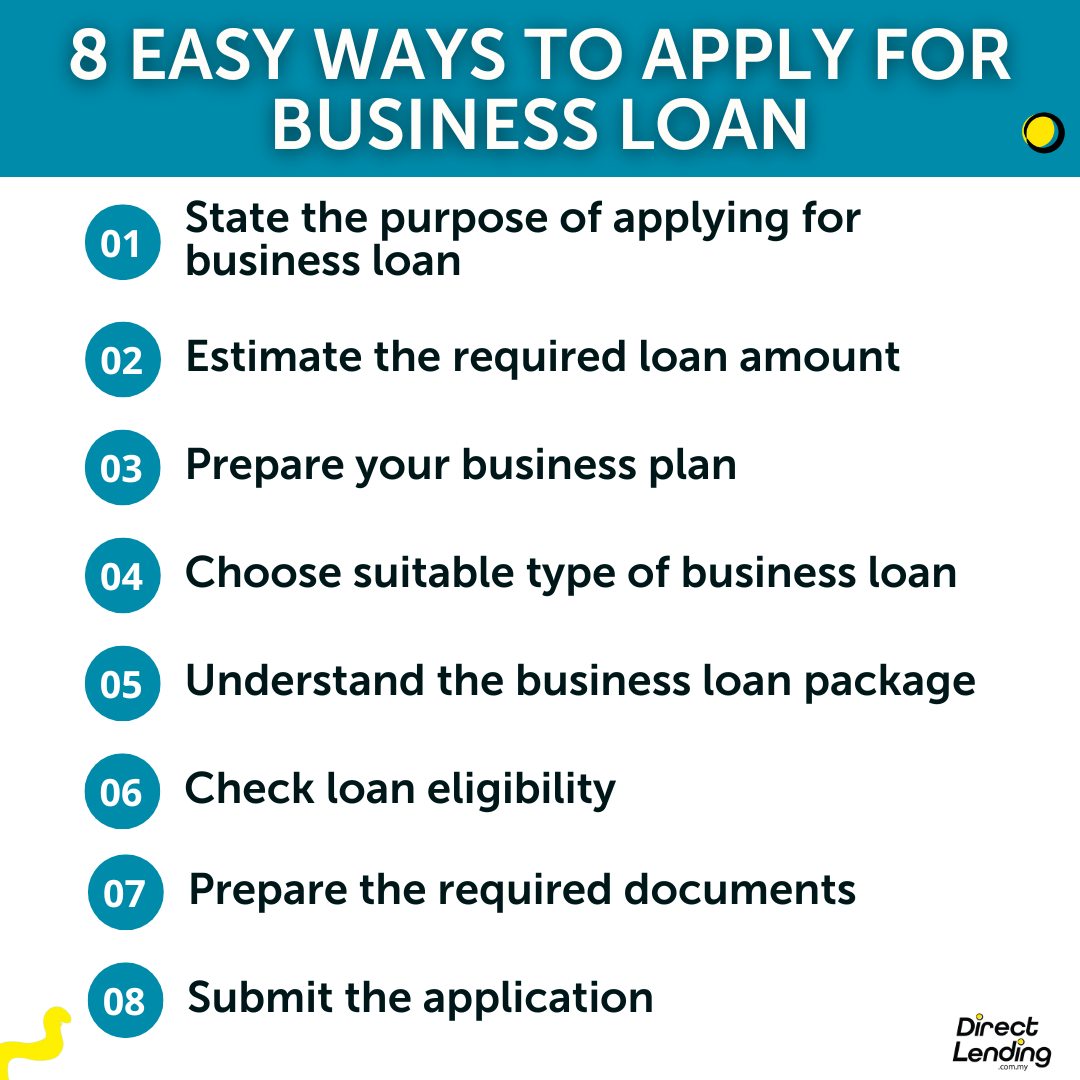
Applying for a business loan is a significant undertaking that demands careful planning, diligent preparation, and a clear understanding of your financial needs and the lending landscape. By meticulously preparing your documentation, strategically choosing your lender, and thoroughly understanding the terms of any offer, you can significantly enhance your chances of securing the capital necessary to propel your business forward. Approach the process with patience and precision, and you’ll be well on your way to achieving your entrepreneurial goals.
aViewFromTheCave is a participant in the Amazon Services LLC Associates Program, an affiliate advertising program designed to provide a means for sites to earn advertising fees by advertising and linking to Amazon.com. Amazon, the Amazon logo, AmazonSupply, and the AmazonSupply logo are trademarks of Amazon.com, Inc. or its affiliates. As an Amazon Associate we earn affiliate commissions from qualifying purchases.