
Understanding American Express: More Than Just Credit Cards
American Express stands as an iconic institution in the financial world, renowned for its premium credit and charge cards, but its offerings extend far beyond simple plastic. For many, an Amex card is not merely a payment tool but a gateway to a sophisticated ecosystem of rewards, exclusive benefits, and a distinct financial partnership. Understanding the breadth of Amex’s financial products and its target clientele is the first critical step before initiating an application.
Diverse Financial Products
American Express offers a comprehensive suite of financial instruments tailored to various spending habits and financial goals. While often synonymous with credit cards, Amex also prominently features charge cards, which require balances to be paid in full each month, offering greater spending flexibility without a pre-set limit but demanding rigorous financial discipline. Beyond these, there are dedicated business credit cards, co-branded travel cards, cash back cards, and premium rewards cards, each designed to cater to specific consumer segments, from frequent travelers and small business owners to everyday spenders seeking robust rewards. Each product carries its own set of annual fees, interest rates, and unique benefits, making careful selection paramount.

The Amex Ecosystem: Rewards, Benefits, and Membership
What truly distinguishes American Express is its unparalleled Membership Rewards program and a robust portfolio of cardholder benefits. This ecosystem is designed to reward loyalty and usage, offering points that can be redeemed for travel, merchandise, statement credits, or transfers to airline and hotel partners. Beyond points, cardholders often gain access to luxury travel perks, including airport lounge access, hotel elite status, travel insurance, and concierge services. For shopping and lifestyle, benefits might include purchase protection, extended warranties, and exclusive event access. These value-added services are not just marketing ploys; they represent a tangible financial return on the annual fees and can significantly enhance a cardholder’s financial experience when utilized strategically.
Who Is American Express For?
Historically, American Express has cultivated an image as a premium brand, often appealing to individuals with strong credit profiles and higher incomes. While this perception largely holds true, Amex has diversified its portfolio to include options for a wider range of financial standing. Generally, successful applicants possess excellent credit scores (typically FICO scores of 670 and above), a stable income demonstrating repayment capacity, and a responsible credit history. Business owners, frequent travelers, and consumers who prioritize premium benefits and customer service often find Amex products particularly appealing. Understanding where you fit into this demographic can help set realistic expectations for approval and guide your product selection.
Preparing for Your American Express Application
A successful American Express application is not just about filling out a form; it’s about strategic preparation. By taking the time to assess your financial health, gather necessary documentation, and align your needs with the right Amex product, you significantly enhance your chances of approval and ensure the card serves your financial objectives effectively.
Essential Pre-Application Checks
Before you even visit the Amex website, conduct a thorough personal finance audit. Start by checking your credit score from all three major bureaus (Experian, Equifax, TransUnion). Amex, like other lenders, relies heavily on this metric to assess your creditworthiness. A score above 670 is generally recommended for their standard offerings, with premium cards often requiring scores in the “excellent” range (740+). Next, evaluate your income. Lenders need assurance you can handle new credit; a stable, verifiable income is crucial. Finally, review your existing debt-to-income (DTI) ratio. A high DTI can signal overextension, making new credit riskier in the eyes of a lender. Aim to keep your total monthly debt payments (excluding mortgage) below 36% of your gross monthly income. Addressing any discrepancies or improving these metrics proactively can be a game-changer.
Gathering Necessary Documentation
The application process requires specific personal and financial information. Having these readily available will streamline your application. Typically, you’ll need:
- Personal Identification: Full legal name, date of birth, Social Security Number (SSN) or Individual Taxpayer Identification Number (ITIN), and current residential address.
- Contact Information: Phone number and email address.
- Employment Details: Employer’s name, occupation, and potentially your annual gross income. For self-employed individuals, this may involve providing business income.
- Financial Information: While not always required to submit with the initial application, having recent pay stubs, tax returns, or bank statements on hand can be useful if Amex requests further verification. For business applications, business tax IDs (EIN), business financial statements, and personal guarantees might be needed.
Choosing the Right Amex Product for Your Financial Goals
American Express offers a specialized card for nearly every financial profile and spending habit. Do you travel frequently for work or leisure? A card like The Platinum Card® or an Amex Delta SkyMiles® card might offer significant value in lounge access, travel credits, and bonus miles. Are you a small business owner looking to manage expenses and earn rewards on business spending? Explore options like the Business Gold Card or Business Platinum Card. Perhaps you’re focused on everyday cash back or building credit responsibly with a lower annual fee card. Each card has a distinct value proposition tied to its rewards structure, benefits, and annual fee. Carefully compare annual fees against the value of potential rewards and benefits you expect to utilize. Consider your top spending categories (groceries, dining, travel, business supplies) and select a card that offers accelerated earnings in those areas. This alignment ensures you maximize the financial utility of your Amex card.
Navigating the Application Process: Step-by-Step
The American Express application process is primarily digital, designed for convenience and speed. Understanding each stage, from initial input to post-submission, is key to a smooth experience.
Online Application: Convenience and Speed
The most common and recommended way to apply for an American Express card is through their official website. The online portal is secure, user-friendly, and typically provides an instant or near-instant decision. Begin by navigating to the specific card you’re interested in and clicking the “Apply Now” button. Ensure you are on the legitimate American Express site to protect your personal and financial information. The online form is designed to guide you through each required field efficiently.
Key Sections of the Application Form
The application form will systematically request the information you’ve gathered during your preparation phase. Expect sections covering:
- Personal Details: Your full legal name, date of birth, SSN/ITIN, and residential address. It’s crucial this information matches government-issued IDs precisely.
- Contact Information: Primary phone number and email address for communication.
- Employment and Income: Details about your current employer, occupation, and your total annual gross income. If self-employed, you’ll provide relevant business income figures. This is a critical factor in Amex’s assessment of your ability to repay.
- Financial Commitments: Questions about your housing status (rent, own), monthly housing payment, and potentially other significant monthly financial obligations.
- Security Questions: For verification purposes, you may be asked to create security questions and answers.
Accuracy is paramount. Any discrepancies or errors could delay your application or even lead to denial. Double-check all entered information before proceeding.

Understanding the Consent and Disclosure Agreements
Before final submission, you will be presented with the cardmember agreement, terms and conditions, and privacy policy. These documents outline the specific details of the card product, including:
- Annual Percentage Rate (APR): The interest rate applied to balances carried over.
- Annual Fee: The recurring charge for card membership.
- Late Payment Fees: Penalties for overdue payments.
- Cash Advance Fees: Costs associated with withdrawing cash using your card.
- Rewards Program Details: A comprehensive explanation of how points are earned and redeemed.
It is financially prudent to read and understand these agreements thoroughly. They detail your obligations as a cardholder and Amex’s commitments to you. By clicking “Submit,” you are consenting to these terms and authorizing American Express to conduct a hard inquiry on your credit report, which will temporarily lower your credit score by a few points.
What Happens After Submission?
Upon submitting your application, several outcomes are possible:
- Instant Approval: Many applicants receive an immediate decision. If approved, you may receive your account number instantly for immediate online use, with the physical card arriving within 7-10 business days.
- Pending Review: Your application might go into a pending status, meaning Amex needs more time to review your information or may require additional documentation. This is not necessarily a denial and often involves a manual review by an underwriter. You may receive an email or letter requesting further details or a phone call for verification.
- Denial: If denied, American Express is legally required to send you an adverse action notice within a specific timeframe, explaining the primary reasons for the denial. This information is invaluable for understanding areas where your financial profile might need improvement before reapplying.
Maximizing Your Chances of Approval
Securing an American Express card, especially their premium offerings, often requires a robust financial profile. Proactive steps to strengthen your creditworthiness can significantly improve your application’s success rate.
Building a Strong Credit Profile
Your credit report and score are central to any credit card application. To present the most favorable profile to American Express:
- Payment History: Ensure all existing credit accounts (credit cards, loans, mortgages) are paid on time, every time. Payment history is the most significant factor in your credit score.
- Credit Utilization: Keep your credit utilization ratio low. This ratio compares the amount of credit you’re using to your total available credit. Experts recommend keeping it below 30%, but lower is always better for optimal scores.
- Length of Credit History: While not something you can quickly change, a longer history of responsible credit use is beneficial. Avoid closing old, well-managed accounts, as this can shorten your average account age.
- Credit Mix: Having a mix of different types of credit (revolving like credit cards, installment like loans) demonstrates your ability to manage various forms of debt.
Demonstrating Financial Stability
Beyond your credit score, American Express assesses your capacity to handle new credit. Showcasing financial stability involves:
- Consistent Income: A stable employment history and a verifiable, consistent income stream are crucial. Amex needs assurance that you have the means to meet your payment obligations.
- Low Debt-to-Income Ratio: As mentioned earlier, a favorable DTI ratio indicates that you are not overextended with existing debts, making you a less risky borrower.
- Emergency Savings: While not directly asked on the application, a healthy savings account reflects financial prudence and resilience, indirectly bolstering your application by indicating responsible money management.
Addressing Past Financial Issues
If you’ve had past credit challenges, such as bankruptcies, foreclosures, or significant delinquencies, transparency and demonstrated recovery are key. These events will typically stay on your credit report for several years. While they don’t necessarily preclude you from ever getting an Amex card, it’s essential to:
- Rebuild Your Credit: Focus on consistent, on-time payments, reducing debt, and maintaining low utilization on any current credit lines.
- Show Improvement: Document stable income and responsible financial habits post-issue. Time is often the best healer for a damaged credit score.
- Consider Entry-Level Cards: If your financial history is less than pristine, you might need to start with secured credit cards or credit cards from other issuers that are easier to obtain, then demonstrate responsible use before applying for an American Express card.
What to Do Post-Application
The application journey doesn’t end with submission; it extends to managing your new financial tool or understanding how to improve if denied. Responsible engagement ensures your Amex card becomes a valuable asset in your financial toolkit.
If Approved: Activating Your Card and Understanding Your Benefits
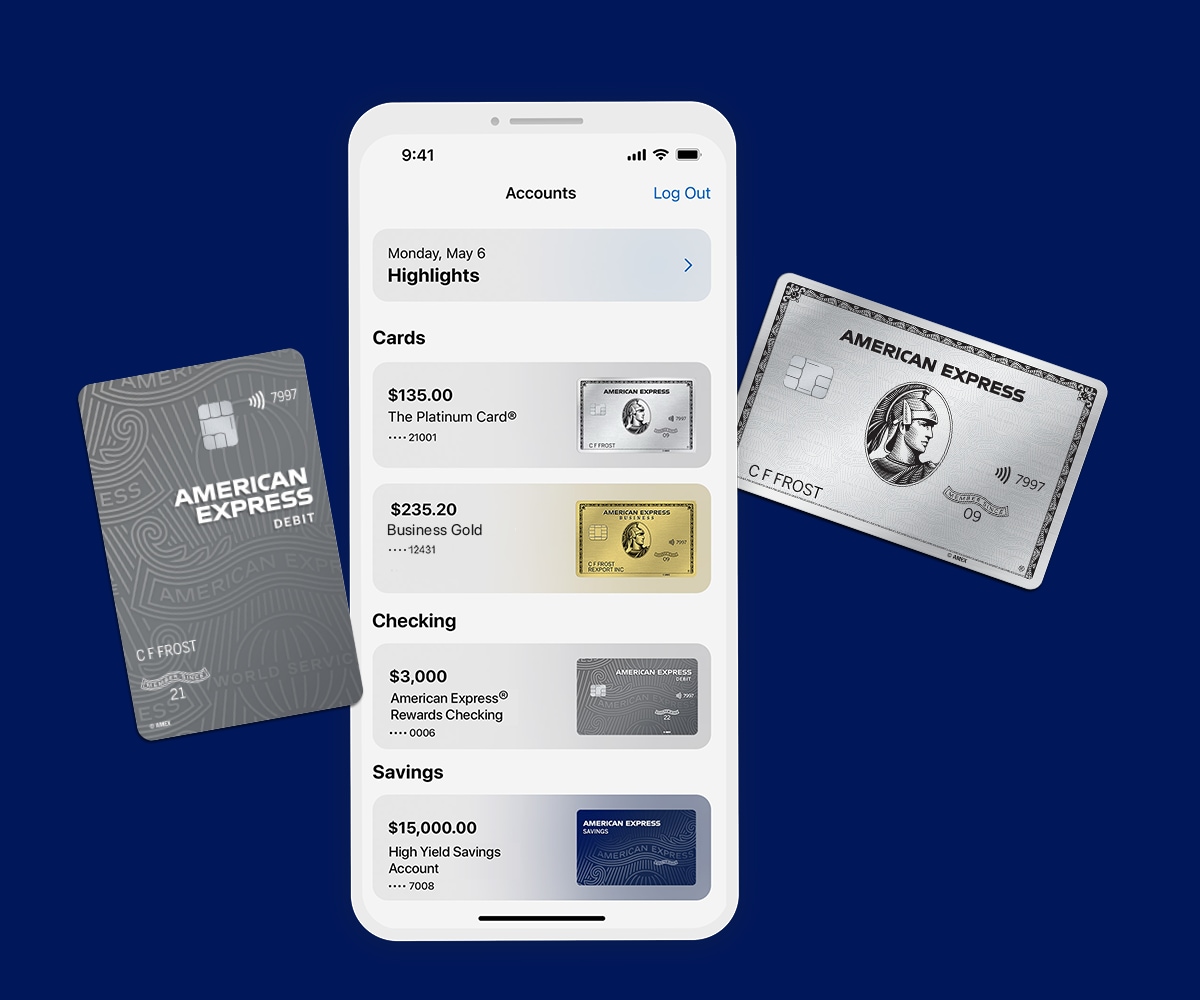
Congratulations on your approval! Once your physical card arrives, activate it immediately, typically through the Amex website or by phone. Before making your first purchase, take the time to thoroughly review the welcome packet. This will reiterate key benefits, explain the rewards program in detail, and outline how to access various perks, from travel credits to purchase protections. Set up online account access and consider enrolling in autopay for your statement balance to ensure timely payments and avoid late fees, safeguarding your credit score. Actively track your spending and rewards through the Amex app or website to maximize the card’s value.
If Denied: Understanding the Reasons and Rebuilding Your Financial Footprint
A denial is not the end of your financial journey with American Express. It’s an opportunity for growth. Amex will provide an adverse action notice explaining the primary reasons for denial. Common reasons include a low credit score, high existing debt, insufficient income, or a limited credit history. Use this feedback constructively:
- Review Your Credit Report: Obtain a free copy of your credit report from AnnualCreditReport.com to check for errors that might have contributed to the denial. Dispute any inaccuracies.
- Address Specific Issues: If the denial was due to high debt, focus on paying down balances. If it was a limited credit history, consider applying for a secured credit card or a card from an issuer known to be more lenient, and use it responsibly to build your credit.
- Improve Your Financial Standing: Focus on increasing your income, reducing your debt-to-income ratio, and maintaining a stellar payment history across all your accounts.
- Wait Before Reapplying: It’s generally advisable to wait at least six months, if not longer, after a denial to allow time for significant financial improvements to reflect on your credit report before attempting another Amex application.
By understanding the application process, meticulously preparing, and responsibly managing your financial choices, an American Express card can be a powerful tool to enhance your personal and business finance strategies.
aViewFromTheCave is a participant in the Amazon Services LLC Associates Program, an affiliate advertising program designed to provide a means for sites to earn advertising fees by advertising and linking to Amazon.com. Amazon, the Amazon logo, AmazonSupply, and the AmazonSupply logo are trademarks of Amazon.com, Inc. or its affiliates. As an Amazon Associate we earn affiliate commissions from qualifying purchases.