
For many entrepreneurs, the vision of growth is clear, but the capital required to realize that vision is often just out of reach. Whether you are looking to expand into new markets, purchase specialized equipment, or manage a temporary cash flow gap, securing a small business loan is a pivotal milestone in the lifecycle of any enterprise. However, the lending landscape has become increasingly complex, with various institutional requirements, diverse financial products, and rigorous vetting processes. To successfully navigate this journey, business owners must approach the application process with a combination of strategic planning, financial transparency, and a deep understanding of what lenders are truly looking for.
Understanding Your Financing Needs and Selecting the Right Loan Type
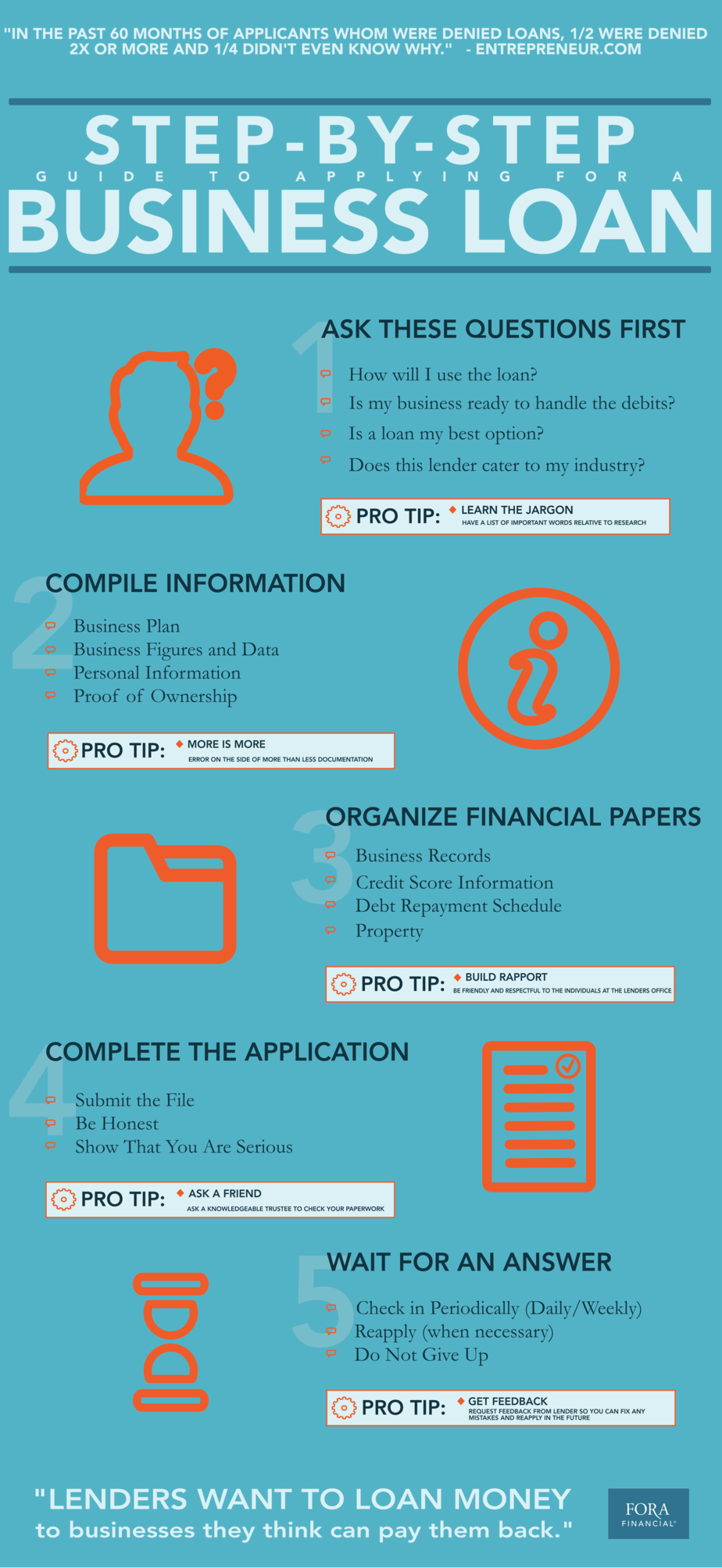
Before filling out a single application, it is essential to define the “why” behind your request. Lenders are not just looking for a profitable business; they are looking for a specific purpose that justifies the debt. Applying for a loan without a clear objective often results in securing the wrong type of financing, which can lead to unnecessary interest expenses or restrictive repayment terms.
Assessing the Purpose of the Loan
The first step in a successful application is a self-audit of your financial needs. Are you seeking “working capital” to cover day-to-day operational costs like payroll and inventory? Or are you looking for “growth capital” to fund a long-term project? If you are purchasing a specific asset, such as a delivery truck or a piece of manufacturing machinery, equipment financing might be the best route, as the asset itself often serves as collateral. Clearly articulating the purpose of the loan allows you to match your needs with the appropriate financial instrument.
Comparing Term Loans, Lines of Credit, and SBA Loans
Not all loans are created equal. Traditional Term Loans provide a lump sum of cash upfront, which is repaid over a set period with a fixed or variable interest rate—ideal for one-time major investments. Conversely, a Business Line of Credit offers more flexibility, allowing you to draw funds as needed up to a certain limit, only paying interest on what you use. This is often the preferred choice for managing seasonal fluctuations. Finally, SBA Loans, backed by the U.S. Small Business Administration, offer some of the most competitive rates and longest terms, though they come with more stringent documentation requirements and longer approval times.
Exploring Alternative Financing Options
If your business is relatively young or lacks significant collateral, you may need to look beyond traditional banks. Online lenders and fintech platforms have revolutionized the space by offering speed and accessibility. These options might include merchant cash advances or invoice factoring, where you receive an advance based on future sales or outstanding invoices. While these are faster to obtain, they often carry higher annual percentage rates (APRs), making it vital to perform a rigorous cost-benefit analysis before proceeding.
Building a Robust Financial Profile
A loan application is essentially a story told through numbers. To a lender, your financial history is the most reliable predictor of your future behavior. Preparing your financial house before you apply is the best way to decrease the perceived risk and increase your chances of approval.
The Importance of Personal and Business Credit Scores
Even for established companies, a business owner’s personal credit score remains a significant factor in the approval process. Lenders view your personal financial management as a reflection of how you will handle business debt. It is advisable to pull your credit reports from major bureaus like Experian or Equifax months in advance to correct any errors. Simultaneously, you should strive to build your business credit by ensuring your company is registered as a legal entity and that you are making timely payments to vendors who report to business credit agencies.
Organizing Financial Statements and Tax Returns
Transparency is the currency of the lending world. You will typically be required to provide at least two to three years of both personal and business tax returns. Beyond taxes, lenders will scrutinize your Profit and Loss (P&L) statements, Balance Sheets, and Cash Flow Statements. These documents should be professionally prepared—ideally by a CPA—to ensure they adhere to standard accounting principles. Disorganized books are a major red flag for underwriters, as they suggest a lack of internal control and financial oversight.
Demonstrating Consistent Cash Flow
While profitability is important, cash flow is the metric that determines whether you can actually make your monthly loan payments. Lenders will look at your bank statements to see if you have a “cushion” after all expenses are paid. They often calculate a Debt Service Coverage Ratio (DSCR), which compares your net operating income to your total debt obligations. Aiming for a ratio of 1.25 or higher—meaning you have $1.25 in income for every $1.00 of debt—places you in a strong position for approval.
Crafting a Compelling Loan Proposal and Business Plan
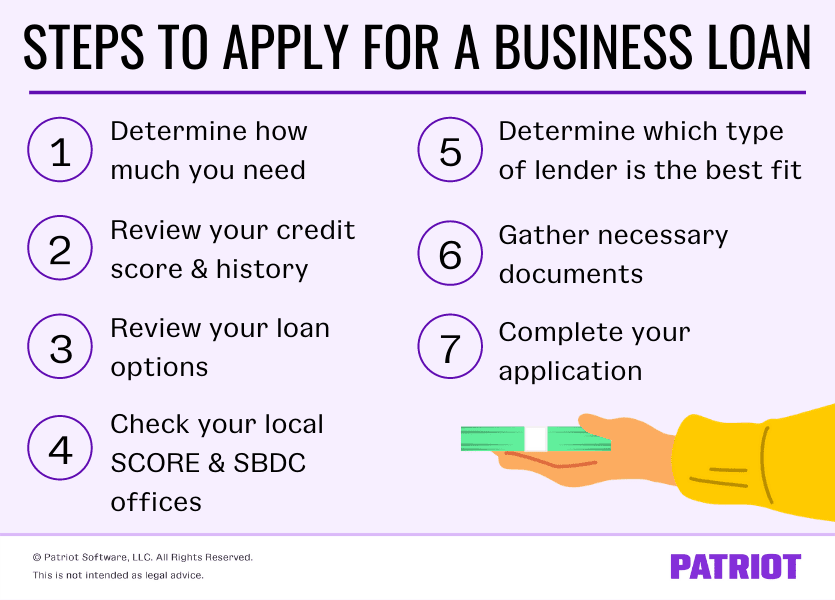
While the numbers provide the foundation, your business plan provides the context. A well-crafted proposal convinces the lender that you have a strategic vision and the market expertise to turn their capital into a return on investment.
Articulating the Business Model and Market Opportunity
Your loan proposal should clearly explain how your business makes money and what sets you apart from the competition. Who are your primary customers? What is the current state of your industry? By demonstrating a deep understanding of your market niche and showing that there is a sustainable demand for your product or service, you mitigate the lender’s fear of market volatility.
Projecting Future Revenue and Debt Service Coverage
Lenders are inherently forward-looking. They want to see detailed financial projections for the next three to five years. These projections should be realistic rather than overly optimistic. Include a “best-case,” “expected-case,” and “worst-case” scenario. Most importantly, your projections must explicitly show how the loan itself will generate enough additional revenue to cover the new interest and principal payments. This “use of proceeds” section is often the most scrutinized part of the business plan.
The Executive Summary: Your First Impression
Often, a busy loan officer will decide whether to take a closer look at your application based on the Executive Summary alone. This one-to-two-page document should summarize your business’s history, the amount of money requested, the purpose of the funds, and a snapshot of your financial health. It should be professional, concise, and persuasive, serving as the “hook” that leads the lender into the more technical aspects of your application.
The Application Process: From Submission to Closing
Once your documentation is ready, the actual application process begins. This phase requires patience, as it involves several rounds of review and potential requests for additional information.
Choosing the Right Lender (Traditional vs. Online)
The type of lender you choose will dictate the speed and cost of your loan. Traditional commercial banks are excellent for businesses with strong credit and collateral, offering the lowest interest rates. However, they are often slow to process applications. Online lenders utilize algorithms to provide approvals in as little as 24 to 48 hours, making them ideal for urgent needs, though you will pay a premium in interest for that speed. Community banks and credit unions are often a “middle ground,” offering more personalized service and a greater willingness to work with local small businesses.
Managing the Underwriting and Due Diligence Phases
After you submit your application, it moves into underwriting. This is the “deep dive” where the lender verifies every piece of information you provided. Expect questions regarding your accounts receivable, your lease agreements, and your existing contracts. During this phase, responsiveness is key. The faster you provide requested documents, the faster the process moves. Any delay or inconsistency during due diligence can cause the lender to lose confidence and potentially deny the loan.
Reviewing the Term Sheet and Finalizing the Agreement
If the underwriter approves the loan, you will receive a Term Sheet. This document outlines the interest rate, repayment schedule, fees (such as origination or processing fees), and any “covenants”—rules you must follow, such as maintaining a certain level of cash on hand. It is vital to read the fine print. Once you agree to the terms, the legal documents are drafted, the loan is closed, and the funds are disbursed to your business account.
Strategies for Long-term Financial Health Post-Funding
Securing the loan is not the finish line; it is the starting block. How you manage the capital once it is in your hands will determine the future creditworthiness of your business and your ability to secure larger tranches of capital in the future.
Efficient Capital Allocation
The temptation to spend the loan proceeds on “nice-to-have” items can be strong. However, disciplined businesses stick to the plan outlined in their original proposal. Track every dollar of the loan and measure the ROI of the expenditures. If you borrowed money for marketing, are you seeing a proportional increase in leads? If you borrowed for equipment, has production efficiency improved? Using the funds exactly as intended ensures that the debt remains a tool for growth rather than a burden on the balance sheet.
Maintaining Communication with Lenders
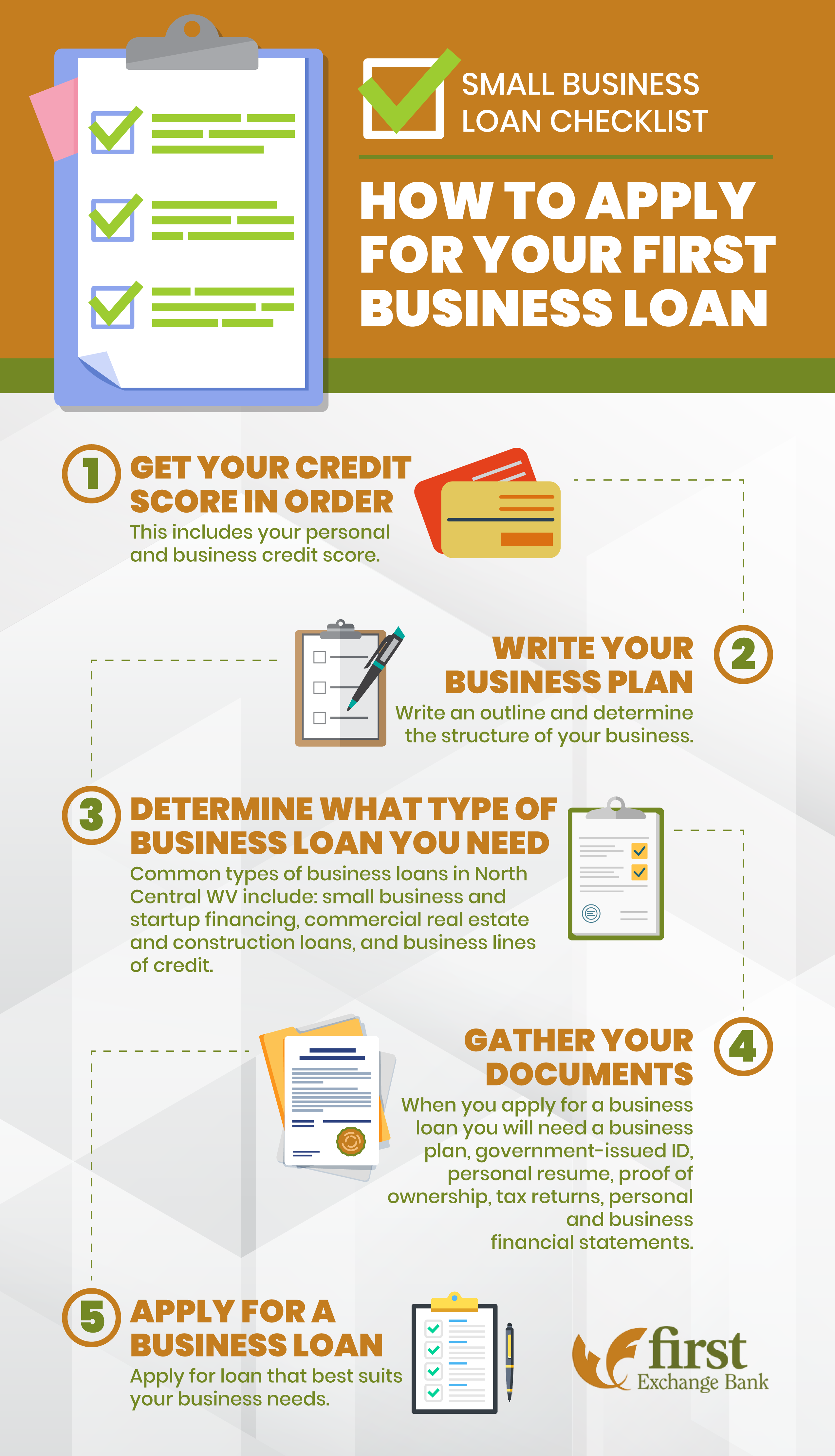
The relationship with your lender should not end once the funds are deposited. Regular communication, especially if your business encounters a temporary setback, is essential. Lenders hate surprises. If you anticipate a cash flow issue that might affect a payment, reaching out proactively to discuss a modification is always better than missing a payment. By maintaining a transparent and professional relationship, you build a “track record” that makes future refinancing or additional borrowing much easier to navigate.
In conclusion, applying for a small business loan is a rigorous exercise in financial storytelling and preparation. By understanding the various loan products, perfecting your financial documentation, and presenting a strategic business plan, you transform your application from a simple request for money into a professional partnership proposal. With the right capital in hand and a disciplined approach to management, your small business is well-positioned to reach its next level of success.
aViewFromTheCave is a participant in the Amazon Services LLC Associates Program, an affiliate advertising program designed to provide a means for sites to earn advertising fees by advertising and linking to Amazon.com. Amazon, the Amazon logo, AmazonSupply, and the AmazonSupply logo are trademarks of Amazon.com, Inc. or its affiliates. As an Amazon Associate we earn affiliate commissions from qualifying purchases.