
Applying for a credit card can feel like navigating a complex financial labyrinth, especially for first-timers. However, understanding the process, identifying the right product for your needs, and knowing what lenders look for can significantly demystify the experience. A credit card, when used responsibly, is a powerful financial tool that can help you build credit history, manage expenses, and even earn rewards. This comprehensive guide will walk you through everything you need to know about applying for a credit card, from preparation to responsible usage.
Understanding Credit Cards: More Than Just Plastic
Before diving into the application process, it’s crucial to grasp the fundamental nature of a credit card and its implications for your financial health. It’s not merely a convenient payment method; it’s a line of credit that impacts your ability to secure loans for homes, cars, and even influence job prospects in some industries.

What is a Credit Card and How Does It Work?
At its core, a credit card is a revolving line of credit issued by a financial institution, allowing you to borrow money up to a pre-set limit to make purchases. When you use your credit card, you are essentially taking out a short-term loan that you promise to repay. Each month, you receive a statement detailing your purchases, the minimum payment due, and the total outstanding balance. If you pay your entire statement balance by the due date, you typically avoid interest charges (thanks to the grace period). If you only make the minimum payment, interest will be charged on the remaining balance, which can accumulate quickly if not managed. This continuous cycle of borrowing and repaying is what defines a “revolving” credit line.
Benefits of Responsible Credit Card Use
When wielded wisely, a credit card offers numerous advantages:
- Building Credit History: This is perhaps the most significant benefit for individuals, especially those new to credit. Consistent, on-time payments demonstrate financial responsibility to credit bureaus, leading to a strong credit score. A good credit score is vital for obtaining favorable interest rates on mortgages, car loans, and other forms of credit.
- Convenience and Security: Credit cards offer a convenient way to pay for goods and services, often more secure than carrying large amounts of cash. They typically come with fraud protection, meaning you’re not liable for unauthorized purchases if your card is stolen or compromised.
- Rewards and Perks: Many credit cards offer reward programs, such as cashback, travel points, or discounts on specific purchases. These rewards can add tangible value over time. Other perks might include extended warranties, purchase protection, car rental insurance, and access to airport lounges.
- Emergency Funds: A credit card can serve as a crucial lifeline in unexpected financial emergencies, providing immediate access to funds when you need them most, assuming you can repay the amount quickly.
- Budgeting and Tracking: Credit card statements provide a detailed record of your spending, which can be an excellent tool for tracking expenses and managing your budget effectively. Many card issuers also offer digital tools for categorization and analysis of spending.
Potential Pitfalls and How to Avoid Them
Despite the benefits, credit cards come with significant risks if misused:
- Accumulating Debt: The most common pitfall is carrying a balance and accruing high-interest debt. Interest rates on credit cards can be very high, making it difficult to pay off large balances.
- Damaging Credit Score: Missing payments, making late payments, or maxing out your credit limit can severely damage your credit score, making it harder to get credit in the future.
- Hidden Fees: Annual fees, late payment fees, balance transfer fees, and cash advance fees can all add up, eroding the benefits of your card.
- Overspending: The ease of using a credit card can lead to overspending, making it challenging to stick to a budget.
To avoid these pitfalls, always strive to pay your full statement balance on time every month. If that’s not possible, pay as much as you can above the minimum. Keep your credit utilization (the percentage of your credit limit you’re using) low, ideally below 30%. Regularly review your statements for unauthorized charges and understand all associated fees.
Preparing for Your Credit Card Application
Successful credit card application hinges on preparation. This involves understanding your financial standing and selecting a card that aligns with your needs and eligibility.
Assessing Your Creditworthiness
Lenders primarily look at your creditworthiness to determine if they should approve your application and what terms they should offer.
- Credit Score: Your credit score (e.g., FICO Score, VantageScore) is a three-digit number that summarizes your credit risk. Higher scores indicate lower risk. You can get free copies of your credit report from AnnualCreditReport.com and many credit card issuers or financial apps provide free access to your score. Reviewing your report helps you identify any errors and understand the factors influencing your score.
- Credit History: This includes the length of your credit history, types of credit accounts you have (mortgages, auto loans, personal loans, other credit cards), payment history (most important factor), amounts owed, and new credit applications. Lenders want to see a history of responsible borrowing and repayment. If you have no credit history, you might need to start with a secured credit card or be added as an authorized user on someone else’s account.
- Income and Employment: Lenders need to ensure you have the means to repay your debts. They will typically ask for your income and employment status. A stable income indicates a greater ability to manage credit card payments.
Identifying Your Needs: Choosing the Right Card Type
Not all credit cards are created equal. Different cards cater to different financial goals and user profiles. Choosing the right one is crucial.
- Rewards Credit Cards: Best for those who pay their balance in full monthly and want to earn cashback, travel points, or airline miles.
- Balance Transfer Credit Cards: Designed for individuals looking to pay down high-interest debt from another card. They often come with an introductory 0% APR period on transferred balances.
- Secured Credit Cards: Ideal for those with no credit history or poor credit. These cards require a cash deposit, which often becomes your credit limit, mitigating risk for the lender. It’s a stepping stone to building credit.
- Student Credit Cards: Tailored for college students, often with lower credit limits and specific student perks, designed to help them establish credit responsibly.
- Low-Interest/Low-APR Credit Cards: Suitable if you anticipate carrying a balance occasionally and want to minimize interest charges.
- Business Credit Cards: For entrepreneurs and small business owners, separating personal and business expenses and potentially offering business-specific rewards.
Consider your spending habits, whether you plan to carry a balance, and what rewards or features are most valuable to you. Compare interest rates, annual fees, late payment fees, and any introductory offers.
Gathering Necessary Documentation
Once you’ve identified a suitable card, ensure you have all the required information and documents on hand to streamline the application process. Typically, you’ll need:
- Proof of Identity: Government-issued ID (driver’s license, state ID, passport).
- Social Security Number (SSN) or Individual Taxpayer Identification Number (ITIN): Essential for credit checks.
- Proof of Address: Utility bill, rental agreement, or bank statement with your current address.
- Income Information: Pay stubs, tax returns (W-2s or 1099s), or bank statements showing regular deposits.
- Employment Information: Employer’s name and contact information.
Having these details readily available will make completing the application form much faster and reduce the chance of errors or delays.
The Application Process: Step-by-Step Guide
With your preparation complete, you’re ready to submit your application. The process is generally straightforward, whether online or in person.
Online vs. In-Person Applications
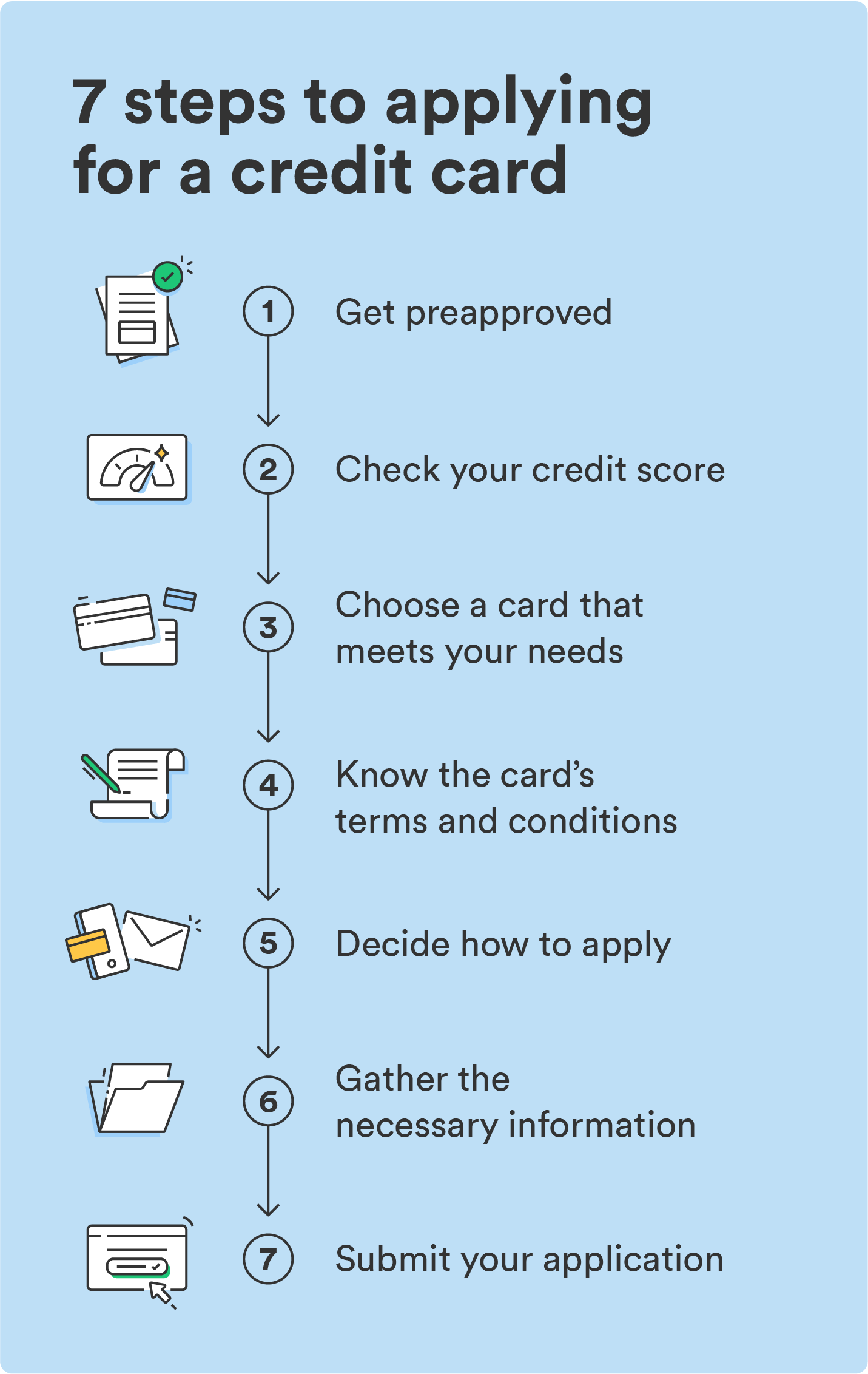
- Online Applications: This is the most common method today. It’s convenient, fast, and allows you to compare multiple offers simultaneously. Most financial institutions have secure online portals. You’ll fill out a digital form, provide the requested information, and often receive an instant decision or a decision within a few minutes.
- In-Person Applications: You can apply at a bank branch or credit union. This allows you to speak directly with a representative who can answer questions, guide you through the form, and explain terms. This might be preferable for those who value personalized assistance or have complex questions.
Regardless of the method, the information required will be similar.
Filling Out the Application Form Accurately
Accuracy is paramount. Any discrepancies or errors can lead to delays or even denial.
- Personal Information: Full legal name, date of birth, SSN/ITIN, marital status, number of dependents.
- Contact Information: Current address, phone number, email address.
- Financial Information: Employment status, annual gross income, sources of income (salary, investments, public assistance), housing status (own, rent, other), monthly housing payment.
- Other Accounts: You may be asked about existing bank accounts or other credit accounts you hold.
Be honest and precise. Lying on a credit card application is a serious offense and can result in legal repercussions.
What Happens After You Apply?
Once you submit your application, one of several outcomes typically occurs:
- Instant Approval: If you have a strong credit profile and meet all criteria, you might receive an immediate approval message, often with your credit limit and interest rate. Your card will then be mailed to you.
- Pending Decision: The issuer may need more time to review your application, especially if there are ambiguities, or if they need to verify information. They might request additional documents or contact you for clarification. This could take a few days to a couple of weeks.
- Conditional Offer: Sometimes, you might be approved, but with different terms than initially advertised, such as a lower credit limit or a higher APR, based on their assessment of your creditworthiness. You then have the option to accept or decline.
- Denial: If your application is denied, the issuer is legally required to send you an “Adverse Action Notice” explaining the specific reasons for the denial (e.g., low credit score, too much existing debt, insufficient income, limited credit history). This notice is invaluable for understanding what areas you need to improve for future applications.
Post-Approval: Managing Your New Credit Card Responsibly
Getting approved is just the first step. The true test of financial discipline comes with managing your new credit card wisely.
Understanding Your Cardholder Agreement
Before activating your card, thoroughly read the cardholder agreement (sometimes called “Terms and Conditions”). This legal document outlines everything you need to know:
- Annual Percentage Rate (APR): The interest rate you’ll pay on balances carried over, typically expressed as a yearly rate.
- Grace Period: The number of days between the end of your billing cycle and your payment due date, during which you can pay your balance in full to avoid interest charges.
- Fees: Annual fees, late payment fees, foreign transaction fees, balance transfer fees, cash advance fees.
- Credit Limit: The maximum amount you can borrow.
- Minimum Payment Due: The smallest amount you must pay by the due date to avoid late fees and maintain your account in good standing.
- Default Terms: What happens if you fail to make payments.
Understanding these terms helps you avoid surprises and manage your account effectively.
Strategies for Building a Strong Credit History
Responsible usage is key to harnessing the credit-building power of your card:
- Pay Your Bill on Time, Every Time: This is the most crucial factor in your credit score. Set up automatic payments or calendar reminders to never miss a due date.
- Keep Your Credit Utilization Low: Aim to use no more than 30% of your available credit limit on any card. For example, if your limit is $1,000, try to keep your balance below $300. Lower utilization signals less risk to lenders.
- Don’t Close Old Accounts: The length of your credit history positively impacts your score. Keeping older accounts open, even if you don’t use them frequently, can be beneficial, as long as they don’t have annual fees you want to avoid.
- Monitor Your Credit Report: Regularly check your credit report for errors or fraudulent activity. You can get a free copy from each of the three major credit bureaus (Equifax, Experian, TransUnion) once every 12 months via AnnualCreditReport.com.
Utilizing Card Benefits and Avoiding Common Mistakes
Beyond building credit, maximize the value of your card:
- Strategically Use Rewards: If you have a rewards card, understand how to earn and redeem your points or cashback most effectively. Don’t overspend just to earn rewards.
- Beware of Cash Advances: Cash advances come with high fees and immediate interest charges, often at a higher APR than purchases. Avoid them unless absolutely necessary.
- Limit New Applications: Each credit application results in a “hard inquiry” on your credit report, which can slightly ding your score for a short period. Only apply for credit when you truly need it.
- Budget Wisely: Integrate your credit card spending into your overall budget. Treat your credit card like a debit card – only spend what you can afford to pay back immediately.
What to Do If Your Application is Denied
A credit card denial isn’t the end of the world; it’s an opportunity to improve your financial standing.
Understanding the Reasons for Denial
As mentioned, the issuer will send you an Adverse Action Notice detailing the reasons. Common reasons include:
- Low Credit Score: Your score is below the lender’s threshold.
- Limited Credit History: You’re new to credit, and lenders don’t have enough data to assess your risk.
- High Debt-to-Income Ratio: You have too much existing debt relative to your income.
- Recent Late Payments or Defaults: Your payment history shows recent negative marks.
- Too Many Recent Hard Inquiries: You’ve applied for too much credit in a short period.
- Insufficient Income: Your stated income is deemed too low for the credit limit requested.
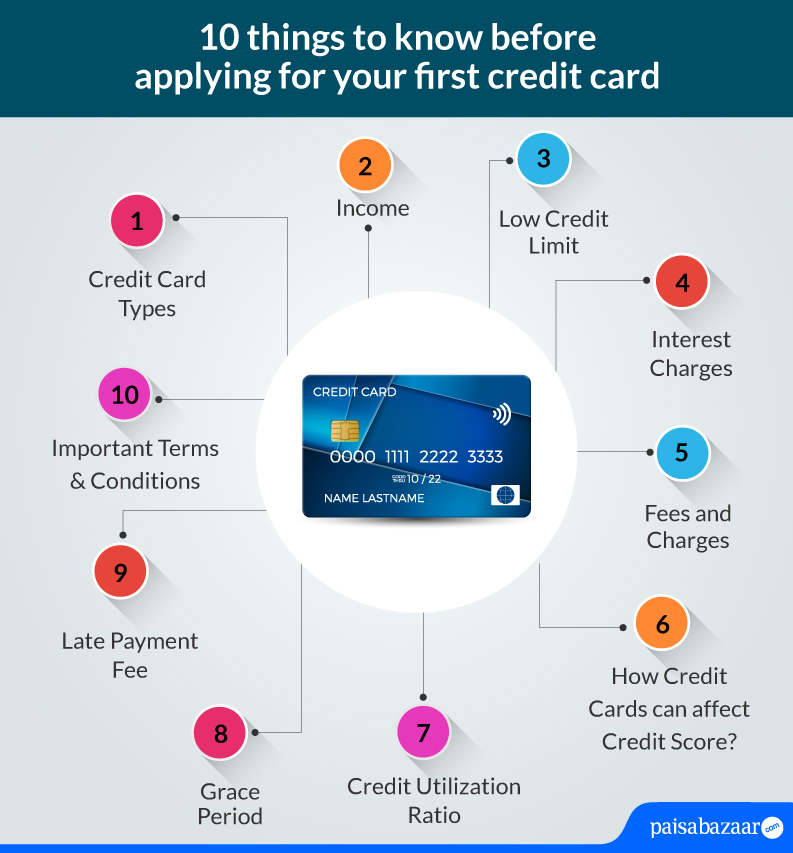
Steps to Improve Your Chances for Future Applications
Armed with the denial reasons, you can take concrete steps:
- Review Your Credit Report: Get your free credit report and meticulously check for errors. Dispute any inaccuracies immediately.
- Pay Down Existing Debt: Reducing your outstanding balances, especially on other credit cards, improves your credit utilization ratio and debt-to-income ratio.
- Build Credit History: If you have little to no credit, consider a secured credit card, a credit-builder loan, or becoming an authorized user on a trusted family member’s account.
- Ensure Timely Payments: For any existing loans or credit accounts, commit to making all payments on time. This consistency is vital.
- Increase Your Income (if possible): While not always immediate, increasing your income can improve your debt-to-income ratio and make you a more attractive borrower.
- Wait and Reapply: Give it some time (e.g., 6-12 months) to implement these changes and allow your credit score to improve before applying again. During this period, avoid applying for other credit to limit hard inquiries.
Applying for a credit card is a significant financial step that requires careful consideration and responsible management. By understanding how credit cards work, preparing thoroughly, and committing to diligent financial habits, you can effectively leverage a credit card to build a strong credit history and achieve your financial goals. Remember, a credit card is a tool; its power lies in how you choose to wield it.
aViewFromTheCave is a participant in the Amazon Services LLC Associates Program, an affiliate advertising program designed to provide a means for sites to earn advertising fees by advertising and linking to Amazon.com. Amazon, the Amazon logo, AmazonSupply, and the AmazonSupply logo are trademarks of Amazon.com, Inc. or its affiliates. As an Amazon Associate we earn affiliate commissions from qualifying purchases.