
In the modern landscape of digital finance, the ability to move capital fluidly between institutions is not just a convenience—it is a strategic necessity. Whether you are seeking to fund a brokerage account to capitalize on a market dip or moving dividends into a liquid spending account, understanding the architecture of financial transfers is paramount. Charles Schwab, a titan in the wealth management and brokerage space, offers robust tools for these maneuvers. However, users often approach the platform with a specific question: how do I “add a Visa” to Charles Schwab to facilitate a transfer?

To answer this within the context of personal finance, one must understand that “adding a Visa” typically refers to one of two things: linking a Visa-branded debit card/bank account via the Automated Clearing House (ACH) network or utilizing modern peer-to-peer (P2P) integrations like Zelle. This guide provides a deep dive into the financial mechanics, security protocols, and strategic advantages of integrating your external Visa-linked accounts with the Schwab ecosystem.
Understanding the Schwab Ecosystem and External Account Linking
Before initiating a transfer, it is essential to distinguish between the various methods of moving money. In the world of personal finance, a Visa card is a gateway to an underlying depository account. Unlike a retail transaction where you “swipe” a card to pay, brokerage transfers require a more secure, verifiable connection between two financial entities.
The Role of ACH vs. Wire Transfers
The most common way to move funds into Charles Schwab from an external bank—most of which issue Visa-branded debit cards—is via the Automated Clearing House (ACH) network. ACH transfers are the gold standard for personal finance because they are generally free and can be automated. While they may take 1–3 business days to clear, they offer a stable way to build a long-term investment pipeline. In contrast, wire transfers are near-instant but often carry fees ranging from $15 to $25, making them less ideal for frequent, smaller movements of capital.
Why Visa-Branded Debit Cards Require Underlying Bank Integration
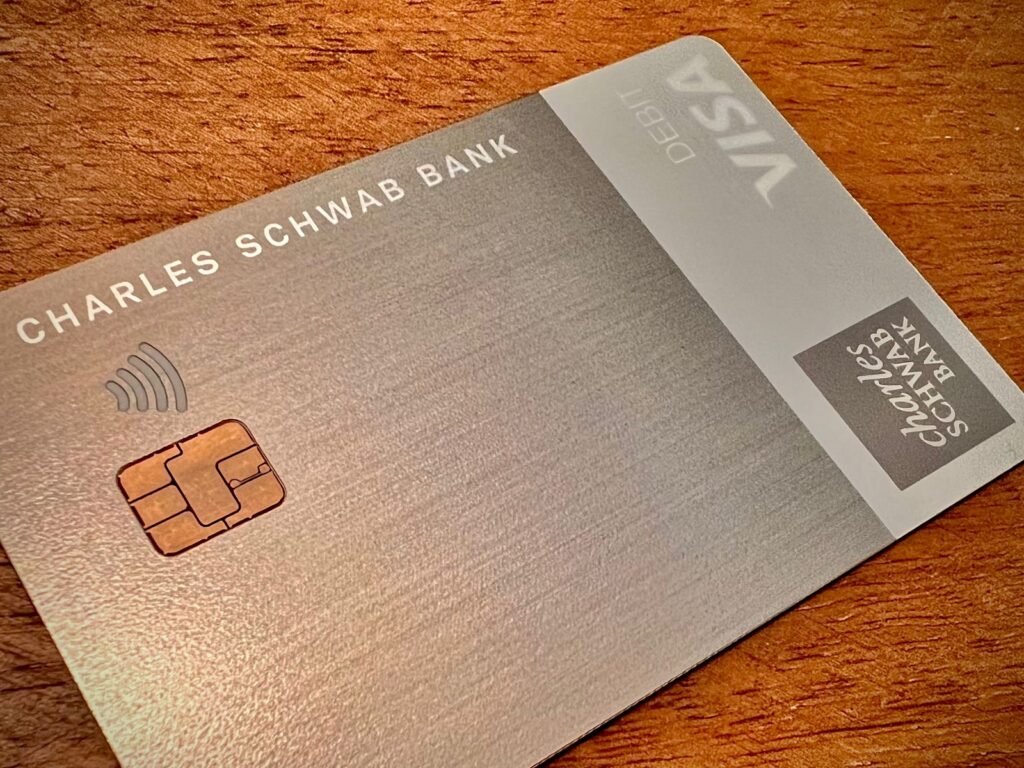
When a user says they want to “add their Visa,” they are usually referring to the account associated with their primary checking or savings institution. Charles Schwab does not typically allow you to “charge” a Visa credit or debit card to fund a brokerage account due to anti-money laundering (AML) regulations and the high merchant fees associated with card processing. Instead, Schwab utilizes “MoneyLink,” a service that creates a secure bridge between your Schwab account and the routing/account numbers of the bank that issued your Visa card.
Step-by-Step: Adding an External Account via Schwab MoneyLink
The most effective way to “add your Visa” functionality to Schwab is by setting up a MoneyLink connection. This process establishes a permanent link that allows for both “pulling” funds (moving money from your external bank to Schwab) and “pushing” funds (moving money from Schwab back to your external bank).
Gathering Your Routing and Account Numbers
To begin, you must look past the 16-digit number on the front of your Visa card. For a financial transfer, you require the banking credentials of the issuing institution. You can find these on a paper check or within your external bank’s mobile app under “Account Details.” Having these numbers ready ensures the verification process is seamless.
Navigating the Schwab Mobile App and Web Portal
To initiate the link, log into your Charles Schwab account and navigate to the “Transfers & Payments” tab. From there, select “External Accounts.”
- Select “Add Account”: Choose the option to link a new bank account.
- Instant Verification vs. Micro-Deposits: Schwab often uses third-party services like Plaid to offer instant verification. You simply log into your external bank through the secure portal. If your bank does not support instant verification, Schwab will send two “micro-deposits” (small amounts under $1.00) to your external Visa-linked account.
- Confirmation: Once you see these deposits (usually within 48 hours), you log back into Schwab to confirm the amounts. This confirms you have legal access to the account, finalizing the link.
Leveraging Digital Payment Tools: Zelle and Visa Direct
For many investors, the 1–3 day wait of an ACH transfer is an obstacle. If your goal is to “add Visa” for the sake of speed, Charles Schwab’s integration with Zelle is the most potent tool in your financial arsenal.
Integrating Zelle for Instant Transfers
The Schwab High Yield Investor Checking account is one of the most popular products in the personal finance world because it integrates natively with Zelle. Because Zelle is owned by the major banks and utilizes the Visa/Mastercard networks for rapid settlement, it allows you to move money from an external Visa-linked account to Schwab almost instantly.
To use this, you must enroll your Schwab debit card or account in Zelle via the Schwab mobile app. Once enrolled, you can “send” money to yourself from your other bank using your email or phone number as the identifier. This bypasses the traditional ACH clearing period, providing immediate liquidity for time-sensitive financial moves.
The Security Benefits of Encrypted Financial Portals
Moving large sums of money requires a focus on digital security. When you link an account to Schwab, you are protected by the “Schwab Security Guarantee,” which covers 100% of any losses in your Schwab accounts due to unauthorized activity. By using established paths like MoneyLink or Zelle rather than third-party “bridge” apps, you maintain a high level of encryption and institutional oversight, reducing the risk of “man-in-the-middle” attacks that can occur on less secure platforms.
Strategies for Managing Liquidity and Investment Capital
Once you have successfully linked your external Visa-branded accounts to Charles Schwab, the focus shifts from the “how” to the “why.” Strategic movement of capital is the hallmark of a sophisticated investor.
Optimizing Transfer Speeds for Market Opportunities
In a volatile market, the ability to fund an account quickly can mean the difference between catching a stock at a discount or missing the window. By having your Visa-linked accounts pre-verified through MoneyLink, you ensure that “Buying Power” is often granted by Schwab immediately upon the initiation of a transfer, even before the funds have fully cleared the ACH process. This “good faith” credit allows you to trade instantly, leveraging your external capital without the wait.
Avoiding Fees and Maintaining Financial Health
A key tenet of personal finance is the minimization of “drag”—the small fees and interest charges that erode wealth over time. By using the methods described above, you avoid the high cash-advance fees that would be incurred if you tried to use a Visa credit card for funding. Furthermore, by consolidating your view of “External Accounts” within the Schwab dashboard, you can monitor your total net worth in one place, ensuring that you maintain an appropriate emergency fund in your liquid Visa-linked checking account while keeping your long-term capital working in the market.

Conclusion: The Path to Financial Fluidity
Adding a Visa-linked account to Charles Schwab is more than a technical hurdle; it is a foundational step in building a cohesive financial life. By moving away from the mindset of “card transactions” and toward “institutional linking,” you unlock a higher level of control over your wealth. Whether you choose the steady reliability of ACH MoneyLink or the rapid velocity of Zelle, the goal remains the same: ensuring your money is exactly where it needs to be, when it needs to be there.
Through the diligent setup of these connections, you transform your Schwab account from a static brokerage into a dynamic hub of financial activity, ready to respond to the complexities of the modern market. Professional wealth management starts with these small, structural optimizations—integrating your everyday banking with your long-term investment strategy.
aViewFromTheCave is a participant in the Amazon Services LLC Associates Program, an affiliate advertising program designed to provide a means for sites to earn advertising fees by advertising and linking to Amazon.com. Amazon, the Amazon logo, AmazonSupply, and the AmazonSupply logo are trademarks of Amazon.com, Inc. or its affiliates. As an Amazon Associate we earn affiliate commissions from qualifying purchases.