
In today’s rapidly evolving financial landscape, digital payment platforms have become indispensable tools for managing personal finances. Among these, Cash App stands out as a popular choice, offering a seamless way to send, spend, save, and invest money. Central to its utility is the Cash App Card – a customizable, free debit card linked directly to your Cash App balance. Understanding how to effectively fund this card is crucial for maximizing its benefits, from everyday purchases to managing direct deposits. This guide will walk you through the various methods of adding money to your Cash App Card, offering insights into each process and tips for optimizing your financial management.

Understanding Your Cash App Card and Its Utility
Before diving into the funding mechanisms, it’s important to grasp what the Cash App Card is and why it’s such a valuable asset in your personal finance toolkit.
What is the Cash App Card?
The Cash App Card is a Visa debit card directly connected to your Cash App balance. It functions much like a traditional bank debit card, allowing you to make purchases online, in stores, and withdraw cash from ATMs wherever Visa is accepted. Unlike a credit card, it only lets you spend the money you have in your Cash App balance, making it an excellent tool for budgeting and avoiding debt. Users can personalize their physical card with unique designs and signatures, adding a personal touch to their financial instrument.
Why Use a Cash App Card?
The utility of the Cash App Card extends beyond simple transactions. For many, it serves as a primary spending card, providing a convenient and secure way to access funds. Its benefits include:
- Financial Flexibility: Use it for everyday spending, online shopping, and bill payments without needing a traditional bank account or carrying physical cash.
- Budgeting Control: Since it’s linked to a specific balance, it encourages responsible spending and helps users stay within their budget by only allowing access to available funds.
- Direct Deposit: Receive paychecks, government benefits, or tax refunds directly into your Cash App account, making funds instantly available on your card.
- Ease of Use: Manage all transactions, check balances, and fund the card directly from the intuitive Cash App mobile application.
- Security: Features like card locking and instant transaction notifications provide peace of mind and allow for quick action in case of suspicious activity.
For individuals seeking a modern, agile approach to managing their money, the Cash App Card presents a compelling solution, bridging the gap between traditional banking and digital finance.
Diverse Methods for Adding Funds to Your Cash App Card
The versatility of the Cash App Card is significantly enhanced by the multitude of ways you can add money to it. Each method caters to different user preferences and financial situations, ensuring accessibility for a broad audience.
Linking an External Bank Account or Debit Card
The most common and straightforward method for funding your Cash App Card is by linking an external bank account or a debit card. This process allows you to transfer funds directly from your existing financial institution to your Cash App balance.
- Process: Within the Cash App, navigate to the “Banking” tab (represented by a house icon) or the “My Cash” tab. Tap on “Add Cash,” choose the desired amount, and confirm the transfer. If you haven’t linked an account yet, you’ll be prompted to do so by entering your debit card details (card number, expiration date, CVV) or by securely linking your bank account via your bank’s online portal.
- Speed & Fees: Standard transfers from a linked bank account typically take 1-3 business days to clear and are free. If you need funds instantly, Cash App offers an “Instant Deposit” option for a small fee (usually 0.5% – 1.75% of the transaction amount). Transfers from a linked debit card are usually instant, but may also incur a fee for faster processing if not coming directly from a bank account.
- Financial Insight: This method provides excellent control over your spending, allowing you to transfer precise amounts as needed for budgeting purposes. It integrates your Cash App seamlessly with your existing banking relationships.
Depositing Cash at Retail Stores
For those who prefer to use physical cash or receive payments in cash, Cash App provides an option to deposit physical money directly onto your card at participating retail locations.
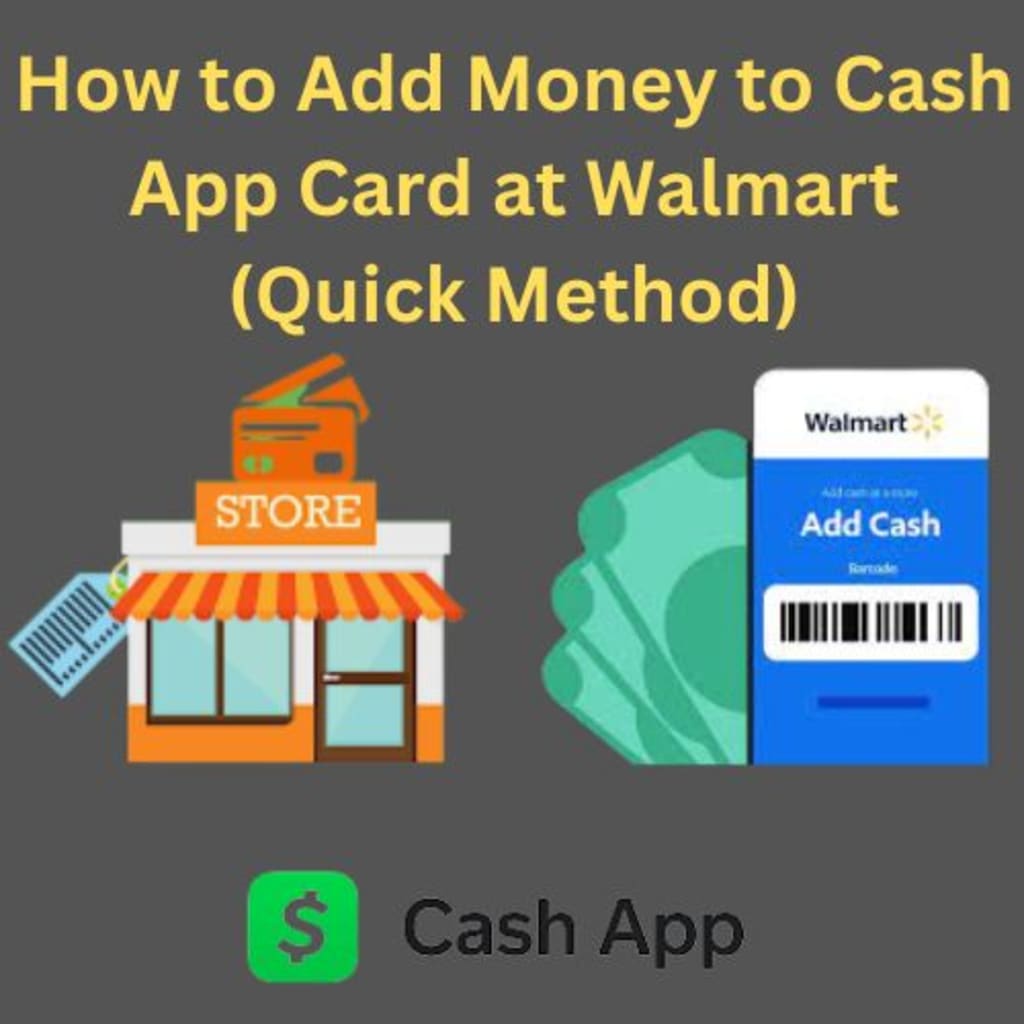
- Process: Open your Cash App and tap the “Banking” tab. Select “Paper Money” or “Deposit Cash.” The app will then show you a map of nearby participating retailers, such as Walmart, 7-Eleven, Walgreens, CVS, and Family Dollar. At the store, inform the cashier you want to deposit money to your Cash App. They will scan a unique barcode generated within your app, and you hand them the cash. The funds are usually instantly added to your balance.
- Speed & Fees: Cash deposits are typically instant, making funds immediately available on your card. However, some retailers may charge a small service fee for this convenience, usually around $1-$5 per transaction.
- Financial Insight: This method is invaluable for the unbanked or underbanked, providing a bridge to digital finance without needing a traditional bank account. It also allows individuals to convert physical cash into a spendable digital format, enhancing financial flexibility.
Receiving Funds from Other Cash App Users
One of Cash App’s core functionalities is its peer-to-peer payment system, which allows users to send and receive money from friends, family, or customers instantly.
- Process: If someone sends you money via Cash App, it will automatically appear in your Cash App balance and be available on your Cash App Card. There’s no additional step required on your part to “add” this money, as it’s directly deposited into your account.
- Speed & Fees: P2P transfers are instant and free for both the sender and receiver.
- Financial Insight: This method is perfect for splitting bills, receiving payments for small gigs, or getting reimbursed by friends. It integrates seamlessly into social and casual financial interactions, making it a highly convenient way to top up your card.
Setting Up Direct Deposit from Your Employer or Benefits Provider
For regular income, setting up direct deposit to your Cash App account is an efficient and popular method to fund your card consistently.
- Process: In the “Banking” tab of your Cash App, look for the “Direct Deposit” option. Here, you’ll find your unique Cash App routing number and account number. Provide these details to your employer’s HR or payroll department, or to your benefits provider (e.g., for government benefits like unemployment or Social Security). Once set up, your paychecks or benefits will automatically be deposited into your Cash App balance.
- Speed & Fees: Direct deposits are free and typically arrive on your scheduled payday, or up to two days earlier than traditional banks for many users.
- Financial Insight: Direct deposit to Cash App offers significant advantages, including faster access to funds, elimination of check-cashing fees, and the ability to manage your primary income stream directly within the app. This method is particularly beneficial for those looking to use Cash App as their primary financial hub.
Receiving Government Payments

Similar to direct deposits from employers, government payments like tax refunds or stimulus checks can also be routed directly to your Cash App account.
- Process: When filing taxes or applying for government assistance, you can provide your Cash App routing and account numbers as the destination for your refund or payment. The government agency will then deposit the funds directly into your Cash App balance.
- Speed & Fees: These payments are free and generally follow the government’s processing timelines, often appearing in your Cash App balance as soon as they are released.
- Financial Insight: This option provides a quick and efficient way to receive significant payments, ensuring immediate access to critical funds without the delays or fees associated with physical checks.
Optimizing Your Cash App Funding Experience
While adding money to your Cash App Card is generally straightforward, understanding certain nuances and best practices can significantly enhance your experience and financial security.
Understanding Transaction Limits and Fees
Every financial tool comes with its own set of rules regarding transaction limits and associated fees. Being aware of these details is crucial for effective money management with Cash App.
- Limits: Cash App imposes limits on how much money you can add, send, and withdraw. For example, there are typically limits on how much cash you can deposit at retailers per transaction and per day/week. Similarly, there are limits on how much you can add from a linked bank account within a specific timeframe. These limits can increase once your identity is verified (e.g., by providing your SSN).
- Fees: While many Cash App services are free, certain transactions incur fees. Instant deposits from a linked bank account to your Cash App balance usually have a small percentage-based fee. Cash deposits at retail locations may also have a small flat fee. Be mindful of these charges to accurately manage your budget.
- Financial Insight: Always check the current limits and fee structure within the Cash App’s support section or during a transaction. Planning your transfers according to these limits can help you avoid unexpected delays or costs.
Best Practices for Secure Funding
Financial security should always be a top priority. When funding your Cash App Card, adopting robust security practices is essential to protect your money and personal information.
- Use Strong, Unique Passwords: Ensure your Cash App account is protected by a strong, unique password that combines letters, numbers, and symbols.
- Enable Two-Factor Authentication (2FA): 2FA adds an extra layer of security, requiring a code sent to your phone or email in addition to your password for login attempts.
- Beware of Phishing Scams: Cash App will never ask you for your login details, PIN, or full debit card number via unsolicited emails, texts, or calls. Be extremely cautious of any communication that seems suspicious.
- Monitor Transactions: Regularly review your Cash App transaction history for any unauthorized activity. Enable notifications to be alerted instantly of any incoming or outgoing funds.
- Protect Your Device: Keep your mobile device secure with a PIN or biometric lock. Avoid using public Wi-Fi for sensitive transactions.
- Financial Insight: Proactive security measures safeguard your funds and personal data, making your Cash App experience reliable and worry-free.
Troubleshooting Common Funding Issues
Occasionally, you might encounter issues when trying to add money to your Cash App Card. Knowing how to troubleshoot these can save time and frustration.
- Bank Rejections: If a bank transfer fails, it could be due to incorrect card details, insufficient funds in your linked bank account, or your bank flagging the transaction as suspicious. Double-check your information and contact your bank if the issue persists.
- App Glitches: Sometimes, a temporary app glitch might prevent a transaction. Try closing and reopening the app, clearing its cache, or updating it to the latest version.
- Transaction Limits: Ensure you haven’t exceeded your daily, weekly, or monthly funding limits. If you have, you’ll need to wait for the limit to reset or verify your identity to increase them.
- Incorrect Details for Direct Deposit: If a direct deposit doesn’t arrive, double-check that you provided your employer or benefits provider with the correct Cash App routing and account numbers.
- Financial Insight: When facing a funding issue, remain calm and systematically review the common causes. Most problems can be resolved with simple checks or by contacting Cash App support.
Integrating Cash App into Your Personal Finance Strategy
Beyond simply adding money, strategically utilizing Cash App as part of your broader personal finance strategy can yield significant benefits.
Budgeting and Tracking Expenses with Cash App
Cash App can be an effective tool for managing your budget and monitoring spending. By consolidating certain expenses onto your Cash App Card, you gain a clear picture of your spending habits.
- Transaction History: The app provides a detailed transaction history, making it easy to review where your money is going.
- Dedicated Spending: Use your Cash App Card for a specific category of expenses (e.g., groceries, entertainment) to isolate and track that portion of your budget.
- Financial Insight: By funding your Cash App Card with a set amount for specific spending categories, you create a tangible budget envelope, helping you stick to your financial goals.
Benefits for Financial Inclusion
For individuals who are unbanked or underbanked, Cash App offers a vital pathway to digital financial services.
- Accessible Banking: With a Cash App account and card, anyone can receive direct deposits, make digital payments, and access their money without the need for a traditional bank account, fostering greater financial inclusion.
- Ease of Setup: The minimal requirements for setting up an account lower barriers to entry for those traditionally excluded from mainstream financial systems.
- Financial Insight: Cash App democratizes access to financial tools, allowing a wider demographic to participate in the digital economy, manage funds effectively, and build financial stability.
Strategic Use of Direct Deposit
Leveraging the direct deposit feature on Cash App can be a powerful tool for automating your finances and achieving financial goals.
- Automated Savings: Direct a portion of your paycheck to your Cash App for specific savings goals, separate from your main bank account.
- Bill Payments: Use your Cash App balance for recurring bill payments, ensuring funds are available when needed.
- Emergency Fund: Designate your Cash App as a separate account for an emergency fund, making it accessible via your card but separate from your everyday spending account.
- Financial Insight: Strategic direct deposit allows for a hands-off approach to saving and bill management, reducing financial stress and promoting consistent financial discipline.
Conclusion
The Cash App Card is a versatile and user-friendly financial instrument, empowering individuals to manage their money digitally with ease. Whether you prefer linking a bank account, depositing cash at a retailer, receiving peer-to-peer transfers, or setting up direct deposit for your income, Cash App offers a method tailored to your needs. By understanding these various funding options, being mindful of limits and fees, and prioritizing security, you can optimize your Cash App experience. Integrating the Cash App Card thoughtfully into your personal finance strategy can enhance budgeting, improve financial accessibility, and contribute to overall financial well-being in the modern digital age.
aViewFromTheCave is a participant in the Amazon Services LLC Associates Program, an affiliate advertising program designed to provide a means for sites to earn advertising fees by advertising and linking to Amazon.com. Amazon, the Amazon logo, AmazonSupply, and the AmazonSupply logo are trademarks of Amazon.com, Inc. or its affiliates. As an Amazon Associate we earn affiliate commissions from qualifying purchases.