
The Cash App Card as a Personal Finance Tool
In the evolving landscape of personal finance, digital tools have become indispensable for managing daily transactions, budgeting, and even investing. The Cash App Card, a Visa debit card directly linked to your Cash App balance, exemplifies this shift, transforming a mobile payment application into a versatile financial instrument. Understanding how to efficiently fund this card is crucial for anyone looking to leverage its full potential in their personal finance strategy.
What is the Cash App Card?
The Cash App Card functions much like a traditional debit card, but it draws funds directly from your Cash App balance rather than a conventional bank account. It allows users to make purchases online, in stores, and withdraw cash from ATMs wherever Visa is accepted. For many, it serves as an accessible entry point into digital banking, offering a convenient way to manage spending without the complexities sometimes associated with traditional financial institutions. Its integration with the Cash App ecosystem also means seamless peer-to-peer transfers, direct deposits, and even Bitcoin transactions, all from a single platform.

Its Role in Everyday Financial Management
For individuals, the Cash App Card can be a powerful tool for budgeting and expenditure control. By intentionally loading specific amounts onto your card, you can create a digital envelope system, allocating funds for specific categories like groceries, entertainment, or transport. This proactive approach can prevent overspending and provide clear insights into where your money is going. Furthermore, for those who receive income through Cash App or rely on digital transfers, the card provides immediate access to their funds, eliminating the need to transfer money to an external bank account before spending. This immediacy and control over funds make the Cash App Card a significant asset in a modern personal finance toolkit, streamlining financial operations and offering a degree of flexibility that traditional banking may not always match.
Seamless Digital Transfers: Linking Your Bank Account and Debit Card
One of the primary ways to add money to your Cash App Card is through digital transfers from your existing financial accounts. Cash App is designed to integrate smoothly with your traditional banking infrastructure, allowing for quick and secure movement of funds. This flexibility is key to maintaining a fluid financial ecosystem where your digital wallet and bank accounts work in harmony.
Linking a Bank Account: The Foundation
The most fundamental method for adding significant funds to your Cash App balance, and by extension your Cash App Card, is by linking a traditional bank account. This process typically involves providing your bank’s routing number and your account number within the Cash App interface. Once linked and verified (which may involve small micro-deposits to confirm ownership), you can initiate transfers directly from your bank account to your Cash App. These transfers usually take 1-3 business days to clear and appear in your Cash App balance. While not instantaneous, this method is ideal for larger sums or for establishing a consistent funding source, enabling you to build up your Cash App balance for regular use of your card. It serves as a secure bridge between your conventional savings or checking account and your digital spending platform.
Instant Deposits with a Linked Debit Card
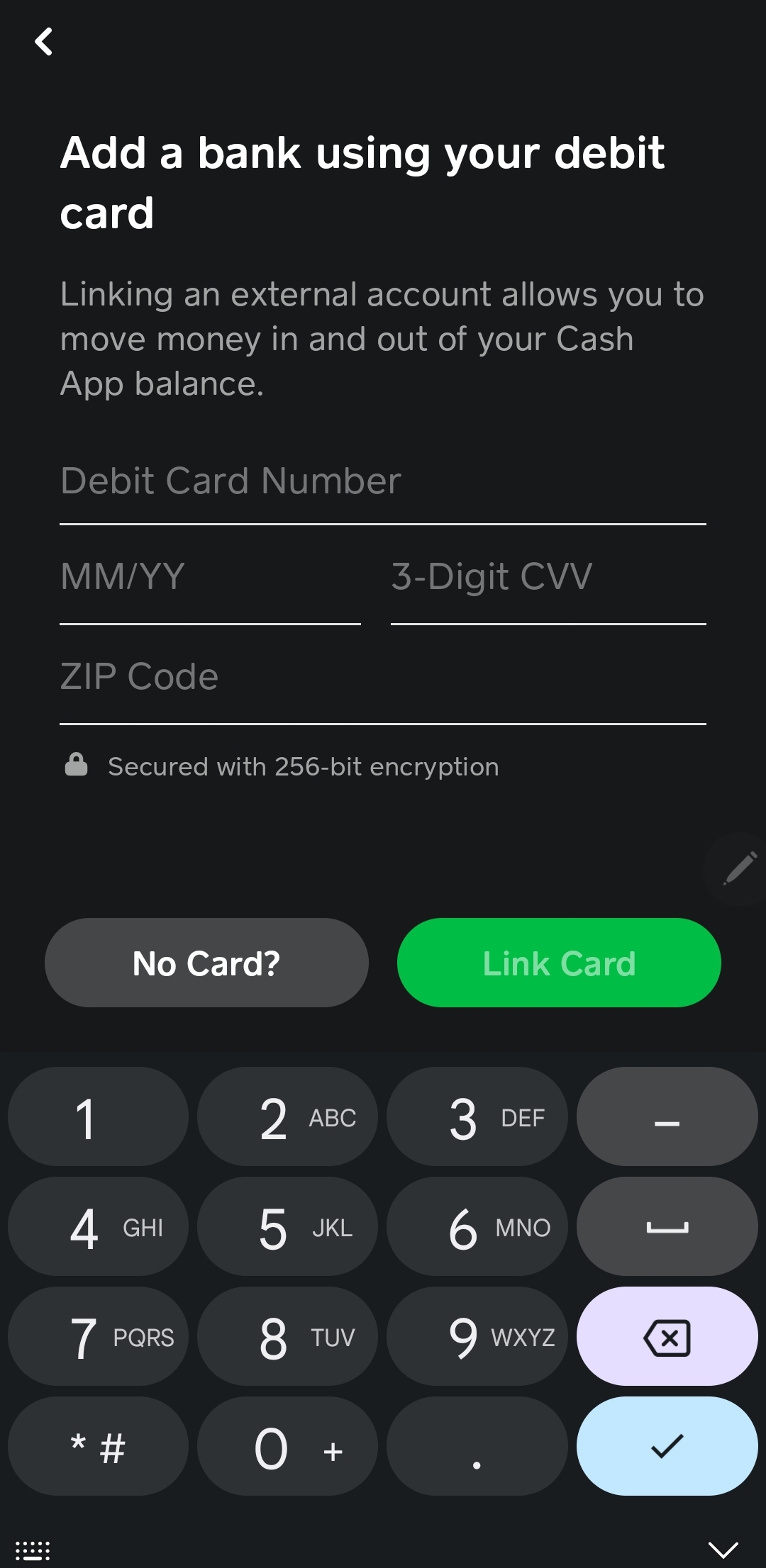
For those needing immediate access to funds, linking a debit card offers a faster alternative. When you link a debit card to your Cash App account, you can instantly add money to your Cash App balance. This convenience comes from the direct connection between your debit card and your bank account, allowing Cash App to process the transfer almost instantaneously. While there might be a small fee associated with instant deposits (typically 0.5% to 1.75% of the transaction amount, though this can vary), the benefit of immediate access to funds often outweighs this cost, especially in urgent situations. This method is particularly useful for topping up your card for an immediate purchase or expense without waiting for standard bank transfer times. It provides critical flexibility for managing unexpected costs or taking advantage of time-sensitive opportunities.
Auto-Add Feature for Consistent Funding
For users who prefer a hands-off approach to managing their Cash App balance, the “Auto-Add” feature can be a game-changer. This optional setting allows you to automatically add money from your linked bank account or debit card whenever your Cash App balance falls below a certain threshold you define. For example, you can set it to add $50 from your linked debit card if your balance drops below $20. This ensures that your Cash App Card always has sufficient funds for your routine expenditures, preventing declined transactions and providing peace of mind. Implementing Auto-Add is a proactive financial strategy that maintains liquidity in your digital wallet, making your Cash App Card a reliable tool for daily spending without constant manual oversight. It’s an excellent way to maintain financial stability within your digital banking ecosystem without active management.
Beyond Digital: Adding Physical Cash to Your Card
While digital transfers are convenient, there are times when physical cash needs to be converted into digital funds. Cash App has recognized this need, providing mechanisms for users to deposit paper money directly onto their accounts, thereby funding their Cash App Card.
Paper Money Deposits at Retailers
For individuals who primarily deal in cash or receive cash payments, Cash App offers a practical solution: paper money deposits at participating retail locations. Many major retailers, including popular convenience stores and pharmacies, act as Cash App partners, allowing you to convert your physical cash into digital funds. The process is straightforward: you typically present your Cash App Card (or generate a unique barcode within the app) at the register, hand over the cash you wish to deposit, and the funds are added to your Cash App balance. This usually incurs a small service fee from the retailer, which can vary but is generally nominal. This method bridges the gap between traditional cash-based transactions and modern digital finance, ensuring that even physical income can quickly and easily be accessed via your Cash App Card. It expands the accessibility of Cash App to a broader demographic, including those who may not have a traditional bank account but still need the convenience of a debit card.
Leveraging Direct Deposit for Regular Income
Perhaps the most efficient way to regularly fund your Cash App Card with “cash” (in the form of your salary or other recurring income) is by setting up direct deposit. When you enable direct deposit through Cash App, you are provided with a unique routing and account number. These details can then be given to your employer, government agency, or any other entity that provides recurring payments. Funds are then directly deposited into your Cash App account, often up to two days earlier than traditional banks, which can be a significant advantage for financial planning and cash flow management. This method eliminates the need for manual transfers or physical deposits, making your Cash App Card a central hub for managing your primary income. It transforms the app into a primary banking solution for many, offering a streamlined path from earning to spending without intermediate steps. For individuals who want to centralize their finances, direct deposit into Cash App is a highly effective strategy.
Peer-to-Peer and Alternative Funding Methods
Beyond linking traditional bank accounts and depositing physical cash, Cash App’s core functionality as a peer-to-peer payment platform offers additional, flexible ways to fund your card. These methods leverage the social aspect of digital payments and expand the utility of your Cash App Card within your financial network.
Receiving Money from Other Cash App Users
One of the most common and intuitive ways to add money to your Cash App balance is by receiving funds from other Cash App users. Whether it’s splitting a bill with friends, receiving payment for a service, or getting money from family, these peer-to-peer transfers instantly credit your Cash App balance. Once the money is in your balance, it is immediately available for use with your Cash App Card. This seamless transfer mechanism underpins Cash App’s popularity, making it incredibly convenient for shared expenses and informal transactions. For individuals managing communal finances or frequently exchanging money with peers, this method ensures that funds are readily available on their card without needing to involve external banks or manual deposits.
Understanding Limits and Fees
When adding money to your Cash App Card through any method, it is crucial to be aware of the associated limits and potential fees. Cash App imposes daily, weekly, and monthly limits on how much money you can add and send, which can vary depending on whether your account is verified. Verified accounts (which typically require providing your full name, date of birth, and the last four digits of your social security number) generally have higher limits, offering greater financial flexibility.
- Deposit Limits: While specific limits can change, unverified accounts often have lower weekly deposit limits compared to verified accounts. Understanding these caps is essential to avoid unexpected delays in funding your card, especially for larger financial transactions.
- Instant Deposit Fees: As mentioned, instant transfers from a linked debit card typically incur a small percentage-based fee. While seemingly minor, these fees can accumulate over time if used frequently for large sums.
- ATM Withdrawal Fees: While not directly related to adding money, it’s worth noting that using your Cash App Card at an ATM for cash withdrawals may incur both Cash App fees and third-party ATM operator fees. Being aware of these costs helps in planning your financial strategy.
Regularly reviewing Cash App’s official fee schedule and limits within the app or on their website is a sound financial practice. This ensures you can plan your funding methods efficiently, minimizing costs and maximizing the utility of your Cash App Card as a personal finance tool. Awareness of these operational details is key to effective digital money management.
Strategic Financial Management and Security for Your Cash App Funds
Effectively adding money to your Cash App Card is only one part of the equation; strategic financial management and robust security practices are equally vital to ensure your funds are protected and utilized optimally. Treating your Cash App Card as a genuine financial instrument requires diligence and an understanding of its capabilities and limitations.
Budgeting with Your Digital Wallet
The Cash App Card can be an excellent aid for budgeting when used intentionally. Instead of funding it with an arbitrary amount, consider allocating specific budgets for various spending categories directly to your Cash App balance. For instance, you could decide that your Cash App Card will be exclusively for entertainment expenses or a specific weekly grocery budget. By transferring only the budgeted amount from your main bank account, you create a natural spending limit, preventing overspending in those categories. This “digital envelope” system provides real-time feedback on your spending habits, helping you stick to your financial goals. Furthermore, Cash App’s transaction history offers a clear audit trail of your expenditures, which can be reviewed periodically to assess adherence to your budget and identify areas for adjustment. Integrating your Cash App Card into your broader budgeting strategy transforms it from a mere payment tool into an active component of your financial discipline.
Protecting Your Funds: Best Practices
Security is paramount when dealing with any financial tool, and your Cash App Card is no exception. While Cash App employs various security measures, personal vigilance is your strongest defense.
- Strong, Unique Password/PIN: Always use a strong, unique password or PIN for your Cash App account and enable two-factor authentication (2FA). This adds an extra layer of security, making it significantly harder for unauthorized individuals to access your account.
- Enable Security Lock: Utilize the “Security Lock” feature within Cash App, which requires your PIN, Touch ID, or Face ID for transactions, further protecting your funds if your phone is lost or stolen.
- Monitor Transactions: Regularly review your Cash App transaction history. Promptly report any suspicious or unauthorized activity to Cash App support. Early detection can prevent significant financial losses.
- Protect Your Card Details: Never share your Cash App Card number, CVV, or expiration date with anyone you don’t implicitly trust. Be wary of phishing attempts or requests for this information, even if they appear to be from Cash App itself.
- Public Wi-Fi Caution: Avoid accessing your financial apps, including Cash App, over unsecured public Wi-Fi networks, as these can be vulnerable to data interception.
Recognizing and Avoiding Scams
The popularity of Cash App also makes it a target for various scams. As a responsible financial user, recognizing and avoiding these is critical to protecting your funds. Common scams include:
- Fake Customer Support: Scammers posing as Cash App support often request sensitive information or ask you to send money to “verify” your account. Always verify official support channels through the app or website.
- “Free Money” Giveaways: Be skeptical of promises of free money, lottery winnings, or highly unlikely investment opportunities, especially if they require you to send money first.
- Phishing Links: Do not click on suspicious links in emails or text messages that claim to be from Cash App, as these could lead to fraudulent websites designed to steal your login credentials.
- Payment for Non-Existent Goods/Services: Be cautious when paying individuals you don’t know for goods or services that haven’t been received or verified. Cash App transactions are generally instant and irreversible.
By adopting these security best practices and remaining vigilant against common scams, you can confidently and securely manage your funds through your Cash App Card, maximizing its benefits as a powerful personal finance tool while minimizing risks. Your proactive approach to security is the cornerstone of responsible digital financial management.
aViewFromTheCave is a participant in the Amazon Services LLC Associates Program, an affiliate advertising program designed to provide a means for sites to earn advertising fees by advertising and linking to Amazon.com. Amazon, the Amazon logo, AmazonSupply, and the AmazonSupply logo are trademarks of Amazon.com, Inc. or its affiliates. As an Amazon Associate we earn affiliate commissions from qualifying purchases.