
The modern financial landscape is increasingly defined by agility, convenience, and the proliferation of digital tools designed to simplify money management. Among the most popular are peer-to-peer payment apps and challenger banks, each offering unique advantages. Cash App, with its instant transfers and investing features, and Chime, a leading neobank known for early direct deposits and fee-free banking, have carved significant niches. For individuals managing their finances across multiple platforms, the ability to seamlessly move funds between these services is not just a convenience, but a critical aspect of effective personal finance.
This guide delves into the practical methods, strategic considerations, and financial implications of transferring money from Cash App to Chime. We’ll explore direct linking options, indirect strategies, and crucial aspects like fees, limits, and security, empowering you to optimize your digital money movements for greater financial control.
The Evolving Landscape of Digital Banking and Peer-to-Peer Payments
The financial industry has undergone a radical transformation in recent years, driven by technological innovation and shifting consumer expectations. Traditional banking models, once the sole custodians of financial services, now share the stage with a new breed of agile, digital-first entities. Understanding this evolving ecosystem is key to mastering inter-platform fund transfers.
The Rise of Neobanks and Fintech Innovators
Neobanks, such as Chime, have disrupted conventional banking by offering fully digital, mobile-first experiences. They typically forgo physical branches, leveraging technology to provide streamlined services like fee-free checking accounts, early direct deposit, and automatic savings tools. Their appeal lies in their accessibility, lower costs, and often superior user interfaces compared to legacy banks.
Concurrently, peer-to-peer (P2P) payment apps like Cash App have revolutionized how individuals send and receive money. These platforms facilitate instant transfers between users, often incorporating additional financial features such as debit cards, direct deposit capabilities, and even cryptocurrency trading or stock investing. Their immediate utility and social integration have made them indispensable tools for daily transactions, splitting bills, and sending money to friends and family.
Why Interoperability is Crucial for Personal Finance Management
As individuals increasingly utilize a mosaic of financial tools – a neobank for primary banking, a P2P app for quick transfers, and perhaps a traditional bank for specific needs – the ability for these platforms to “speak” to one another becomes paramount. Interoperability, the capacity for different financial systems to exchange and make use of information, is the linchpin of modern personal finance.
For a savvy financial consumer, being able to transfer money from Cash App, where they might receive payments or sell goods, to Chime, where they manage their primary expenses and savings, is not merely a technicality. It’s about maintaining liquidity, consolidating funds for budgeting, optimizing cash flow, and ensuring that their money is precisely where it needs to be, when it needs to be there. Without efficient interoperability, managing multiple digital wallets can become a fragmented, frustrating, and even costly endeavor, undermining the very convenience these platforms promise.
Direct Pathways: Linking Accounts for Effortless Fund Movement
The most straightforward and often recommended methods for transferring funds between Cash App and Chime involve directly linking the accounts. These methods leverage established financial networks to facilitate secure and relatively quick transactions.
Leveraging Your Chime Debit Card for Cash App Transfers
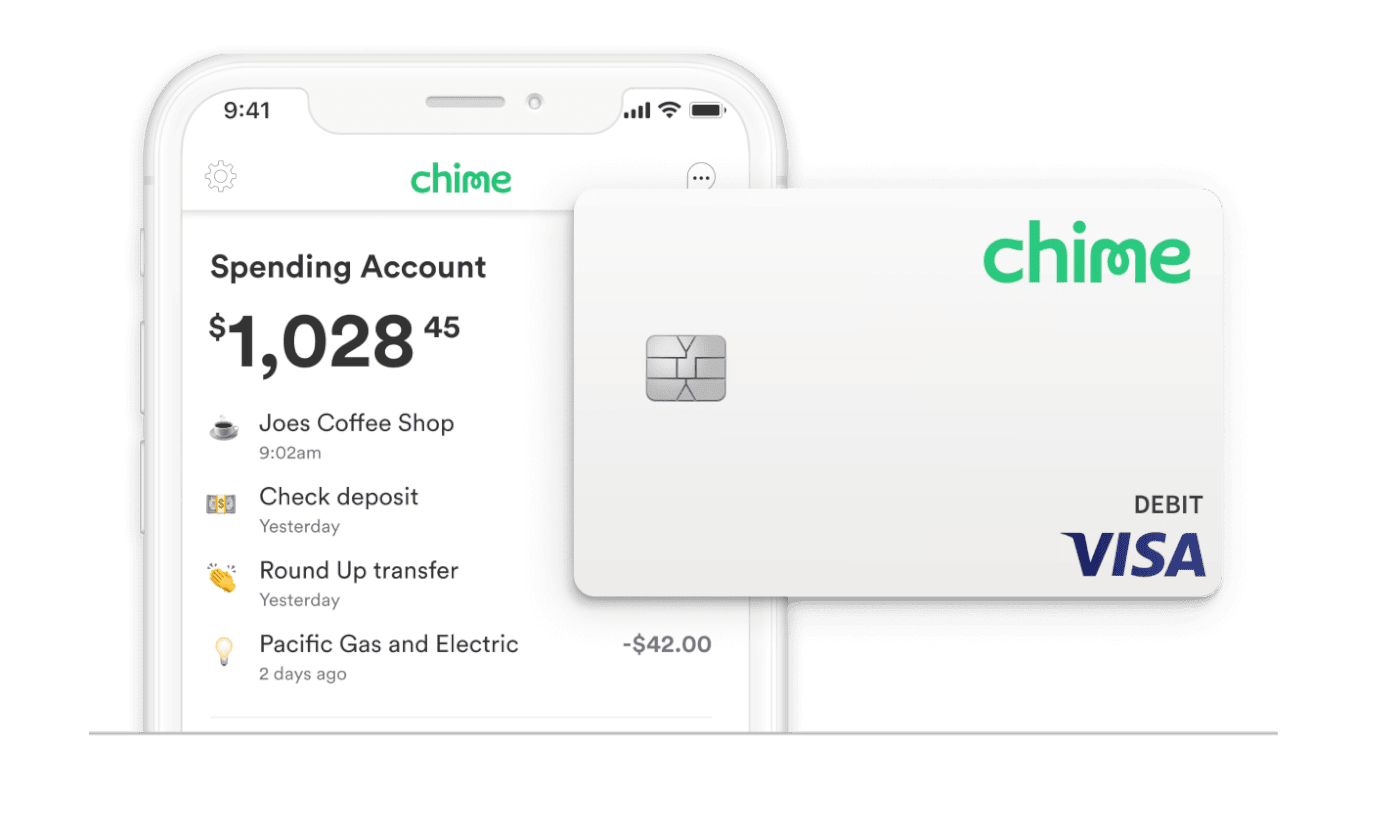
One of the most common ways to move money from Cash App to Chime is by treating your Chime Debit Card as a linked bank account within Cash App. Cash App allows users to add a debit card for instant deposits or to cash out funds.
Here’s how this typically works:
-
Link Chime Debit Card to Cash App: In your Cash App profile, navigate to the “Linked Banks” or “Add Bank” section. You’ll have the option to link a debit card. Input your Chime Debit Card number, expiration date, CVV, and zip code.
-
Initiate Cash Out from Cash App: Once your Chime Debit Card is linked, you can initiate a “Cash Out” from your Cash App balance.
-
Choose Instant Deposit: When cashing out, Cash App will usually present two options: “Standard” (1-3 business days, typically free) and “Instant” (within minutes, usually for a small fee, often 0.5% to 1.75% of the transfer amount). To move money quickly to Chime, select “Instant.”
The funds will then be processed and deposited directly into your Chime account, as the Chime Debit Card acts as the conduit to your Chime checking account. This method is favored for its speed and relative simplicity, although the instant transfer fee is a crucial financial consideration.
Initiating ACH Transfers: Connecting Chime and Cash App via Bank Account
Another robust method involves leveraging the Automated Clearing House (ACH) network, which is the standard system for electronic funds transfers between banks in the U.S. Both Cash App and Chime support ACH transfers, allowing you to link them directly using your account and routing numbers.
This process involves:
-
Obtain Chime Account Information: Log into your Chime account (via app or website) and locate your Chime routing number and account number. These are unique identifiers for your Chime checking account.
-
Link Chime Account to Cash App: In Cash App, go to the “Linked Banks” section. Instead of adding a debit card, choose the option to link a bank account using account and routing numbers. Enter your Chime details. Cash App will typically perform a small verification deposit/withdrawal (micro-deposits) to confirm ownership, which you’ll need to verify within a few days.
-
Initiate Transfer: Once linked and verified, you can “Cash Out” your Cash App balance to your linked Chime bank account. This will typically be a standard ACH transfer, meaning it’s usually free but takes 1-3 business days to process and for funds to appear in your Chime account.
Conversely, you can also link your Cash App routing and account number (which can be found in your Cash App profile under the “Banking” or “Direct Deposit” section) to your Chime account. This would allow you to initiate transfers from Chime to Cash App, but for moving money from Cash App to Chime, linking Chime to Cash App is the relevant step.
Understanding the Underlying Mechanics of Digital Fund Transfers
At their core, these digital transfers rely on established financial infrastructure. When you use your Chime Debit Card, it acts much like any other bank-issued debit card on a card network (Visa/Mastercard), facilitating an electronic transaction that moves money from Cash App’s holding account to your Chime account via the card network’s rails. For instant transfers, Cash App essentially fronts the money and settles later.
ACH transfers, on the other hand, are batch processed. Banks collect transfer requests throughout the day and send them to the ACH network, which then clears them and sends them to the receiving bank. This batch processing is why standard ACH transfers take a few business days, as they go through multiple stages of verification and settlement. Both methods are secure, regulated processes, providing a reliable backbone for your financial movements.
Strategic Considerations for Indirect Transfers and Workarounds
While direct linking offers the most efficient path, situations may arise where direct transfers are either not feasible, temporarily unavailable, or where an alternative strategy offers a more advantageous financial outcome. In such cases, indirect methods can serve as valuable workarounds.
Utilizing a Traditional Bank Account as an Intermediary Bridge
One of the most common and reliable indirect methods involves using a traditional bank account as an intermediary. This strategy is particularly useful if you encounter issues linking Cash App directly to Chime, or if you prefer to consolidate funds in a single “hub” account before distributing them.
The process would involve:
-
Cash Out from Cash App to your Traditional Bank Account: Link your conventional checking or savings account (e.g., from Bank of America, Chase, Wells Fargo) to your Cash App using its routing and account numbers. Initiate a standard ACH cash-out from Cash App to this intermediary bank account. This transfer is typically free but takes 1-3 business days.
-
Transfer from Traditional Bank Account to Chime: Once the funds have settled in your traditional bank account, you can then initiate a transfer from that bank account to your Chime account. Most traditional banks allow you to link external accounts (like Chime) using their routing and account numbers for ACH transfers. This process is also usually free and takes 1-3 business days.
While this method adds an extra step and extends the overall transfer time, it offers increased flexibility and can serve as a robust fallback. It also allows for greater financial segregation, as you might use your traditional bank for larger, less frequent transfers and your digital wallets for everyday spending.
Exploring Alternative Cash-Out and Deposit Methods (Limited Scope for Direct Chime)
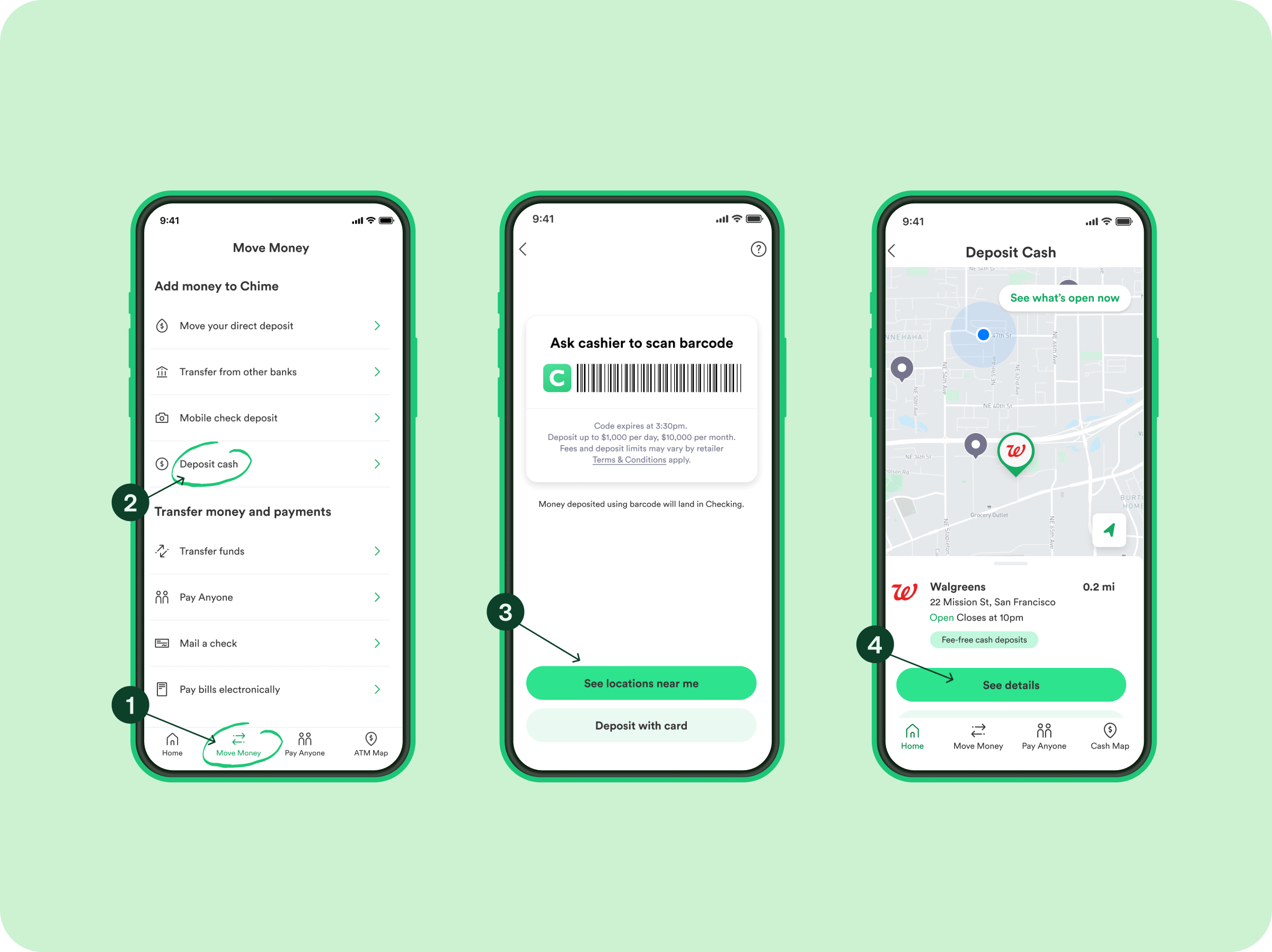
While less direct for the Cash App to Chime flow, understanding broader cash-out and deposit options can be beneficial for overall financial agility. Cash App does offer options to get physical cash, such as withdrawing from an ATM using your Cash Card or even depositing checks (via the app) to your Cash App balance. However, these methods are primarily for accessing cash or adding funds to Cash App, rather than moving money directly to Chime.
For example, if you cash out from Cash App to your linked traditional bank, you could then use that traditional bank’s ATM to withdraw physical cash, and then deposit that cash into your Chime account via a participating retailer (like Walgreens or 7-Eleven, which support Chime cash deposits). However, this introduces physical steps, potential fees for ATM withdrawals/cash deposits, and significantly increases the time and effort involved, making it less ideal for digital-first transfers. Therefore, for purely digital transfers from Cash App to Chime, the intermediary bank account method remains superior.
The Importance of Planning Multi-Platform Financial Flows
The strategic use of intermediary accounts highlights a key principle in modern personal finance: planning your multi-platform financial flows. Instead of viewing each app in isolation, consider how they interact within your broader financial ecosystem.
For instance, you might designate Cash App for receiving payments from side hustles or peer-to-peer reimbursements. Your traditional bank account could serve as a central hub for larger savings or bill payments. Chime, with its early direct deposit, might be your primary account for salary and daily spending. Understanding these roles and establishing clear pathways for money movement ensures that your funds are always liquid and accessible where you need them most, minimizing delays and unexpected fees. This holistic approach empowers you to leverage the strengths of each financial tool without being hindered by their individual limitations.
Navigating the Financial Nuances: Fees, Limits, and Security
While the convenience of digital transfers is undeniable, a thorough understanding of the financial nuances—specifically fees, transaction limits, and security protocols—is paramount. Overlooking these details can lead to unexpected costs, delays, or even potential financial vulnerability.
Deconstructing Transfer Fees and Expedited Options
Both Cash App and Chime generally strive for fee-friendly models, but specific transfer types can incur charges.
-
Cash App Instant Deposits: When cashing out from Cash App to a linked debit card (like your Chime Debit Card) instantly, Cash App typically charges a fee, usually between 0.5% and 1.75% of the transaction amount. While it offers immediate access to funds, this fee can add up, especially for frequent or large transfers.
-
Standard ACH Transfers: Cashing out from Cash App to a linked bank account (whether Chime directly or an intermediary traditional bank) via standard ACH transfer is almost always free. The trade-off is the 1-3 business day processing time.
-
Chime’s Stance: Chime itself generally does not charge fees for receiving funds via ACH or debit card deposits. Their business model focuses on interchange fees from card transactions, not incoming transfers.
It’s a critical financial decision: pay a small percentage for instant gratification or wait a few days for a free transfer. For most routine transfers, planning ahead for free ACH transfers is the more financially prudent choice. Expedited options should be reserved for genuine emergencies or time-sensitive needs.
Understanding Transaction Limits and Their Implications
Both Cash App and Chime, like all financial institutions, impose limits on transactions for security reasons and to comply with regulatory requirements.
-
Cash App Limits: Unverified Cash App accounts often have lower sending and receiving limits (e.g., $250 send, $1,000 receive within 30 days). Verifying your identity with your full name, date of birth, and the last four digits of your SSN significantly increases these limits, allowing for much larger transactions (e.g., $7,500 per week to send, unlimited receiving). Cash-out limits also apply, with instant cash-outs generally having higher limits than standard ones.
-
Chime Limits: Chime also has daily and monthly limits for certain transactions, such as ATM withdrawals, daily debit card spending, and sometimes for incoming large ACH transfers, especially from new sources. While generally generous for standard account usage, it’s wise to check Chime’s specific limits if you anticipate moving exceptionally large sums.
These limits have significant financial implications. If you need to transfer a large sum, you might need to plan multiple smaller transfers over several days or weeks, or opt for an intermediary bank with higher limits. Being aware of these caps prevents frustrating delays and helps in planning your financial strategy effectively.
Fortifying Your Finances: Best Practices for Digital Security
The convenience of digital finance comes with the responsibility of safeguarding your funds and personal information. Security is paramount when moving money between apps.
-
Strong, Unique Passwords & 2FA: Always use strong, unique passwords for both Cash App and Chime. Enable two-factor authentication (2FA) wherever possible. This adds an extra layer of security, requiring a code from your phone in addition to your password, making it much harder for unauthorized access.
-
Beware of Phishing Scams: Be vigilant against phishing attempts. Legitimate financial institutions will never ask for your password, PIN, or full SSN via email or unsolicited text messages. Always verify the sender and URL before clicking links.
-
Monitor Transactions: Regularly review your transaction history on both Cash App and Chime. Promptly report any suspicious or unauthorized activity to the respective customer support teams. Early detection can prevent significant financial losses.
-
Secure Wi-Fi: Avoid conducting financial transactions over unsecured public Wi-Fi networks, which can be vulnerable to data interception. Use a private network or a virtual private network (VPN) if possible.
-
Account Verification: When linking accounts, be meticulous in entering account and routing numbers. Double-check all details to avoid sending money to the wrong destination, which can be difficult or impossible to recover.
By adhering to these security best practices, you can confidently navigate the digital financial landscape, ensuring that your money is not only moved efficiently but also protected from potential threats.
Optimizing Your Digital Wallet Strategy for Enhanced Financial Control
Successfully transferring money between Cash App and Chime is just one piece of the puzzle. The ultimate goal is to integrate these capabilities into a broader, optimized digital wallet strategy that enhances your overall financial control and supports your personal finance objectives.
Selecting the Right Platform for Specific Financial Needs
A truly optimized strategy involves understanding and leveraging the unique strengths of each financial tool:
-
Cash App: Excellent for quick, peer-to-peer payments, receiving funds from gigs or side hustles, and micro-investing in stocks or Bitcoin. Its instant transfer capability to a debit card is a boon for urgent needs, despite the fee.
-
Chime: Ideal as a primary checking account, especially for those who benefit from early direct deposit, fee-free banking, and automatic savings features. It’s also suitable for managing regular bills and everyday spending with its Visa Debit Card.
-
Traditional Bank (as an intermediary): Can serve as a robust hub for larger savings, loan management, or as a reliable intermediary for transfers between various fintech apps, providing a stable, regulated foundation.
By assigning specific roles to each platform, you can minimize fees, streamline operations, and ensure that your money is always in the most advantageous location for its intended purpose. For example, direct your main paycheck to Chime, use Cash App for splitting dinner bills, and route larger, less frequent transfers through your traditional bank.
Automating Transfers for Budgeting and Savings Goals
One of the most powerful applications of seamless inter-app transfers is the ability to automate your financial flows, which is a cornerstone of effective budgeting and savings.
-
Automated Savings with Chime: Chime offers excellent features like “Save When I Get Paid” (automatically transfers a percentage of your direct deposit to savings) and “Round Up” (rounds up debit card purchases to the nearest dollar and saves the difference).
-
Scheduled Transfers: While direct automated transfers from Cash App to Chime are not typically a built-in feature, you can automate transfers from your linked bank account (which could be Chime) to Cash App, or vice versa, from your traditional bank to Chime. If you regularly receive money into Cash App, consider setting a recurring reminder to manually transfer a portion to your Chime savings.
-
Budget Allocation: Use these transfer capabilities to consistently allocate funds from your main income source (e.g., direct deposit into Chime) to different “buckets” – whether it’s moving money to Cash App for a specific spending category or to an investment account linked elsewhere. This proactive approach helps enforce budgeting rules and accelerates savings goals without constant manual intervention.
Automating money movement removes the psychological friction of saving and budgeting, making financial discipline significantly easier and more consistent.
The Future Outlook for Inter-App Financial Integration
The trend towards greater financial integration is only set to accelerate. Open banking initiatives, API-driven partnerships, and the increasing demand for a unified financial experience mean that moving money between different platforms will likely become even more streamlined and transparent in the future. We can anticipate:
-
Enhanced Direct Linking: Easier and more robust direct links between a wider array of financial apps, potentially reducing the need for intermediary accounts.
-
Standardized APIs: The development of universal application programming interfaces (APIs) that allow different fintech services to communicate more seamlessly and securely, fostering a truly interconnected financial ecosystem.
-
Intelligent Automation: AI-driven tools that can automatically optimize money movement based on your spending patterns, financial goals, and real-time market conditions, potentially suggesting the most cost-effective and fastest transfer methods.
By staying informed about these advancements and continuously refining your digital wallet strategy, you position yourself to take full advantage of the innovations that empower greater financial control and flexibility in an increasingly digital world. Mastering the art of moving money between platforms like Cash App and Chime is not just a technical skill; it’s a fundamental aspect of modern personal finance management, ensuring your money works harder and smarter for you.
aViewFromTheCave is a participant in the Amazon Services LLC Associates Program, an affiliate advertising program designed to provide a means for sites to earn advertising fees by advertising and linking to Amazon.com. Amazon, the Amazon logo, AmazonSupply, and the AmazonSupply logo are trademarks of Amazon.com, Inc. or its affiliates. As an Amazon Associate we earn affiliate commissions from qualifying purchases.