
In today’s increasingly digital world, managing personal finances extends beyond traditional banking and credit cards. Digital wallets, virtual currencies, and platform-specific balances have become integral to how many consumers spend and budget for online services. Among these, the Google Play balance stands out as a versatile digital currency, serving as a gateway to a vast ecosystem of apps, games, movies, books, and subscriptions available through the Google Play Store. Understanding how to effectively add and manage this balance is not just about technical know-how; it’s a crucial aspect of modern personal finance, offering avenues for budgeting, controlling spending, and ensuring financial accessibility in the digital realm.
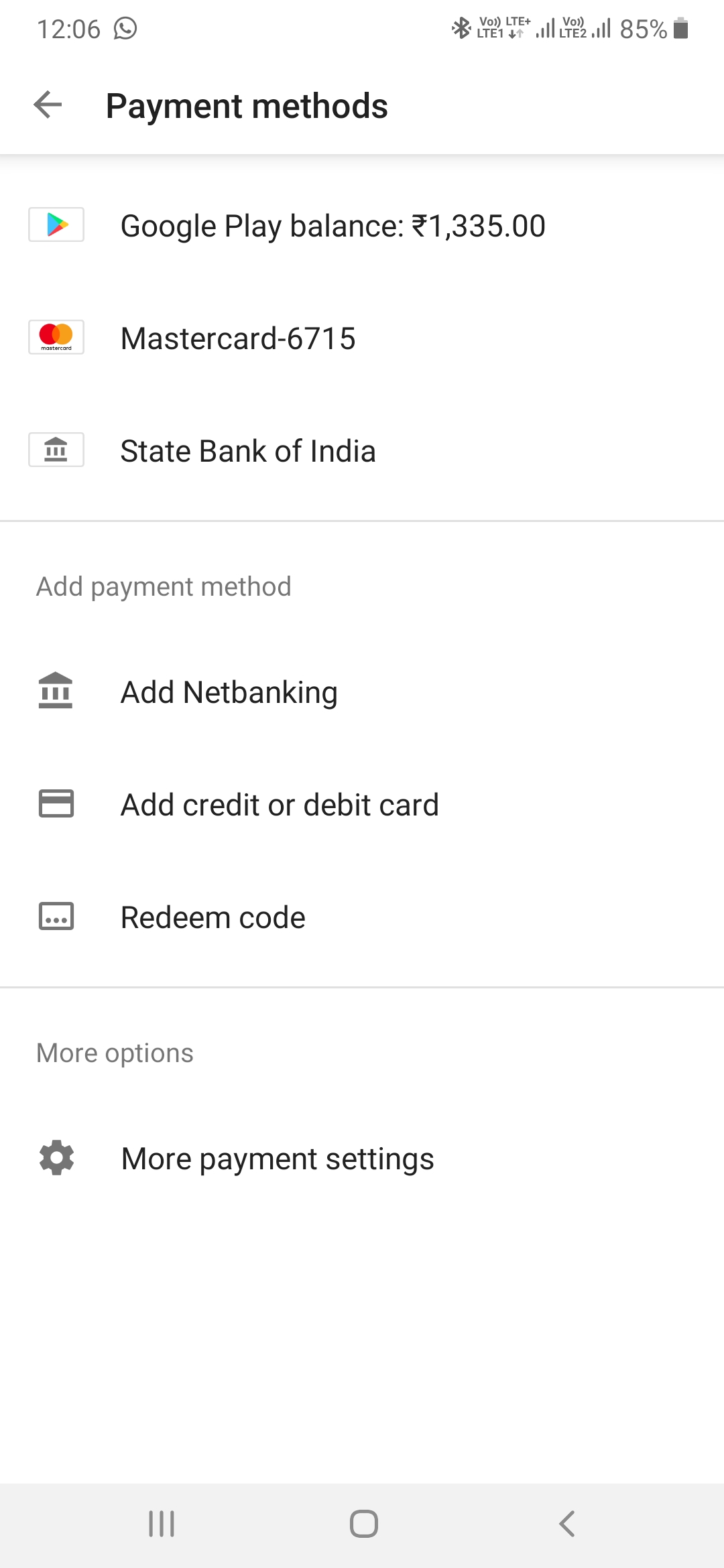
This article delves into the various methods of funding your Google Play account, examining each from a financial perspective. We’ll explore how these methods empower users to manage their digital expenditures strategically, providing insights into budgeting, security, and maximizing value. For anyone looking to gain greater control over their digital wallet and optimize their online spending habits, mastering the art of adding Google Play balance is an essential step.
Understanding Google Play Balance as a Financial Tool
At its core, Google Play balance functions as a prepaid digital fund, offering a distinct financial mechanism for engaging with Google’s extensive digital marketplace. Rather than merely being a technical feature, it acts as a strategic financial instrument for conscious consumers.
The Digital Wallet in Your Pocket
Think of your Google Play balance as a dedicated digital wallet specifically for the Google ecosystem. Unlike directly linking a credit card, which offers unfettered access to your primary funds, the Play balance represents a pre-loaded amount of money. This distinction is vital from a financial management standpoint. It creates a buffer between your main financial accounts and your digital spending, allowing for a clearer separation of funds. This approach resonates with the principles of envelope budgeting, where specific amounts are allocated for distinct spending categories. Your Google Play balance effectively becomes an “entertainment and productivity software” envelope, making it easier to track and control expenditures within that category.
Budgeting and Control for Digital Purchases
One of the most compelling financial advantages of using Google Play balance is its inherent ability to facilitate budgeting. By deciding how much to add to your balance, you’re essentially setting a spending limit for your digital content and subscriptions. This proactive approach can prevent the often-unnoticed accumulation of small purchases that, when aggregated, can significantly impact a monthly budget.
For instance, rather than having every app purchase or in-game microtransaction directly hit a credit card, which can lead to payment fatigue and difficulty in tracking, a Google Play balance ensures that all such expenditures are drawn from a finite, pre-determined pool of funds. This provides a transparent overview of digital spending, making it simpler to adhere to financial goals and avoid impulse purchases that might otherwise strain your finances. For parents, it offers a secure way to provide children with funds for digital content without exposing primary bank accounts, imparting valuable lessons in managing limited resources.
Financial Flexibility and Accessibility
The diverse methods available for adding to your Google Play balance also significantly enhance financial flexibility and accessibility. Not everyone has or prefers to use traditional banking methods like credit or debit cards for online transactions. For individuals who prefer cash transactions, those without access to conventional banking services, or those who are wary of sharing card details online, Google Play offers viable alternatives. This inclusivity allows a broader demographic to participate in the digital economy, ensuring that financial background doesn’t solely dictate access to digital content and services. It democratizes digital spending by providing options that cater to various financial comfort levels and logistical circumstances, empowering more users to engage with and benefit from Google’s vast digital offerings.
Diverse Avenues for Funding Your Google Play Account
The variety of methods for topping up your Google Play balance speaks to Google’s commitment to making digital content accessible to a wide audience. Each method presents unique financial considerations, from how funds are sourced to the level of control and convenience they offer.
Google Play Gift Cards: A Popular Choice for Gifting and Self-Funding
Google Play Gift Cards are perhaps the most widely recognized and financially strategic method for adding balance. Available in various denominations, these cards can be purchased physically from numerous retailers—supermarkets, electronics stores, convenience stores—or digitally from online vendors.
From a financial perspective, gift cards excel in several areas:
- Budgeting Reinforcement: They represent a fixed, prepaid amount, making them an excellent tool for strict budgeting. You buy a $25 card, and that’s your digital spending limit until the next top-up. This helps prevent incremental spending that can quickly add up.
- Security: Using a gift card means your primary financial accounts (bank, credit card) are not directly linked to your Google Play purchases. This significantly reduces the risk of unauthorized access to sensitive financial information in the event of a data breach or account compromise.
- Gifting and Allowances: Gift cards are ideal for gifting digital content without guessing specific preferences. For parents, they serve as a practical way to provide children with a digital allowance, teaching them basic money management within a controlled environment.
- Cash Transactions: For individuals who prefer or primarily use cash, gift cards offer a vital bridge to the digital economy. Cash can be exchanged for a gift card, which then becomes digital currency.
Direct Payment Methods: Seamless Integration with Your Financial Accounts
While gift cards offer a prepaid model, direct payment methods provide instant top-ups, integrating seamlessly with your existing financial infrastructure.
-
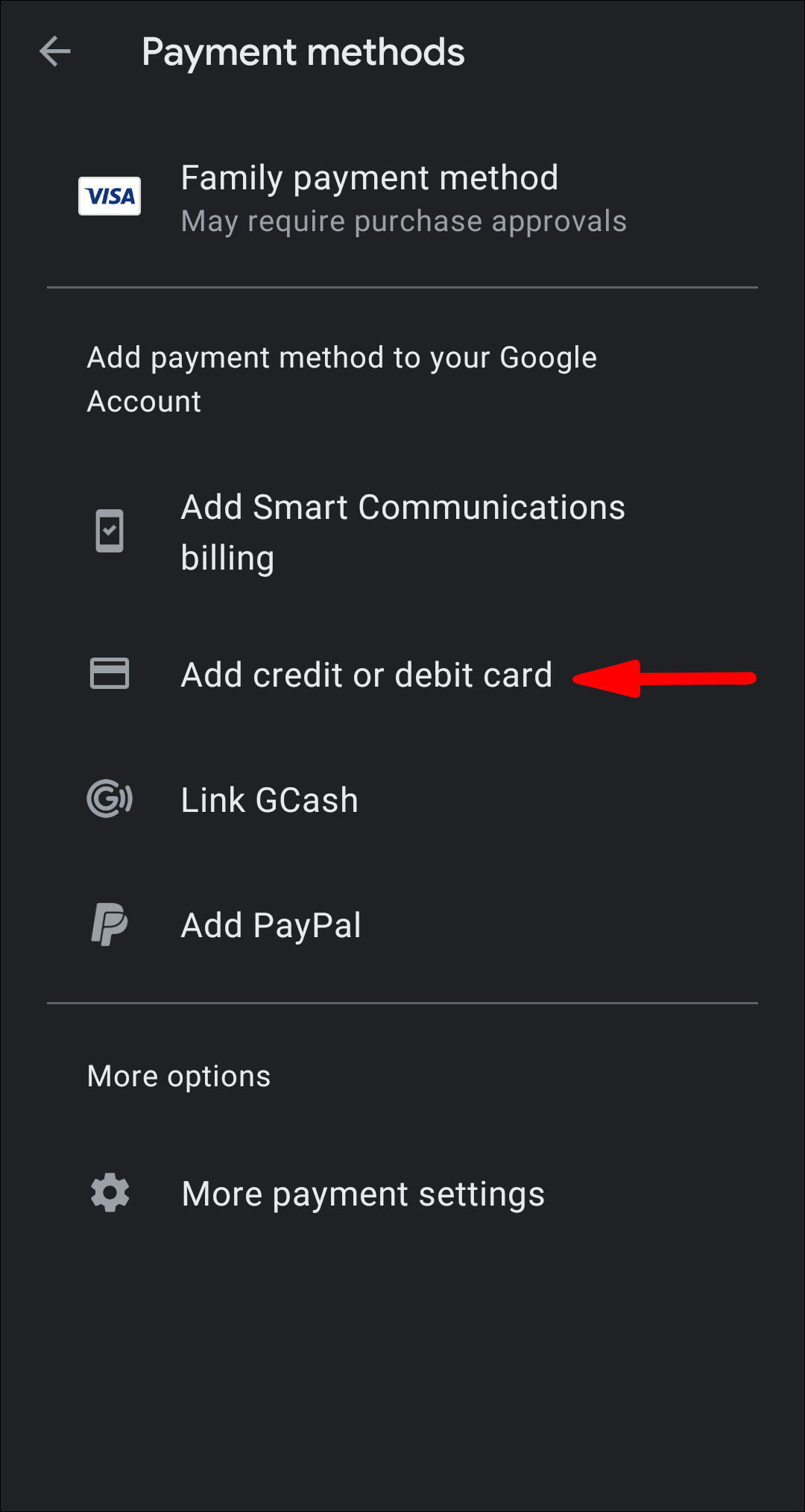
Credit/Debit Cards: Linking a credit or debit card directly to your Google Play account offers unparalleled convenience. Funds can be added instantly, and purchases can be made directly without needing to pre-load a balance. Financially, this means:
- Convenience vs. Control: While convenient, direct card linking requires discipline. Without a prepaid buffer, it’s easier to make impulsive purchases that might exceed a planned budget.
- Credit Card Rewards: Some users strategically use credit cards to earn rewards points or cashback on digital purchases, effectively gaining a small financial benefit. However, this must be balanced against the risk of overspending and interest charges if balances aren’t paid in full.
- Security Concerns: While Google’s payment systems are robust, directly linking a primary card means its details are stored within the ecosystem, which some users might prefer to avoid for enhanced security.
-
PayPal: Using PayPal as an intermediary payment method offers a blend of convenience and an additional layer of financial management. PayPal allows users to link multiple funding sources (bank accounts, cards) and manage them within a single platform. When adding balance via PayPal:
- Centralized Management: Funds can be drawn from your PayPal balance or any linked financial instrument. This allows for centralized management of various online expenditures.
- Enhanced Security: PayPal acts as an additional firewall, as your primary bank or card details are not directly exposed to Google Play. Only your PayPal account information is shared.
- Financial Flexibility: It allows users to leverage funds already residing in their PayPal account from other online activities, making it a flexible option for consolidating digital income or refunds.
Carrier Billing: Simplifying Payments Through Your Mobile Plan
Carrier billing, where available, offers an incredibly straightforward method for adding small amounts to your Google Play balance, charging the cost directly to your mobile phone bill or deducting it from your prepaid mobile credit.
- Convenience: For small, incidental purchases, carrier billing is highly convenient, eliminating the need to input card details.
- Accessibility: It’s particularly useful for users who might not have a credit card or traditional bank account, providing an immediate way to fund digital purchases using their phone account.
- Financial Oversight: While convenient, this method requires careful monitoring. Charges can blend into a larger phone bill, potentially leading to less transparent tracking of digital spending compared to dedicated balance top-ups or gift cards. Users must review their mobile statements meticulously to ensure accurate billing and budget adherence.
- Eligibility: Availability depends on your mobile carrier and region, serving as a financial prerequisite for using this method.
Earning Google Play Credit: Leveraging Google Opinion Rewards
Beyond direct monetary contributions, Google offers a unique avenue for “earning” Google Play credit through Google Opinion Rewards. This method presents a distinct financial advantage by allowing users to offset the cost of digital content with their time and opinions.
- “Free” Digital Currency: By completing short surveys that Google uses for market research, users can accrue small amounts of Play credit. Over time, these amounts can add up, effectively providing “free” funds for apps, games, or movies.
- Reducing Out-of-Pocket Expenses: This method directly reduces the amount of cash or credit card spending required for digital entertainment and productivity tools, representing a genuine financial saving.
- Low Commitment, High Reward: The surveys are typically quick and simple, making it an accessible way for virtually anyone with a smartphone to supplement their Google Play balance without direct financial outlay. It encourages a proactive approach to funding digital leisure without tapping into primary budgets.
Strategic Financial Management of Your Google Play Balance
Effective management of your Google Play balance transcends simply knowing how to add funds; it’s about integrating this digital currency into your broader personal finance strategy. Treating your balance as a legitimate financial asset—albeit one with specific uses—can significantly enhance budgeting and control over digital spending.
Setting Spending Limits and Budgeting
The most potent financial benefit of using a Google Play balance is its inherent support for budgeting. Instead of reactively tracking expenditures, you can proactively define your digital spending limits.
- Allocate a Monthly Budget: Decide on a realistic monthly or quarterly budget for digital content (apps, games, movies, subscriptions). Then, only add that predetermined amount to your Google Play balance.
- Prioritize Purchases: With a finite balance, you’re compelled to prioritize. Do you really need that new game, or would those funds be better saved for a valuable productivity app or an annual subscription? This encourages mindful spending rather than impulsive buys.
- Avoid Overdrafts and Debt: Since it’s a prepaid system, you cannot overspend your balance, eliminating the risk of overdraft fees or accumulating debt from digital purchases.
Monitoring Your Balance and Transaction History
Regularly checking your Google Play balance and reviewing your transaction history is a cornerstone of responsible financial management. This practice is akin to reconciling your bank statement.
- Track Expenditures: Periodically review your purchase history within the Google Play Store to understand where your money is going. This helps in identifying spending patterns and making informed adjustments to your budget.
- Detect Unauthorized Activity: Promptly identify any unrecognized charges, which could indicate unauthorized use of your account. Early detection is crucial for mitigating potential financial losses.
- Understand Value for Money: By reviewing what you’ve purchased, you can assess the value received from your digital investments, guiding future spending decisions.
Security and Fraud Prevention
Protecting your Google Play account is paramount to safeguarding your digital funds. Treat your Google Play balance as you would any bank account.
- Strong, Unique Passwords: Use a complex, unique password for your Google account, which protects not just your Play balance but your entire Google ecosystem.
- Two-Factor Authentication (2FA): Enable 2FA for your Google account. This adds an essential layer of security, requiring a second verification step (e.g., a code from your phone) even if your password is compromised.
- Beware of Scams: Be vigilant against phishing attempts or schemes that ask for Google Play gift card codes, especially for purported “taxes,” “fees,” or “bail.” Legitimate institutions will never demand payment in this form.
- Secure Devices: Ensure your devices are protected with passwords/biometrics and up-to-date security software to prevent unauthorized access to your Google Play account.
Utilizing Promotions and Offers
Savvy financial management also involves looking for opportunities to maximize the value of your money. Google Play, and its various retail partners, frequently offer promotions that can make your balance go further.
- Discounted Gift Cards: Keep an eye out for sales on Google Play gift cards at various retailers. Purchasing a $50 gift card for $40, for example, instantly gives you a 20% saving on your digital purchases.
- Promotional Credits: Google occasionally offers promotional credits for specific actions or purchases. Being aware of these can allow you to add value to your balance without direct cost.
- Strategic Top-ups: If you know you’ll need a significant amount of balance for an upcoming game release or a yearly subscription, plan to top up during these promotional periods to get more for your money.
Maximizing Value: Smart Spending and Financial Implications
Beyond the mechanics of adding funds, truly mastering your Google Play balance involves strategic spending and a deep understanding of its financial implications. It’s about making your digital dollars work smarter for you.
Strategic Purchase Planning
Treat your Google Play balance like a mini-investment portfolio for your digital life.
- Planned Purchases: Use your balance for pre-meditated purchases, such as a highly-rated productivity app that genuinely enhances your work, a long-awaited game, or an educational resource. This ensures that your digital spending aligns with your personal or professional development goals rather than succumbing to fleeting urges.
- Avoiding Impulsive Buys: The act of adding funds to your balance, especially through gift cards, can introduce a beneficial delay between desire and purchase. This pause allows for reflection, often deterring impulsive buys that you might later regret or find unnecessary.
Subscriptions and Recurring Charges
Google Play balance is an excellent tool for managing subscriptions, a growing segment of personal digital expenditure.
- Predictable Expenditure: By funding subscriptions with your Play balance, you know exactly when and how much will be deducted, offering a predictable expenditure that is easy to factor into your overall budget.
- Controlling Recurring Costs: If your balance runs out, recurring subscriptions linked to it will simply pause or terminate (unless an alternative payment method is set up), preventing unexpected charges from piling up. This gives you explicit control over what services continue and which do not, acting as a natural financial gatekeeper.
- Trial Management: Use a small amount of balance for app trials or short-term subscriptions. If you decide not to continue, the limited balance ensures no surprise recurring charges on your main credit card.
The Benefits of a Prepaid System
Reiterating its core strength, the prepaid nature of Google Play balance offers significant financial advantages over direct payment methods.
- Eliminates Overdraft Risk: You can only spend what you have, making overdrafts impossible, a crucial benefit for those on tight budgets or managing accounts with limited funds.
- Limits Exposure of Primary Accounts: Your main bank account or credit card details are shielded from direct transaction exposure, reducing the risk of fraud in the digital ecosystem.
- Dedicated Funds for Digital Content: It creates a clear, distinct fund specifically for digital entertainment and tools, preventing these discretionary expenses from bleeding into essential living costs. This separation simplifies budgeting and gives a clearer picture of where your money is going.
- Financial Empowerment for All: By offering cash-to-digital currency conversion via gift cards and the option to earn credits, Google Play balance empowers individuals who may be unbanked or underbanked to participate fully in the digital marketplace, promoting financial inclusion.
Conclusion
The act of adding Google Play balance is far more than a simple technical transaction; it’s an integral component of modern personal finance management in the digital age. From the intentional budgeting enabled by gift cards to the strategic offsetting of costs through Google Opinion Rewards, each method offers distinct financial advantages. Understanding these avenues empowers users to exert greater control over their digital spending, foster responsible financial habits, and ensure security in an increasingly interconnected world.
By treating your Google Play balance as a dedicated financial tool, monitoring its use, and leveraging available promotions, you can transform what might seem like a trivial digital wallet into a powerful instrument for smart spending and robust financial planning. As the digital economy continues to evolve, mastering platforms like Google Play will remain essential for anyone looking to navigate the complexities of online finances with confidence and control.
aViewFromTheCave is a participant in the Amazon Services LLC Associates Program, an affiliate advertising program designed to provide a means for sites to earn advertising fees by advertising and linking to Amazon.com. Amazon, the Amazon logo, AmazonSupply, and the AmazonSupply logo are trademarks of Amazon.com, Inc. or its affiliates. As an Amazon Associate we earn affiliate commissions from qualifying purchases.