
In the rapidly evolving landscape of personal finance, the transition from physical currency to digital ecosystems has moved from a convenience to a necessity. At the forefront of this revolution is Cash App, a financial services platform that has redefined how individuals interact with their money. Developed by Block, Inc., Cash App serves as a bridge between traditional banking and the future of decentralized finance. However, to leverage the full suite of its financial tools—ranging from peer-to-peer payments to stock and Bitcoin investing—one must first master the foundational step: adding liquidity to the platform.
Understanding how to add cash to your Cash App balance is more than a simple technical maneuver; it is a critical skill for managing your personal economy in a “mobile-first” world. This guide explores the various methods of funding your account, the strategic advantages of each, and how to maintain financial security while navigating digital transactions.
The Role of Digital Wallets in Modern Personal Finance
The traditional banking model, characterized by physical branches and delayed settlement times, is increasingly being supplemented—or in some cases, replaced—by digital wallets. Cash App has emerged as a leader in this space by offering a low-friction environment for money management.
Bridging the Gap Between Traditional Banking and P2P Transfers
For many users, Cash App acts as a secondary “spending” or “utility” account. By adding cash to the app, you create a dedicated pool of capital that is separate from your primary savings or checking account. This separation is a cornerstone of disciplined budgeting. When you transfer a specific amount of “allowance” or “disposable income” into the Cash App ecosystem, you can use the platform’s real-time tracking to monitor your discretionary spending without cluttering your main bank statements.
Why Cash App Has Become a Financial Staple
The platform’s utility extends far beyond sending money to friends for dinner. With the introduction of the Cash Card (a Visa debit card linked to your balance), direct deposits, and the ability to buy fractional shares of stocks, Cash App has transformed into a comprehensive financial hub. The ability to quickly inject cash into this ecosystem allows users to take advantage of market dips in the stock or crypto sections of the app, ensuring that their capital is always positioned where it can be most productive.
Step-by-Step Guide to Funding Your Cash App Balance
There are three primary avenues for adding funds to your Cash App account: linking a traditional financial institution, depositing physical currency at a retail location, or receiving funds from other users. Each method serves a different financial need.
Method 1: Linking a Debit Card or Bank Account
The most common way to add cash is via a linked debit card. This method provides near-instant liquidity and is the preferred choice for those who use Cash App for regular transactions.
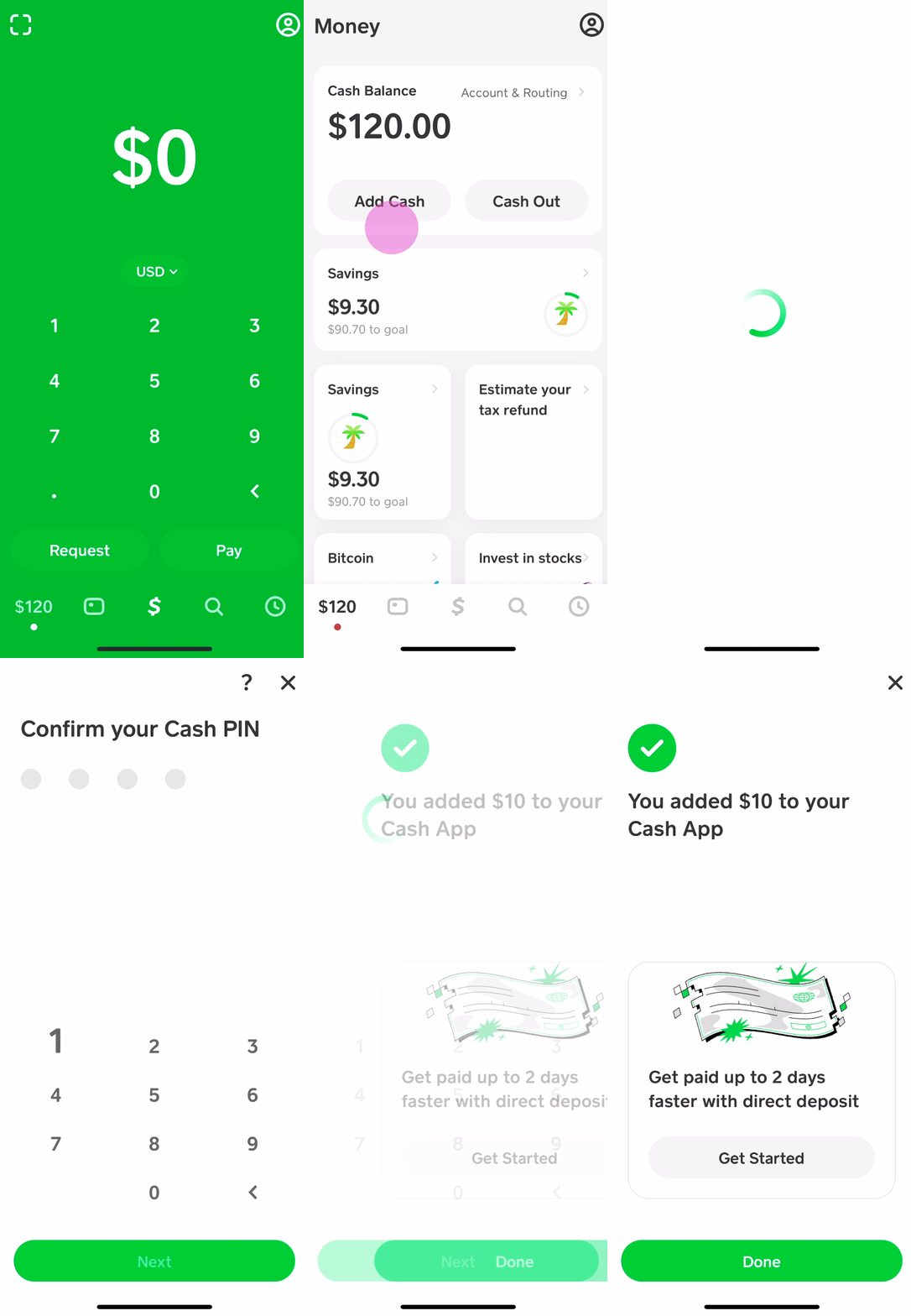
- Launch the App: Open Cash App on your mobile device and tap the Money tab (the icon shaped like a bank or a dollar amount) on the bottom left of the home screen.
- Access the Add Cash Feature: Tap the button labeled Add Cash.
- Select an Amount: You will be prompted to choose an amount. You can select one of the default options ($10, $25, $50, etc.) or type in a custom amount using the keypad.
- Confirm the Transaction: Tap Add. You will be required to confirm the transfer using your PIN or biometric authentication (Touch ID or Face ID).
This method is highly efficient for those who maintain a balance in a traditional bank and want to move money into the Cash App ecosystem for specific purchases or investments.
Method 2: Adding Paper Money at Retail Locations
A unique feature of Cash App is its ability to serve the “underbanked” or those who deal frequently in physical currency. You can actually deposit “paper money” into your digital balance at thousands of participating retailers, including 7-Eleven, Walgreens, Walmart, and Family Dollar.
- Locate a Retailer: In the Money tab, select Paper Money. This will open a map showing nearby participating locations.
- Generate a Barcode: Once you are at the store, tap Show Barcode. This code is what the cashier will scan to initiate the deposit.
- Complete the Deposit: Tell the cashier you want to load funds onto your Cash App. They will scan the barcode, and you will hand them the cash (plus a small service fee, typically $1).
- Instant Balance Update: Once the transaction is processed, the funds usually appear in your balance within minutes.

This method is a powerful financial tool for converting physical assets into digital liquidity, allowing users to pay digital bills or invest in the stock market using cash earned from side hustles or tips.
Method 3: Receiving Funds via P2P Transfers
While not technically “adding” cash from your own external sources, receiving payments from others is a primary way the balance grows. Whether it’s a reimbursement from a friend or payment for a freelance gig, these funds land in your Cash App balance immediately. From a personal finance perspective, keeping these funds within the app rather than “cashing out” to a bank allows you to maintain a rolling fund for digital expenses.
Optimizing Your Financial Workflow with Cash App Features
Once you understand how to fund your account, the focus shifts to how to use that liquidity strategically. Cash App offers several automated features that can help improve your overall financial health.
Automating Your Savings with “Add Cash” Features
Discipline is often the hardest part of personal finance. Cash App facilitates this through features like Auto-Add or Direct Deposit. By setting up a portion of your paycheck to go directly into Cash App, you can automate your “fun money” or your investment contributions. Furthermore, the “Round Ups” feature allows you to take the spare change from every Cash Card purchase and automatically invest it into a stock or Bitcoin. By consistently adding small amounts of cash through these automated triggers, you build wealth without having to think about it daily.
Managing Daily Spending via the Cash Card
The Cash Card is a vital component of the Cash App ecosystem. Once you have added cash to your balance, the Cash Card allows you to spend that money anywhere Visa is accepted. The strategic advantage here is the “Boost” system. Boosts are instant discounts at specific merchants (like coffee shops, grocery stores, or gas stations). By strategically adding cash to your account and using the Cash Card with an active Boost, you are effectively increasing your purchasing power and lowering your cost of living.
Security and Best Practices for Digital Asset Management
With the convenience of digital finance comes the responsibility of security. Managing your money on Cash App requires a proactive approach to protecting your digital assets.
Safeguarding Your Transfers with Security Locks
The first line of defense is the Security Lock. In the app settings, you should always enable the requirement of a PIN or biometric scan for every transfer. This ensures that even if your phone is unlocked, an unauthorized user cannot move money out of your account or add cash from your linked bank without your permission.
Understanding Limits and Verification for Higher Liquidity
Cash App imposes certain limits on how much cash you can add or send per week. To increase these limits—which is necessary for more significant financial management—you must undergo a verification process. This involves providing your full legal name, date of birth, and the last four digits of your Social Security Number. From a financial perspective, being “Verified” is essential if you plan to use Cash App as a primary tool for receiving large payments or making substantial investments. It also adds a layer of regulatory protection to your account, aligning it more closely with the standards of traditional financial institutions.
The Future of Personal Finance: Beyond Simple Transfers
The ability to add cash to an app is merely the entry point into a much larger financial shift. As we move toward an era of integrated finance, the boundaries between “spending money,” “savings,” and “investments” are blurring.
Integrating Stocks and Bitcoin into Your Portfolio
Cash App’s most disruptive feature is its democratization of investing. Once you add cash to your balance, you can instantly purchase as little as $1 of a company’s stock or $1 of Bitcoin. This removes the barrier to entry that traditional brokerages often maintain. For the modern investor, this means that any “extra” cash added to the app can be immediately put to work in the market, allowing for dollar-cost averaging into volatile assets with ease.
Final Thoughts on Financial Agility
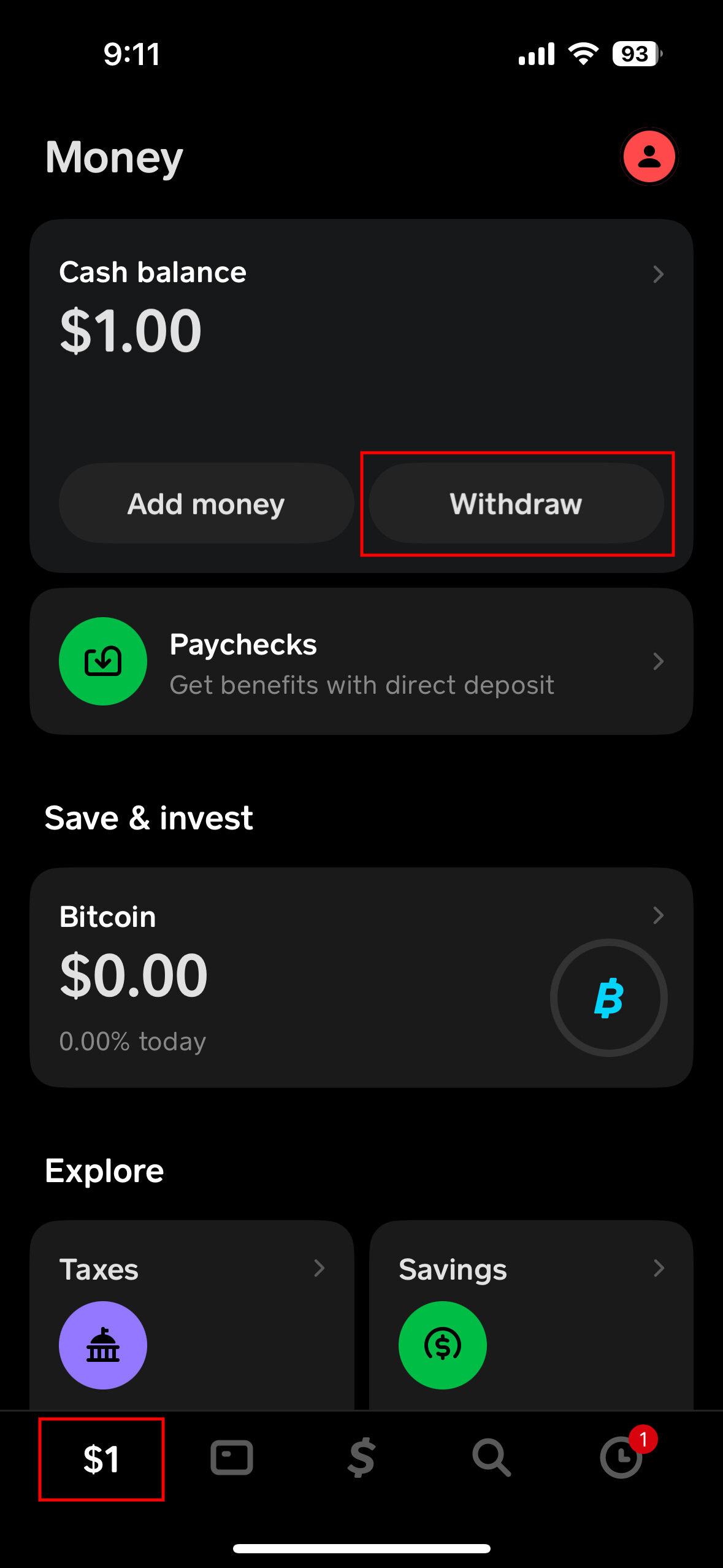
In conclusion, mastering how to add cash on Cash App is a fundamental step in achieving financial agility. Whether you are linking a bank account for seamless transfers, depositing physical cash to enter the digital economy, or receiving P2P payments for services rendered, you are participating in a new era of money management. By treating your Cash App balance as a strategic tool—utilizing Boosts, automating investments, and maintaining rigorous security—you can transform a simple payment app into a powerful engine for personal wealth and financial freedom. In the digital age, liquidity is king, and Cash App provides the crown.
aViewFromTheCave is a participant in the Amazon Services LLC Associates Program, an affiliate advertising program designed to provide a means for sites to earn advertising fees by advertising and linking to Amazon.com. Amazon, the Amazon logo, AmazonSupply, and the AmazonSupply logo are trademarks of Amazon.com, Inc. or its affiliates. As an Amazon Associate we earn affiliate commissions from qualifying purchases.