
In the dynamic landscape of digital finance, Venmo has emerged as a ubiquitous peer-to-peer (P2P) payment application, fundamentally changing how individuals and increasingly, businesses, send and receive money. Far from being just a casual tool for splitting dinner bills, Venmo has evolved into a sophisticated platform offering diverse methods for accepting payments, catering to both individual users and burgeoning small businesses. This guide delves into the technical intricacies and user-centric functionalities of Venmo, providing a comprehensive tutorial on mastering its payment reception mechanisms, entirely within the domain of technology.
At its core, Venmo is a mobile payment service owned by PayPal, designed for fast, social transactions. Its success stems from a user-friendly interface combined with robust backend technology that facilitates instant money transfers. Understanding “how to accept Venmo payment” transcends simply knowing how to tap a button; it involves configuring your digital wallet, navigating privacy settings, leveraging various reception methods, and ensuring digital security. For anyone operating in the digital economy, from freelancers to small online retailers, or even just individuals managing shared expenses, a thorough grasp of Venmo’s technical capabilities is invaluable.

Understanding Venmo’s Core Functionality for Receiving Funds
Before diving into specific payment reception methods, it’s crucial to grasp the foundational technological architecture and user setup required to operate within the Venmo ecosystem. This initial phase lays the groundwork for secure and efficient transactions.
The Digital Wallet Ecosystem: More Than Just Payments
Venmo functions as a specialized digital wallet application, residing on your smartphone or other mobile devices. It leverages secure network protocols and encryption to facilitate the transfer of funds between users. Unlike traditional banking apps that might require more extensive setup for simple transfers, Venmo is optimized for speed and social interaction. Funds received on Venmo typically reside in your Venmo balance, which can then be used for subsequent payments, direct purchases at supported merchants, or transferred to an external linked bank account.
The app’s interface is designed for intuitive navigation, making the act of receiving money feel as straightforward as sending a text message. However, behind this simplicity lies a complex system of APIs, database management, and cybersecurity measures that ensure the integrity and speed of each transaction. Users interact with a graphical interface that abstracts away these complexities, allowing them to focus purely on the financial exchange. This technological abstraction is key to Venmo’s widespread adoption, making digital payments accessible to a broader demographic.
Setting Up Your Venmo Account for Seamless Transactions
The first technical step to accepting payments is establishing and configuring your Venmo account. This process involves several critical stages, each designed to verify your identity and link your digital wallet to your traditional financial infrastructure.
- Downloading and Installing the App: The journey begins with downloading the official Venmo app from your device’s respective app store (Apple App Store for iOS or Google Play Store for Android). Ensuring you download the legitimate app is the first line of defense against phishing and malicious software.
- Creating an Account: Upon launching the app, you’ll be prompted to sign up. This typically involves providing your full legal name, email address, phone number, and creating a secure password. Venmo employs standard authentication protocols to secure your login credentials.
- Linking a Funding Source: To send money or transfer your Venmo balance out, you must link a funding source. While you can receive money without a linked bank account, linking one (or a debit card) is essential for accessing your funds outside the Venmo app. This involves providing your bank’s routing and account numbers, or your debit card details. Venmo uses secure tokenization and encryption to protect this sensitive financial information, often employing micro-deposit verification methods to confirm ownership of the bank account.
- Identity Verification (KYC – Know Your Customer): For higher transaction limits or access to certain features (like Venmo Debit Card or direct deposit), Venmo requires identity verification. This often entails providing your date of birth, mailing address, and the last four digits of your Social Security Number (SSN), or even a full SSN and government-issued ID. This is a crucial security and regulatory compliance step, preventing fraud and ensuring the platform adheres to financial regulations. From a technical standpoint, this involves secure submission portals and sometimes third-party identity verification services that cross-reference user data with official databases.
Once these setup steps are complete, your Venmo account is technically ready to send and, more importantly, accept payments, leveraging a secure and verified digital identity.
Mastering Direct Payment Reception (P2P & Requests)
The most common methods of accepting payments on Venmo revolve around its peer-to-peer (P2P) functionality. These methods are designed for casual exchanges between individuals, though they are also frequently utilized by freelancers or small service providers for direct client payments.
Receiving Money from Friends and Family
The simplest form of payment reception on Venmo is when another user directly sends you money. This process is initiated by the sender, who locates you within the app using your username, phone number, or email.
- Notification System: When someone sends you money, Venmo’s robust notification system immediately alerts you. This typically appears as a push notification on your device, an in-app alert, and sometimes an email, depending on your notification settings.
- Automatic Deposit: Unlike some older payment systems that required manual acceptance, funds sent via Venmo are automatically deposited into your Venmo balance. There’s no further action required from you to “accept” the payment once it’s sent. The system processes the transaction in near real-time, reflecting the updated balance almost instantaneously.
- Transaction History: Every transaction, whether sent or received, is meticulously recorded in your Venmo app’s transaction history. This digital ledger provides a comprehensive record of your financial interactions, including sender/recipient, amount, date, and any accompanying notes or emojis. This feature is technically supported by a secure database infrastructure that ensures data integrity and retrievability.
Proactively Requesting Payments
Beyond passive reception, Venmo empowers users to proactively request money from others. This is particularly useful for shared expenses, payments for services, or outstanding debts.
- Initiating a Request: Within the Venmo app, you can navigate to the “Pay & Request” button (often a pencil icon) and select “Request.” You then input the username, phone number, or email of the person you’re requesting money from, enter the amount, and optionally add a note.
- Sending the Request: Once the details are confirmed, you send the request. This action sends an explicit notification to the intended recipient, prompting them to fulfill the payment.
- Recipient Action: The recipient receives a notification and can then choose to “Pay” the request directly from their Venmo balance or linked funding source. Until the recipient acts, the request remains pending. This asynchronous communication flow is managed by Venmo’s server-side logic, tracking the state of each request.
Utilizing QR Codes for Quick P2P Exchanges
Venmo has integrated QR code technology to streamline in-person payments, eliminating the need to manually type usernames. This is a prime example of how mobile technology enhances convenience.
- Generating Your Personal QR Code: Within the Venmo app, you can access your unique personal QR code (often found under your profile or a dedicated QR icon). This code is a graphical representation of your Venmo profile ID.
- Presenting for Payment: When someone needs to pay you in person, you simply display your QR code on your phone screen. The payer then uses the Venmo app’s built-in QR scanner to scan your code.
- Automated Recipient Identification: Upon scanning, the payer’s app automatically identifies you as the recipient, pre-populating the “To” field. The payer then only needs to enter the amount and a note before confirming the payment. This method reduces errors and speeds up the transaction process significantly by leveraging optical recognition technology.
Leveraging Venmo for Commercial Transactions: Business Profiles and Integration
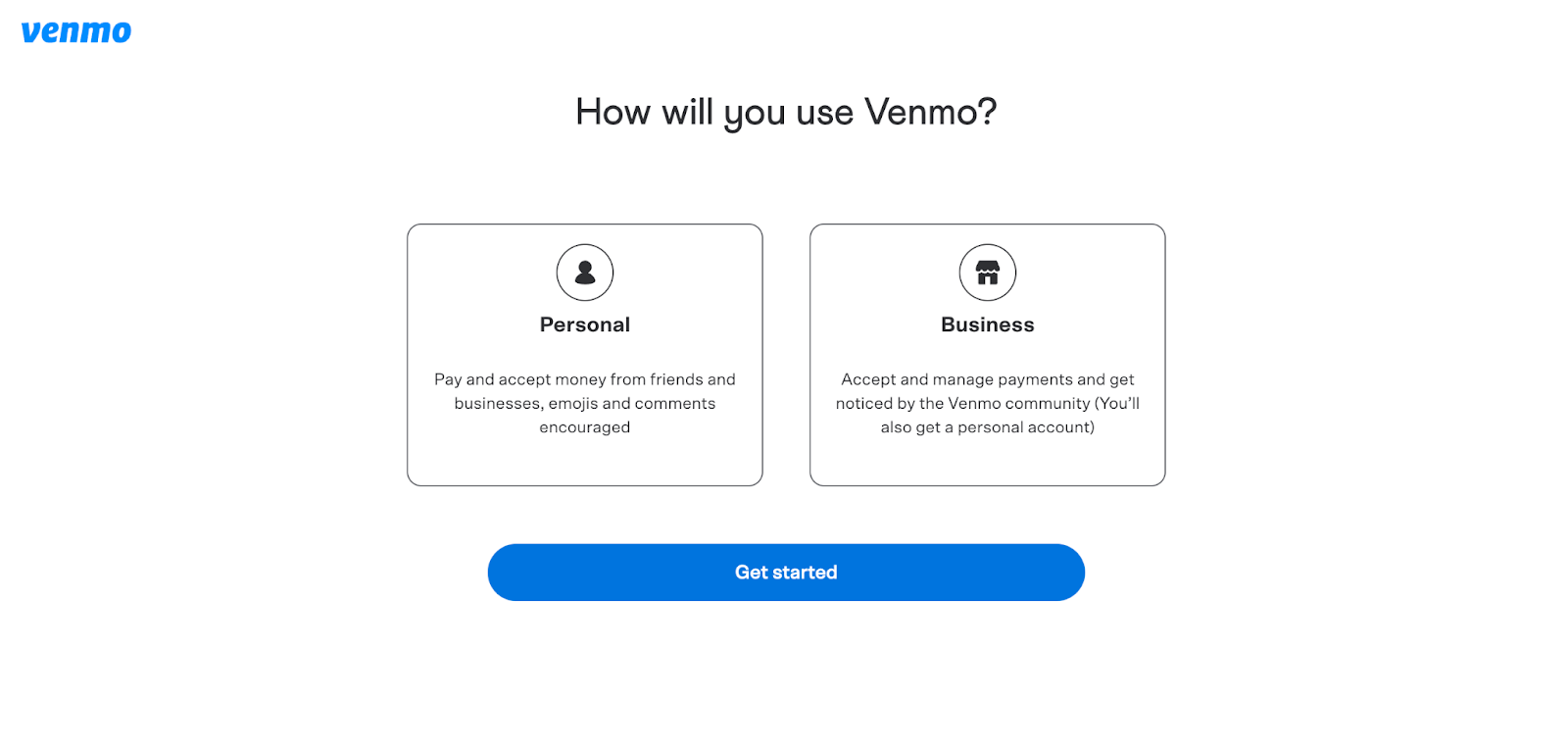
While primarily known for P2P, Venmo has increasingly expanded its capabilities to support small businesses and merchants. This involves dedicated business profiles and integration options, adding a layer of professional functionality to the platform.
Activating a Venmo Business Profile
For individuals or sole proprietors who regularly accept payments for goods or services, a Venmo Business Profile offers enhanced features and compliance mechanisms.
- Converting to a Business Profile: Users can convert their existing personal profile or create a new one as a business profile directly within the Venmo app settings. This requires providing additional information about the business, such as its name, category, and sometimes a Tax ID (EIN).
- Distinct Transaction Handling: Payments received through a business profile are treated differently from P2P transactions. They are subject to a standard seller transaction fee (typically a small percentage plus a fixed amount per transaction). This fee structure supports Venmo’s operational costs for providing business-grade services, including fraud protection and customer support tailored for merchants.
- Enhanced Payment Clarity: Business profile transactions often appear with more professional branding, making it clear to customers that they are paying a legitimate business rather than an individual. This also helps with financial record-keeping and tax compliance, as business transactions are clearly segregated from personal ones.
Streamlining Sales with QR Codes for Businesses
QR codes are not just for P2P anymore; they are a powerful tool for businesses to accept payments swiftly and securely in physical environments.
- Dedicated Business QR Codes: Venmo Business Profiles provide a unique, printable QR code that businesses can display at their point of sale, on product packaging, or at event booths.
- Customer Scan and Pay: Customers scan this QR code using their Venmo app, which immediately brings up a payment screen pre-filled with the business’s name. They then input the amount and confirm the payment.
- Instant Notification and Digital Receipts: The business receives instant notification of the payment, and both parties have a digital record of the transaction. This eliminates the need for card readers or cash handling, providing a touch-free and efficient payment solution, especially beneficial for pop-up shops, food trucks, or street vendors. The technology behind this relies on rapid data encoding and decoding, coupled with secure server-side transaction processing.
Integrating Venmo into Your E-commerce Platform
For online businesses, Venmo offers “Pay with Venmo” buttons and API integrations, extending its reach beyond mobile-only transactions.
- “Pay with Venmo” Button: Many e-commerce platforms and payment gateways (like PayPal’s Braintree) offer the option to integrate a “Pay with Venmo” button. When customers check out, they can select this option, which securely links to their Venmo account to authorize the payment. This streamlines the checkout process, especially for mobile shoppers.
- API Integration: Larger businesses or those with custom e-commerce solutions can utilize Venmo’s APIs (Application Programming Interfaces) to directly integrate Venmo as a payment option. This requires development work to connect the e-commerce platform’s checkout system with Venmo’s payment processing engine. The API provides endpoints for initiating payments, checking transaction status, and handling refunds, all while adhering to strict security protocols like OAuth for authorization.
- Benefits for Merchants: This integration broadens the payment options available to customers, potentially increasing conversion rates, particularly among younger demographics who prefer Venmo. It leverages Venmo’s existing user base and their stored payment information for a frictionless purchasing experience.
Optimizing Your Venmo Experience: Security, Management, and Best Practices
Accepting Venmo payments efficiently also involves understanding how to manage your account, ensure security, and adopt best practices to prevent common issues. These are critical aspects within the tech domain of digital payments.
Navigating Privacy and Security Settings
Venmo’s social feed is a core feature, but privacy settings are paramount, especially when accepting payments. Technical configurations allow users to control their visibility.
- Transaction Privacy: By default, Venmo transactions are public, meaning friends and sometimes even the global Venmo community can see who paid whom and for what. Users can adjust their privacy settings for individual transactions to “Friends” or “Private.” For business profiles, transactions are typically private by default. Understanding and utilizing these settings is crucial for managing your digital footprint and financial privacy.
- PIN and Biometric Security: To prevent unauthorized access to your funds, Venmo offers PIN protection and biometric authentication (Face ID or Touch ID). Activating these features adds a vital layer of security, requiring a unique identifier before anyone can access the app or authorize payments from your device. This leverages your device’s built-in security hardware and software.
- Two-Factor Authentication (2FA): Enabling 2FA, where a code is sent to your phone number during login attempts from unrecognized devices, significantly enhances account security. This multi-factor authentication protocol makes it much harder for unauthorized individuals to gain access, even if they have your password.
- Recognizing Phishing and Scams: Users must be vigilant against social engineering tactics. Venmo will never ask for your password or personal information outside the app. Recognizing fraudulent emails, texts, or links is a critical “digital literacy” skill, preventing exposure to sophisticated tech-based scams.
Efficiently Managing Your Venmo Balance and Transfers
Once you accept payments, managing the funds within your Venmo balance is the next technical step.
- Checking Your Balance: Your current Venmo balance is always prominently displayed within the app, providing real-time financial updates.
- Transferring to Bank: Funds can be transferred from your Venmo balance to a linked bank account.
- Standard Transfer: This typically takes 1-3 business days and is usually free. The transfer process involves securely instructing Venmo’s backend to initiate an ACH (Automated Clearing House) transfer to your linked bank.
- Instant Transfer: For a small fee (a percentage of the transfer amount), funds can be transferred almost immediately (within 30 minutes) to a linked debit card or eligible bank account. This service leverages faster payment networks provided by card issuers and banks, incurring the fee due to the accelerated processing.
- Using Venmo Balance for Purchases: Funds in your balance can also be used directly for purchases at online merchants that accept Venmo, or via the Venmo Debit Card. This turns your Venmo balance into a versatile spending tool within supported digital and physical ecosystems.

Adopting Best Practices for Smooth and Secure Transactions
To ensure a consistently positive experience when accepting Venmo payments, adherence to certain technical and behavioral best practices is advised.
- Verify Recipient Details: When requesting or being paid, always double-check usernames, phone numbers, or email addresses to ensure funds are going to or coming from the correct person. A simple typo can lead to funds being sent to an unintended recipient, which can be difficult to reverse.
- Clear Communication in Notes: For business transactions or significant personal payments, include detailed notes to clearly describe the purpose of the payment. This serves as a useful digital record for both parties and can be crucial for dispute resolution or accounting purposes.
- Keep the App Updated: Regularly updating your Venmo app ensures you have the latest features, security patches, and bug fixes. App developers continually release updates to improve performance, enhance security, and introduce new functionalities, making timely updates essential for optimal operation.
- Monitor Transaction History: Periodically review your Venmo transaction history for any unauthorized or erroneous activities. Promptly report any suspicious transactions to Venmo support.
- Understand Limits: Be aware of Venmo’s weekly sending and receiving limits. These limits are in place for security and regulatory compliance and can affect large transactions. Identity verification (KYC) typically increases these limits.
In conclusion, accepting Venmo payments is a seamless process for both individuals and businesses, thanks to its intuitive design and robust underlying technology. By understanding the setup procedures, leveraging its diverse payment reception methods, and diligently applying security and management best practices, users can fully harness the power of Venmo as a primary digital payment solution in today’s technologically driven financial landscape.
aViewFromTheCave is a participant in the Amazon Services LLC Associates Program, an affiliate advertising program designed to provide a means for sites to earn advertising fees by advertising and linking to Amazon.com. Amazon, the Amazon logo, AmazonSupply, and the AmazonSupply logo are trademarks of Amazon.com, Inc. or its affiliates. As an Amazon Associate we earn affiliate commissions from qualifying purchases.