
In the rapidly evolving landscape of personal finance, peer-to-peer (P2P) payment applications like Venmo have become indispensable tools for managing daily financial interactions. Understanding how to effectively accept money through Venmo is more than just a technical skill; it’s a fundamental aspect of modern personal financial literacy. From splitting dinner bills with friends to receiving payments for a nascent side hustle, Venmo streamlines the flow of funds, making it a critical component of many individuals’ financial ecosystems. This guide delves into the mechanisms of receiving money via Venmo, emphasizing its financial implications and best practices for secure and efficient money management.

The Financial Framework of Venmo
Venmo operates as a digital wallet, bridging the gap between traditional banking and the immediate needs of everyday financial transactions. Its primary appeal lies in its simplicity and speed, offering a convenient way to send and receive funds without the typical delays associated with bank transfers. For individuals managing personal finances, Venmo represents a significant shift, transforming how cash flows between individuals and small businesses.
Understanding Venmo’s Role as a Digital Wallet
At its core, Venmo holds a balance that can be funded from various sources, primarily linked bank accounts or debit cards. When someone sends you money on Venmo, it resides in this digital balance. This balance can then be used to make purchases, send money to others, or be transferred out to your linked bank account. From a financial perspective, your Venmo balance is akin to a checking account, albeit one primarily designed for P2P transactions and online/in-store payments with Venmo-enabled merchants. Recognizing this allows users to integrate their Venmo activity into their broader financial planning, treating it as a segment of their liquid assets. The convenience of instant access to funds within the app for subsequent transactions makes it a powerful financial tool for those who frequently engage in digital exchanges.
Why Venmo Matters for Modern Money Management
For many, Venmo isn’t just an app; it’s a central hub for micro-transactions that would otherwise require cash, checks, or more cumbersome bank transfers. This ease of use translates into significant benefits for personal finance. It simplifies budgeting for shared expenses, provides a traceable record of small financial exchanges, and supports the burgeoning gig economy by facilitating quick payments for freelance work or side hustles. Moreover, its social feed aspect, while often overlooked in financial discussions, fosters transparency among friends regarding shared financial obligations, potentially reducing friction and misunderstandings related to group expenses. For individuals striving for greater financial organization, Venmo’s digital ledger can be a valuable asset for tracking income and outgo, especially for irregular or smaller sums.
Receiving Funds: A Step-by-Step Financial Process
Accepting money on Venmo is generally straightforward, but understanding the nuances ensures funds are handled efficiently and securely within your financial portfolio. The process typically involves a few key steps, each with financial implications that smart users should consider.
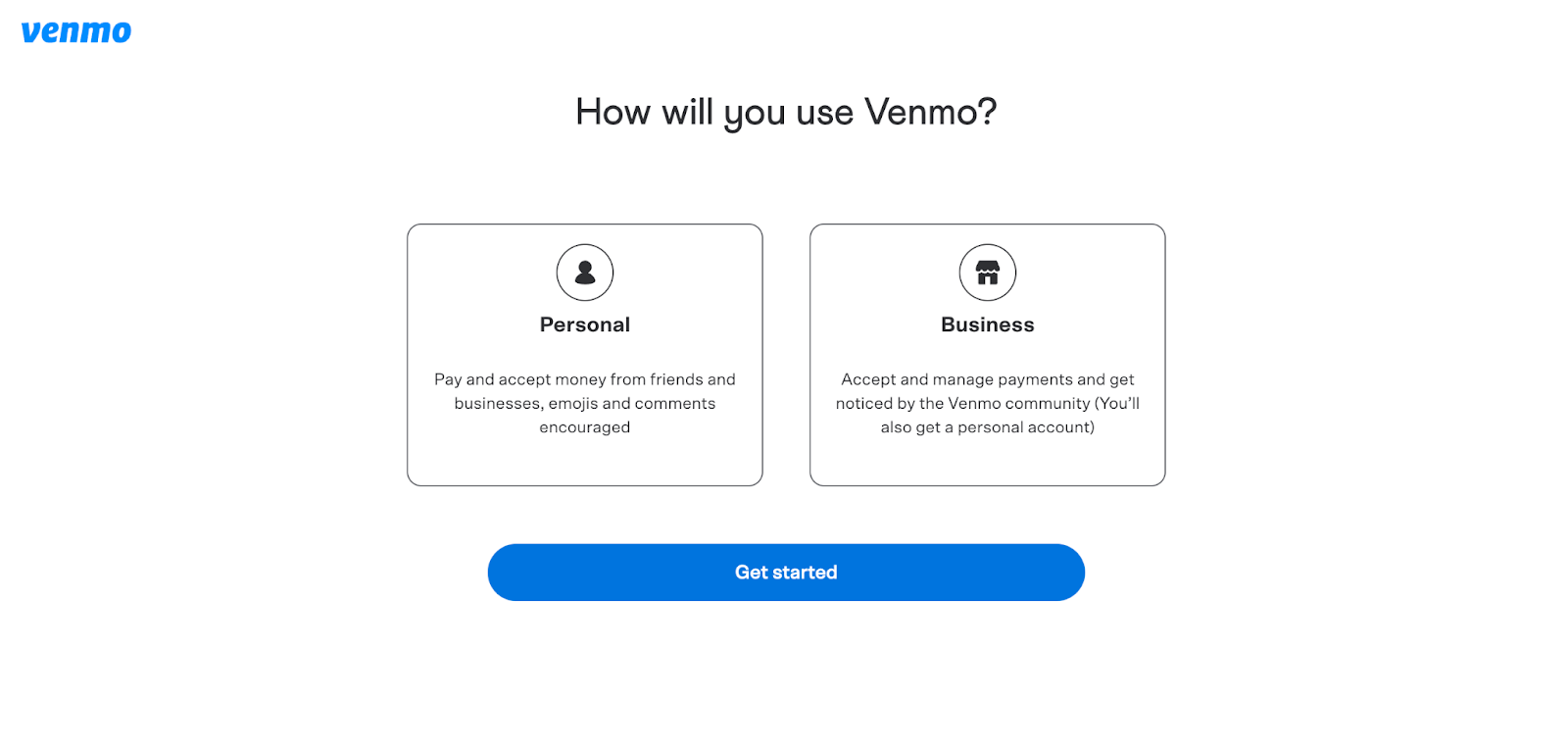
Linking Your Bank Account or Debit Card
Before you can accept money and, more importantly, transfer it out of your Venmo balance to a more permanent financial repository, you must link an external financial account. This is usually a checking account via direct routing and account numbers, or a debit card. From a financial security standpoint, ensuring this linked account is accurate and secure is paramount. This linkage establishes the primary conduit for moving funds into and out of your Venmo digital wallet. Without it, received funds remain confined within Venmo, limiting your ability to utilize them for broader financial needs like bill payments or investments outside the Venmo ecosystem. Verifying the correct account details is a critical step in preventing financial misdirection and ensuring liquidity.
Accepting a Payment Request or Direct Send
When someone sends you money, there are typically two scenarios: a direct payment or a payment request. In most cases, funds sent directly to you by another Venmo user are automatically deposited into your Venmo balance. You’ll receive a notification within the app and often via email or text. However, if someone sends you a payment request, you have to actively accept it. This distinction is financially important. A direct send means the funds are immediately available in your Venmo balance. A payment request, conversely, means the sender is merely asking you to initiate a payment to them; it’s not money being sent to you. Always verify the nature of the notification to prevent accidental payments or misinterpretations of your financial standing. Confirming the amount and sender for all incoming transactions is a simple yet effective financial control.
Navigating Your Venmo Balance
Once money is accepted, it reflects in your Venmo balance. This balance is your readily available cash within the app. From a financial management perspective, you have several options for these funds:
- Hold in Venmo: Keep the money in your Venmo balance for future P2P payments or purchases with Venmo-accepting merchants. This can be convenient for frequent users but should be weighed against the opportunity cost of having funds sit in a non-interest-bearing account.
- Transfer to Bank: Move the funds from your Venmo balance to your linked bank account. This is a crucial step for integrating Venmo receipts into your primary financial accounts, allowing for bill payments, savings, or investment. Venmo offers both standard (free, 1-3 business days) and instant (small fee, within minutes) transfer options, each with distinct financial implications for liquidity and cost.
Understanding these options allows users to make informed decisions about where their money resides and how quickly it can be accessed for different financial needs.
Optimizing Venmo Use for Financial Health
Effective use of Venmo extends beyond merely sending and receiving money; it involves integrating the platform strategically into your overall financial health plan. This includes making smart choices about transfers, leveraging its tracking features, and adopting robust security measures.
Instant vs. Standard Transfers: Cost-Benefit Analysis
A key financial decision point for Venmo users is whether to opt for instant transfers or standard transfers when moving money to their bank account. Standard transfers are free and typically take 1-3 business days. Instant transfers, however, incur a small fee (usually 1.75%, with a minimum fee of $0.25 and a maximum of $25) but deliver funds to your linked debit card or bank account within minutes.
From a financial planning perspective, the choice depends on your liquidity needs. If you require immediate access to funds for an urgent bill payment, an unexpected expense, or to meet a specific financial deadline, the instant transfer fee might be a small price to pay for the rapid access. However, for non-urgent funds, opting for the standard transfer is a sensible financial decision, saving you the transfer fee. Over time, these small fees can accumulate, so a conscious choice based on genuine need versus convenience is advisable for prudent financial management. Always consider the percentage fee against the amount being transferred.
Tracking Transactions for Budgeting
Venmo automatically keeps a detailed record of all your transactions—incoming and outgoing. This feature is a powerful asset for personal budgeting and financial tracking. Instead of manually logging every split dinner or shared expense, your Venmo history provides a ready-made ledger. Regularly reviewing your Venmo transaction history can offer valuable insights into your spending habits, particularly for discretionary expenses and shared costs.
For those using budgeting software or spreadsheets, this digital record simplifies reconciliation. It can help identify patterns in spending, highlight areas where shared expenses accumulate, and provide a clear overview of income from small payments or side gigs. Integrating this data into your broader financial analysis can significantly enhance your budgeting accuracy and give you a clearer picture of your cash flow.
Best Practices for Security and Fraud Prevention
While convenient, digital payment platforms like Venmo are also targets for fraudsters. Protecting your financial assets on Venmo requires vigilance. Key practices include:
- Strong, Unique Passwords: Use a complex password and enable two-factor authentication (2FA) for an added layer of security.
- Verify Senders: Always confirm the identity of the sender, especially for unexpected payments. Scammers may send small sums hoping you’ll send them back more, or send a payment with a false pretense.
- Beware of Phishing: Venmo will never ask for your password or personal financial information via email or unsolicited messages. Always verify the authenticity of communications.
- Review Transaction Details: Before accepting or sending money, meticulously review the amount and recipient. A simple typo can send funds to the wrong person, which can be difficult to reverse.
- Public vs. Private Transactions: By default, many Venmo transactions are public. For financial privacy, always set your transactions to “Private” or “Friends Only.” This prevents others from viewing your financial exchanges, protecting sensitive financial details.
Adhering to these security measures is critical for safeguarding your funds and personal financial information, minimizing the risk of financial loss due to scams or unauthorized access.
Integrating Venmo into Your Broader Financial Strategy
Venmo is more than just a tool for friends; it can be strategically integrated into a broader financial plan, particularly for those engaged in the modern gig economy or seeking streamlined financial management.
Venmo for Side Hustles and Small Transactions
For freelancers, creators, or anyone with a side hustle, Venmo offers a convenient and often preferred method for receiving payments for small services or goods. It eliminates the need for complex invoicing for small sums and provides instant payment confirmation, which can be invaluable for cash flow management. This makes it an excellent financial tool for individuals seeking to monetize hobbies or offer services without significant overhead. However, it’s crucial to remember that income received via Venmo for services or goods is taxable, just like any other income. Keeping diligent records of these Venmo-received funds is essential for accurate tax reporting, turning the app into an integral part of your financial record-keeping for self-employment.
Avoiding Common Pitfalls in Digital Payments
While beneficial, digital payment apps have their drawbacks. One common pitfall is the ease with which money can be spent without conscious thought, leading to overspending. Because Venmo is so frictionless, it can sometimes detach users from the tangible value of money. Integrating Venmo activity into a holistic budget helps mitigate this by ensuring that funds received and spent through the app are accounted for alongside traditional banking transactions. Another pitfall is the “friends and family” vs. “goods and services” distinction. When receiving payments for goods or services, using the designated “goods and services” option (which often includes buyer/seller protection fees) is crucial for both parties, offering a layer of financial security that regular P2P payments lack.
The Future of P2P Payments and Your Wallet
The trajectory of P2P payment platforms like Venmo suggests their continued integration into the core of personal finance. As digital currencies and instant payment systems evolve, tools like Venmo will likely offer even more sophisticated features for budgeting, investing, and even earning interest on balances. Staying informed about these developments will allow financially savvy individuals to adapt their strategies, leveraging these platforms not just for convenience, but as active components of their overall financial growth and security. Understanding how to navigate and optimize Venmo today positions you advantageously for the financial innovations of tomorrow.
aViewFromTheCave is a participant in the Amazon Services LLC Associates Program, an affiliate advertising program designed to provide a means for sites to earn advertising fees by advertising and linking to Amazon.com. Amazon, the Amazon logo, AmazonSupply, and the AmazonSupply logo are trademarks of Amazon.com, Inc. or its affiliates. As an Amazon Associate we earn affiliate commissions from qualifying purchases.