
In today’s rapidly evolving economic landscape, cash is no longer king. The shift towards digital transactions has accelerated, making the ability to accept credit card payments not just a convenience, but a financial imperative for businesses of all sizes, and even for individuals pursuing side hustles or peer-to-peer transactions. For many, the traditional point-of-sale (POS) systems are cumbersome and expensive. Fortunately, the solution is literally in your pocket: your smartphone. Accepting credit card payments on your phone empowers you with unparalleled flexibility, cost-efficiency, and access to a broader customer base, fundamentally transforming how you conduct financial exchanges. This guide delves into the financial strategies, tools, and considerations required to successfully integrate mobile payment acceptance into your monetary operations.

The Financial Imperative: Why Mobile Payments are Essential for Modern Businesses
The ability to process credit card payments via a smartphone is not merely a technological advancement; it’s a strategic financial move that unlocks significant benefits for businesses and individuals alike. Embracing mobile payment solutions positions you advantageously in a market increasingly dominated by digital transactions.
Expanding Revenue Streams and Customer Reach
One of the most immediate financial benefits of accepting credit card payments on your phone is the expansion of your potential revenue streams. A significant portion of consumers rarely carry cash, relying almost exclusively on cards or mobile wallets for purchases. By not accepting credit cards, you’re effectively turning away a substantial segment of the market. Mobile payment solutions eliminate this barrier, allowing you to cater to a wider demographic. Whether you’re a brick-and-mortar store, a pop-up shop, a mobile service provider, or an individual selling goods at a market, the ability to accept diverse payment methods directly translates into more completed sales and a healthier bottom line. This accessibility is crucial for capturing impulse buys and reaching customers who prefer the convenience of cashless transactions, directly boosting your income potential.
Enhancing Cash Flow and Operational Efficiency
Mobile payment systems inherently improve cash flow management. Unlike invoicing that can take weeks to settle, credit card transactions are processed rapidly, with funds typically deposited into your bank account within one to two business days. This quick turnaround provides predictable cash flow, which is vital for managing operational expenses, inventory replenishment, and payroll. Furthermore, these systems often come with integrated financial reporting tools that automate transaction logging, sales tracking, and reconciliation. This reduces manual accounting errors, saves valuable time, and provides real-time financial insights, allowing for more informed business decisions and streamlined financial operations. The efficiency gained by reducing administrative overhead directly contributes to improved profitability.
The Competitive Edge in a Cashless Economy
In an economy increasingly moving towards cashless transactions, offering mobile payment options is no longer a luxury but a competitive necessity. Businesses that lag in adopting modern payment methods risk being perceived as outdated or inconvenient, potentially losing customers to more tech-savvy competitors. By providing a seamless and secure payment experience on your phone, you enhance your brand’s image of professionalism and innovation. This competitive edge is particularly critical for small businesses and startups that need to differentiate themselves without significant capital investment in traditional POS infrastructure. Investing in mobile payment technology is an investment in your financial future and market relevance.
Navigating the Landscape of Mobile Payment Solutions
The market for mobile payment solutions is diverse, offering a range of options tailored to different business needs and financial structures. Understanding these options and their associated financial implications is paramount to making an informed choice.
Understanding Different Payment Models
Mobile payment solutions generally fall into a few key categories, each with distinct operational and financial considerations:
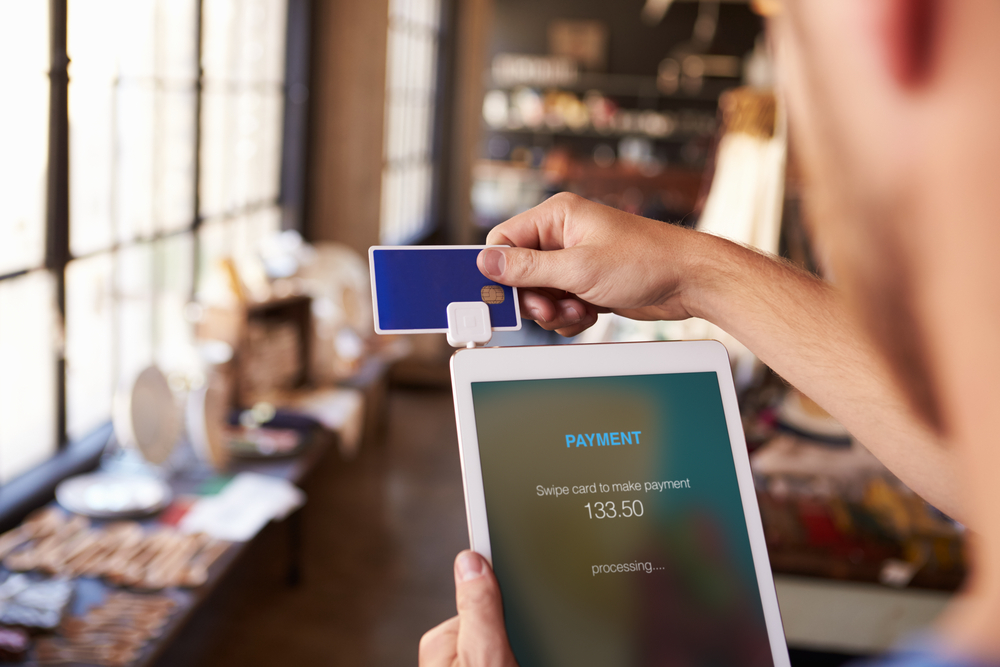
- Mobile Point-of-Sale (MPOS) Systems: These are perhaps the most common. They involve a smartphone or tablet paired with a card reader (which can be a small dongle, a Bluetooth device, or a standalone terminal). Popular providers include Square, PayPal Zettle, and Stripe Terminal. These systems are ideal for businesses that process face-to-face transactions, offering full functionality to accept swipe, chip, and contactless payments. The financial model typically involves a per-transaction fee and sometimes a one-time cost for the hardware.
- Mobile Wallets and Peer-to-Peer Apps: While primarily consumer-facing (e.g., Apple Pay, Google Pay, Samsung Pay), businesses can accept these payments through MPOS systems or dedicated business accounts. Peer-to-peer apps like Venmo or Cash App, while often used for personal transfers, also offer business profiles allowing for direct payments, though their fee structures for business transactions can differ.
- In-App Payments and E-commerce: For businesses with an online presence or dedicated apps, integrating payment gateways (like Stripe, PayPal) allows customers to pay directly within the application or website. While not strictly “on your phone” for the merchant in a face-to-face sense, the management and oversight of these transactions can be done entirely from a mobile device.
Key Considerations for Choosing a Financial Tool
Selecting the right mobile payment solution involves a careful evaluation of several financial and operational factors:
- Fee Structure: This is arguably the most critical financial consideration. Providers typically charge a percentage per transaction (e.g., 2.6% + $0.10) or a flat fee. Some may have monthly fees, chargeback fees, or different rates for various card types (e.g., American Express often has higher rates). Understand the total cost of ownership, including hardware costs and any hidden fees. For high-volume businesses, even a fraction of a percentage point can significantly impact your annual expenses.
- Payout Schedule: How quickly will the funds from a transaction be deposited into your bank account? Most providers offer next-day or two-day payouts, but some might have longer hold times, especially for new accounts or large transactions. Consistent and timely access to funds is crucial for managing your business’s liquidity.
- Ease of Use and Integration: The chosen solution should be user-friendly for both you and your customers. A complicated system can lead to abandoned transactions and frustration. Consider its integration capabilities with existing accounting software, inventory management systems, or e-commerce platforms to streamline your financial backend.
- Security and Compliance: Data security is paramount. Ensure the provider is PCI DSS (Payment Card Industry Data Security Standard) compliant and offers robust fraud protection measures. This protects both your business and your customers from financial risks and potential liabilities.
Popular Mobile Payment Providers and Their Financial Implications
- Square: Often lauded for its simplicity and transparent pricing, Square offers a range of card readers, from free magstripe readers to advanced terminals. Their fees are generally a flat percentage per transaction, with no monthly fees. This makes it highly attractive for small businesses, startups, and those with fluctuating sales volumes. Payouts are typically next business day.
- PayPal Zettle (formerly iZettle): Similar to Square, Zettle provides card readers and a straightforward app interface. Its fee structure is competitive, often with tiered pricing that can become more favorable with higher sales volumes. It benefits from PayPal’s extensive ecosystem, which can be advantageous for businesses already using PayPal for online sales. Payouts are usually fast.
- Stripe Terminal: For businesses seeking more customizable and developer-friendly solutions, Stripe Terminal allows for highly integrated mobile POS systems. While it requires a bit more technical setup, it offers immense flexibility and advanced reporting. Its fee structure is also competitive, often appealing to businesses looking to scale or those with specific integration needs. Stripe’s financial tools are robust, including options for recurring billing and international payments.
Setting Up Your Mobile Payment System: A Financial Blueprint
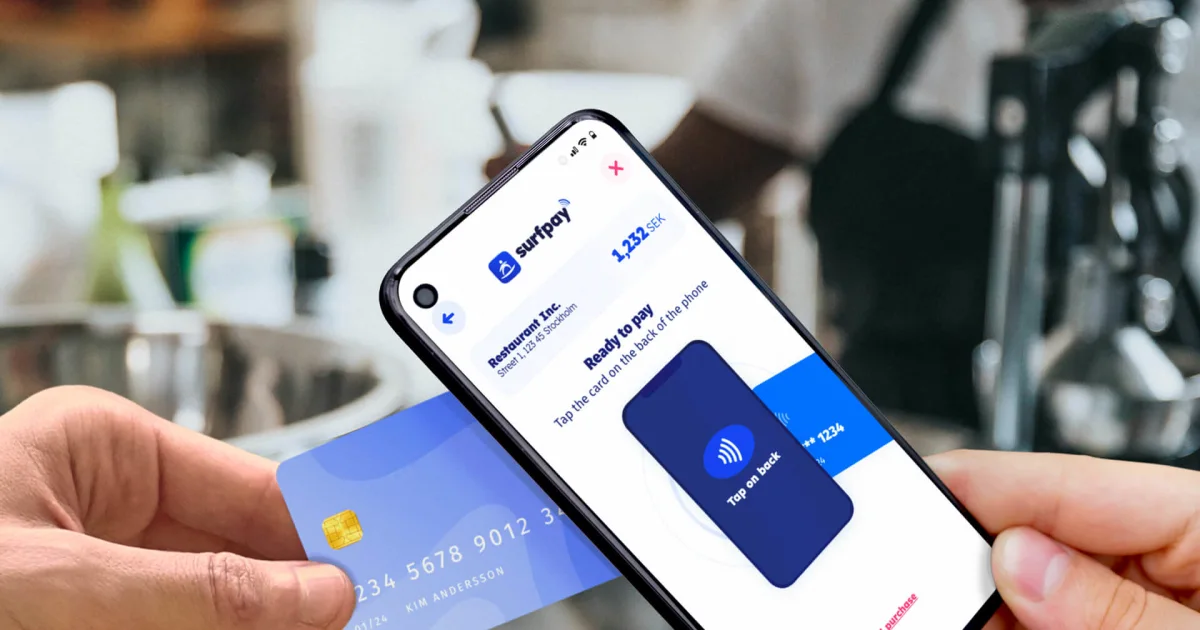
Once you’ve selected a provider, setting up your mobile payment system is a relatively straightforward process. However, understanding the financial nuances of each step is key to maximizing efficiency and compliance.
Device and Software Integration for Seamless Transactions
The first step is to download the provider’s app onto your smartphone (or tablet) and connect your chosen card reader. This typically involves Bluetooth pairing or plugging a dongle into your device’s audio jack/charging port. Ensure your device meets the minimum operating system requirements for the app. From a financial perspective, a reliable connection ensures transactions go through smoothly, preventing lost sales due to technical glitches. It’s also crucial to link your business bank account to the payment app for seamless fund transfers. Double-check all banking details to avoid delays in receiving your income.
Understanding Transaction Fees and Pricing Structures
Before processing your first payment, thoroughly review the transaction fees and pricing structure of your chosen provider. Most providers offer clear breakdowns of their per-transaction fees (e.g., a percentage + a fixed amount per transaction for swiped/chip payments, and a higher percentage for manually entered card numbers). Some may offer reduced rates for higher sales volumes or specific business types. Be aware of any monthly subscription fees, refund processing fees, chargeback fees, or fees for expedited payouts. Factoring these costs into your product pricing is essential to maintain your profit margins and ensure financial viability.
Ensuring Financial Security and Compliance
Protecting financial data is non-negotiable. Your mobile payment solution should be PCI DSS compliant, meaning it adheres to industry standards for protecting cardholder information. This typically involves end-to-end encryption of card data from the moment it’s read by the device until it reaches the payment processor.
- Fraud Prevention: Most reputable mobile payment providers include built-in fraud detection tools. Understand how these work and what your responsibilities are. For instance, always verify the customer’s identity for large transactions or when suspicious activity is flagged.
- Chargebacks: Be prepared for chargebacks – when a customer disputes a transaction with their bank. While rare, they can be financially costly. Keep detailed records of all transactions, including receipts, customer signatures (if applicable), and proof of delivery or service. These records are your best defense in a chargeback dispute.
- Tax Implications: Ensure you understand the tax implications of accepting credit card payments. Your payment processor will typically provide a 1099-K form if you meet certain thresholds, detailing your gross payment volume. Maintaining accurate financial records through the app’s reporting features will simplify your tax filings.
Maximizing Financial Benefits and Mitigating Risks
Once your mobile payment system is operational, strategic management is crucial to maximize its financial benefits and minimize potential downsides.
Leveraging Data for Financial Insights and Growth
Mobile payment apps are powerful financial tools, offering more than just payment processing. They provide a wealth of data on your sales, customer spending habits, peak transaction times, and popular products or services.
- Sales Reporting: Regularly review the detailed sales reports generated by your app. This data can help you identify trends, understand seasonality, and forecast future revenue.
- Customer Insights: Some apps offer basic customer relationship management (CRM) features, allowing you to track repeat customers and their purchase history. This information is invaluable for targeted marketing efforts and building customer loyalty, ultimately driving repeat business and increased income.
- Inventory Management: For businesses selling physical products, integrating your payment system with inventory management helps track stock levels, reducing overselling or underselling and optimizing your capital tied up in inventory.
Managing Chargebacks and Disputes: Protecting Your Bottom Line
Chargebacks can be a significant financial drain. Proactive measures are essential:
- Clear Policies: Have clear return, refund, and cancellation policies visible to customers. Misunderstandings often lead to disputes.
- Proof of Purchase/Service: Always retain transaction records, including digital receipts, signed invoices (for services), and shipping confirmations. These documents are your primary evidence in a chargeback dispute.
- Communicate: If a customer expresses dissatisfaction, try to resolve it directly before they initiate a chargeback. Offering a refund or alternative solution can often save you the chargeback fee and potential loss of goods/services.
Scalability: Growing Your Business Without Financial Headaches
A well-chosen mobile payment solution should be able to scale with your business. As your sales volume grows, ensure your provider can handle increased transaction loads without impacting performance or incurring prohibitive costs. Consider options that allow for multiple users, multiple devices, or integration with more comprehensive POS systems as your business expands. The right financial tool today should not become a bottleneck tomorrow.
The Future of Mobile Payments and Your Financial Strategy
The landscape of financial transactions is constantly evolving. Staying informed about emerging trends is vital for long-term financial planning.
Emerging Trends: Contactless and Cryptocurrency
- Contactless Payments (NFC): Already widespread, contactless payments (tap-to-pay) will continue to dominate. Ensure your chosen mobile payment solution supports NFC technology, as this is increasingly becoming the preferred method for speed and hygiene.
- Cryptocurrency: While still niche, some businesses are beginning to explore accepting cryptocurrencies as a form of payment. Keep an eye on the regulatory environment and market stability of digital currencies. While not mainstream for mobile payments yet, it represents a potential future revenue stream for innovative businesses.
Long-Term Financial Planning with Mobile Payment Solutions
Integrating mobile payment acceptance is more than just a transaction tool; it’s a fundamental shift in your financial operations. By selecting the right platform, understanding its costs and benefits, and leveraging its data, you empower your business with agility, efficiency, and a robust foundation for sustainable financial growth in a digital-first world. Your phone, once just a communication device, is now a powerful financial instrument, ready to help you thrive.
aViewFromTheCave is a participant in the Amazon Services LLC Associates Program, an affiliate advertising program designed to provide a means for sites to earn advertising fees by advertising and linking to Amazon.com. Amazon, the Amazon logo, AmazonSupply, and the AmazonSupply logo are trademarks of Amazon.com, Inc. or its affiliates. As an Amazon Associate we earn affiliate commissions from qualifying purchases.