
In the rapidly evolving landscape of digital finance, peer-to-peer (P2P) payment applications have become indispensable tools for managing personal and, increasingly, business transactions. Among these, Cash App stands out as a prominent player, offering a straightforward and accessible platform for sending and receiving money. For individuals and small businesses looking to streamline their digital payment processes, understanding the nuances of accepting payments through Cash App is not just a convenience but a fundamental skill in today’s cashless society. This comprehensive guide will delve into the technical mechanisms, best practices, and security considerations involved in leveraging Cash App effectively for payment reception.

Understanding Cash App: A Gateway to Digital Transactions
Cash App, developed by Block, Inc., has revolutionized the way millions of users handle their money. Far more than just a simple money transfer service, it’s a versatile financial technology application designed to simplify everything from splitting dinner bills to receiving payments for goods and services. From a technological standpoint, Cash App provides a robust, user-friendly interface that abstracts away the complexities of traditional banking infrastructure, offering a seamless digital experience.
What is Cash App?
At its core, Cash App is a mobile payment service that allows users to send and receive money via a smartphone application. It links directly to a user’s bank account or debit card, facilitating instant transfers. What sets it apart and makes it particularly relevant for accepting payments is its unique identifiers – the $Cashtag and associated phone numbers/emails – which serve as direct digital addresses for fund transfers. The app also integrates features like direct deposit, a debit card (Cash Card), and even basic cryptocurrency trading, though our focus here remains on its payment reception capabilities. The underlying technology ensures secure data transmission and transaction processing, making it a reliable platform for digital money management.
Key Features for Payment Reception
For anyone looking to accept payments, Cash App offers several critical features that simplify the process:
- Unique $Cashtag: A personalized identifier (e.g., $YourName) that users can share to receive money without revealing personal banking details. This is a core technical feature that enhances privacy and ease of use.
- Payment Requests: The ability to send a formal request for a specific amount of money from another Cash App user, providing clarity and reducing potential errors. This leverages the app’s internal messaging and notification system.
- Direct Deposits: While primarily for income, businesses can use this feature to manage incoming funds if they are operating as a sole proprietorship.
- Cash App Business Accounts: A dedicated account type designed with features like enhanced transaction reporting and lower transaction fees, offering a more structured approach for commercial activities.
- QR Codes: For quick, in-person transactions, Cash App generates unique QR codes that payers can scan to initiate a payment, streamlining the checkout process through visual technology.
Setting Up Your Cash App Account
Before you can accept payments, setting up a Cash App account is the foundational technical step.
- Download the App: Begin by downloading the Cash App from the Apple App Store or Google Play Store. Ensure you’re downloading the official application to avoid fraudulent versions.
- Registration: Open the app and follow the prompts to register using either your phone number or email address. This creates your unique digital identity within the Cash App ecosystem.
- Link a Bank Account: To fully utilize Cash App and move funds in and out, you’ll need to link a debit card or bank account. This is a crucial security step, as it verifies your identity and provides the financial gateway for transactions. The app employs secure tokenization and encryption protocols to protect your banking information during this linkage.
- Create a $Cashtag: During setup, you’ll be prompted to create your unique $Cashtag. Choose something memorable and professional, especially if you intend to use it for business. This $Cashtag is your public payment address, a simple string of characters that simplifies the digital transfer process.
Step-by-Step Guide to Receiving Personal Payments
Receiving payments through Cash App is designed to be intuitive, leveraging various methods to accommodate different user preferences and scenarios. Understanding these technical pathways ensures a smooth transaction experience.
Receiving Funds via Cashtag
The $Cashtag is arguably the most common and convenient way to receive payments. It acts as a digital alias, allowing senders to find and pay you without needing your phone number or email.
- Share Your $Cashtag: Simply provide your unique $Cashtag (e.g., $YourBusinessName) to the person who needs to pay you.
- Sender Initiates Payment: The sender opens their Cash App, taps the “$” icon (payment tab), enters the amount, taps “Pay,” types your $Cashtag, and confirms the transaction.
- Confirmation: You will receive a notification within the Cash App and potentially a text/email alert confirming the incoming payment. The funds typically appear instantly in your Cash App balance.
Receiving Funds via Phone Number or Email
If you prefer, or if the sender doesn’t know your $Cashtag, payments can be made directly to the phone number or email address associated with your Cash App account.
- Provide Contact Information: Give the sender the phone number or email address you used to register your Cash App account.
- Sender Initiates Payment: The sender follows the same payment process as with a $Cashtag, but inputs your phone number or email instead.
- Receive Funds: Just like with a $Cashtag payment, funds arrive in your Cash App balance instantly, accompanied by an in-app notification.
Accepting a Payment Request
For situations where you need to prompt a payment, Cash App’s “Request” feature is invaluable. This is a proactive technical function that streamlines the collection process.
- Open Cash App and Tap Request: From the main screen, tap the “$” icon and then select “Request” at the top of the screen.
- Enter Amount and Sender: Input the desired amount you wish to receive. Then, select the person from whom you are requesting money by searching their $Cashtag, phone number, or email.
- Add a Note (Optional): Include a brief note describing the reason for the payment (e.g., “For dinner,” “Consulting fee”).
- Send Request: Tap the “Request” button. The selected user will receive a notification and can then easily pay the requested amount with a single tap. This minimizes friction and error on the sender’s side.
Automatic vs. Manual Acceptance
Most Cash App payments are processed instantly and automatically deposited into your balance. However, in some cases, particularly for larger amounts or if a sender uses a funding source that requires additional verification, a payment might be “pending.”
- Automatic Acceptance: For standard transactions, funds usually appear immediately in your Cash App balance. This is the default system behavior, optimized for speed.
- Manual Acceptance (Rare): If a payment is pending, you might see an option to “Accept” it. This typically occurs when Cash App requires a brief review to ensure compliance or to verify a new sender. If prompted, simply tap “Accept” to finalize the transfer. Always ensure you recognize the sender before accepting any pending payments.
Leveraging Cash App for Business Transactions
Beyond personal transfers, Cash App has evolved to support small businesses and independent contractors, offering specific features designed to handle commercial transactions more efficiently. This transforms it from a simple P2P tool into a viable point-of-sale solution.
The Benefits of a Cash App Business Account
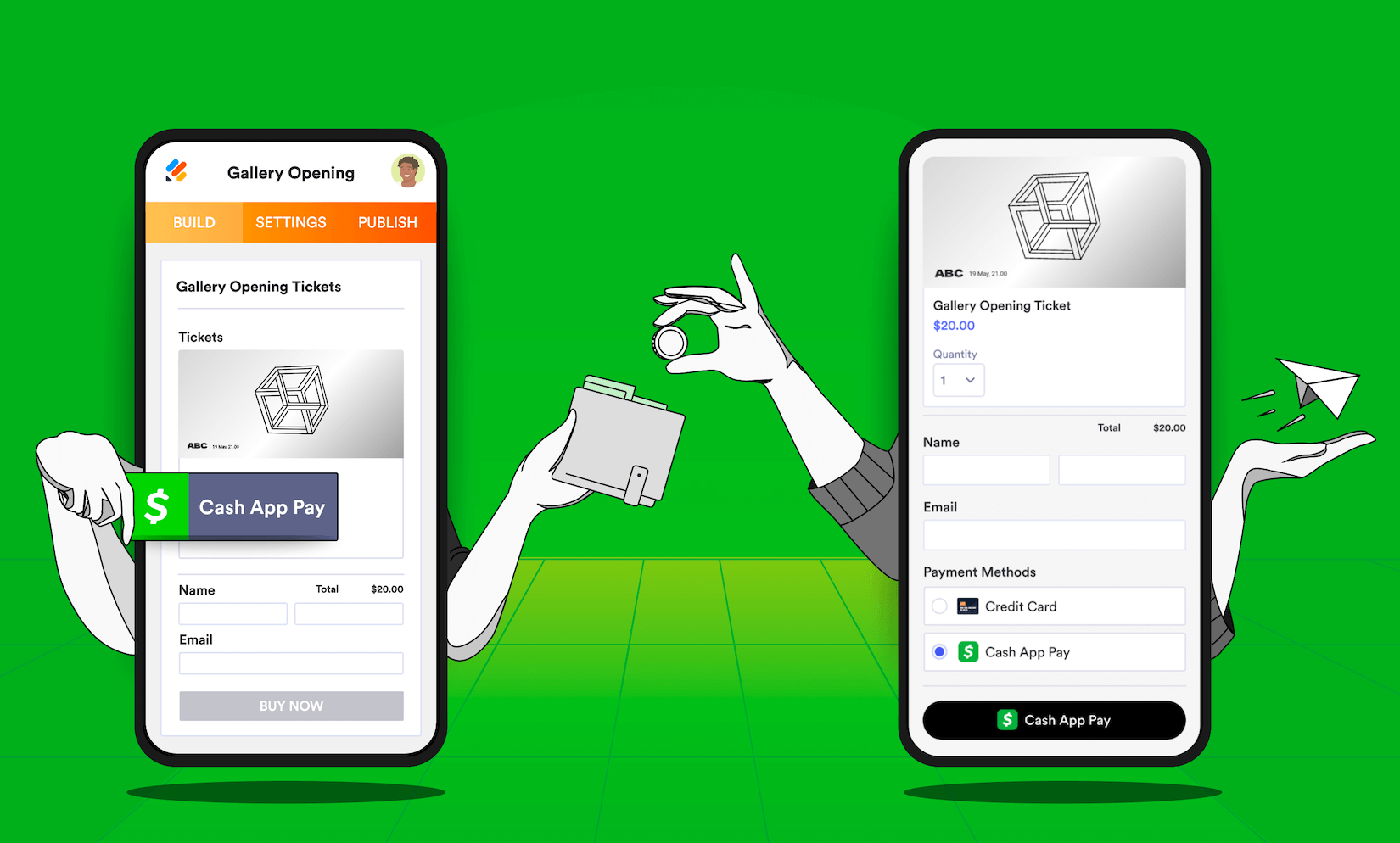
Switching to a Business Account unlocks several advantages tailored for commercial use, enhancing functionality and compliance from a technical perspective:
- Unlimited Transaction Limits: Personal accounts have sending and receiving limits, which can be restrictive for businesses. Business accounts remove these caps, allowing for higher volume and value transactions.
- Lower Transaction Fees (for Customers): While businesses incur a small fee for receiving payments, customers typically don’t pay anything, making Cash App an attractive payment option for them.
- Enhanced Reporting: Business accounts provide access to detailed transaction histories, which are crucial for accounting, tax purposes, and financial reconciliation. This data visibility is a key technical benefit.
- Direct Deposit for Business: Facilitates easy transfer of your Cash App balance to your linked bank account.
- QR Code Payments: Ideal for retail environments, allowing customers to quickly scan a code and pay, improving transaction speed and reducing manual errors.
Setting Up a Business Profile
Converting your personal Cash App account to a business profile, or setting up a new one, is a straightforward process within the app’s settings.
- Navigate to Profile Icon: Tap the profile icon (usually a circle with your picture or initials) on the Cash App home screen.
- Select “Personal”: Scroll down and tap on “Personal” or “Change Account Type.”
- Switch to Business Account: Follow the prompts to switch to a business account. You’ll need to provide some basic business information, such as your business name and type. Cash App may require additional verification steps to comply with financial regulations.
- Review Fees: Be aware that Cash App charges a small fee (typically 2.75%) for payments received on a business account. This is clearly disclosed during the setup process.
Generating and Sharing Payment Links/QR Codes
For businesses, making it easy for customers to pay is paramount. Cash App provides excellent technical tools for this:
- Payment Links: Your unique $Cashtag can be appended to
cash.app/$YourCashtagto create a direct payment link. You can embed this link on your website, invoices, or social media, enabling customers to pay with a single click. - QR Codes: Within your business account settings, Cash App can generate a static QR code associated with your $Cashtag. You can print this code for display at your physical point of sale, allowing customers to simply scan it with their phone’s camera and enter the payment amount. This leverages modern smartphone camera and QR code decoding technology for rapid transactions.
Managing Business Transactions and Reports
Effective management of incoming payments is crucial for any business. Cash App’s interface provides tools to assist:
- Activity Tab: The “Activity” tab in your Cash App provides a chronological log of all transactions. You can filter and search this history to find specific payments.
- Exporting Statements: For comprehensive accounting, business accounts allow you to export monthly statements or detailed transaction reports. This data can be easily integrated into accounting software, streamlining financial reconciliation.
- Customer Communication: While not a full CRM, the app allows you to see sender details, enabling you to follow up if necessary.
Ensuring Security and Troubleshooting Common Issues
While Cash App’s technology is designed for security and ease of use, maintaining vigilance and understanding common pitfalls are essential for a robust payment acceptance strategy. Digital security is a shared responsibility.
Best Practices for Secure Transactions
- Strong, Unique Passwords: Always use a complex password for your Cash App account and enable two-factor authentication (2FA) if available. 2FA adds an extra layer of security, typically requiring a code from your phone in addition to your password.
- Verify Sender Identity: Before accepting any payment, especially for business transactions, confirm the identity of the sender. Scammers often attempt to send fraudulent payments.
- Beware of Phishing: Be highly suspicious of unsolicited emails or messages claiming to be from Cash App that ask for your login credentials or personal information. Cash App will never ask for your PIN or full login details via email or text.
- Use Official App Only: Only conduct transactions through the official Cash App mobile application. Avoid third-party websites or unofficial links.
- Regular Monitoring: Periodically review your transaction history in the “Activity” tab for any unauthorized or suspicious activity.
- Keep Software Updated: Ensure your Cash App and smartphone operating system are always updated to the latest versions. Updates often include critical security patches that protect against vulnerabilities.
Recognizing and Avoiding Scams
Scammers frequently target P2P apps. Be aware of common tactics:
- “Payment Pending” Scams: Scammers might send a fake screenshot of a “pending” payment and ask you to send money back, claiming an overpayment. Always verify within your own Cash App account.
- Fake Customer Support: Be wary of individuals claiming to be Cash App support if you haven’t initiated contact. Cash App support is typically accessed directly through the app.
- Too Good to Be True Offers: Any offer of free money or incredibly high returns for a small upfront payment is almost certainly a scam.
Common Payment Acceptance Issues and Solutions
While Cash App is generally reliable, you might occasionally encounter issues:
- Payment Not Arriving:
- Check internet connection: A poor connection can delay notifications.
- Verify $Cashtag/Phone/Email: Double-check that the sender used the correct identifier.
- Sender’s Funding Source: If the sender’s linked card or bank account has issues, the payment might fail.
- Contact Sender: Ask the sender to check their transaction history for errors or status updates.
- Pending Payments:
- Manual Acceptance: If prompted, simply tap “Accept.”
- Verification: Cash App might be conducting a security review. Wait a few hours; if it persists, contact support.
- Account Limits: If you have a personal account and are receiving large sums frequently, you might hit limits. Consider upgrading to a business account or verifying your identity within the app.
Contacting Cash App Support
If you encounter persistent issues or suspect fraudulent activity, contacting Cash App support is crucial.
- In-App Support: The most secure and recommended way is to use the “Support” option within the Cash App itself (tap the profile icon -> “Support”). This ensures you are communicating directly with official channels.
- Website Support: You can also visit Cash App’s official website for their support contact information. Avoid third-party phone numbers found via search engines.
Maximizing Your Cash App Experience
Embracing Cash App as a payment acceptance tool is a step towards a more efficient digital financial operation. Its continuous evolution points to an even greater integration into the fabric of daily transactions.
Integrating with Other Digital Tools
For businesses, Cash App can often be integrated into a broader digital ecosystem. While direct API integrations are typically reserved for larger partners, smaller businesses can leverage Cash App by:
- Linking to Accounting Software: Exported transaction reports can be imported into popular accounting software like QuickBooks or Xero, streamlining financial record-keeping.
- Payment Gateway on Websites: While not a full e-commerce gateway like Stripe or PayPal, a business $Cashtag link can be prominently displayed on a website or social media profile for simple, direct payments for services or products.
- Invoicing Software: Include your $Cashtag or payment link on digital invoices generated by other invoicing software, offering an alternative payment method.
Future Trends in P2P and Business Payments
The technology underpinning Cash App is constantly advancing. Future developments may include:
- Enhanced AI for Fraud Detection: More sophisticated artificial intelligence algorithms will likely improve the app’s ability to detect and prevent fraudulent transactions, making payment acceptance even more secure.
- Increased Cross-Platform Interoperability: While P2P apps are often siloed, future trends might see greater interoperability, allowing for easier transfers between different platforms.
- Broader Business Tools: Expect Cash App Business accounts to gain more features, potentially including advanced invoicing, inventory management, or deeper integrations with CRM systems, further solidifying its position as a comprehensive business tool.
By understanding the technical functionalities, adhering to security best practices, and staying informed about its evolving features, users can effectively harness Cash App to accept payments with confidence and efficiency, making it an indispensable component of their digital financial toolkit.
aViewFromTheCave is a participant in the Amazon Services LLC Associates Program, an affiliate advertising program designed to provide a means for sites to earn advertising fees by advertising and linking to Amazon.com. Amazon, the Amazon logo, AmazonSupply, and the AmazonSupply logo are trademarks of Amazon.com, Inc. or its affiliates. As an Amazon Associate we earn affiliate commissions from qualifying purchases.