
Launching a business is often portrayed through the lens of creative inspiration and disruptive ideas. However, the bedrock of every successful enterprise is not just a great concept, but a robust financial architecture. To start a business that survives the volatile first years and scales into a profitable entity, an entrepreneur must shift their focus from the “what” of their product to the “how” of their capital management. This guide explores the essential financial strategies required to build a business from the ground up, focusing on capitalization, revenue modeling, and long-term fiscal health.
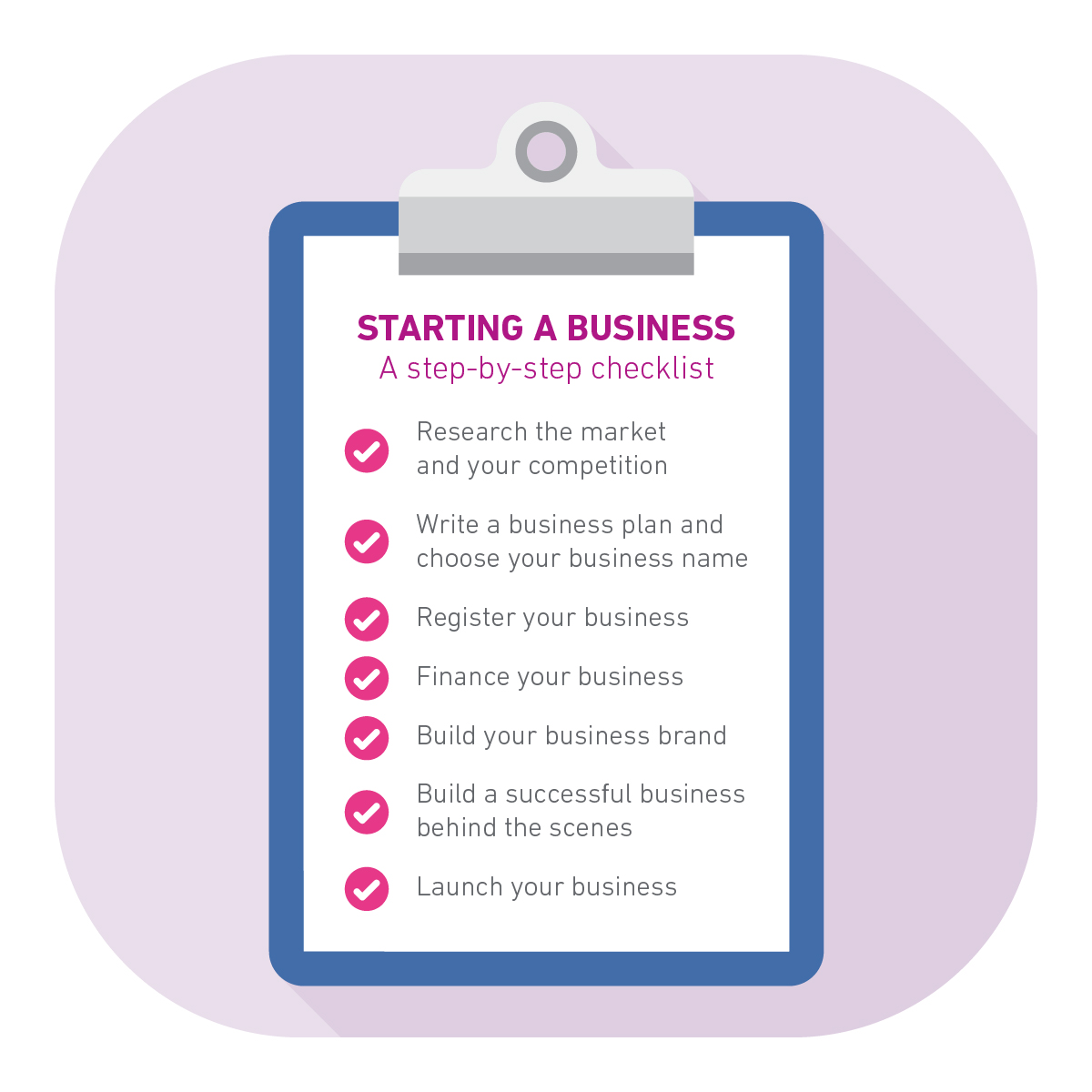
Securing the Capital: Identifying Funding Sources and Financial Requirements
The most immediate hurdle for any new business is the acquisition of startup capital. Without a clear understanding of the initial investment required to reach the “break-even” point, many founders find themselves undercapitalized before they even gain market traction.
Bootstrapping and Self-Funding
Bootstrapping is the process of starting a company using only personal savings and the initial revenue generated by the business. This approach is highly regarded in the modern “lean startup” movement because it forces extreme discipline. When you are spending your own capital, every dollar must be accounted for. The primary advantage of bootstrapping is the retention of 100% equity and total control over the company’s direction. However, the trade-off is often a slower growth trajectory, as reinvestment is limited by current cash flow. For service-based businesses or digital products with low overhead, bootstrapping is often the most prudent path to early-stage viability.
Navigating Debt Financing and Venture Capital
If the business model requires significant upfront investment—such as manufacturing hardware, developing complex software, or maintaining high inventory levels—external funding becomes necessary. Debt financing, such as Small Business Administration (SBA) loans or private bank loans, allows a founder to maintain equity while taking on the obligation of repayment with interest. This is ideal for businesses with predictable cash flows.
On the other end of the spectrum is equity financing, which includes angel investors and venture capital. This involves selling a portion of the company in exchange for capital. While this provides a massive influx of cash and often brings valuable mentorship and networking, it also introduces fiduciary responsibilities to shareholders. Understanding the cost of capital—whether it is the interest rate on a loan or the percentage of future profits surrendered to an investor—is the first critical calculation every founder must make.
Designing a Sustainable Revenue Architecture
A business is, at its core, a machine that converts capital and labor into profit. To start a business effectively, you must design a revenue model that is not only profitable on a per-unit basis but also sustainable over time.
Analyzing Unit Economics
Before launching, you must master your unit economics: the direct revenues and costs associated with a single unit of sale. If you sell a widget for $100, but it costs $70 to manufacture, $10 to ship, and $15 to acquire the customer through advertising, your contribution margin is only $5. This thin margin leaves very little room for fixed costs like rent, salaries, and insurance.
To build a healthy business, you must focus on the Customer Acquisition Cost (CAC) relative to the Lifetime Value (LTV) of that customer. A common benchmark for a healthy business is an LTV:CAC ratio of 3:1. If it costs more to acquire a customer than they will spend with you over their lifetime, the business is fundamentally broken regardless of how much venture capital is injected into it.
Subscription vs. Transactional Models
The “how” of your income is as important as the “how much.” Transactional models rely on constant new sales to generate revenue, which can lead to feast-or-famine cycles. In contrast, recurring revenue models—such as subscriptions or long-term service contracts—provide financial predictability. This “predictable revenue” makes it significantly easier to plan for hires, inventory purchases, and expansion. When starting a business, consider how you can turn a one-time purchase into a recurring relationship to stabilize your cash flow.
The Financial Infrastructure: Essential Systems for Operational Efficiency

Many businesses fail not because of a lack of sales, but because of poor financial management. Establishing a professional financial infrastructure from day one prevents the “leaky bucket” syndrome where profits vanish into unmonitored expenses and tax liabilities.
Implementing Robust Bookkeeping and Accounting
In the early stages, it is tempting to manage finances through a simple spreadsheet. However, professional-grade bookkeeping is non-negotiable. Using double-entry accounting software ensures that your balance sheet, income statement, and cash flow statement are always accurate. These documents are the “health charts” of your business.
Founder oversight is critical, but as the business grows, hiring a certified public accountant (CPA) or a fractional Chief Financial Officer (CFO) becomes a strategic investment. These professionals do more than just file taxes; they provide insights into tax credits, depreciation of assets, and the optimization of your burn rate—the rate at which your company spends its capital before generating a positive cash flow.
Separation of Personal and Business Finances
One of the most common mistakes new entrepreneurs make is “commingling” funds. To protect yourself legally and financially, you must establish a clear boundary between your personal identity and the business entity. This starts with registering your business (e.g., as an LLC or S-Corp) and obtaining an Employer Identification Number (EIN).
Opening a dedicated business bank account and obtaining a business credit card allows for a clean audit trail. This separation is vital for two reasons: it protects your personal assets from business liabilities (the “corporate veil”) and it allows for a clear analysis of the business’s actual performance without the noise of personal expenses.
Scaling for Longevity: Reinvestment and Risk Management
Once a business has moved past the survival phase, the focus shifts to scaling. Scaling requires a strategic approach to reinvesting profits and a disciplined approach to risk.
The Power of Reinvestment
A common trap for new business owners is “lifestyle creep,” where the owner begins withdrawing all excess profits for personal use the moment the business becomes profitable. To build a lasting institution, a significant portion of profits should be reinvested into the business’s “growth engines.” This might include upgrading technology to increase efficiency, hiring key personnel to move the founder out of daily operations, or increasing the marketing budget to capture more market share. The goal of reinvestment is to build a competitive moat that makes the business more resilient to market shifts.
Managing Cash Flow and Emergency Reserves
Revenue is vanity, profit is sanity, but cash is king. A business can be profitable on paper but still go bankrupt if its cash is tied up in accounts receivable or unsold inventory. Managing the “Cash Conversion Cycle”—the time it takes for a dollar spent on expenses to return to the bank as revenue—is a primary duty of the business owner.
To mitigate the risk of market downturns or unexpected expenses, every business should maintain a “runway” or emergency reserve. Ideally, this reserve should cover 3 to 6 months of operating expenses. This financial cushion allows the business to pivot or weather a crisis without resorting to high-interest emergency loans or diluting equity further by seeking desperate investment.
Tax Strategy and Exit Planning
Starting a business with the end in mind is a hallmark of sophisticated financial planning. Whether you intend to run the business for decades or sell it within five years, your tax strategy should reflect that goal. Understanding the difference between capital gains and ordinary income, and how different business structures affect your tax liability, can save an entrepreneur hundreds of thousands of dollars over the life of the business.
Furthermore, having an “exit strategy” influences how you manage your finances today. If you plan to sell, you must focus on “clean” books and high margins that would be attractive to an acquirer. If you plan to pass it on to heirs, you might focus more on long-term asset accumulation and estate planning.
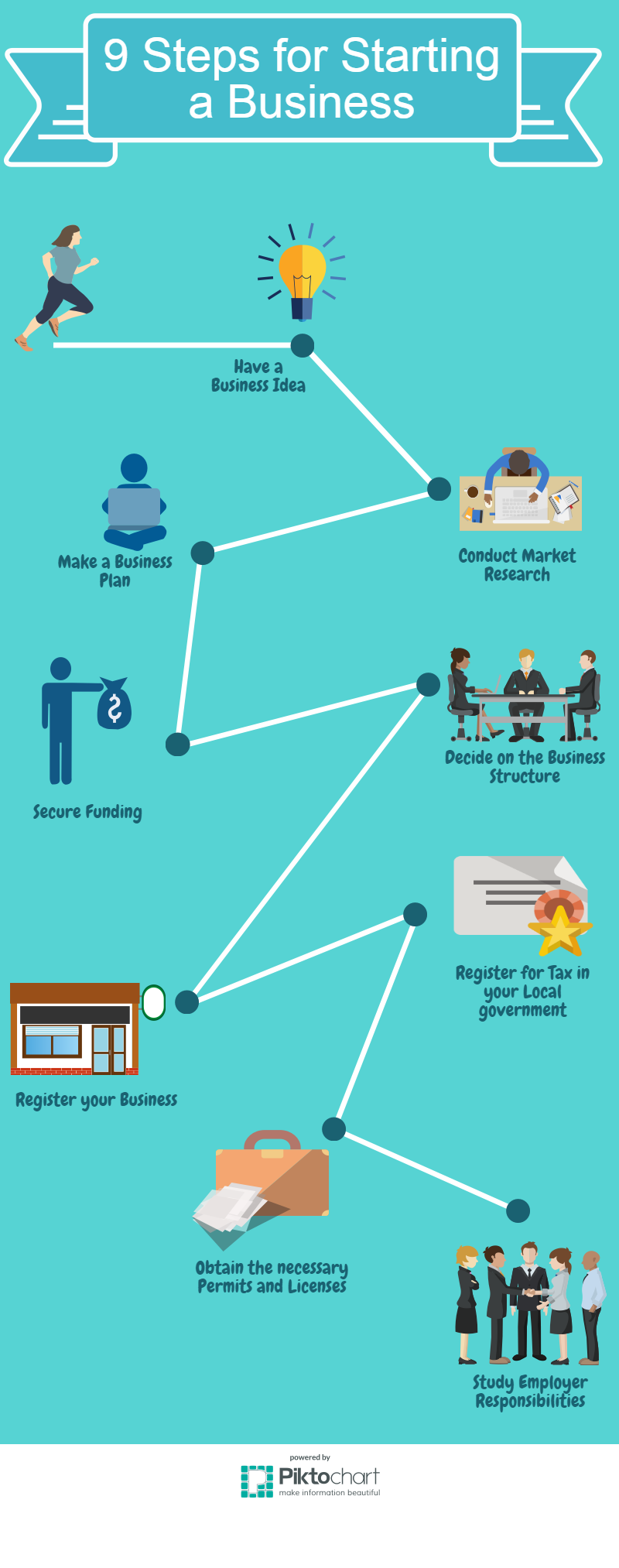
Conclusion
Starting a business is a high-stakes financial endeavor that requires a blend of aggressive growth and conservative management. By securing the right type of capital, building a revenue model based on sound unit economics, and installing professional financial systems, an entrepreneur transforms a simple idea into a viable economic engine. The path to business success is paved with spreadsheets, calculated risks, and a relentless focus on the bottom line. Those who master the money side of the equation are the ones who earn the right to stay in business and see their vision fully realized.
aViewFromTheCave is a participant in the Amazon Services LLC Associates Program, an affiliate advertising program designed to provide a means for sites to earn advertising fees by advertising and linking to Amazon.com. Amazon, the Amazon logo, AmazonSupply, and the AmazonSupply logo are trademarks of Amazon.com, Inc. or its affiliates. As an Amazon Associate we earn affiliate commissions from qualifying purchases.