
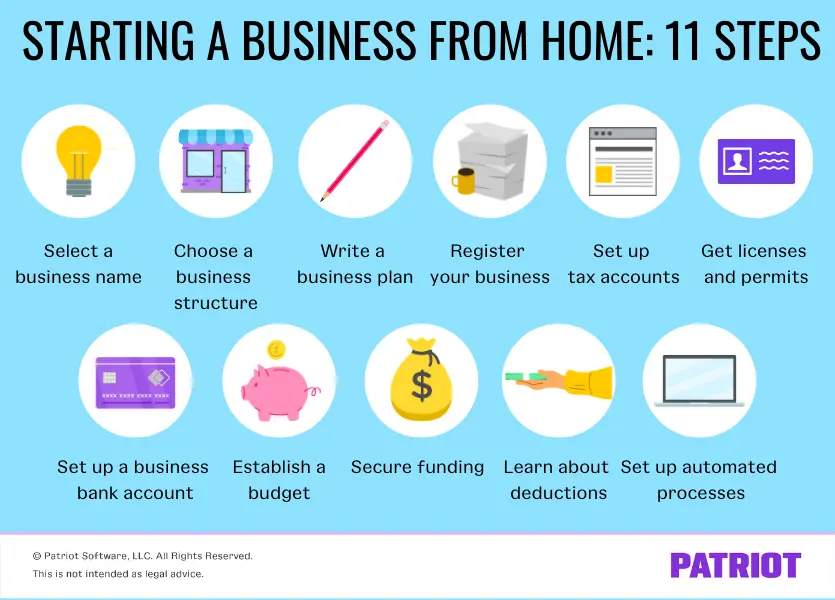
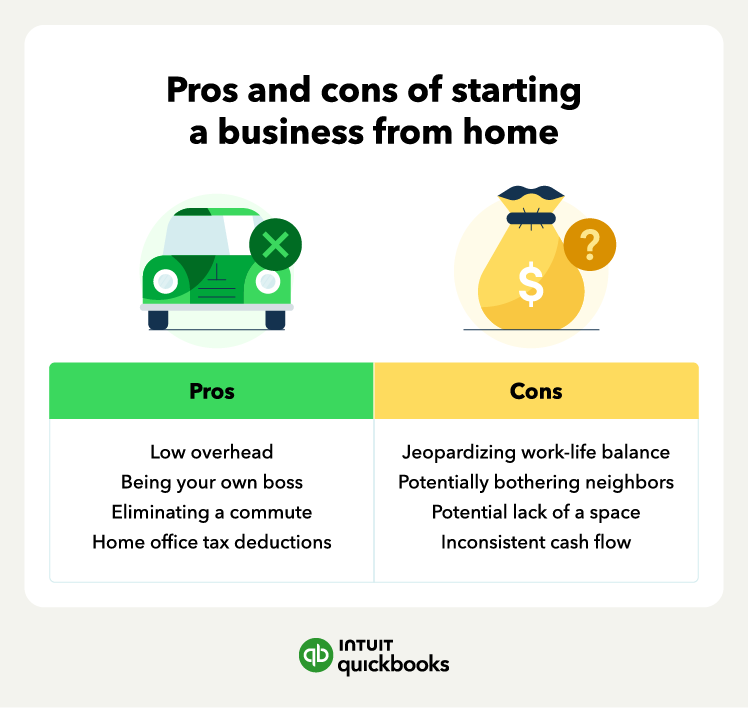
Starting a business from the comfort of your home is an increasingly popular and accessible path to entrepreneurship. The allure is undeniable: reduced overheads, flexible hours, and the potential to build something truly your own. However, while the physical location might be your living room, the financial realities are no less significant than those of a traditional brick-and-mortar venture. Success hinges not just on a brilliant idea or tireless effort, but fundamentally on sound financial planning, astute money management, and a clear understanding of the financial landscape unique to home-based businesses. This guide will navigate the monetary aspects of launching and sustaining a thriving enterprise from your domestic base, ensuring your entrepreneurial journey is on solid financial footing from day one.
Laying the Financial Foundation for Your Home Business
Before you even think about products or services, the first and most critical step is to meticulously assess and prepare your financial groundwork. This phase is about understanding your starting position, how much you can afford to invest, and how you will manage your personal finances alongside your emerging business.
Assessing Your Personal Financial Readiness
Embarking on a new venture, especially a home-based one, often blurs the lines between personal and business finances. It’s crucial to establish clear boundaries from the outset. Begin by evaluating your current personal financial health. Do you have an emergency fund sufficient to cover several months of living expenses? Will you be relying on your home business income immediately, or can you afford a ramp-up period? Many home entrepreneurs start their businesses as a side hustle while maintaining a full-time job, which provides a financial safety net.
Calculate your personal burn rate – how much you need to live comfortably each month. This figure will help you understand the minimum income your business needs to generate, or how long your personal savings will sustain you during the initial growth phase. Be realistic about your financial runway; it’s one of the most common reasons home businesses falter. Understanding your personal financial situation will allow you to make informed decisions about how much risk you can afford to take and how aggressively you need to pursue revenue.
Initial Capital: Bootstrapping vs. Funding
One of the significant advantages of a home-based business is the potential for lower startup costs, making bootstrapping a viable and often preferred option. Bootstrapping means funding your business primarily from personal savings, early sales, or by reinvesting profits back into the company. This approach fosters financial discipline, minimizes debt, and gives you complete control. For instance, you might start by offering a service (like consulting, writing, or web design) that requires minimal upfront investment beyond your existing skills and a home office setup.
However, even a home business might require some initial capital for essential tools, software subscriptions, marketing, or inventory. If bootstrapping isn’t sufficient, explore alternative funding options. These could include small business loans from banks or credit unions, microloans specifically designed for small businesses, or even friends and family. Online lenders have also emerged as a flexible option, though interest rates can vary widely. For truly innovative ideas, angel investors or venture capitalists might be a possibility, though this is less common for typical home-based ventures and often involves relinquishing equity. Carefully weigh the pros and cons of each funding source, considering interest rates, repayment terms, and potential equity dilution. Always aim for the least expensive and most flexible capital option available to you.
Crafting a Realistic Business Budget
A detailed budget is the financial blueprint for your home business. It translates your vision into concrete financial figures, outlining anticipated income and expenses. Start by listing all potential startup costs: domain registration, website hosting, necessary software, initial inventory, marketing materials, legal fees (for business registration or contracts), and any specialized equipment. Be thorough; unexpected costs can quickly derail an unbudgeted plan.
Next, project your ongoing operational expenses. These might include monthly software subscriptions, internet and phone bills (a portion of which may be deductible), marketing spend, payment processing fees, and continued education or training. Don’t forget to account for your own salary, even if it’s modest initially – valuing your time is crucial. On the income side, be conservative with your revenue projections, especially in the early stages. Research market demand, competitor pricing, and your capacity to deliver. A realistic budget will not only guide your spending but also serve as a benchmark to measure your financial performance and identify areas for adjustment. Regularly reviewing and updating your budget is essential as your business evolves.
Generating Income and Monetization Strategies
With your financial foundation secure, the next critical phase involves defining how your home business will actually make money. This isn’t just about having a product or service; it’s about understanding market demand, effective pricing, and diversifying your revenue streams for long-term stability.
Identifying Profitable Home-Based Business Ideas
The beauty of a home business lies in the vast array of possibilities, often leveraging existing skills or passions. Profitable ideas typically fall into categories like services (consulting, coaching, freelancing, virtual assistance), digital products (e-books, online courses, templates, software), physical products (e-commerce, crafts, custom goods), or content creation (blogging, podcasting, YouTube with advertising and sponsorships).
To identify a truly profitable niche, consider the intersection of your expertise, market demand, and revenue potential. What problems can you solve for others? Is there a gap in the market? Who is your ideal customer, and what are they willing to pay for? Research is paramount here. Utilize online tools to gauge keyword popularity, analyze competitor offerings, and understand pricing structures in your chosen field. A home business that addresses a clear need or desire, and for which people are willing to pay, is inherently more financially viable. Avoid chasing fads; instead, focus on sustainable solutions or unique value propositions.
Diversifying Income Streams for Stability
Relying on a single source of income, even for a home business, can be precarious. Economic shifts, changes in demand, or increased competition can quickly impact your revenue. Therefore, strategizing for diversified income streams is a smart financial move. For example, if you offer consulting services, you might also create an online course related to your expertise, sell templates, or offer premium workshops. An e-commerce business selling physical products could expand into related digital products (e.g., sewing patterns if you sell handmade clothes) or offer subscription boxes.
Diversification acts as a financial buffer, ensuring that if one revenue stream experiences a downturn, others can help maintain overall financial stability. It also opens up new avenues for growth and allows you to leverage your expertise in multiple ways. When considering new income streams, always evaluate their potential for profitability and how well they integrate with your core offering and brand. Avoid spreading yourself too thin; strategic diversification is about complementary offerings, not random additions.
Pricing Strategies for Profitability
Setting the right price for your products or services is a delicate balance. Price too low, and you undervalue your work and struggle with profitability; price too high, and you risk alienating potential customers. Your pricing strategy directly impacts your revenue and perceived value.
Common pricing strategies include:
- Cost-Plus Pricing: Calculating your total costs (materials, labor, overhead) and adding a desired profit margin. This is simple but doesn’t always account for market value.
- Value-Based Pricing: Setting prices based on the perceived value your product or service delivers to the customer, rather than just your costs. This often allows for higher margins.
- Competitor-Based Pricing: Benchmarking your prices against similar offerings in the market. While useful, differentiate your value if you price higher.
- Tiered Pricing: Offering different packages or levels of service at varying price points to cater to different customer segments. This can maximize overall revenue.
For home-based service providers, consider hourly rates, project-based fees, or retainer models. For products, factor in manufacturing costs, shipping, and marketing. Always test your pricing and be prepared to adjust based on market feedback and your financial goals. Regularly review your pricing to ensure it remains competitive and profitable as your costs or market conditions change.

Managing Your Business Finances Effectively
Once your home business is operational and generating income, diligent financial management becomes paramount. This involves separating your finances, understanding your tax obligations, and leveraging tools to keep everything organized.
Setting Up Dedicated Business Banking
One of the most fundamental rules of business finance, especially for home-based entrepreneurs, is to strictly separate personal and business finances. This means opening a dedicated business bank account and, if necessary, a business credit card. Co-mingling funds can lead to a host of problems, from making bookkeeping a nightmare to creating legal and tax complexities.
A separate business account provides a clear record of all business income and expenses, simplifying tax preparation and making it easier to track your business’s financial performance. It also projects a professional image to clients and suppliers and can be a prerequisite for obtaining business loans or lines of credit in the future. Even if you start as a sole proprietorship, which doesn’t legally require a separate account, it’s a best practice that will save you considerable headaches down the line and prepare you for potential growth and formalization.
Understanding Taxes, Deductions, and Compliance for Home Businesses
Taxes are an unavoidable aspect of running any business, and home businesses have specific considerations. As a self-employed individual (sole proprietor, LLC, etc.), you are responsible for paying self-employment taxes (Social Security and Medicare) in addition to income tax. Many home-based entrepreneurs are required to pay estimated taxes quarterly, rather than through payroll deductions. Failing to do so can result in penalties.
Crucially, home businesses often qualify for various tax deductions that can significantly reduce your taxable income. The “home office” deduction is a common one, allowing you to deduct a portion of your rent or mortgage interest, utilities, property taxes, and home insurance based on the percentage of your home exclusively and regularly used for business. Other potential deductions include business-related travel, professional development, advertising, insurance premiums, and the cost of goods sold. Keeping meticulous records of all income and expenses is non-negotiable for tax purposes. Consider consulting with a tax professional who specializes in small and home-based businesses to ensure you are compliant and maximizing legitimate deductions.
Essential Financial Tools and Software
In today’s digital age, a plethora of financial tools and software are available to streamline the management of your home business finances. These tools can automate tasks, reduce errors, and provide clear insights into your financial health.
- Accounting Software: Programs like QuickBooks Self-Employed, FreshBooks, Xero, or Wave Accounting (which offers a free tier) are invaluable. They allow you to track income and expenses, send invoices, reconcile bank accounts, and generate financial reports (profit and loss statements, balance sheets). Many integrate with payment processors and tax software, further simplifying your financial workflow.
- Payment Processors: To accept payments online, you’ll need services like Stripe, PayPal, Square, or others. Understand their fee structures and choose one that aligns with your transaction volume and customer preferences.
- Budgeting Tools: While accounting software often includes budgeting features, dedicated personal finance apps can help manage your household budget alongside your business one, especially if your income is initially irregular.
- Receipt Tracking Apps: Apps like Expensify or Hubdoc allow you to digitize receipts, making expense tracking easier and ensuring you have proper documentation for deductions.
Investing time in setting up and regularly using these tools will save you countless hours during tax season and provide you with real-time financial data to make informed business decisions.
Growth, Reinvestment, and Long-Term Financial Health
Starting a home business is just the beginning. For sustained success, you must continually monitor your financial performance, make strategic decisions about growth, and plan for the long-term viability and potential scaling of your venture.
Strategic Reinvestment for Scalability
As your home business starts generating consistent profits, a key financial decision is how to utilize those earnings. While it’s tempting to draw a larger salary, strategic reinvestment is often crucial for long-term growth and scalability. Reinvestment means channeling profits back into the business to expand operations, improve products or services, or reach a wider audience.
Examples of strategic reinvestment include:
- Marketing and Advertising: Allocating funds to effective campaigns can significantly increase your customer base and revenue.
- Technology and Tools: Upgrading software, acquiring new equipment, or subscribing to advanced platforms can enhance efficiency and capabilities.
- Product Development: Investing in research and development to create new offerings or improve existing ones keeps your business competitive.
- Hiring Assistance: As you grow, you might need to hire virtual assistants, freelancers, or part-time employees, freeing up your time for higher-level tasks.
- Professional Development: Investing in courses or coaching for yourself can enhance your skills and business acumen.
Carefully evaluate where reinvestment will yield the greatest return on investment (ROI). A balanced approach that allows for a reasonable personal income while fueling business growth is ideal.
Managing Cash Flow and Profitability
Cash flow is the lifeblood of any business, and home businesses are no exception. It refers to the movement of money into and out of your business. Positive cash flow means you have more money coming in than going out, while negative cash flow can quickly lead to financial distress, even if your business is technically profitable on paper.
Monitor your cash flow regularly using your accounting software. Understand your payment terms with clients (e.g., net 30, upfront payment) and your payment obligations to suppliers. Take steps to optimize cash flow, such as requiring deposits for projects, offering incentives for early payment, or negotiating better payment terms with your vendors.
Profitability, on the other hand, is about whether your revenues exceed your expenses, leading to a net gain. While important, a profitable business can still face cash flow problems if money is tied up in accounts receivable or inventory. Conversely, a business with strong cash flow might not be highly profitable if it has high operating costs. A truly healthy home business achieves both positive cash flow and consistent profitability, ensuring it can meet its immediate obligations and grow over time.
Planning for Financial Future and Exit Strategies
While starting a home business is often about the present opportunity, it’s wise to consider its financial future and potential exit strategies. This doesn’t mean you have to sell your business, but thinking about its long-term trajectory helps in making current financial decisions.
- Retirement Planning: As a self-employed individual, you are responsible for your own retirement savings. Explore options like a Solo 401(k) or SEP IRA, which offer significant tax advantages and allow you to contribute both as an employee and an employer.
- Building Business Value: If you ever do wish to sell your business, its financial health and clear documentation will be paramount. Focus on building repeatable processes, strong customer relationships, and a solid financial track record.
- Succession Planning: Even if you plan to keep your business indefinitely, consider what would happen if you were unable to work. Insurance policies (like disability or business overhead expense insurance) can provide financial protection.
By adopting a forward-thinking financial approach from the outset, your home business can evolve from a mere income source into a valuable asset that contributes significantly to your overall financial well-being and future security. The journey of starting a business at home is challenging yet rewarding, and with a keen focus on financial discipline, strategic planning, and continuous management, you can build a sustainable and successful enterprise that thrives for years to come.
aViewFromTheCave is a participant in the Amazon Services LLC Associates Program, an affiliate advertising program designed to provide a means for sites to earn advertising fees by advertising and linking to Amazon.com. Amazon, the Amazon logo, AmazonSupply, and the AmazonSupply logo are trademarks of Amazon.com, Inc. or its affiliates. As an Amazon Associate we earn affiliate commissions from qualifying purchases.