
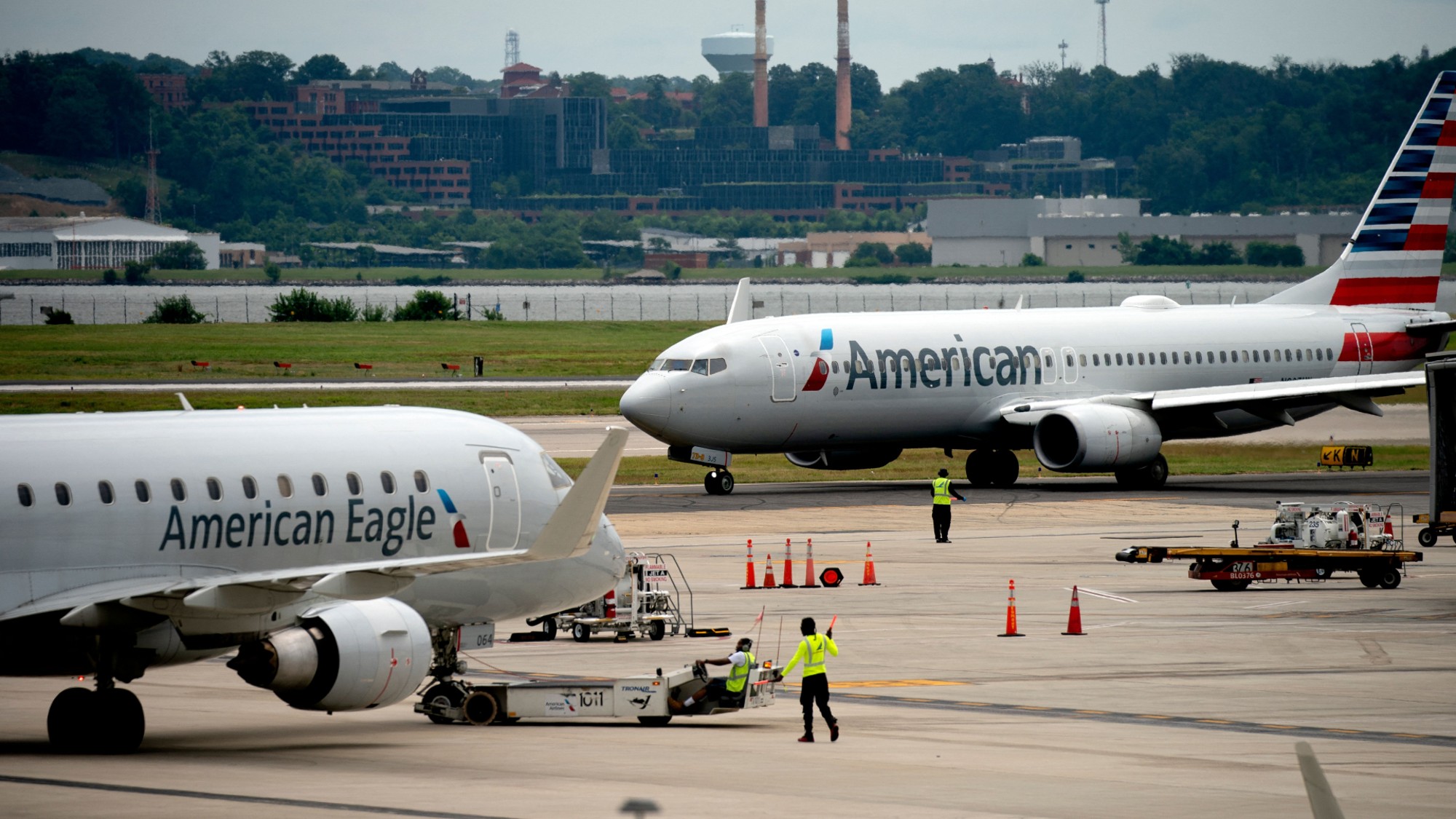
In the fiercely competitive airline industry, safety is not merely an operational metric; it is the bedrock of a brand’s identity, its most critical promise to customers, and the ultimate determinant of public trust and long-term viability. For a legacy carrier like American Airlines, the question “how safe is American Airlines?” delves deep into its corporate identity, reflecting its commitment to excellence, regulatory adherence, and the intricate relationship between operational integrity and brand perception. Understanding American Airlines’ safety profile requires examining its foundational approach to safety, its communication strategies, and how these elements collectively shape its powerful, yet fragile, brand equity.
The Indispensable Link Between Safety and Brand Identity
For any airline, safety isn’t a feature; it’s the core product. Before considering comfort, price, or routes, a passenger must first trust that they will reach their destination securely. This fundamental trust directly translates into brand loyalty, market share, and investor confidence.
Safety as the Ultimate Brand Promise
An airline’s brand promise implicitly guarantees a safe journey. This promise is meticulously built over decades through stringent operational protocols, rigorous training, and an unwavering commitment to maintenance. When an airline like American Airlines articulates its brand, whether through marketing campaigns or customer service interactions, the unspoken covenant of safety underpins every message. A perceived lapse in this area can shatter decades of brand building instantaneously, demonstrating that safety is the most non-negotiable aspect of its corporate identity. It defines the airline’s reputation in a way that no marketing budget ever could.
Building Trust: A Cornerstone of Airline Loyalty
Trust is the currency of any successful brand, and in aviation, it is profoundly linked to safety. Passengers choose American Airlines not just for its extensive network or AAdvantage program, but primarily because they trust the airline to prioritize their well-being. This trust is cultivated through consistent safe operations, transparent communication, and an industry-leading safety record. A strong safety brand means customers are more likely to book flights, recommend the airline to others, and remain loyal even when faced with competitive pressures. Conversely, any erosion of this trust, even from minor incidents, can have disproportionately damaging effects on brand perception and customer retention.
Navigating Reputation in a Crisis-Prone Industry
The aviation industry operates under intense scrutiny, with every incident, no matter how minor, potentially becoming global news. For American Airlines, managing its reputation in this environment means not only preventing incidents but also effectively communicating its safety measures and responses when challenges arise. A swift, transparent, and empathetic response to any safety-related event is crucial for brand resilience. The brand’s ability to demonstrate accountability, implement corrective actions, and reassure the public directly impacts how quickly it can recover from reputational damage and reinforce its commitment to safety.
American Airlines’ Safety Framework: A Brand Perspective
American Airlines, as a major global carrier, operates within a highly regulated and scrutinized environment. Its safety framework is not just a regulatory compliance exercise but a strategic investment in its brand.
Adherence to Industry Standards and Regulatory Oversight
American Airlines operates under the strict regulatory oversight of the Federal Aviation Administration (FAA) in the United States and adheres to international standards set by organizations like the International Civil Aviation Organization (ICAO). This adherence is not just a legal requirement but a brand assurance. The fact that the FAA continuously audits and certifies American Airlines’ operations provides a powerful, third-party endorsement of its safety protocols. Similarly, investigations by the National Transportation Safety Board (NTSB) into any incidents, while challenging, ultimately contribute to industry-wide learning and American Airlines’ ability to demonstrate a commitment to continuous improvement, reinforcing its brand integrity.
Investment in Maintenance and Training: Operational Excellence as Brand Assurance
The physical integrity of its fleet and the proficiency of its personnel are direct reflections of American Airlines’ commitment to safety and, by extension, its brand. The airline invests heavily in state-of-the-art maintenance facilities, employing highly skilled technicians who conduct rigorous inspections and repairs. This proactive approach to maintenance ensures aircraft airworthiness and minimizes the risk of mechanical failures, directly supporting the brand’s promise of reliability.
Equally critical is the comprehensive training regimen for its pilots, flight attendants, and ground crew. American Airlines’ training programs often exceed regulatory minimums, using advanced simulators and real-world scenarios to prepare staff for every conceivable situation. This commitment to human capital development is a key differentiator, signaling to customers that their safety is entrusted to highly competent and prepared professionals. These investments are not merely operational costs; they are brand investments, directly contributing to the perception of a safe and reliable airline.
Data-Driven Safety Management Systems (SMS) and Continuous Improvement
Modern aviation safety is driven by sophisticated Safety Management Systems (SMS). American Airlines employs an SMS that proactively identifies potential hazards, assesses risks, and implements mitigation strategies before incidents occur. This system relies on extensive data collection, analysis, and reporting from all operational departments—from pilots and cabin crew to maintenance and ground operations. The brand benefits from this system by demonstrating a forward-looking, analytical approach to safety. By continuously analyzing performance data, incident reports, and near-misses, American Airlines refines its procedures, enhances training, and upgrades equipment, proving its commitment to perpetual improvement. This dedication to learning and evolving is a potent brand message, assuring stakeholders that the airline is not static but actively striving for the safest possible operations.
Public Perception, Media Scrutiny, and Brand Resilience
An airline’s safety record is constantly under public and media scrutiny, which significantly impacts its brand image. American Airlines must meticulously manage its narrative around safety.

The Impact of Incidents on Brand Equity
Even minor incidents—such as an emergency landing due to a mechanical issue that causes no injuries—can trigger widespread media coverage and social media discussion. While statistically rare, such events can disproportionately affect public perception and erode brand equity. For American Airlines, every incident is a stress test for its brand. The immediate aftermath requires precise communication and visible action to prevent long-term damage. The brand’s equity, built over decades, can be vulnerable to isolated events if not managed with utmost care and transparency.
Communicating Safety: Transparency and Reassurance
Effective safety communication is a critical brand strategy for American Airlines. This involves not only clearly articulating safety protocols and achievements but also being transparent when incidents occur. Releasing factual information promptly, expressing concern for passengers, and outlining steps taken to investigate and prevent recurrence are essential for maintaining trust. The brand must strike a delicate balance: providing enough information without fueling speculation, and reassuring the public without downplaying the seriousness of an event. A consistent, authoritative, and empathetic voice in crisis communication reinforces the brand’s integrity.
Social Media’s Role in Shaping Safety Narratives
In the age of instant information, social media plays a pivotal role in shaping public perception of an airline’s safety. Passenger experiences, both positive and negative, are shared widely and instantly. American Airlines’ brand is constantly influenced by these user-generated narratives. The company must actively monitor social media, engage with feedback, and be prepared to address safety concerns directly and promptly on these platforms. An airline’s brand resilience depends on its ability to navigate this dynamic environment, correct misinformation, and proactively share its commitment to safety through various digital channels.
Benchmarking American Airlines Against Industry Leaders
Understanding American Airlines’ safety within the broader context of the industry involves comparative analysis, as its brand reputation is partly defined relative to its peers.
Comparing Safety Records and Ratings
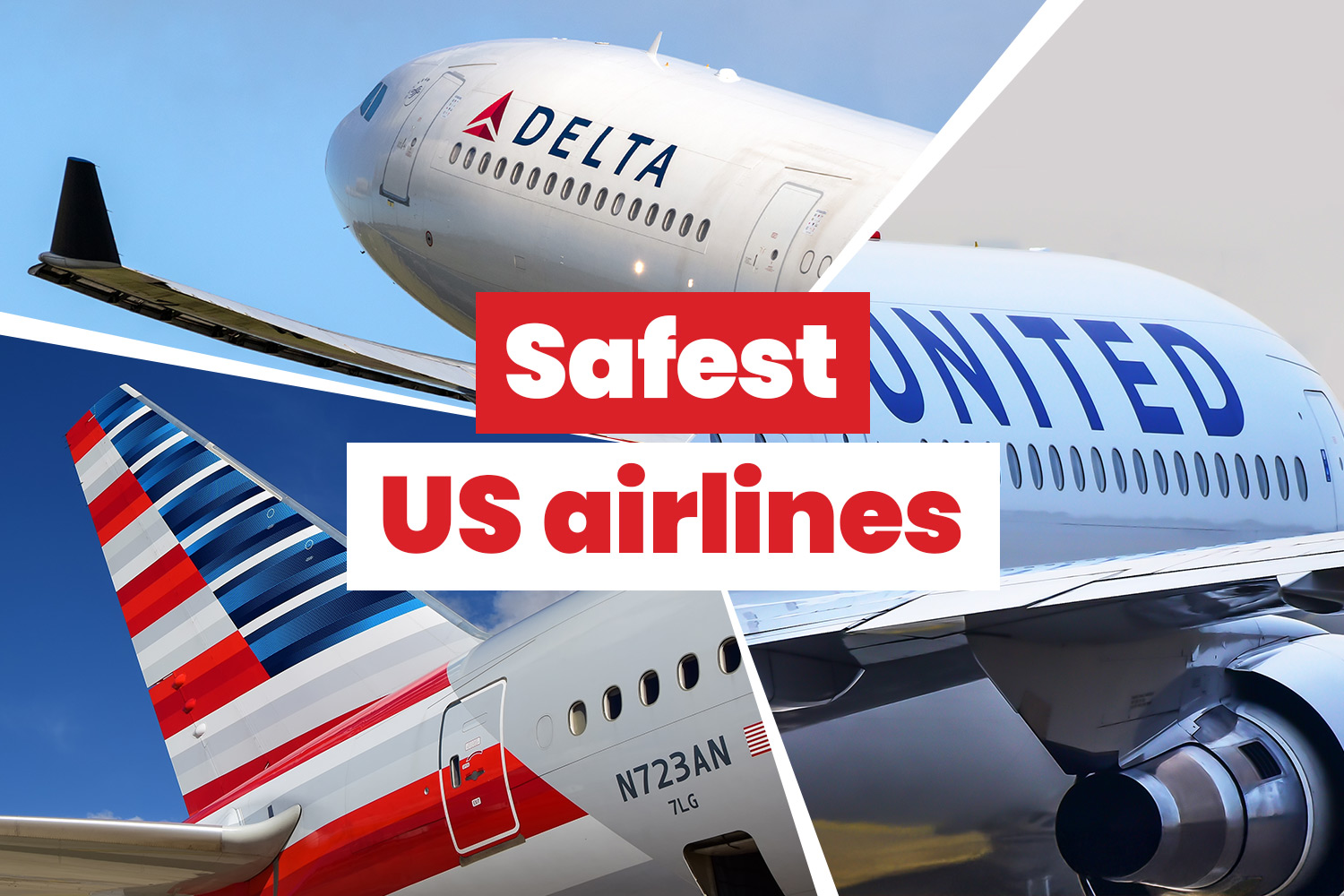
Independent organizations and industry analysts frequently assess airline safety. Websites like AirlineRatings.com provide comprehensive safety ratings based on factors such as government audits, crash records, fleet age, and operational history. American Airlines consistently receives high safety ratings from such bodies, generally achieving top-tier scores. These external validations serve as crucial endorsements for its brand, reinforcing its image as a safe and reliable carrier to a global audience. While no airline is immune to incidents, a consistently strong safety rating helps differentiate American Airlines in a competitive market and provides quantifiable proof points for its brand promise.
The Competitive Advantage of a Strong Safety Brand
In a saturated market, safety provides a unique and powerful competitive advantage. While price and convenience often drive booking decisions, an underlying assurance of safety is non-negotiable. American Airlines leverages its robust safety record as an implicit competitive edge, contributing to passenger choice and investor confidence. A strong safety brand also attracts top talent in aviation, from pilots to engineers, further reinforcing operational excellence. This virtuous cycle strengthens the airline’s overall brand positioning, making it a preferred choice for customers and employees alike.
Future-Proofing the Brand Through Proactive Safety Measures
The aviation industry is constantly evolving, with new technologies and operational challenges emerging. American Airlines future-proofs its brand by proactively investing in cutting-edge safety technologies, participating in industry-wide safety initiatives, and embracing innovations that enhance operational security. This forward-looking approach, from next-generation aircraft to advanced air traffic management systems, demonstrates a commitment to not just maintaining but enhancing its safety standards. By being at the forefront of safety innovation, American Airlines strengthens its brand as a leader, reassuring passengers that it is continuously adapting to and anticipating future safety challenges.
Cultivating a Culture of Safety: The Internal Brand Imperative
The external perception of American Airlines’ safety is fundamentally rooted in its internal culture. A strong safety brand begins within the organization.
Employee Empowerment and Reporting Mechanisms
A true culture of safety empowers every employee, from the cockpit to the hangar floor, to identify and report potential hazards without fear of reprisal. American Airlines fosters such an environment through robust confidential reporting systems and a non-punitive approach to human error, focusing instead on systemic improvements. When employees feel valued and secure in raising concerns, potential issues are addressed before they escalate, directly contributing to operational safety. This internal trust and empowerment are vital components of the brand’s integrity, ensuring that safety is everyone’s responsibility and a continuous organizational priority.
Leadership Commitment to Safety
The tone for an airline’s safety culture is set at the very top. American Airlines’ leadership consistently articulates and demonstrates its unwavering commitment to safety, making it the paramount operational priority above all other business objectives. This commitment is evidenced by resource allocation for safety initiatives, the promotion of safety-minded individuals, and transparent communication regarding safety performance. When leadership visibly champions safety, it permeates every level of the organization, solidifying safety as an inherent brand value and not just a department function.
How Internal Culture Translates to External Brand Trust
Ultimately, the internal culture of safety within American Airlines directly translates into the external trust its brand commands. When employees are highly trained, empowered, and committed to safety, it manifests in meticulous operations, excellent customer service, and a proactive approach to risk management. Passengers perceive this dedication through their interactions with crew members, the reliability of flights, and the overall professional demeanor of the airline. Thus, the brand of American Airlines as a safe and reliable carrier is not merely a marketing message; it is a living embodiment of its deeply ingrained organizational culture.
aViewFromTheCave is a participant in the Amazon Services LLC Associates Program, an affiliate advertising program designed to provide a means for sites to earn advertising fees by advertising and linking to Amazon.com. Amazon, the Amazon logo, AmazonSupply, and the AmazonSupply logo are trademarks of Amazon.com, Inc. or its affiliates. As an Amazon Associate we earn affiliate commissions from qualifying purchases.