
The question of “how old to draw Social Security” is more complex than it first appears, representing a pivotal financial decision for millions of Americans approaching retirement. While the Social Security Administration (SSA) offers a range of ages at which benefits can be claimed, the optimal age is highly individual, influenced by a myriad of personal circumstances, financial goals, and health considerations. This choice can significantly impact a retiree’s lifetime income, the financial security of their spouse, and their overall quality of life in later years.
Navigating the intricacies of Social Security claiming ages requires a thorough understanding of the rules, the financial implications of early versus delayed claiming, and a careful assessment of one’s own situation. This article aims to demystify the options available, illuminate the factors that should guide your decision, and empower you to make an informed choice that maximizes your Social Security benefits and aligns with your broader financial plan.
Understanding Social Security’s Claiming Ages
The Social Security system provides a flexible framework for claiming retirement benefits, offering individuals a window of opportunity that spans several years. Knowing these key ages and what they signify is the foundational step in crafting your claiming strategy.
Early Retirement Age (ERA)
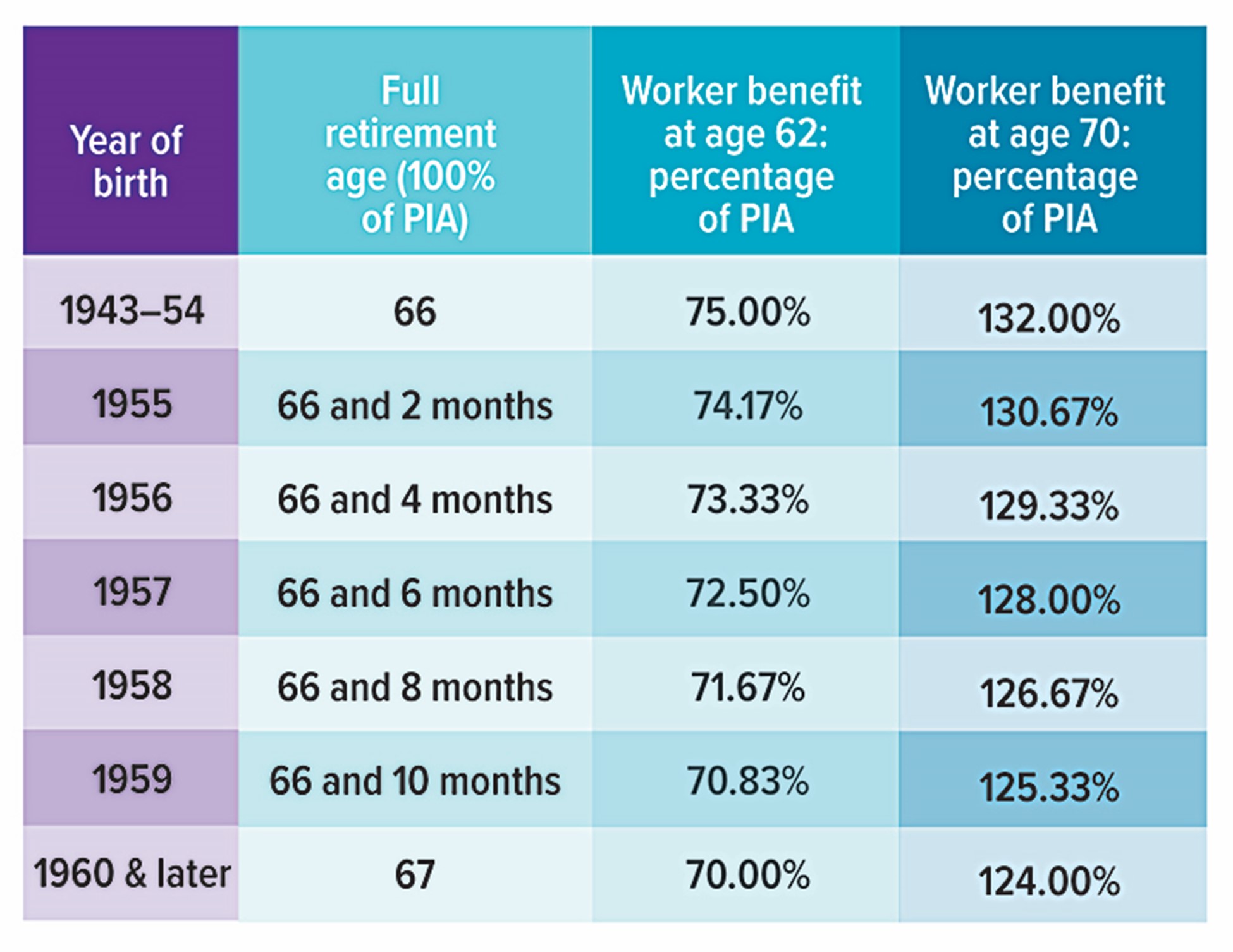
The earliest age at which most individuals can begin receiving Social Security retirement benefits is 62. While tempting for those eager to leave the workforce or in immediate need of income, claiming at 62 comes with a significant and permanent reduction in your monthly benefit amount. This reduction is applied because you will be receiving benefits for a longer duration. The exact percentage of reduction depends on how many months you are claiming before your Full Retirement Age (FRA). For instance, if your FRA is 67, claiming at 62 means you will receive benefits for 60 months (5 years) earlier. This typically translates to a benefit that is approximately 70% of what you would receive at your FRA. This reduction is irreversible, making early claiming a decision with long-term financial consequences that must be carefully weighed against immediate needs.
Full Retirement Age (FRA)
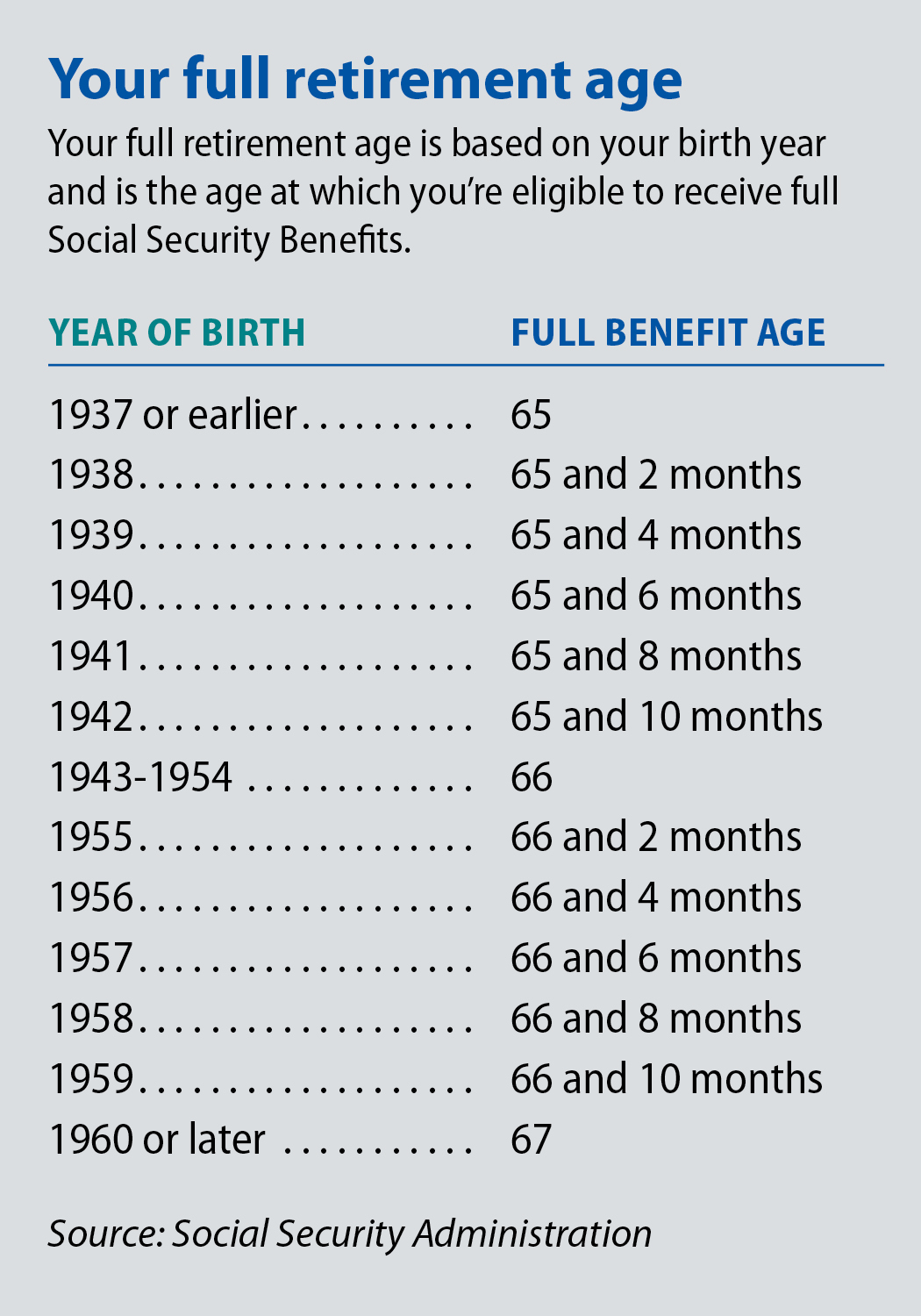
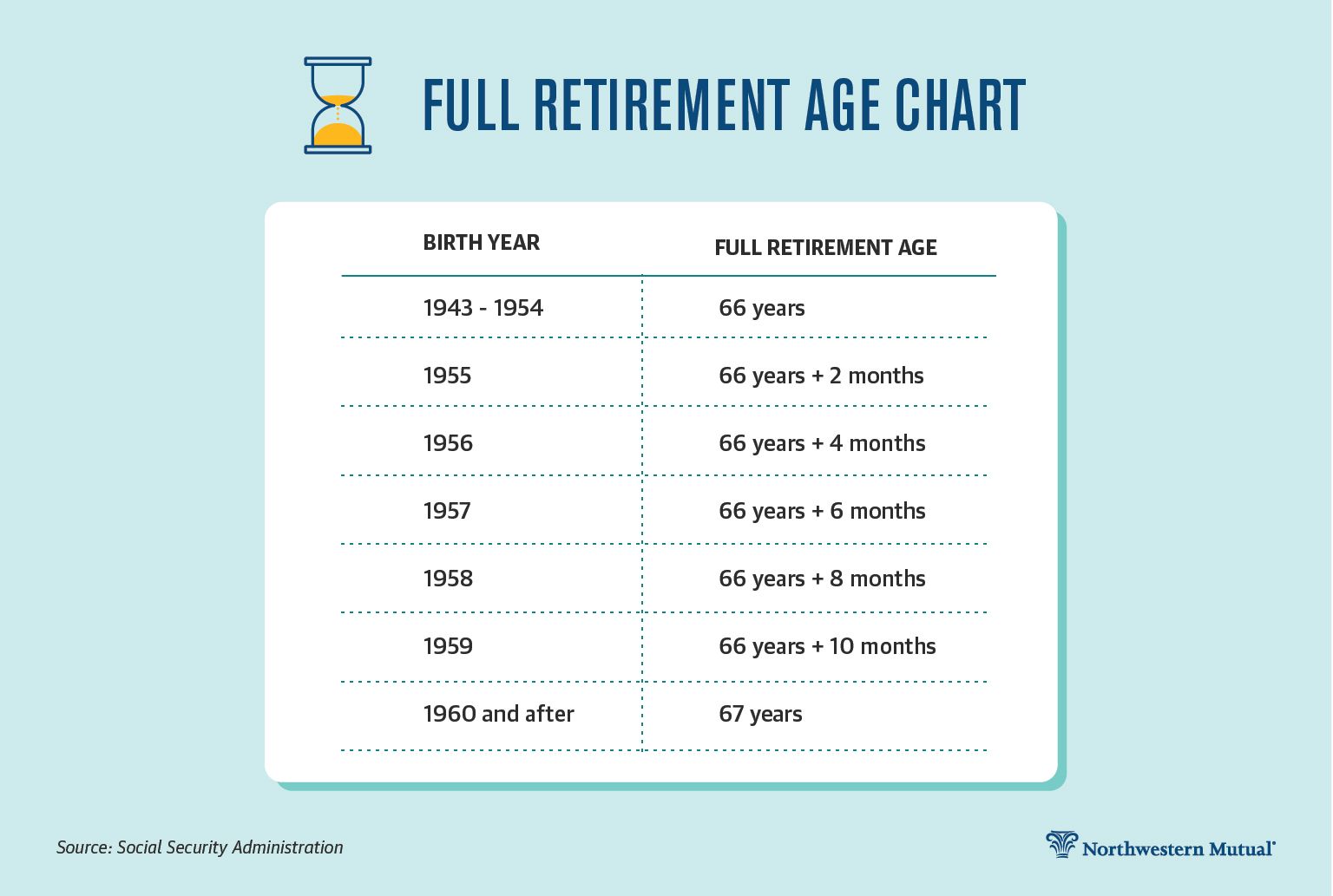
Your Full Retirement Age (FRA) is the age at which you are entitled to receive 100% of your Primary Insurance Amount (PIA), which is the monthly benefit you would receive if you started benefits at your FRA. This age is not universal; it depends on your birth year, reflecting historical adjustments made to the Social Security system to account for increasing life expectancies.
- For those born in 1943 through 1954, FRA is 66.
- For those born in 1955, FRA is 66 and 2 months.
- For those born in 1956, FRA is 66 and 4 months.
- For those born in 1957, FRA is 66 and 6 months.
- For those born in 1958, FRA is 66 and 8 months.
- For those born in 1959, FRA is 66 and 10 months.
- For those born in 1960 or later, FRA is 67.
Understanding your specific FRA is critical because it serves as the baseline for calculating both reduced early benefits and increased delayed benefits. Reaching your FRA is a milestone where your benefits are paid in full, without any early claiming penalty.
Delayed Retirement Credits (DRCs)
Beyond your Full Retirement Age, the Social Security system offers a powerful incentive to delay claiming: Delayed Retirement Credits (DRCs). For each year you defer claiming benefits past your FRA, up to age 70, your monthly benefit amount increases. These credits accrue at a rate of 8% per year (for those born in 1943 or later). This means that by waiting until age 70, you can increase your monthly benefit by approximately 24% to 32% over your FRA amount, depending on your birth year.
For example, if your FRA is 67, and you delay claiming until age 70, you will earn an additional 24% (3 years x 8% per year) on top of your full retirement benefit. This increase is also permanent and can provide a substantial boost to your fixed income throughout retirement, offering a form of longevity insurance against outliving your other savings. The growth stops at age 70, so there is no financial advantage to delaying past that point.
Factors Influencing Your Claiming Decision
Choosing when to claim Social Security is rarely a straightforward decision, as it involves balancing immediate financial needs against long-term security. Several personal and financial factors must be carefully considered to arrive at an optimal strategy.
Health and Life Expectancy
Perhaps one of the most significant, yet often overlooked, factors is your personal health and projected life expectancy. If you anticipate a shorter-than-average lifespan due to current health conditions or family medical history, claiming benefits earlier, even with a reduction, might result in a higher total amount of benefits received over your lifetime. Conversely, if you are in excellent health and have a family history of longevity, delaying benefits until age 70 could significantly enhance your total lifetime income, offering a powerful hedge against the risk of outliving your other retirement savings. This is a personal calculation, often difficult to make, but crucial for maximizing overall financial returns from Socialurity.
Current Income Needs and Other Retirement Savings
Your immediate financial situation and the adequacy of your other retirement savings (e.g., 401(k)s, IRAs, pensions, personal investments) play a critical role. If you have substantial other income sources or sufficient savings to comfortably cover your expenses without Social Security, delaying your claim allows your benefits to grow, providing a larger income stream later. However, if you face immediate financial pressures, have limited other savings, or have experienced an unexpected job loss, claiming benefits earlier might be necessary to meet essential living costs. For many, Social Security forms the bedrock of their retirement income, making its timing decision intricately linked to cash flow management.
Spousal and Survivor Benefits
The decision to claim Social Security benefits extends beyond the individual, especially for married couples. Spousal benefits allow a spouse to claim up to 50% of the other spouse’s Full Retirement Age benefit, provided their own benefit is less. If one spouse delays claiming, their higher benefit at age 70 not only increases their own retirement income but also potentially increases the survivor benefit for their spouse should they pass away first. The surviving spouse will generally receive 100% of the deceased spouse’s benefit (or their own, whichever is higher). Strategic coordination between spouses can maximize the total household benefits over both lifetimes, serving as crucial protection for the surviving partner. Consulting with a financial advisor on “claiming strategies” for married couples is highly recommended to explore options like “restricted application” (for those born before January 2, 1954, allowing them to claim spousal benefits while letting their own benefit grow).
Continued Employment and Earnings Limit
If you claim Social Security benefits before your Full Retirement Age and continue to work, your benefits may be reduced if your earnings exceed an annual limit. The SSA has an “earnings test” that temporarily withholds a portion of your benefits. In the year you reach FRA, the limit is higher, and the SSA only withholds benefits for months prior to your FRA. Once you reach your FRA, the earnings limit no longer applies, and you can earn as much as you want without your Social Security benefits being reduced. Any benefits withheld due to the earnings limit are not lost; they lead to a recalculation of your benefits at your FRA, typically resulting in a slightly higher monthly payment for the remainder of your life. Nonetheless, this rule is a vital consideration for those contemplating early retirement while still working part-time.
Taxation of Benefits
It’s also important to remember that Social Security benefits can be subject to federal income tax, and in some states, to state income tax. If your “combined income” (adjusted gross income + non-taxable interest + one-half of your Social Security benefits) exceeds certain thresholds, a portion of your Social Security benefits (up to 85%) may become taxable. Understanding these thresholds and how your claiming strategy might affect your overall tax liability is another layer of financial planning that should not be overlooked.
Strategic Considerations for Maximizing Benefits
Optimizing your Social Security claiming strategy involves more than just picking an age; it requires a thoughtful analysis of various financial principles and projections.
The Break-Even Analysis
A common tool for evaluating early versus delayed claiming is the “break-even analysis.” This calculation estimates the point in time (age) at which the cumulative total benefits received from claiming earlier would equal the cumulative total benefits from claiming later (with higher monthly payments). For example, if you start at 62 with reduced benefits, you get more money sooner. If you wait until 70, you get less money initially but more per month. The break-even age is when the total amount received from waiting catches up to and surpasses the total received from starting early. If you live beyond this break-even age, delaying typically results in greater lifetime benefits. While not an exact science due to uncertain life expectancy, it provides a valuable framework for understanding the financial trade-offs.
Coordination with a Spouse
For married couples, Social Security benefits are not just individual streams of income but a collective household resource. A coordinated strategy can significantly enhance the total amount received over both lifetimes. For instance, one common strategy involves the higher-earning spouse delaying benefits until age 70 to maximize their payment (which also maximizes the potential survivor benefit for the lower-earning spouse), while the lower-earning spouse claims their benefits earlier or claims spousal benefits (if eligible) to provide immediate income. This ensures that a robust income stream continues for the surviving spouse, often the woman who statistically lives longer. Divorced individuals, under certain conditions, may also be able to claim benefits on an ex-spouse’s record without affecting the ex-spouse’s own benefits.
Longevity Risk Mitigation
One of the most significant financial risks in retirement is “longevity risk”—the possibility of outliving your savings. Social Security, particularly when claimed at an older age, acts as a powerful annuity that provides guaranteed, inflation-adjusted income for the remainder of your life, no matter how long you live. By delaying your claim, you effectively purchase a larger lifetime income stream, which serves as an excellent hedge against the uncertainties of a long retirement. This “longevity insurance” aspect of Social Security makes delaying a compelling strategy for those concerned about running out of money in their later years.
Consulting a Financial Advisor
Given the complexity and the significant financial implications, making this decision in isolation can be daunting. A qualified financial advisor specializing in retirement planning can provide invaluable assistance. They can conduct personalized analyses, including projected life expectancies, break-even calculations, tax implications, and optimal spousal claiming strategies. They can integrate your Social Security decision into your broader financial plan, considering your investments, pensions, healthcare costs, and estate planning goals, ensuring a holistic approach to your retirement security.
The Application Process and What to Expect
Once you’ve decided on your optimal claiming age, the next step is to navigate the application process itself. The Social Security Administration has made this process increasingly accessible, but knowing what to expect can streamline your experience.
When and How to Apply
It is generally recommended to apply for Social Security benefits approximately three months before the month you want your benefits to start. This lead time allows the SSA to process your application and resolve any potential issues without delaying your first payment.
There are three primary ways to apply:
- Online: For many, applying online at the official SSA website (www.ssa.gov) is the quickest and most convenient method. You must be at least 61 years and 9 months old to apply for retirement benefits online.
- By Phone: You can call the SSA’s toll-free number to apply or to set up an appointment.
- In Person: You can visit your local Social Security office. It’s often wise to call ahead to make an appointment to avoid long wait times.
Required Documentation
Regardless of how you apply, you will typically need several key documents to verify your identity, age, and earnings history. While the SSA can often verify much of this electronically, having the documents ready can expedite the process. Common required documents include:
- Your Social Security card.
- Your birth certificate or other proof of birth.
- Proof of U.S. citizenship or lawful alien status if you were not born in the U.S.
- A copy of your W-2 forms and/or self-employment tax returns for the previous year.
- Your bank account routing number and account number for direct deposit of benefits.
- Marriage certificate (if applying for spousal benefits).
- Divorce decree (if applying as a divorced spouse).
The SSA website provides a comprehensive checklist of all necessary documents, which can vary slightly depending on your specific situation.
Understanding Your Benefit Statement
The SSA regularly sends out Social Security Statements to workers, which are also accessible online through your “my Social Security” account. This statement is a crucial financial planning tool, as it provides:
- An estimate of your retirement benefits at age 62, your Full Retirement Age, and age 70.
- Estimates for disability and survivor benefits.
- A detailed record of your earnings history, showing the income you’ve reported to the SSA over your working life. It’s essential to review this history for accuracy, as any errors could impact your future benefits.
- Information about Medicare and other important Social Security facts.
Understanding this statement is fundamental to projecting your future income and making informed decisions about when to claim benefits. It serves as your personalized guide to the potential financial security Social Security can offer.
Conclusion
The decision of “how old to draw Social Security” is one of the most impactful financial choices you will make in retirement. There is no universally “right” answer; rather, there is an optimal strategy tailored to your unique circumstances. Whether you choose to claim early at 62, at your Full Retirement Age, or delay until 70, each path carries distinct financial consequences for your lifetime benefits, your spouse’s security, and your overall retirement plan.
By thoroughly understanding the different claiming ages, meticulously evaluating your health, financial needs, and spousal considerations, and potentially leveraging professional financial advice, you can transform a complex decision into a clear, confident strategy. Social Security is a foundational pillar of retirement income for most Americans, and a well-thought-out claiming strategy can significantly enhance your financial well-being and peace of mind throughout your golden years.
aViewFromTheCave is a participant in the Amazon Services LLC Associates Program, an affiliate advertising program designed to provide a means for sites to earn advertising fees by advertising and linking to Amazon.com. Amazon, the Amazon logo, AmazonSupply, and the AmazonSupply logo are trademarks of Amazon.com, Inc. or its affiliates. As an Amazon Associate we earn affiliate commissions from qualifying purchases.