
Wells Fargo, a name synonymous with American banking and financial services, boasts a history as rich and expansive as the nation itself. To ask “how old is Wells Fargo” is not merely to seek a founding date; it is to embark on a journey through the evolution of finance, economic development, and societal change in the United States. Established in the crucible of the California Gold Rush, Wells Fargo’s longevity makes it one of the oldest and most enduring financial institutions in the country, deeply intertwined with the fabric of American commerce and personal wealth for nearly two centuries. Its age reflects not just survival, but an ongoing transformation, adapting its financial services to meet the ever-changing needs of individuals, businesses, and the broader economy.
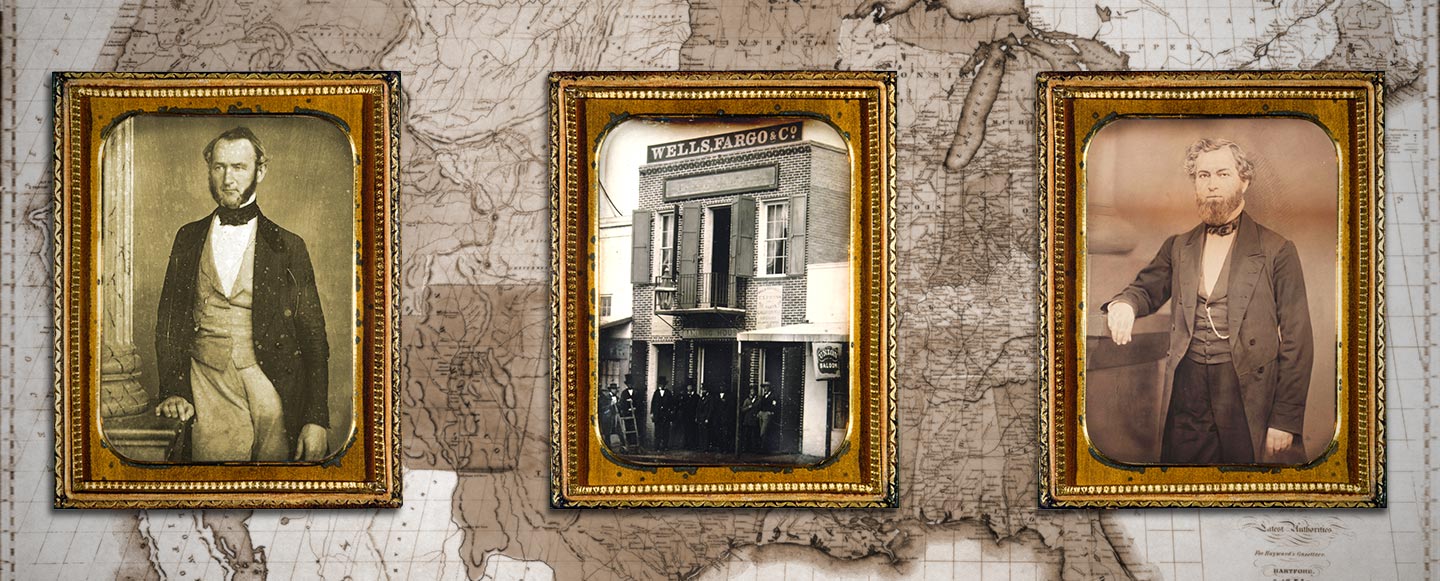
The Genesis of an American Financial Icon: Forged in Gold and Ambition
The story of Wells Fargo begins in a period of intense economic fervor and westward expansion. Its foundation was a direct response to the burgeoning financial needs of a rapidly developing frontier, setting the stage for its deep roots in American finance.
The Vision of Henry Wells and William Fargo
On March 18, 1852, two visionary entrepreneurs, Henry Wells and William G. Fargo, chartered Wells, Fargo & Company in New York City. Already prominent figures in the express and banking industry through their involvement with American Express, they recognized an untapped opportunity in California. The Gold Rush had transformed the remote territory into a magnet for prospectors and settlers, but it lacked the sophisticated infrastructure necessary for secure financial transactions and reliable communication. Gold dust needed to be transported and converted into specie, and people needed a safe way to send money, valuables, and messages across vast distances. Wells and Fargo envisioned a company that could bridge these gaps, offering integrated express and banking services. This dual mandate — safe transport and secure finance — would define the company’s early identity and lay the groundwork for its enduring financial presence.
Early Banking and Express Services in a Frontier Economy
Wells Fargo’s initial operations were groundbreaking for their time. They provided essential financial services to a population often operating outside traditional banking systems. Their offices, initially in San Francisco and quickly expanding to other Gold Rush towns, became hubs of economic activity. Prospectors could deposit their gold dust for safekeeping, receive loans, purchase drafts, and transfer funds. The company’s express service was equally vital, transporting gold, mail, and other valuable goods with a level of security and speed previously unknown in the West. The iconic Wells Fargo stagecoach became a symbol of reliability and progress, carrying not just passengers and parcels, but also the very lifeblood of the frontier economy. By consolidating financial transactions and secure transport, Wells Fargo played a pivotal role in monetizing the wealth generated by the Gold Rush and integrating the Western economy into the broader national financial system. This early integration of diverse financial services, driven by economic necessity, established a precedent for the comprehensive banking models that would define the institution’s future.
Navigating Eras of Economic Transformation: Growth, Mergers, and Resilience
Wells Fargo’s journey from a frontier enterprise to a national financial powerhouse is a testament to its adaptability and strategic vision, navigating through periods of intense economic change, crises, and expansion.
Expansion Through Strategic Acquisition and Diversification
Throughout the late 19th and early 20th centuries, Wells Fargo meticulously expanded its financial footprint, often through strategic acquisitions that broadened its service offerings and geographic reach. While its express business was nationalized during World War I to form the core of the U.S. Postal Service, Wells Fargo pivoted, deepening its commitment to banking. It acquired numerous smaller banks and trust companies, particularly within California, strengthening its deposit base and lending capabilities. This period saw the company evolve from primarily a gold and express transporter to a full-service commercial bank, offering mortgages, personal loans, and wealth management services to a growing middle class and expanding industries. Each acquisition was a carefully calculated move, not just to increase assets, but to absorb local expertise and client bases, ensuring its financial services remained relevant and accessible to diverse communities across an expanding financial landscape. This proactive diversification allowed Wells Fargo to transition seamlessly from a frontier service provider to a modern financial institution capable of serving a broad spectrum of monetary needs.
Surviving Economic Turmoil and Adapting to Regulatory Changes
Wells Fargo’s long history has included weathering some of the most profound economic upheavals in American history. From the Panics of the late 19th century to the Great Depression of the 1930s, the company demonstrated remarkable resilience. During the Great Depression, while many banks failed, Wells Fargo’s conservative lending practices and strong capital reserves allowed it to remain solvent, even expanding its operations in some areas. This period solidified its reputation for stability and reliability, crucial attributes in the often-volatile world of finance. Subsequent decades brought new challenges, including increased government regulation in the wake of the Depression and later, the Savings & Loan crisis. Wells Fargo continuously adapted to evolving regulatory frameworks, from the Glass-Steagall Act to the Dodd-Frank Act, ensuring compliance while innovating its financial products and services. Its ability to navigate these turbulent waters underscores a deep understanding of financial risk and a commitment to prudent management, reinforcing its position as a cornerstone of the American financial system.

From Gold Rush to Global Bank: Evolution of Financial Services
The trajectory of Wells Fargo illustrates the dynamic transformation of banking itself, moving from simple frontier transactions to a complex, digitally driven global operation.
Diversifying Financial Offerings for a Modern Economy
As the American economy matured and diversified, so too did Wells Fargo’s financial offerings. Beyond basic deposits and loans, the bank expanded into a wide array of specialized services designed to meet the sophisticated needs of businesses and consumers alike. This included significant ventures into investment banking, corporate finance, and international banking. For businesses, Wells Fargo provided commercial real estate financing, treasury management solutions, and capital markets advisory, becoming a vital partner in their growth and global expansion. For individuals, the bank introduced comprehensive wealth management, retirement planning, and a diverse portfolio of consumer lending products, from auto loans to credit cards. This diversification was not just about expanding services; it was about tailoring financial solutions to increasingly complex economic realities, recognizing that the “money” needs of a gold prospector were vastly different from those of a multinational corporation or a suburban family. This strategic broadening of its financial toolkit cemented its role as a universal bank, capable of addressing nearly any financial challenge or opportunity.
Embracing Digital Innovation and Impact on Personal and Business Finance
The latter half of the 20th century and the dawn of the 21st century brought the digital revolution, fundamentally reshaping how financial services are delivered. Wells Fargo was an early adopter, recognizing that technology would be key to maintaining its competitive edge and serving its customers more efficiently. The introduction of ATMs, online banking, and mobile apps transformed personal finance, giving individuals unprecedented control over their money management. Customers could check balances, pay bills, transfer funds, and apply for loans from anywhere, at any time. For businesses, digital platforms offered sophisticated cash management tools, electronic payments, and real-time financial reporting, streamlining operations and improving financial oversight. The shift from physical branches to digital channels has been profound, making banking more accessible and immediate. While the convenience is undeniable, it also presented new challenges in digital security and data privacy, areas where Wells Fargo has continually invested to protect its customers’ financial assets and information. This embrace of digital innovation has ensured that Wells Fargo remains at the forefront of modern financial services, adapting its venerable structure to the demands of a hyper-connected world.
Legacy, Resilience, and Modern Financial Stewardship
Wells Fargo’s age is not merely a number; it represents a profound legacy of financial resilience, a testament to its enduring role in the American economy, and an ongoing commitment to modern financial stewardship.
Addressing Historical Challenges and Reaffirming Financial Trust
No institution with such a long and expansive history is without its challenges. Wells Fargo has faced its share of controversies, particularly in recent decades, notably the fake accounts scandal that emerged in 2016. These events tested the trust that customers and the public placed in the institution, prompting significant introspection and extensive reforms. The bank undertook a massive overhaul of its corporate culture, sales practices, and governance structures, demonstrating a commitment to rebuilding trust and adhering to the highest ethical standards. For a financial institution, trust is its most valuable asset, and the process of reaffirming that trust is crucial for its continued viability and legacy. Addressing these challenges transparently and implementing robust internal controls is an ongoing aspect of its modern financial stewardship, ensuring that its historical longevity is underpinned by ethical conduct and customer-centric practices. This commitment to rectification is vital for maintaining its standing as a responsible steward of its clients’ money.
The Enduring Role in Personal and Business Finance
Today, Wells Fargo remains a critical player in both personal and business finance across the United States. With millions of individual customers, small businesses, and large corporations relying on its services, its impact on the daily financial lives of Americans is immense. For individuals, it provides everything from checking and savings accounts to mortgages, credit cards, and investment advice, serving as a primary financial partner throughout various life stages. For businesses, it offers essential banking, lending, and advisory services that power economic growth, job creation, and market expansion. The bank’s extensive branch network, combined with its robust digital platforms, ensures broad accessibility to financial resources. Its continued engagement in community development, philanthropic initiatives, and sustainable finance also highlights its broader role beyond transactional banking, reinforcing its position as an institution deeply embedded in the economic and social fabric of the communities it serves.

The Future of a Venerable Institution in a Dynamic Financial Landscape
Looking ahead, Wells Fargo, despite its considerable age, is not an institution mired in the past. It continues to evolve within a rapidly changing financial landscape characterized by fintech disruption, evolving customer expectations, and increasing global interconnectedness. The challenge for Wells Fargo, like all venerable financial institutions, is to leverage its immense capital, extensive customer base, and deep institutional knowledge to innovate effectively. This includes further investment in artificial intelligence, blockchain technologies, and data analytics to enhance customer experience, improve efficiency, and bolster security. Its age provides a foundation of trust and experience, but its future hinges on its ability to embrace disruption, adapt to new regulatory demands, and continue to prioritize the financial well-being of its diverse clientele. As Wells Fargo approaches its third century, its story remains one of continuous adaptation, a powerful testament to the enduring significance of sound financial stewardship in the American economic narrative. Its journey, from humble Gold Rush beginnings to a modern financial titan, exemplifies the resilience and transformative power of American enterprise.
aViewFromTheCave is a participant in the Amazon Services LLC Associates Program, an affiliate advertising program designed to provide a means for sites to earn advertising fees by advertising and linking to Amazon.com. Amazon, the Amazon logo, AmazonSupply, and the AmazonSupply logo are trademarks of Amazon.com, Inc. or its affiliates. As an Amazon Associate we earn affiliate commissions from qualifying purchases.