
In the rapidly evolving landscape of personal finance, Buy Now, Pay Later (BNPL) services like Klarna have emerged as significant players, offering consumers flexible payment options for everything from fashion to electronics. The appeal is undeniable: immediate gratification without immediate full payment. However, for those considering dipping their toes into this modern financial tool, a fundamental question often arises: “How old do you have to be to use Klarna?” This seemingly simple query unlocks a deeper discussion about financial responsibility, eligibility criteria, and the broader implications of credit and debt in an increasingly digital world. Understanding Klarna’s age requirements, alongside its other conditions, is crucial for anyone looking to engage responsibly with this service.
Understanding Klarna’s Core Offering and Eligibility
At its heart, Klarna is a financial technology company that provides payment services to consumers and retailers. It allows shoppers to break down their purchases into multiple, interest-free installments or defer payment entirely, offering a convenient alternative to traditional credit cards or upfront cash payments. But like any financial product, access to Klarna is governed by specific rules, primarily centered on a user’s age and financial standing.
What is Klarna and How Does It Work?
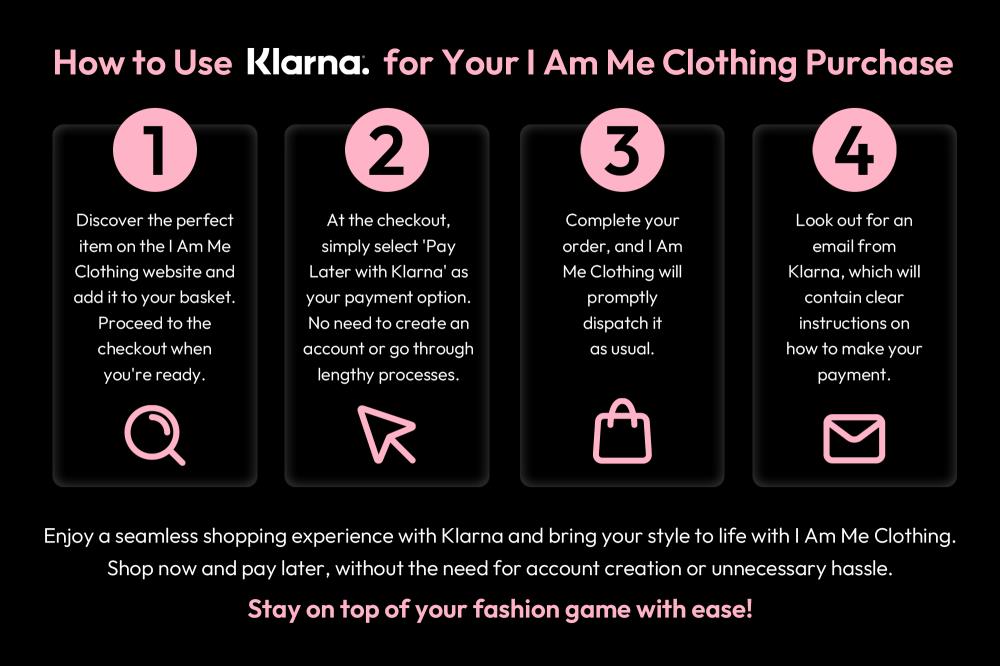
Klarna operates as an intermediary between consumers and merchants. When you select Klarna at checkout, you’re presented with several payment options, such as “Pay in 4” (four interest-free installments, typically every two weeks), “Pay in 30 days” (deferring the full payment for a month), or longer-term financing options for larger purchases, which may include interest. The service thrives on convenience, integrating seamlessly into online shopping experiences and even offering an in-app shopping browser. For merchants, Klarna boosts sales by removing upfront payment barriers, while for consumers, it provides budget flexibility. Crucially, Klarna takes on the credit risk, paying the merchant upfront and then collecting from the consumer.
The Fundamental Age Requirement for Klarna
The straightforward answer to the question “How old do you have to be to use Klarna?” is 18 years old. This age restriction is standard across most financial services globally, including credit cards, loans, and even many bank accounts that offer overdraft facilities. The rationale behind this minimum age is rooted in legal and financial principles that dictate when an individual is considered mature enough to enter into binding financial contracts. In most jurisdictions, 18 is the age of legal majority, signifying that an individual is legally capable of making independent decisions, including incurring debt and assuming financial obligations. Klarna, like any responsible financial institution, adheres strictly to this legal threshold to ensure users understand the commitments they are making.
Why Age Restrictions Matter in Financial Services
Age restrictions in finance are not arbitrary. They are a critical safeguard designed to protect both the consumer and the financial institution. For consumers, particularly young adults, these restrictions prevent individuals from taking on financial commitments they may not fully understand or be prepared to manage. Before reaching 18, individuals generally lack a track record of independent income, credit history, or comprehensive financial literacy.
From a lender’s perspective (and Klarna, in essence, acts as a short-term lender), lending to minors presents significant legal and risk management challenges. Contracts signed by minors are often voidable, meaning the minor can choose to cancel them, which exposes the lender to undue risk. Therefore, the 18-year-old threshold provides a clear legal framework within which financial transactions can be conducted with confidence in their enforceability and the borrower’s capacity for responsibility. It underscores the profound link between legal maturity and financial accountability.
Beyond Age: Other Eligibility Criteria for Klarna
While being at least 18 years old is a non-negotiable prerequisite for using Klarna, it is far from the only requirement. Klarna, like any financial service assessing creditworthiness, employs a range of other criteria to determine eligibility for its various payment options. These additional stipulations are designed to ensure that users have the financial capacity to meet their repayment obligations and to mitigate risk for both Klarna and its merchant partners.
Residency and Bank Account Requirements
To use Klarna, you must be a legal resident of one of the countries where Klarna operates. This typically means having a valid billing address in that country. Furthermore, a crucial financial requirement is having a valid, verifiable bank account in your name. This bank account serves two primary purposes: it’s where Klarna will draw repayments from, and it helps verify your identity and financial presence within the system. Without a legitimate bank account, Klarna cannot facilitate payments or ensure repayment, making it an indispensable part of the eligibility matrix. Prepaid cards or virtual accounts without a clear link to a traditional bank may not always be accepted.
Credit Checks and Their Role
Contrary to some misconceptions, Klarna does conduct credit checks, though the nature and impact of these checks can vary depending on the payment option chosen. For its “Pay in 4” and “Pay in 30 days” options, Klarna typically performs a “soft credit check.” A soft credit check allows Klarna to assess your creditworthiness without leaving a visible mark on your credit report that could impact your credit score. This check helps Klarna determine if you’re likely to repay and manage your finances responsibly. For longer-term financing options, which are essentially personal loans, Klarna may perform a “hard credit check.” A hard credit check is more thorough, appears on your credit report, and can temporarily lower your credit score by a few points, similar to applying for a credit card or traditional loan. These checks are fundamental to any lending decision, providing insights into your financial history, existing debt, and payment behavior.
Financial Standing and Repayment Capacity
Beyond your credit score, Klarna also assesses your broader financial standing and, critically, your ability to repay. This involves evaluating factors such as your income, employment status, and existing debt load. While Klarna doesn’t typically require users to submit detailed income statements for smaller BNPL transactions, its algorithms use data points from soft credit checks and transactional history to estimate your capacity. If you have a history of missed payments with other creditors, or if Klarna’s assessment indicates you might struggle to repay, your application for a specific purchase might be denied. This demonstrates Klarna’s commitment to responsible lending, aiming to prevent users from falling into unmanageable debt, which ultimately benefits both parties.
Identity Verification Protocols (KYC – Know Your Customer)
To combat fraud and comply with anti-money laundering (AML) regulations, Klarna implements robust Know Your Customer (KYC) protocols. This means you will need to provide accurate personal information, which may include your full name, date of birth, address, and sometimes a government-issued ID. Klarna verifies this information against various databases. Ensuring that the person using the service is indeed who they claim to be is paramount for financial security and regulatory compliance. Any discrepancies or inability to verify identity will lead to a rejection of service.
The Financial Implications of Using Buy Now, Pay Later (BNPL)
The allure of BNPL services like Klarna is their convenience and perceived affordability. However, from a personal finance perspective, it’s essential to look beyond the immediate benefit and understand the full financial implications. While Klarna offers interest-free options, it’s not a free pass. It represents a form of credit, and like all credit, it comes with responsibilities and potential risks.
Convenience vs. Responsibility: Weighing the Pros and Cons
The primary “pro” of Klarna is its unmatched convenience. It allows consumers to acquire desired goods immediately, even if they don’t have the full cash amount upfront, and manage their budget by spreading costs. This can be particularly useful for essential purchases or managing unexpected expenses. However, this convenience carries the inherent “con” of making it easier to overspend. The psychological effect of not paying the full amount upfront can lead to a less disciplined approach to budgeting, blurring the lines between wants and needs. Responsible use requires a strong understanding of one’s budget and the discipline to stick to it, regardless of payment flexibility.

Potential Pitfalls: Debt Accumulation and Late Fees
The most significant financial pitfall of BNPL services is the risk of debt accumulation. While individual Klarna plans are often small, it’s easy to accumulate multiple plans across different purchases, leading to a complex web of repayments that can quickly become overwhelming. Each missed payment with Klarna incurs late fees, which, although often capped, can add up. Repeatedly missing payments can also lead to suspension of your Klarna account. More critically, defaulting on BNPL payments can severely damage your credit score, making it harder to obtain other forms of credit (like mortgages or car loans) in the future. It’s imperative to view each Klarna purchase as a firm financial commitment, not just a flexible option.
Impact on Credit Score: Both Positive and Negative Aspects
The relationship between Klarna and your credit score is nuanced. On the positive side, if Klarna reports your on-time payments to credit bureaus (which they increasingly do, especially for longer-term financing), consistently meeting your obligations can help build a positive credit history. This is particularly valuable for young adults looking to establish their creditworthiness. However, the negative impacts are more pronounced and often overlooked. Missed payments, defaults, or accounts sent to collections will almost certainly be reported to credit bureaus and can significantly harm your credit score. Furthermore, while soft credit checks for smaller plans don’t affect your score, hard credit checks for larger financing options do. The cumulative effect of numerous BNPL applications, even if they are soft checks, could potentially be viewed negatively by some traditional lenders as an indicator of financial distress or over-reliance on short-term credit.
Budgeting and Financial Planning with BNPL
Effective budgeting is non-negotiable when using BNPL services. Before making a purchase with Klarna, ask yourself: “Can I genuinely afford this if I had to pay for it all upfront?” If the answer is no, reconsider the purchase. Incorporate Klarna payments into your monthly budget just like any other bill. Set reminders for payment due dates. Avoid taking on new Klarna plans if you already have several active ones that are stretching your budget. For larger purchases, creating a dedicated savings plan beforehand is often a financially healthier approach than relying on BNPL as a default. Klarna should be a tool for managing liquidity, not a crutch for living beyond your means.
Responsible Use of Klarna for Young Adults
For individuals aged 18 and over, Klarna can be a useful financial tool, but its utility is maximized when approached with a strong foundation in personal finance. Young adults, in particular, stand to gain or lose significantly based on how they choose to utilize such services. Developing sound financial habits early on is paramount.
Building a Strong Financial Foundation
The best approach to using any financial tool, including Klarna, begins with a robust understanding of personal finance fundamentals. This includes creating a realistic budget, tracking income and expenses, building an emergency fund, and understanding the concept of saving versus spending. For young adults, exploring how credit works—the good and the bad—is vital. Klarna can be a gentle introduction to credit, but it must be treated with the same seriousness as a credit card or a loan. Use it as an opportunity to demonstrate reliability and build a positive payment history, rather than as a means to circumvent saving.
Setting Spending Limits and Avoiding Over-Indebtedness
A common pitfall with BNPL is the ease with which multiple purchases can accumulate, leading to over-indebtedness. Before even considering Klarna, set personal spending limits that align with your income and existing financial commitments. If you decide to use Klarna, only open one or two payment plans at a time, especially when starting out. Actively track all your Klarna purchases and their due dates. Regularly review your financial statements to ensure you’re not extending yourself beyond your capacity to repay. Remember, just because you can pay in installments doesn’t mean you should make the purchase if it strains your overall budget.
Monitoring Your Financial Health
Regularly monitoring your financial health is crucial when engaging with BNPL services. This means checking your bank account balances frequently, reviewing Klarna statements, and keeping an eye on your credit report (which you are entitled to access for free annually). Understanding your credit score and the factors that influence it is an empowering step toward long-term financial well-being. If you notice a pattern of struggling to make Klarna payments, it’s a clear signal to re-evaluate your spending habits and potentially seek financial advice. Proactive monitoring can help you catch potential issues before they escalate into serious financial problems.
Alternatives for Underage Individuals
For individuals under 18 who are keen to develop financial independence, there are responsible alternatives that do not involve credit. The most fundamental is saving up money for desired items. This teaches patience, budgeting, and the value of delayed gratification. Debit cards linked to parental accounts or youth bank accounts can provide experience with digital transactions without incurring debt. For significant purchases, involving parents or guardians in the decision-making process can also offer valuable financial guidance and oversight, helping minors understand the costs and responsibilities associated with larger expenditures.
Regulatory Landscape and Consumer Protection
The rapid growth of BNPL services has attracted considerable attention from regulators worldwide. What began as a relatively niche payment method has evolved into a significant component of the consumer finance ecosystem, prompting governments and financial bodies to assess its impact and implement appropriate safeguards. This evolving regulatory environment is critical for consumer protection and ensuring the long-term sustainability of such financial tools.
Evolving Regulations for BNPL Services
Initially, many BNPL services operated in a regulatory gray area, often falling outside the strict definitions applied to traditional credit products like credit cards or personal loans. However, the increasing popularity and growing concerns about potential consumer debt have spurred a wave of regulatory scrutiny. Authorities in various countries are now actively exploring or implementing regulations that will bring BNPL more in line with conventional credit products. This could include requirements for more comprehensive affordability checks, clearer disclosure of terms and conditions, stricter rules around late fees, and mandatory reporting to credit bureaus. The aim is to ensure greater transparency and consumer protection, especially for vulnerable populations who might be more susceptible to over-indebtedness. These changes will undoubtedly shape how Klarna and similar services operate in the coming years, potentially leading to more rigorous eligibility criteria and enhanced reporting mechanisms.
The Role of Financial Literacy in the BNPL Era
In an environment where financial products are becoming more diverse and sometimes more complex, financial literacy is more critical than ever. The ease of use of BNPL services can sometimes mask the underlying financial commitment. Consumers need to be equipped with the knowledge to understand interest rates (even if zero percent is advertised, the opportunity cost or late fees can be substantial), the impact of debt on their credit profile, and the importance of budgeting. Educational initiatives, both from financial institutions and independent bodies, are vital to empower consumers to make informed choices. Individuals must take personal responsibility for educating themselves about the terms and conditions of any financial product they engage with, including Klarna.
Consumer Rights and Dispute Resolution with Klarna
As a regulated financial entity in many regions, Klarna users are typically afforded certain consumer rights. These rights usually pertain to transparent disclosure of terms, fair treatment, and mechanisms for dispute resolution. If a consumer believes they have been unfairly charged, has an issue with a purchase made through Klarna, or disputes a transaction, Klarna typically provides a dedicated customer service channel for resolution. Understanding these rights and knowing how to access Klarna’s customer support or dispute resolution processes is an important aspect of responsible financial engagement. Should issues persist, consumers may also have recourse to financial ombudsman services or regulatory bodies in their respective countries.
In conclusion, Klarna offers a convenient and flexible way to manage purchases, but its use is strictly reserved for individuals aged 18 and older due to legal and financial responsibility frameworks. Beyond age, eligibility hinges on a verifiable bank account, residency, and a demonstrated ability to repay, assessed through credit checks and financial standing. While BNPL services can be beneficial for budgeting and building credit, they carry inherent risks of overspending and debt accumulation if not managed responsibly. For young adults especially, a strong foundation in personal finance, disciplined budgeting, and a clear understanding of the implications of credit are paramount to leveraging Klarna as an effective financial tool rather than falling into its potential pitfalls. As the regulatory landscape continues to evolve, consumer education and proactive financial management will remain the cornerstones of responsible engagement with BNPL services.
aViewFromTheCave is a participant in the Amazon Services LLC Associates Program, an affiliate advertising program designed to provide a means for sites to earn advertising fees by advertising and linking to Amazon.com. Amazon, the Amazon logo, AmazonSupply, and the AmazonSupply logo are trademarks of Amazon.com, Inc. or its affiliates. As an Amazon Associate we earn affiliate commissions from qualifying purchases.