
In the rapidly evolving landscape of personal finance, digital payment applications have become indispensable tools for managing money. Among these, Cash App stands out as a widely popular platform, enabling users to send, receive, spend, and even invest money with remarkable ease. However, like any financial service, its usage is governed by specific terms and conditions, paramount among which are its age requirements. Understanding these stipulations is crucial for anyone looking to leverage Cash App’s features responsibly, particularly for parents considering its utility for their younger family members. This article delves into the age policies surrounding Cash App, exploring not just the core eligibility but also the broader financial implications and opportunities it presents for different age groups.

The Core Requirement: Cash App’s Age Policy for Financial Independence
At its foundation, Cash App, like most regulated financial services, adheres to strict age requirements designed to ensure users are legally capable of entering into contracts and managing financial responsibilities. This bedrock principle governs who can independently open and operate an account.
The Legal Minimum Age: 18 and Above
For an individual to open a standard Cash App account and fully access all its features, including sending and receiving money, ordering a Cash Card, and utilizing investing services, they must be at least 18 years old. This age aligns with the legal definition of adulthood in most jurisdictions, granting individuals the right to enter into legally binding agreements, such as those governing financial transactions. The requirement is not merely an arbitrary rule but a fundamental pillar of consumer protection and regulatory compliance within the financial sector.
Why Age Restrictions Exist: Regulatory Compliance and Financial Responsibility
The rationale behind these age restrictions is multi-faceted. Primarily, it’s about regulatory compliance. Financial institutions are heavily regulated to prevent fraud, money laundering, and other illicit activities. Laws like the Bank Secrecy Act (BSA) and Know Your Customer (KYC) regulations mandate that financial service providers verify the identity of their users. Minors generally lack the legal capacity to enter into contracts or manage funds in a way that satisfies these stringent requirements without adult oversight.
Secondly, and perhaps more importantly from a personal finance perspective, is financial responsibility. Managing money involves understanding risks, making informed decisions, and being accountable for transactions. Individuals under 18 are generally considered to be still developing these critical life skills. Placing age restrictions helps protect minors from potential financial pitfalls, exploitation, or making decisions they may not fully comprehend the consequences of. It ensures that users engaging with sophisticated financial tools have a baseline level of maturity and legal standing.
Implications of Non-Compliance
Attempting to circumvent Cash App’s age requirements by providing false information carries significant risks. If Cash App discovers that an account holder is underage, the account will likely be closed, and any funds held within it may be frozen or inaccessible until the matter is resolved, potentially involving legal guardians. This not only disrupts financial access but can also lead to broader issues with identity verification for future financial services. Adherence to these rules is not just about following terms of service; it’s about maintaining integrity within the financial system and protecting users from self-inflicted complications.
Navigating Cash App for Minors: The 13+ Sponsored Account Feature
Recognizing the growing need for financial literacy tools for younger generations and the practical reality of teens needing digital payment methods, Cash App introduced a sponsored account feature designed for users aged 13 to 17. This innovative approach bridges the gap between strict age requirements and the desire for early financial education, albeit with crucial parental oversight.
Introducing Sponsored Accounts for Teens
In late 2021, Cash App launched accounts for teenagers aged 13 and older, allowing them to use the app with permission and supervision from a parent or legal guardian. This feature acknowledges that while full financial independence is reserved for adults, controlled exposure to digital banking can be incredibly beneficial for developing money management skills. The sponsored account is distinct from a full adult account, featuring specific limitations and safeguards.
Parental/Guardian Oversight and Control
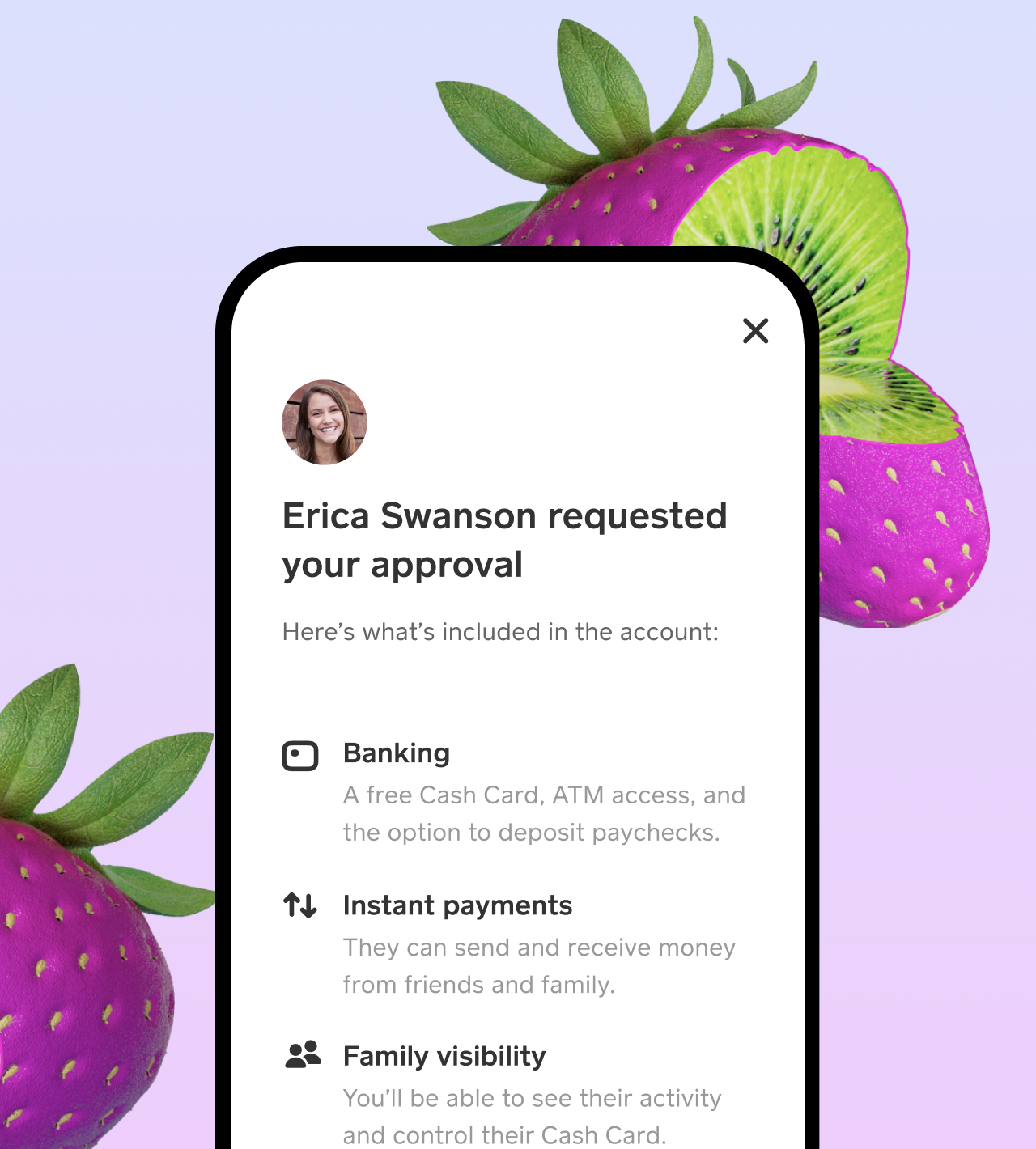
The cornerstone of the 13+ account is robust parental or guardian oversight. A parent or legal guardian must act as the sponsor, linking their own verified Cash App account to the teen’s account. This sponsorship comes with significant responsibilities and controls:
- Approval of Transactions: Parents can monitor and approve most transactions, offering a layer of protection and an opportunity for discussion about spending habits.
- Spending Limits: The sponsoring adult can set daily and monthly spending limits, providing a structured environment for teens to learn budgeting without overspending.
- Account Visibility: Guardians have full visibility into the teen’s account activity, fostering transparency and enabling ongoing financial education.
- Disabling Features: Parents retain the ability to disable certain features or even close the account if necessary.
This level of control ensures that while teens gain practical experience, their financial activities remain within safe and guided parameters, preventing misuse and promoting responsible habits.
Features and Limitations of Teen Accounts
While sponsored accounts offer significant functionality, they come with specific limitations designed to protect minors and comply with regulations:
- Cash Card Access: Teens can receive a personalized Cash Card, allowing them to spend funds from their Cash App balance in stores and online, much like a debit card. This is a crucial feature for practical spending experience.
- Direct Deposit: Eligible teens can set up direct deposit, enabling them to receive wages from part-time jobs or allowances directly into their Cash App account, teaching them about earning and income management.
- ATM Access: ATM withdrawals are typically limited or require explicit parental approval, often with lower daily limits than adult accounts, to deter impulsive cash withdrawals.
- Investing and Bitcoin Access: Importantly, teen accounts generally do not have access to investing in stocks or Bitcoin. These features involve higher financial risk and complexity, which are deemed more appropriate for adult users.
- Sending and Receiving Money: Teens can send and receive money, but these transactions are often subject to limits and parental oversight, ensuring controlled peer-to-peer transfers.
These features provide a practical introduction to digital money management, while the limitations prevent exposure to higher-risk financial products, aligning with the goal of financial education rather than full financial autonomy.
Benefits for Young Financial Literacy
The 13+ sponsored account is a powerful tool for fostering financial literacy from an early age. It provides a real-world, hands-on environment for teens to:
- Budgeting and Saving: Learn to manage their allowance or earnings, track spending, and understand the importance of saving.
- Digital Transactions: Become familiar with digital payments, online shopping, and peer-to-peer transfers, skills that are essential in today’s economy.
- Financial Responsibility: Understand the consequences of their spending choices and learn to live within their means under guided supervision.
- Privacy and Security: Develop an understanding of digital financial security, protecting personal information, and recognizing potential scams.
By using a tool like Cash App, teens can develop habits and knowledge that will serve them well as they transition to full financial independence, making fewer mistakes when they eventually manage their own adult accounts.
Beyond Age: Other Eligibility Criteria for Financial Access
While age is a primary determinant, successfully using Cash App involves meeting several other eligibility criteria. These requirements are standard across most reputable financial technology platforms and are crucial for security, regulatory compliance, and seamless functionality.
Residency Requirements
To open a Cash App account, users must be residents of either the United States or the United Kingdom. Cash App’s services are geo-restricted due to varying financial regulations and operational licenses across different countries. This ensures that the platform operates within the legal frameworks of the regions it serves, providing localized support and compliance. Attempting to use Cash App from an unsupported region through VPNs or false information can lead to account suspension.

Identity Verification (KYC – Know Your Customer)
Beyond merely providing a name and age, Cash App requires robust identity verification, a process known as Know Your Customer (KYC). This is mandated by anti-money laundering (AML) laws and is critical for financial security. Users will typically need to provide:
- Full Legal Name: As it appears on official documents.
- Date of Birth: To confirm age eligibility.
- Last 4 Digits of Social Security Number (SSN) or Taxpayer Identification Number (TIN): For US residents, this is a key identifier. UK residents may use other official identifiers.
- Home Address: A physical residential address, not a P.O. box.
In some cases, Cash App might request a photo of a government-issued ID (like a driver’s license or passport) or a selfie for enhanced verification. This stringent process protects both the user and the platform from fraud, identity theft, and illicit financial activities. Without successful verification, users may face limitations on sending/receiving amounts, inability to order a Cash Card, or access investing features.
Linking Bank Accounts or Debit Cards
To fully utilize Cash App for adding funds or cashing out, users must link a valid bank account or debit card. This connection allows for the seamless transfer of money between the user’s traditional banking infrastructure and their Cash App balance. The linked account must be in the user’s name and originate from a supported financial institution. This requirement ensures that there is a legitimate source and destination for funds, further bolstering security and compliance. While Cash App also allows direct deposits, linking a bank account or card provides flexibility for various transactions.
Device and Software Compatibility
Although often overlooked, having a compatible smartphone (iOS or Android) and a stable internet connection is an implicit eligibility requirement. Cash App is primarily a mobile application, and its functionality relies on being run on supported operating systems that receive regular security updates. Using outdated devices or software can pose security risks and may limit access to the app’s full suite of features. While not a direct financial criterion, it is a practical prerequisite for accessing this digital financial tool.
The Financial Implications of Cash App’s Age Policies
The policies surrounding who can use Cash App, and under what conditions, have significant financial implications, particularly regarding financial empowerment for different age groups and the responsibilities that come with digital money management.
Empowering Youth with Financial Tools
For teenagers, the introduction of sponsored Cash App accounts represents a significant step in financial empowerment. It moves beyond theoretical discussions of budgeting and saving to practical application. By managing their own digital wallet, albeit with supervision, teens learn to:
- Track Income and Expenses: They can see exactly where their money comes from and where it goes, fostering a clearer understanding of cash flow.
- Develop Saving Habits: Setting aside money for specific goals becomes tangible when they can see their balance grow within the app.
- Understand Digital Security: Practical experience with online transactions, recognizing phishing attempts, and safeguarding account information builds essential digital security awareness.
- Prepare for Adulthood: This early exposure creates a smoother transition to managing full-fledged bank accounts, credit cards, and investments once they reach adulthood.
This empowerment is not about giving minors unchecked freedom but about providing a controlled environment for experiential learning in personal finance, a skill set increasingly vital in a cashless society.
Risks and Responsibilities for Young Users and Sponsors
While empowering, Cash App usage by minors also comes with inherent risks and responsibilities. For young users, the exposure to digital spending can sometimes lead to impulse purchases if not properly guided. There’s also the risk of falling prey to online scams or sharing too much personal information if they lack sufficient awareness.
For sponsoring parents or guardians, the responsibility is significant. They are essentially vouching for the minor and are legally tied to the account’s activities. This means:
- Active Monitoring: Passive sponsorship isn’t enough; active monitoring of transactions and regular discussions about money are crucial.
- Teaching Financial Prudence: Parents must actively educate their teens on the value of money, the dangers of debt (even if not directly applicable to Cash App’s debit-based system, the principles apply), and making wise spending choices.
- Security Vigilance: Ensuring the teen understands password protection, recognizing phishing, and reporting suspicious activity is vital.
Ultimately, the sponsored account is a joint venture, where the teen gains experience, and the parent provides the necessary guidance and safety net, managing both the financial tool and the financial education process.
Cash App as a Stepping Stone to Broader Financial Literacy
Cash App, especially through its sponsored accounts, can serve as an excellent stepping stone towards broader financial literacy. It introduces fundamental concepts like transactions, balances, direct deposit, and digital security in an approachable format. This foundational understanding can then be expanded upon to more complex financial topics such as:
- Investing: Understanding how different assets grow and the concept of risk and return (once they are 18 and can access these features).
- Credit: Learning about credit scores, responsible borrowing, and the importance of timely payments.
- Debt Management: Understanding different types of debt and strategies for avoiding and managing it.
- Retirement Planning: The long-term impact of saving and investing.
By demystifying basic financial operations, Cash App helps cultivate a comfort level with financial technology that can encourage continued engagement with personal finance education throughout a user’s life.
Setting Up and Managing a Cash App Account: A Financial Perspective
The process of setting up and managing a Cash App account, whether as an adult or a sponsored minor, inherently involves crucial financial considerations, from initial verification to ongoing security practices.
The Onboarding Process: Age Verification Steps
For adults (18+), the onboarding process for Cash App requires providing personal details that enable the platform to verify their age and identity. This typically includes:
- Downloading the App: Available on iOS and Android.
- Entering Phone Number or Email: For account creation.
- Linking Bank Account/Debit Card: To fund the account.
- Providing Personal Information: Full name, date of birth, mailing address, and the last four digits of your SSN.
- Identity Verification: Cash App uses this information to verify the user’s identity through third-party databases. If verification fails, they may request further documentation.
For sponsored minor accounts (13-17), the process involves an additional layer of parental consent and linking. The teen initiates the account, but the parent receives a notification to approve and link their own verified account, providing their personal information for verification as the sponsor.
Responsible Use Guidelines: Security and Fraud Prevention
Regardless of age, responsible use is paramount for any financial tool. For Cash App, this includes:
- Strong Passwords/PINs: Using unique, complex passwords and enabling a PIN or biometric security for access.
- Two-Factor Authentication (2FA): Adding an extra layer of security to protect against unauthorized access.
- Beware of Scams: Being vigilant against phishing attempts, fake customer support, or requests for personal information/money from unknown sources. Cash App will never ask for your PIN or full SSN over the phone or email.
- Monitoring Activity: Regularly reviewing transaction history for any unauthorized or suspicious activity.
- Protecting Personal Information: Never sharing account details, PINs, or SSN with anyone.
From a financial perspective, these security measures are not just about protecting the app, but about safeguarding the user’s financial assets and identity. Neglecting security can lead to financial loss and long-term implications for one’s financial standing.
Upgrading a Teen Account to a Full Account
When a sponsored user turns 18, their Cash App account can be upgraded to a full, independent adult account. This process typically involves a re-verification of the user’s identity, providing their full SSN (if not already provided in some capacity by the parent), and confirming their adult status. Once upgraded, the account gains access to all features previously restricted, such as investing in stocks and Bitcoin, and the direct oversight from the parent is removed. This seamless transition ensures that individuals who have already gained experience with digital payments can continue to use Cash App as a comprehensive financial tool as they enter adulthood.
In conclusion, Cash App’s age requirements are a critical component of its operation, reflecting both regulatory necessity and a commitment to responsible financial management. While the standard age for full access is 18, the provision for sponsored accounts for teens aged 13 and above demonstrates an innovative approach to fostering financial literacy. By understanding these policies and embracing responsible usage, individuals can effectively leverage Cash App as a powerful tool for personal finance, regardless of their stage in the journey toward financial independence.
aViewFromTheCave is a participant in the Amazon Services LLC Associates Program, an affiliate advertising program designed to provide a means for sites to earn advertising fees by advertising and linking to Amazon.com. Amazon, the Amazon logo, AmazonSupply, and the AmazonSupply logo are trademarks of Amazon.com, Inc. or its affiliates. As an Amazon Associate we earn affiliate commissions from qualifying purchases.