
When we ponder “how old Amazon” is, we’re not merely asking for a date of inception; we’re seeking to understand the foundational timeline of one of the world’s most transformative brands. The age of a brand, particularly one as ubiquitous and influential as Amazon, offers a profound lens through which to examine its evolution, its strategic resilience, and the deliberate cultivation of its corporate identity. Founded by Jeff Bezos on July 5, 1994, Amazon has, in under three decades, transitioned from an online bookseller operating out of a garage to an undisputed global titan in e-commerce, cloud computing, digital streaming, and artificial intelligence. This journey is not just a testament to technological innovation or market capture; it is a masterclass in brand building, adaptation, and enduring relevance.
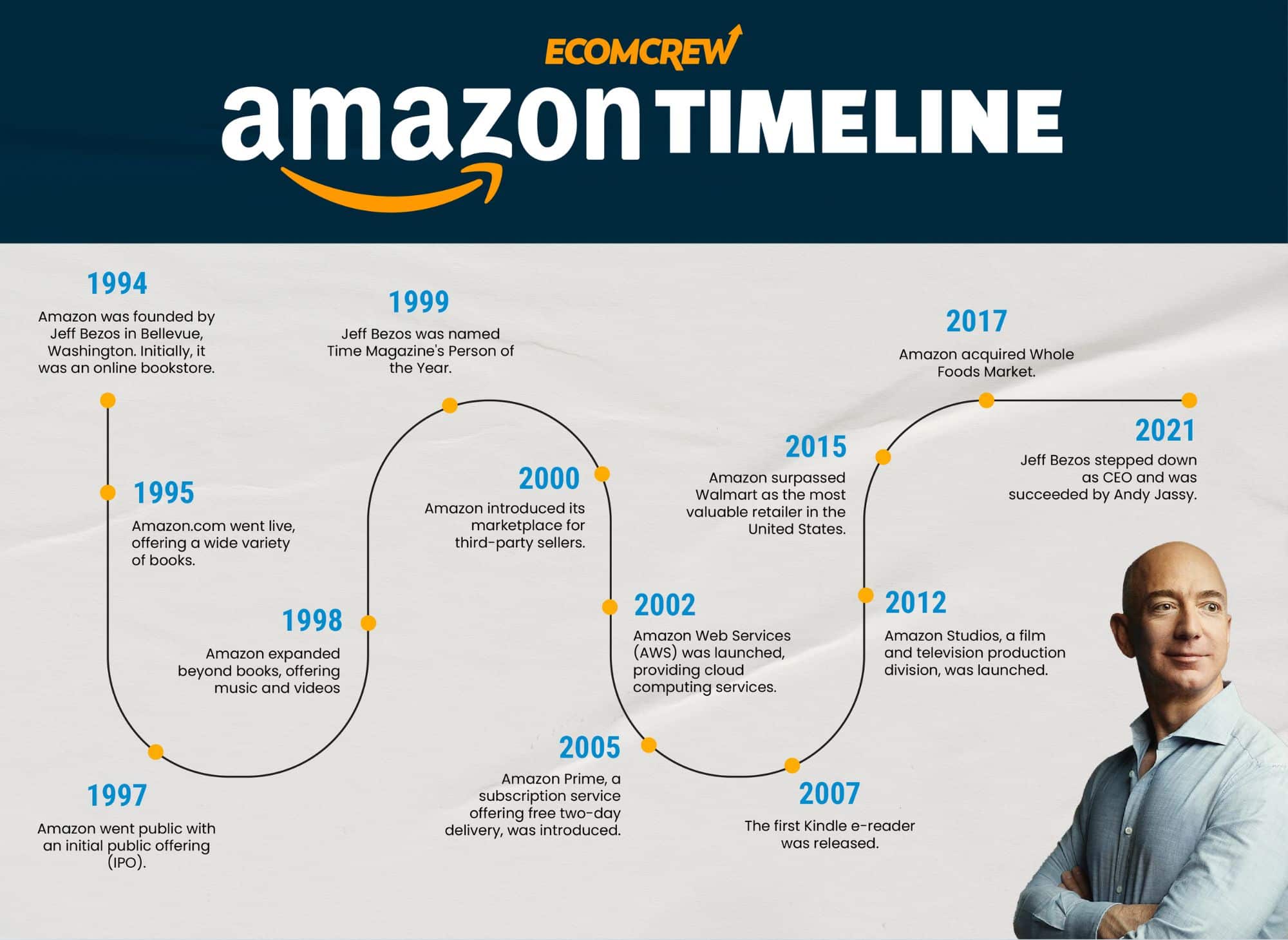
The longevity of Amazon’s brand is a critical factor in its perceived trustworthiness, its market authority, and its deep-seated integration into the daily lives of billions. Its age speaks to a history of learning, iterating, and strategically pivoting to maintain competitive advantage and customer loyalty. Delving into Amazon’s timeline allows us to dissect the deliberate choices that shaped its brand architecture, from its early promise of “Earth’s biggest bookstore” to its current positioning as a provider of “everything from A to Z.” This article explores the remarkable brand journey of Amazon, illustrating how its age is not just a number, but a narrative of calculated growth, strategic diversification, and continuous brand reinvention.
The Genesis: From Online Bookstore to E-commerce Giant
Amazon’s brand story begins in the nascent days of the internet, a period ripe with both immense potential and profound uncertainty. Launched in July 1994, with its website going live in 1995, Amazon initially branded itself as “Earth’s Biggest Bookstore.” This early positioning was not just a product description; it was a clear articulation of its brand promise: unparalleled selection, convenience, and reach, transcending the physical limitations of traditional retail. Bezos’s initial vision was to leverage the internet’s boundless capabilities to offer an infinite catalog, directly challenging established booksellers and subtly laying the groundwork for a much broader ambition.
The brand’s early identity was characterized by disruption and customer focus. While other companies struggled to define their online presence, Amazon relentlessly emphasized user experience, competitive pricing, and efficient delivery. This early commitment to the customer, even when the underlying technology was rudimentary by today’s standards, became an indelible part of the Amazon brand DNA. The brand cultivated an image of accessibility and innovation, attracting a rapidly growing internet user base eager for new ways to shop. This period was crucial in establishing Amazon not just as a retailer, but as a pioneer in the burgeoning digital landscape, effectively teaching consumers how to trust and engage with online commerce.
The Dot-Com Boom and Bust: Branding Through Adversity
Amazon’s adolescence coincided with the tumultuous dot-com bubble. Many promising online ventures crumbled, their brand promises proving unsustainable. However, Amazon weathered this storm, emerging stronger, largely due to its unwavering commitment to customer value and a long-term strategic vision. While competitors chased fleeting trends, Amazon continued to invest in infrastructure, logistics, and user experience, even as profitability remained elusive for years. This period tested the resilience of the Amazon brand, forcing it to articulate its enduring value proposition beyond mere novelty. It was during this time that Amazon began to solidify its reputation for reliability and persistence, reinforcing its brand message that it was here to stay, unlike many of its ephemeral peers. The ability to survive and even thrive during a major economic downturn significantly boosted Amazon’s credibility and fortified its brand image as a dependable, forward-thinking entity.
Cultivating Customer Centricity: Amazon’s Early Brand Promise
At the heart of Amazon’s enduring brand success is its relentless focus on customer centricity, a principle established from its earliest days. Bezos famously left an empty chair in meetings, representing “the most important person in the room”: the customer. This philosophical underpinning translated directly into tangible brand experiences: one-click ordering, personalized recommendations, easy returns, and a commitment to competitive pricing. Amazon wasn’t just selling products; it was selling convenience, trust, and a superior shopping experience. This customer-first approach became a cornerstone of its brand identity, differentiating it from traditional retailers and setting a new standard for online commerce. The brand message was clear: Amazon existed to serve and simplify the customer’s life, a promise that resonated deeply and fostered immense loyalty, creating a flywheel effect where satisfied customers attracted more customers, continually reinforcing the brand’s positive perception.
Diversification and Dominance: Expanding the Brand Ecosystem
As Amazon matured, its brand strategy evolved from being “Earth’s Biggest Bookstore” to a more expansive, yet equally ambitious, vision of “Earth’s most customer-centric company.” This pivot led to aggressive diversification, transforming Amazon into a sprawling ecosystem that now encompasses far more than retail. The launch of Amazon Web Services (AWS), Amazon Prime, the Kindle e-reader, and the Alexa voice assistant were not merely product introductions; they were calculated extensions of the Amazon brand, each designed to capture new market segments, deepen customer engagement, and fortify its overall corporate identity. These moves demonstrated a profound understanding of how to leverage an established brand’s trust and infrastructure to enter seemingly disparate industries, all while maintaining a consistent brand promise of innovation, efficiency, and customer value.
The Power of ‘Prime’: Building Brand Loyalty and Value
Perhaps no single initiative has had a more profound impact on Amazon’s brand loyalty than Amazon Prime. Launched in 2005, Prime transformed the brand from a transactional e-commerce platform into a comprehensive lifestyle subscription service. By offering free two-day shipping, and later expanding to include streaming video, music, and exclusive deals, Prime locked customers into a broader Amazon ecosystem. The Prime brand became synonymous with convenience, premium service, and unparalleled value. It shifted the customer relationship from episodic purchases to an ongoing, indispensable membership. This strategic move not only increased customer spend and frequency but also created a powerful psychological bond, making Amazon an integral, almost subconscious, part of its subscribers’ daily routines. The Prime brand essentially became a loyalty program on steroids, making it incredibly difficult for customers to leave and reinforcing Amazon’s market dominance.
AWS: A B2B Brand Success Story
While most consumers associate Amazon with online shopping, its most profitable venture, Amazon Web Services (AWS), represents a formidable B2B brand success story. Launched in 2006, AWS initially capitalized on Amazon’s internal infrastructure needs, offering scalable cloud computing services to businesses. The AWS brand quickly established itself as the industry leader, known for its reliability, innovation, and extensive suite of services. Its brand identity, though distinct from the consumer-facing Amazon retail brand, still carries the hallmarks of efficiency, scale, and customer focus. AWS’s success demonstrated Amazon’s ability to build and manage highly specialized brands within its portfolio, catering to vastly different customer segments (consumers vs. enterprises) while leveraging the underlying Amazon legacy of technological excellence and operational prowess. The reputation of AWS further bolstered the overall Amazon brand as a technology powerhouse, not just a retailer.
Alexa and the Smart Home: Extending the Brand’s Reach

The introduction of Alexa and Amazon Echo devices in 2014 marked a significant leap into artificial intelligence and the smart home market, further extending Amazon’s brand into new, intimate customer touchpoints. Alexa wasn’t just a gadget; it was a voice interface designed to seamlessly integrate Amazon services into daily life, from playing music and ordering products to controlling smart home devices. This move positioned the Amazon brand as a leader in ambient computing, a trusted companion that anticipated needs and simplified interactions. The Alexa brand quickly became a household name, demonstrating Amazon’s foresight in identifying emerging technological trends and effectively integrating them into its brand ecosystem, reinforcing its image as an innovator constantly seeking to make life easier for its customers. It was another calculated expansion that cemented Amazon’s brand presence beyond the screen.
Corporate Identity and Brand Perception: Navigating Growth and Scrutiny
As Amazon’s age and scale have grown, so too has the complexity of managing its corporate identity and public perception. The familiar smiling arrow logo, connecting the ‘A’ to the ‘Z’, brilliantly symbolizes the company’s vast product range and its commitment to customer satisfaction. This simple yet profound design encapsulates the brand’s aspiration to provide “everything” to “everyone.” However, with its immense power and reach, Amazon has also faced increased scrutiny regarding its labor practices, market dominance, environmental impact, and tax contributions. Managing these challenges has become a critical aspect of evolving its corporate identity and ensuring the brand maintains positive perception amidst growing public and regulatory oversight.
The ‘A to Z’ Logo: Symbolizing Scope and Customer Satisfaction
The iconic Amazon logo, featuring a subtle smile-like arrow connecting the ‘A’ to the ‘Z’, is a masterclass in minimalist branding that communicates volumes. The arrow not only suggests the vast range of products available – from A to Z – but also forms a smile, symbolizing customer satisfaction and the pleasant experience Amazon aims to provide. This visual identity has remained consistent for decades, evolving only subtly, which has been instrumental in building strong brand recognition and recall worldwide. It’s a testament to the power of a well-conceived logo to convey core brand values without needing words. The logo acts as a silent ambassador, reassuring customers of Amazon’s comprehensive offerings and its underlying commitment to service, solidifying its position as a global retail standard-bearer.
Brand Reputation Management in the Digital Age
In the digital age, a brand’s reputation is forged and challenged in real-time. Amazon, by virtue of its size and influence, is under constant public scrutiny. Managing its brand reputation involves more than just marketing campaigns; it requires proactive engagement with critical issues and transparent communication. Concerns over worker conditions, data privacy, and the impact on small businesses necessitate thoughtful responses that align with its stated brand values. Amazon’s strategy often involves highlighting its investments in employee benefits, sustainability initiatives, and support for third-party sellers. This ongoing dialogue and commitment to addressing public concerns are vital for maintaining trust and ensuring that its corporate identity as an innovator and customer advocate isn’t overshadowed by negative perceptions. The brand’s age and experience provide a foundation for navigating these complex reputational challenges, but continuous effort is required.
Social Impact and Corporate Responsibility: Evolving Brand Values
Modern consumers increasingly expect brands to demonstrate a commitment to social impact and corporate responsibility. For a brand as old and influential as Amazon, this is no longer optional but a fundamental aspect of its evolving identity. Initiatives like the Climate Pledge, which commits Amazon to achieving net-zero carbon by 2040, and various community outreach programs, are crucial for aligning the brand with contemporary values. These efforts go beyond mere philanthropy; they are strategic investments in enhancing brand equity and appeal, particularly to younger, socially conscious demographics. By actively engaging in sustainability and ethical practices, Amazon seeks to broaden its brand appeal, demonstrating that its mission extends beyond commerce to encompass a positive impact on society and the planet, ensuring its brand remains relevant and respected for decades to come.
The Enduring Legacy: Lessons from Amazon’s Longevity
Amazon’s journey from a small startup to a global powerhouse in just under thirty years offers invaluable lessons in brand building and corporate longevity. Its age, a relatively short period for such profound impact, underscores the dynamic nature of modern business and the power of a clear, adaptable brand vision. The lessons derived from Amazon’s trajectory are not just about scale or market capitalization; they are fundamentally about how a brand can be conceived, nurtured, and continuously reinvented to maintain relevance and leadership across changing technological and cultural landscapes. Its enduring legacy is a testament to strategic foresight, relentless execution, and an unwavering commitment to its core brand promise, however broad that promise has become.
Adaptability as a Core Brand Tenet
One of Amazon’s most significant strengths, and a key factor in its remarkable longevity, has been its extraordinary adaptability. From its inception as a bookstore, the brand has continually demonstrated a willingness to pivot, diversify, and even cannibalize existing successful ventures to pursue new opportunities. This adaptability is embedded in Amazon’s brand ethos: it’s not afraid to experiment, fail fast, and iterate. This constant evolution ensures the brand remains agile and responsive to market shifts, consumer demands, and technological advancements. Its ability to reinvent itself multiple times over nearly three decades is a powerful testament to adaptability as a core brand tenet, ensuring that Amazon never becomes complacent or obsolete.
Innovation as a Brand Driver
Innovation is not just a buzzword for Amazon; it is a fundamental driver of its brand identity and growth. The company has consistently introduced groundbreaking services and products, from one-click ordering and personalized recommendations to cloud computing and voice assistants. This relentless pursuit of innovation has allowed Amazon to disrupt industries, create new markets, and continually redefine consumer expectations. The Amazon brand is synonymous with pushing boundaries and setting new standards, fostering an image of a company that is always looking ahead. This commitment to innovation ensures that the Amazon brand remains dynamic, exciting, and perpetually relevant to consumers and businesses alike, guaranteeing its enduring presence in the global marketplace.

The Future of the Amazon Brand
Looking ahead, the future of the Amazon brand will undoubtedly be shaped by its ability to continue innovating while navigating increasing regulatory scrutiny and evolving societal expectations. Its age has bestowed upon it immense brand equity, but also the responsibility of leadership. The challenge will be to maintain its customer-centricity and innovative spirit while addressing concerns related to sustainability, fair competition, and employee welfare. As Amazon moves into its fourth decade, its brand will need to skillfully balance its pursuit of growth with a heightened sense of corporate responsibility, ensuring that its legacy of disruption and convenience is complemented by a reputation for ethical leadership and positive global impact. The narrative of “how old Amazon” will continue to unfold, demonstrating how a brand can not only survive but thrive by mastering the art of continuous evolution.
aViewFromTheCave is a participant in the Amazon Services LLC Associates Program, an affiliate advertising program designed to provide a means for sites to earn advertising fees by advertising and linking to Amazon.com. Amazon, the Amazon logo, AmazonSupply, and the AmazonSupply logo are trademarks of Amazon.com, Inc. or its affiliates. As an Amazon Associate we earn affiliate commissions from qualifying purchases.