
For most individuals and families, a vehicle represents the second largest financial investment outside of a primary residence. Yet, unlike real estate, which historically appreciates over time, a car is a rapidly depreciating asset. To manage this asset effectively, one must view maintenance not as an occasional chore, but as a critical component of a long-term wealth management strategy. Determining how often to get a car serviced is a delicate balance between minimizing immediate out-of-pocket expenses and maximizing the total lifecycle value of the vehicle.

In the realm of personal finance, the “true cost of ownership” encompasses more than just monthly loan payments and insurance premiums. It includes the cost of neglect. By understanding the financial mechanics behind service intervals, owners can mitigate the risk of catastrophic mechanical failure, preserve resale value, and ensure that their transportation expenses do not jeopardize their broader financial goals.
The Economics of Preventive Maintenance: Protecting Your Second Largest Investment
The primary objective of regular car servicing is the preservation of capital. Every mile driven represents a marginal reduction in the vehicle’s remaining useful life. However, the rate of this reduction is not fixed; it is highly dependent on the maintenance regime. From a financial perspective, preventive maintenance is an insurance policy against the volatility of major repair costs.
Understanding Depreciation and Resale Value
Depreciation is the silent killer of wealth in the automotive world. A new vehicle can lose 20% to 30% of its value within the first year and up to 60% after five years. While market forces largely dictate these numbers, the physical condition and service history of the vehicle are the only variables within the owner’s control.
A meticulously documented service history functions as a financial instrument. When it comes time to sell or trade in the vehicle, a “full service history” (FSH) can command a premium of 10% to 20% over a neglected counterpart. Potential buyers see a service log as a risk-mitigation document. It provides proof that the asset has been maintained to manufacturer standards, reducing the likelihood of “hidden” liabilities. Therefore, adhering to a 6-month or 12-month service cadence is a direct reinvestment into the asset’s equity.
The Cost-Benefit Analysis of Regular Fluid Changes
Fluid changes—specifically engine oil, transmission fluid, and coolant—are the highest-ROI activities in vehicle ownership. Engine oil is the lifeblood of the internal combustion engine; it lubricates moving parts and dissipates heat. As oil breaks down, friction increases, leading to thermal degradation and, eventually, engine failure.
Consider the math: An oil change might cost $70 to $100. Over five years, at twice a year, that is $1,000. In contrast, an engine replacement can cost between $4,000 and $10,000 depending on the make and model. By spending $1,000 incrementally, you avoid a $10,000 capital shock. In financial terms, this is a form of risk hedging where the “premium” (the service cost) is significantly lower than the potential “loss” (the repair cost).
Calculating the True Cost of Neglect: Short-Term Savings vs. Long-Term Liability
Many car owners attempt to optimize their cash flow by skipping scheduled maintenance. While this may provide a temporary boost to monthly liquidity, it creates a “maintenance debt” that accrues with high interest. This debt eventually manifests as compounding mechanical failures that can dwarf the original savings.
The Exponential Growth of Repair Costs
In mechanical systems, failure is rarely isolated. A worn-out timing belt, for instance, is a relatively inexpensive part to replace during a scheduled 60,000-mile service. If ignored, the belt will eventually snap, causing the valves to collide with the pistons. What was a $500 preventive measure instantly becomes a $4,000 engine overhaul.
This is the principle of compounding in reverse. In finance, we want our assets to compound growth; in mechanics, neglect compounds damage. By adhering to a strict service schedule—typically every 5,000 to 7,500 miles for modern vehicles—you interrupt the cycle of compounding wear. You are essentially “paying down” the wear-and-tear balance before it accumulates interest in the form of secondary damage.
Opportunity Cost and Vehicle Downtime
Financial health is not just about the money in your bank account; it is also about your time and productivity. An unreliable vehicle is a liability that creates opportunity cost. If a car breaks down unexpectedly because of a skipped coolant flush or a neglected battery, the costs extend beyond the mechanic’s bill.
Loss of wages, the cost of emergency towing, the expense of a rental car, and the stress of disrupted logistics all represent “soft costs” that are rarely factored into the maintenance equation. Scheduled servicing allows you to control the timing of vehicle downtime, ensuring it occurs when it is least disruptive to your income-earning activities. From a business finance perspective, this is “planned maintenance” vs. “breakdown maintenance,” and the former is always more cost-effective.
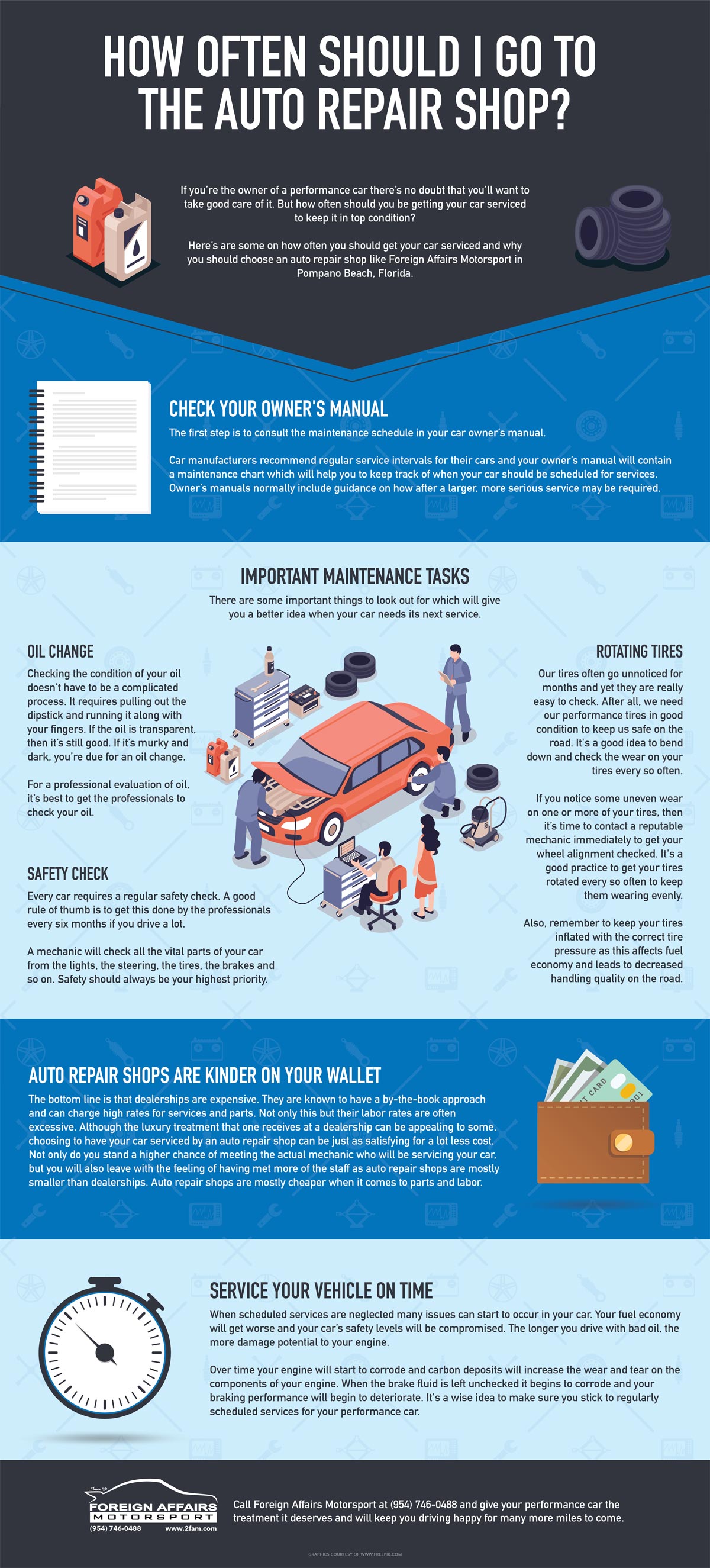
Optimizing Your Maintenance Schedule for Maximum ROI
Not all service schedules are created equal. To maximize the financial return on your maintenance spending, you must tailor your approach based on the vehicle’s technology, your driving habits, and your long-term ownership goals.
Conventional vs. Synthetic: A Budgetary Comparison
One of the most common debates in car maintenance is the use of conventional versus synthetic oil. While synthetic oil is more expensive per quart, it offers a superior financial return over the long term. Synthetic oil has a higher resistance to thermal breakdown and can often last 10,000 miles or more, compared to the 3,000 to 5,000-mile limit of conventional oil.
If you drive 15,000 miles a year, conventional oil requires three to five visits to the shop. Synthetic oil might only require one or two. When you factor in the value of your time and the reduced frequency of labor charges, synthetic oil often results in a lower “cost per mile.” This is a classic example of how spending more upfront can lead to lower total expenses.
Seasonal Maintenance and Emergency Fund Integration
A robust financial plan for a vehicle should include seasonal inspections. Drastic changes in temperature affect battery chemistry, tire pressure, and fluid viscosity. Getting a “health check” before winter and summer can prevent seasonal failures.
Strategically, these service costs should be integrated into a “Sinking Fund”—a specific category in your budget where you save a small amount each month for predictable future expenses. If you know your car requires $600 in maintenance annually, setting aside $50 a month ensures that the service does not become a financial emergency. This proactive budgeting prevents you from having to dip into high-interest credit or emergency savings, preserving your financial stability.
Leveraging Technology and Warranty Terms to Minimize Expenses
In the modern era, the frequency of car servicing is increasingly dictated by onboard technology and legal contracts. Understanding these can help you avoid unnecessary spending while ensuring you remain covered by manufacturer protections.
Navigating Manufacturer Service Intervals and CPO Benefits
Every vehicle comes with a manufacturer-recommended service schedule. For those with new or Certified Pre-Owned (CPO) vehicles, following this schedule is not just a suggestion—it is often a contractual requirement for keeping the warranty valid. If a major component fails and you cannot provide documentation that the car was serviced at the correct intervals, the manufacturer may deny your warranty claim.
From a wealth management perspective, a warranty is an asset. It is a guarantee that the manufacturer will absorb the cost of certain failures. By skipping a $150 service, you may effectively “void” a warranty worth thousands of dollars. Always treat the manufacturer’s manual as a compliance document for your automotive investment.
DIY vs. Professional Servicing: Impact on Total Cost of Ownership
For the financially savvy, performing basic maintenance—such as replacing air filters, wipers, or even oil—can significantly reduce the total cost of ownership. However, this must be weighed against the value of professional oversight. A trained technician often spots emerging issues (like a leaking CV boot or worn brake pads) that a layperson might miss.
The optimal financial strategy is often a hybrid approach: handle the simple, high-markup items yourself, but bring the vehicle to a professional for major milestone services (e.g., every 30,000 miles). This ensures the vehicle receives a comprehensive professional audit while keeping routine operational costs low.

The Financial Verdict: Frequency as a Function of Value
Ultimately, the question of how often to get a car serviced is a question of asset management. For a high-utilization asset, a more frequent service schedule (every 5,000 miles) is a necessary operational expense to ensure longevity. For a vehicle that is driven less frequently, a time-based approach (every 6 months) is required to combat the degradation that occurs even when the vehicle is stationary.
Maintaining a car is an exercise in disciplined financial planning. By viewing each oil change, tire rotation, and brake inspection as a strategic move to preserve your net worth, you transform a mundane chore into a powerful tool for financial stability. In the long run, the most expensive car you will ever own is the one you didn’t maintain. The cheapest car is the one that receives regular, proactive care, allowing it to serve as a reliable tool for your life and career for a decade or more. Focus on the data, respect the mechanical limits of the asset, and treat your service log as a vital component of your financial portfolio.
aViewFromTheCave is a participant in the Amazon Services LLC Associates Program, an affiliate advertising program designed to provide a means for sites to earn advertising fees by advertising and linking to Amazon.com. Amazon, the Amazon logo, AmazonSupply, and the AmazonSupply logo are trademarks of Amazon.com, Inc. or its affiliates. As an Amazon Associate we earn affiliate commissions from qualifying purchases.