
In the world of personal finance and retail consumption, few commodities exhibit the volatile price elasticity of an airplane ticket. For the average traveler, checking the price of a flight to London or New York can feel like watching a high-frequency trading floor. One hour the fare is $450; the next, it has spiked to $620, only to settle at $480 by dinner time. This phenomenon is not accidental, nor is it a glitch in the reservation system. It is the result of sophisticated financial engineering known as yield management, a strategy designed to extract the maximum possible revenue from every single seat on an aircraft.
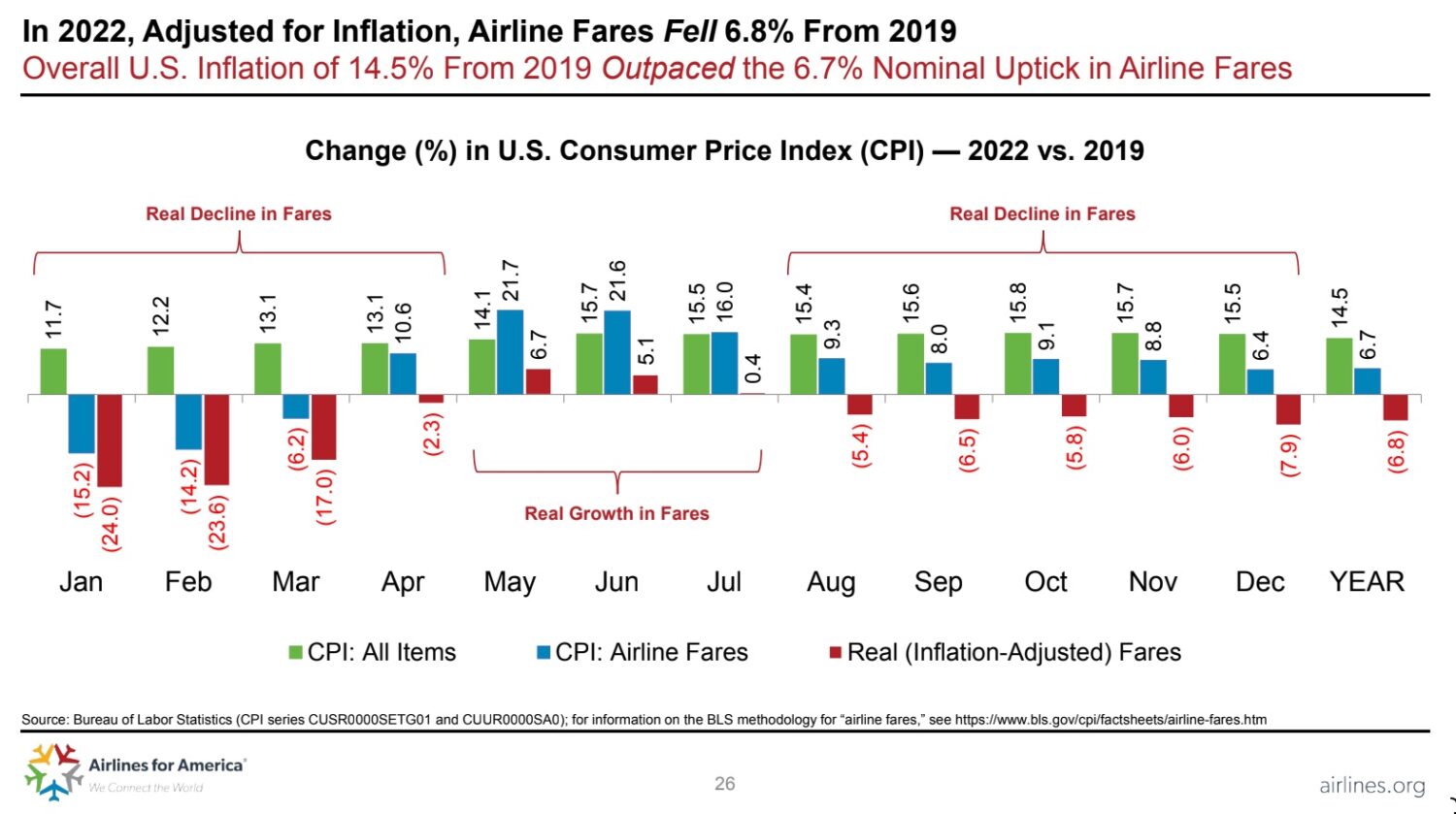
To understand how often airline prices change, one must first understand that prices are not “set” in the traditional sense. Instead, they are managed in real-time by algorithms that process millions of data points daily. For most major carriers, prices can change multiple times per day, and for high-demand routes, adjustments can occur every few minutes. From a financial perspective, an airline seat is a “perishable good.” Once the cabin door closes and the plane takes off, any empty seat represents a permanent loss of potential revenue. Consequently, the financial urgency to fill that seat at the highest possible price creates a constant state of flux.
The Financial Engine Behind Dynamic Pricing
The primary driver of price fluctuations is a complex discipline called revenue management. At its core, this is a financial strategy used to predict consumer behavior and optimize price availability. Airlines do not simply sell “Economy” or “Business” class; they sell “fare buckets.” A single cabin might be divided into twenty different fare classes, each with its own price point and set of restrictions.
Yield Management and Profit Maximization
Airlines use yield management systems to monitor the pace of bookings. If a flight is filling up faster than historical data suggests it should, the system automatically closes out the lower-priced fare buckets, effectively raising the price for the next customer. Conversely, if a flight is underperforming financially as the departure date approaches, the system may reopen lower-priced tiers to stimulate demand.
This is a delicate balancing act of supply and demand. If an airline drops prices too low, they leave money on the table. If they keep them too high, they risk flying with empty seats. To a CFO of a major airline, the goal is to ensure that the last seat sold on a flight is priced at the absolute maximum the market will bear, while the first seats sold provided the necessary baseline cash flow to cover the flight’s operating costs.
Real-Time Data and Algorithmic Adjustments
Modern airline pricing engines are powered by AI and machine learning that analyze more than just internal booking numbers. These systems track competitor pricing, local holiday schedules, major sporting events, and even weather patterns. If a competitor on the same route raises their price, an airline’s algorithm may instantly match that increase to capitalize on the higher market rate. This creates a feedback loop where prices across an entire industry can shift within seconds of a single carrier making a move.
Key Factors That Trigger Price Adjustments
While algorithms handle the heavy lifting, several macro-economic and behavioral factors dictate the frequency and direction of these changes. For the savvy consumer, understanding these triggers is essential for effective financial planning and travel budgeting.
The Booking Window and Time-Based Risk
The most consistent factor in price changes is the time remaining until departure. In financial terms, this is often viewed through the lens of “booking profiles.” Business travelers, who are generally less price-sensitive and have more rigid schedules, tend to book closer to the departure date. Leisure travelers are usually more price-sensitive and book further in advance.
To maximize revenue, airlines typically offer lower prices 1 to 3 months in advance to capture the budget-conscious market. As the date approaches, the “risk” of the seat remaining empty decreases because the probability of a high-paying business traveler needing that seat increases. Therefore, the frequency of price hikes usually accelerates in the 21, 14, and 7-day windows prior to a flight, as these are common corporate travel booking thresholds.
External Economic Variables: Fuel and Currency
Behind the scenes, the broader financial market heavily influences what you pay at checkout. Jet fuel is one of the largest operating expenses for any carrier, often accounting for 20% to 30% of total costs. Because fuel is a traded commodity, its price fluctuates daily. While airlines use “hedging”—a financial strategy of buying fuel at fixed prices in advance to mitigate risk—sudden spikes in oil prices eventually trickle down to the consumer in the form of fuel surcharges or base fare increases.
Furthermore, for international travel, currency fluctuations play a significant role. If the U.S. dollar strengthens against the Euro, an American carrier might adjust its pricing to remain competitive with European carriers whose operating costs are denominated in the weaker currency. These adjustments are often subtle but contribute to the daily “jitter” seen in international airfare.
Competitive Price Matching and Market Share
In a capital-intensive industry, market share is vital. Airlines frequently engage in “fare wars” to protect their dominance on specific routes. If a low-cost carrier enters a new hub, the legacy carriers will often slash prices immediately to prevent losing customers. These changes are reactionary and can lead to some of the most dramatic price drops in the industry. For a traveler, these shifts are unpredictable but represent the best opportunities for significant savings.
Maximizing Your Travel Budget: Strategic Booking Techniques
Given that prices are in a state of constant motion, how does one manage their personal finances to ensure they aren’t overpaying? Moving away from “travel myths” and toward data-driven financial habits is the key.
The Myth of the “Tuesday” Rule vs. Data-Driven Reality
A common piece of outdated advice is that flights are cheapest when booked on a Tuesday at 3:00 PM. While this may have been true decades ago when airlines manually updated their databases once a week, it is no longer the case in the age of real-time algorithmic pricing. Today, the day of the week you book is far less important than the day of the week you fly.
From a budgeting perspective, the most effective strategy is “price anchoring.” Determine the historical average cost for your route and set a target price. When the algorithm dips to or below that anchor, you execute the purchase. Waiting for a further drop is often a losing financial gamble, as the probability of a price increase generally outweighs the probability of a further decrease once you are within the optimal booking window.
Utilizing Financial Tools and Price Alerts
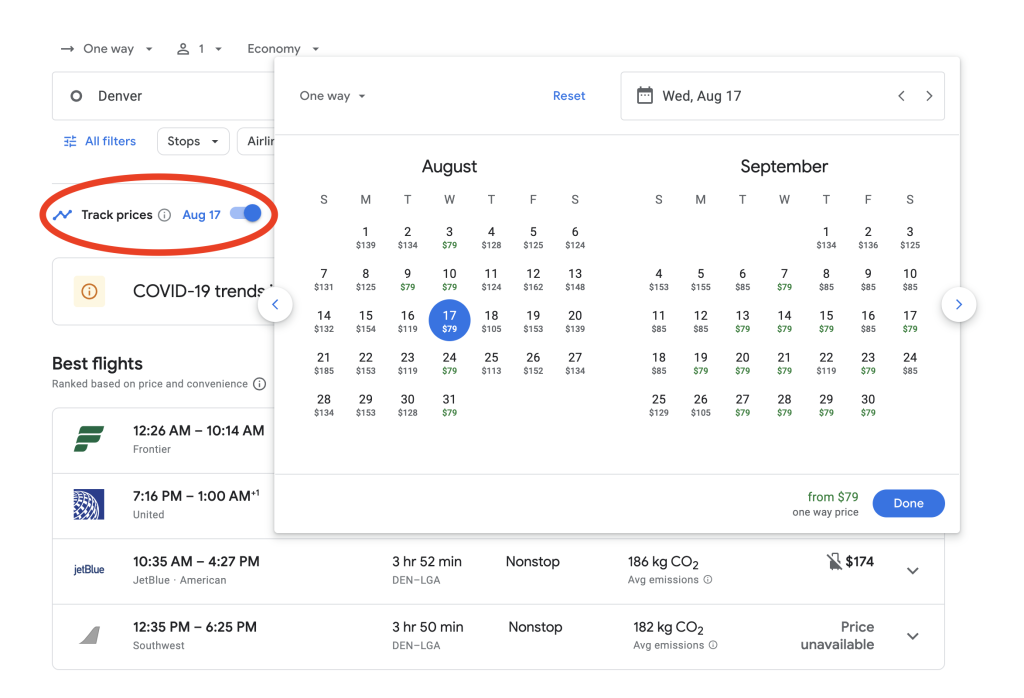
In the same way an investor uses limit orders to buy stocks at a specific price, travelers should use price tracking tools. Services that utilize historical big data can predict whether a fare is likely to rise or fall with a high degree of accuracy. By automating the monitoring process, you remove the emotional component of “fear of missing out” (FOMO) and treat the purchase as a cold financial transaction.
The Role of Loyalty Programs and Credit Card Arbitrage
For many, the actual price change in dollars is less relevant than the “price” in points or miles. Loyalty programs are a critical component of an airline’s financial ecosystem, often valued higher than the airline’s physical assets like planes and hangars.
Points as a Stable Currency
While cash prices for flights fluctuate wildly, “award charts” or point valuations tend to be more stable, though this is changing as more airlines move toward dynamic point pricing. By holding a portfolio of transferable points, a traveler can bypass cash price hikes. If a last-minute flight costs $1,200 due to a sudden price spike, but can still be booked for 30,000 miles, the “cash value” of those miles has increased exponentially. This is essentially a form of financial arbitrage, allowing the consumer to trade a stable asset (points) for a volatile one (the high-priced ticket).
Corporate Contracts and Their Impact on Public Pricing
It is also worth noting that a significant portion of airline revenue comes from pre-negotiated corporate contracts. Large corporations pay a fixed or discounted rate regardless of the public-facing price. When these corporate blocks are released back into the general inventory, it can cause a sudden, sharp drop in the prices visible to the public. Understanding that the “public” price is often just one part of a much larger financial picture helps explain why prices can seem so irrational to the individual consumer.

The Future of Airline Pricing: AI and Hyper-Personalization
As we look toward the future of business finance in the aviation sector, the frequency of price changes is likely to increase, not decrease. We are entering an era of “continuous pricing,” where the rigid fare buckets of the past are replaced by a fluid, individualized pricing model.
In this model, the price you see might be different from the price your neighbor sees, based on your previous booking history, your loyalty status, and even the device you are using to browse. This level of hyper-personalization allows airlines to capture the maximum “willingness to pay” from every demographic. For the consumer, this means that the window for finding “deals” is narrowing, requiring a more disciplined approach to financial planning.
Ultimately, airline prices change as often as the data dictates. Whether it is a shift in the global oil market, a competitor’s promotional campaign, or a sudden surge in holiday demand, the price of a seat is a living, breathing financial metric. By viewing airfare not as a static cost but as a volatile asset, travelers can better navigate the complexities of the market, protect their personal wealth, and ensure that their travel spend is optimized for the best possible value.
aViewFromTheCave is a participant in the Amazon Services LLC Associates Program, an affiliate advertising program designed to provide a means for sites to earn advertising fees by advertising and linking to Amazon.com. Amazon, the Amazon logo, AmazonSupply, and the AmazonSupply logo are trademarks of Amazon.com, Inc. or its affiliates. As an Amazon Associate we earn affiliate commissions from qualifying purchases.