
The dream of homeownership is a cornerstone of financial aspiration for many, representing stability, investment, and a place to call your own. However, before you start browsing listings and imagining your perfect living space, a crucial question looms: “How much mortgage can I actually qualify for?” This isn’t just a hypothetical query; it’s the foundational step in any home-buying journey. Understanding your borrowing power is essential not only for setting realistic expectations but also for strategizing how to position yourself as a strong candidate in the eyes of lenders.
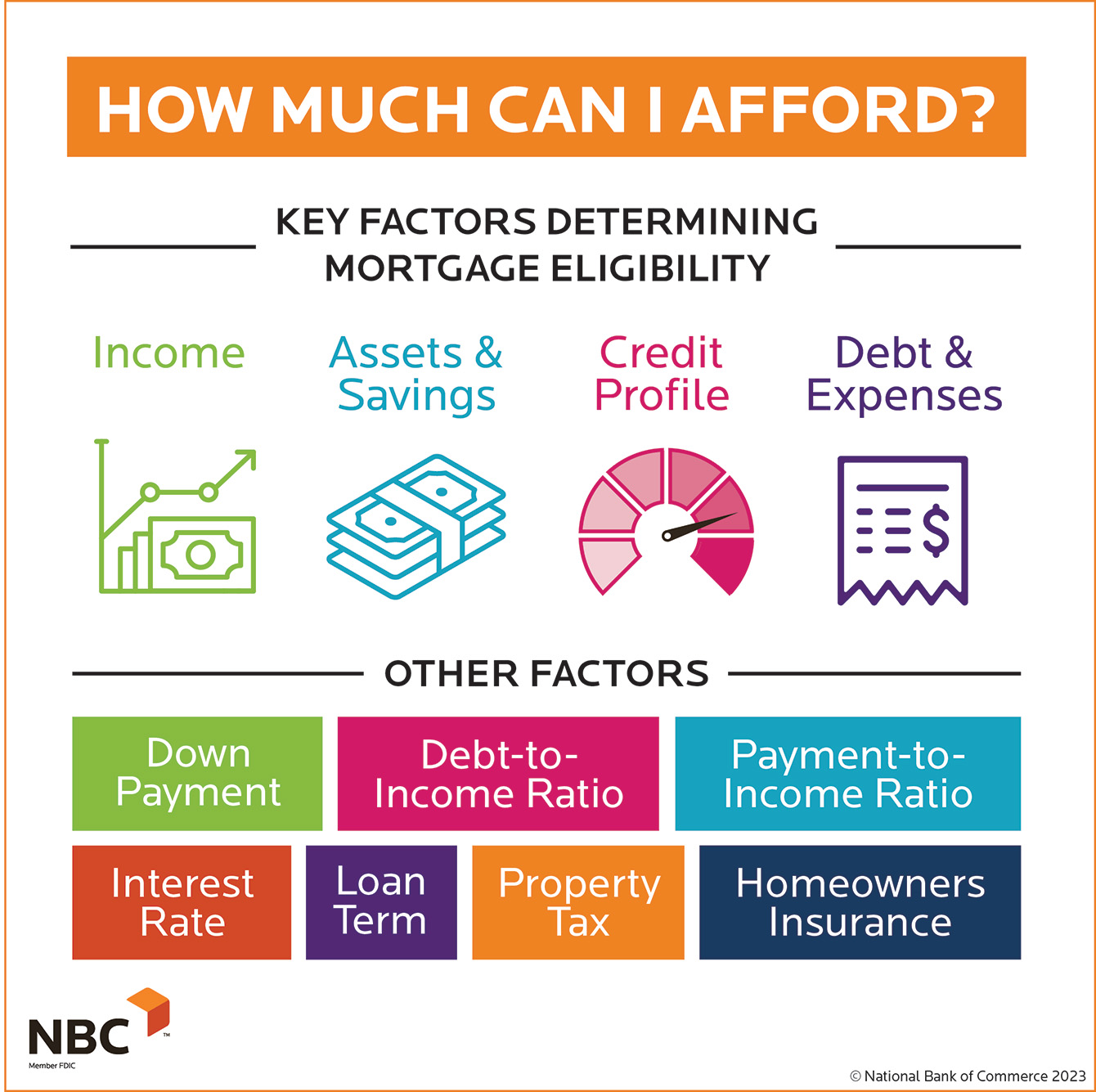
Determining your mortgage qualification is a multifaceted process, heavily reliant on a comprehensive assessment of your financial health. Lenders evaluate several key components to gauge your ability to repay a loan, ensuring both their investment is secure and that you aren’t overextending yourself. This article will delve into the primary factors that influence how much you can borrow, offering insights and practical advice to help you navigate the complexities of mortgage qualification.
The Core Pillars of Mortgage Qualification
Lenders primarily focus on a few critical aspects of your financial profile to determine your eligibility and the maximum loan amount. These elements serve as the bedrock of their risk assessment.
Income Stability and Debt-to-Income Ratio (DTI)
Your income is, understandably, the most significant factor in qualifying for a mortgage. Lenders want to see a stable, reliable source of income that can comfortably cover your monthly mortgage payments in addition to your existing financial obligations.
- Verifiable Income: Lenders typically look for a consistent income stream, often requiring two years of employment history in the same field or with the same employer. They’ll scrutinize pay stubs, W-2 forms, and tax returns (especially for self-employed individuals) to confirm your earnings. Various income types are considered, including salaries, hourly wages, bonuses, commissions, and self-employment income. However, inconsistent or highly variable income streams might be viewed with more scrutiny or require additional documentation.
- Debt-to-Income Ratio (DTI): Beyond your gross income, lenders are acutely interested in your DTI. This ratio compares your total monthly debt payments to your gross monthly income. There are two main types:
- Front-End DTI (Housing Ratio): This calculates the percentage of your gross monthly income that would go towards your new housing expenses (principal, interest, property taxes, homeowner’s insurance, and homeowners’ association (HOA) fees, if applicable). Lenders typically prefer this ratio to be no more than 28-31%.
- Back-End DTI (Total Debt Ratio): This is a more comprehensive measure, including your new housing expenses plus all other recurring monthly debt payments (credit card minimums, car loans, student loan payments, personal loans, etc.) as a percentage of your gross monthly income. Most lenders prefer a back-end DTI of 36% or lower for conventional loans, though some programs (like FHA) can go up to 43-50% in certain circumstances. A lower DTI indicates less financial strain and a greater ability to manage additional debt.
Credit Score and History
Your credit score is a numerical representation of your creditworthiness, reflecting your past financial behavior. It’s a critical tool lenders use to assess the likelihood that you will repay your loan on time.
- The Importance of Credit Scores: A higher credit score (e.g., FICO Score) signals to lenders that you are a responsible borrower with a history of managing debt effectively. It translates to lower perceived risk for the lender, which can result in more favorable interest rates and better loan terms. Conversely, a low credit score may limit your loan options, increase your interest rate, or even lead to a denial.
- Minimum Score Requirements: Minimum credit score requirements vary by loan program. For instance:
- Conventional Loans: Typically require a minimum FICO score of 620, with scores above 740 often securing the best rates.
- FHA Loans: Can go as low as 500 with a 10% down payment, or 580 with a 3.5% down payment.
- VA Loans: Often have no minimum credit score requirement set by the VA itself, but individual lenders usually impose their own minimums, often around 620.
- Credit History Evaluation: Lenders look beyond just the score. They examine your entire credit report for patterns of timely payments, the length of your credit history, the types of credit you’ve used, the amount of credit you’re using versus your available credit (credit utilization), and any derogatory marks like bankruptcies, foreclosures, or late payments. A history of late payments, defaults, or excessive credit inquiries can significantly impact your qualification.
Down Payment and Reserves
The amount of money you put down upfront and the cash you have left over after closing are vital indicators of your financial stability and commitment.
- Down Payment Significance: Your down payment is the percentage of the home’s purchase price you pay out of pocket. It directly impacts your loan-to-value (LTV) ratio. A larger down payment reduces the amount you need to borrow, thus lowering your monthly payments and interest costs over the life of the loan. It also signals less risk to the lender.
- Loan-to-Value (LTV): A lower LTV (higher down payment) is generally preferred. For conventional loans, a down payment of less than 20% typically requires private mortgage insurance (PMI), an added monthly cost.
- Varying Requirements: Down payment requirements differ significantly by loan type: conventional loans can range from 3% to 20% or more, FHA loans require a minimum of 3.5%, VA and USDA loans often require 0% down.
- Cash Reserves: Lenders also want to see that you have “reserves” – liquid assets remaining in your bank account after closing on the mortgage. These reserves demonstrate your ability to cover mortgage payments and other living expenses in case of unexpected financial setbacks (e.g., job loss, emergency repairs). The number of months of reserves required can vary, often from two to six months of mortgage payments, especially for higher loan amounts or investment properties.
Beyond the Basics: Other Influencing Factors
While income, credit, and down payment are primary, several other factors can subtly or significantly impact your mortgage qualification.
Employment History
Beyond simply verifying income, lenders assess the stability and predictability of your employment.
- Consistency and Industry Stability: A consistent work history, ideally within the same industry or with minimal gaps, is highly valued. Frequent job changes or gaps in employment might raise questions about your income stability, potentially requiring additional explanation or documentation.
- Self-Employment Nuances: If you’re self-employed, qualifying for a mortgage can be more complex. Lenders typically require at least two years of consistent self-employment income, evidenced by tax returns, profit and loss statements, and business licenses. They often “average” your income over this period, and significant write-offs could reduce your qualifying income.
Assets and Liabilities
Lenders take a holistic view of your financial picture, considering all your assets and outstanding debts.
- Assets: Beyond your down payment and reserves, lenders may consider other assets like retirement accounts (401k, IRA), investment portfolios, and other real estate holdings. While these might not be directly used for the down payment, they contribute to your overall financial strength.
- Liabilities: All your existing debts are scrutinized as part of your DTI calculation. This includes car loans, student loans, credit card balances, personal loans, and any other installment or revolving debt. Reducing these outstanding balances before applying can significantly improve your DTI and, consequently, your qualification amount.
Loan Program Type

The type of mortgage loan you apply for can drastically alter qualification criteria and the amount you can borrow.
- Conventional Loans: Backed by private lenders, often with stricter credit and DTI requirements but offering more flexibility.
- FHA Loans: Insured by the Federal Housing Administration, designed to make homeownership more accessible with lower down payment and credit score requirements. However, they typically require mortgage insurance premiums (MIP) for the life of the loan.
- VA Loans: Guaranteed by the Department of Veterans Affairs, offering exceptional benefits to eligible service members, veterans, and surviving spouses, including no down payment and no private mortgage insurance.
- USDA Loans: Backed by the U.S. Department of Agriculture, for eligible low- to moderate-income borrowers in designated rural areas, offering 0% down payment options.
- First-Time Homebuyer Programs: Many states and local governments offer programs with down payment assistance, grants, or lower interest rates, often with specific income or purchase price limitations. Choosing the right program based on your circumstances is crucial.
Property Type and Location
The specific property you intend to purchase can also influence the loan amount and approval.
- Appraisal: Every mortgage requires an appraisal to ensure the home’s value justifies the loan amount. If the appraisal comes in lower than the purchase price, it can impact your loan terms.
- Property Condition: Lenders require the property to meet certain standards (especially for FHA or VA loans) to ensure it’s safe, sound, and secure.
- Loan Limits: Government-backed loans (FHA, VA) and conforming conventional loans have specific loan limits that vary by county. If a home’s price exceeds these limits, you might need a “jumbo” loan, which typically has stricter qualification criteria.
Practical Steps to Determine Your Qualification
Don’t wait until you find your dream home to figure out your borrowing power. Taking proactive steps can provide clarity and strengthen your position.
Gathering Your Financial Documents
Preparation is key. Start collecting essential financial documents well in advance. This typically includes:
- Two most recent pay stubs
- W-2 forms from the past two years
- Federal tax returns from the past two years
- Bank statements from the past two to three months (for checking and savings accounts)
- Statements for any investment accounts
- Statements for existing debts (car loans, student loans, credit cards)
- Divorce decrees or child support orders, if applicable
Having these readily available will streamline the application process and allow lenders to accurately assess your profile.
Using Online Mortgage Calculators
Online mortgage calculators can be a great starting point for estimating how much you might qualify for. These tools typically ask for your income, debts, down payment, and credit score range, providing a rough estimate of your potential loan amount and monthly payments.
- Utility and Limitations: While helpful for initial budgeting and understanding the interplay of different factors, remember that these calculators provide estimates based on general assumptions. They don’t take into account all the nuances of your financial situation or specific lender criteria. Use them as a guide, not a definitive answer.
Getting Pre-Approved vs. Pre-Qualified
Understanding the difference between pre-qualification and pre-approval is crucial.
- Pre-Qualification: This is a preliminary assessment based on self-reported financial information. It’s a quick estimate of what you might be able to borrow but doesn’t involve a deep dive into your finances or a hard credit check. It’s more of an educational tool for you.
- Pre-Approval: This is a much more robust and highly recommended step. During pre-approval, a lender will formally review your financial documents, pull your credit report (a hard inquiry), and provide a conditional commitment for a specific loan amount. A pre-approval letter demonstrates to sellers that you are a serious and financially capable buyer, giving you a significant advantage in a competitive market. It also gives you a clear budget to work with.
Strategies to Maximize Your Mortgage Qualification
If your initial assessment reveals you’d like to qualify for more, or simply want to improve your chances, there are actionable steps you can take.
Improving Your Financial Profile
- Boost Your Income: While not always easy, increasing your income (e.g., through a raise, promotion, or a legitimate side hustle) will directly improve your DTI and overall borrowing capacity.
- Reduce Your Debt: Prioritize paying down high-interest debts like credit cards and personal loans. Even reducing minimum payments on revolving credit can improve your DTI.
- Save More for a Down Payment and Reserves: A larger down payment reduces your loan amount and potentially eliminates PMI. Building up your cash reserves showcases financial stability.
- Improve Your Credit Score: Pay all bills on time, keep credit utilization low (ideally below 30%), avoid opening new credit accounts unnecessarily, and dispute any errors on your credit report.
- Maintain Stable Employment: Avoid making significant career changes in the months leading up to a mortgage application.

Working with a Knowledgeable Lender or Broker
- Shop Around: Don’t settle for the first lender you speak with. Different lenders offer varying rates, fees, and loan programs. Obtain quotes from multiple sources (banks, credit unions, mortgage brokers) within a short timeframe (usually 14-45 days to minimize the impact on your credit score).
- Mortgage Brokers: A mortgage broker can be a valuable resource, working with multiple lenders to find the best loan program and terms for your specific situation. They can often navigate complex financial scenarios.
- Understand the Fine Print: Always read and understand the loan estimates and disclosures provided by lenders. Ask questions about interest rates, fees, closing costs, and any pre-payment penalties.
Understanding how much you qualify for a mortgage is a journey that begins with self-assessment and culminates in a clear financial roadmap for your homeownership goals. By proactively managing your income, credit, debts, and savings, and by engaging wisely with financial institutions, you can confidently navigate the mortgage landscape and move closer to unlocking the door to your new home.
aViewFromTheCave is a participant in the Amazon Services LLC Associates Program, an affiliate advertising program designed to provide a means for sites to earn advertising fees by advertising and linking to Amazon.com. Amazon, the Amazon logo, AmazonSupply, and the AmazonSupply logo are trademarks of Amazon.com, Inc. or its affiliates. As an Amazon Associate we earn affiliate commissions from qualifying purchases.