
Understanding the complexities of your tax return can often feel like navigating a labyrinth, especially when the primary question on many people’s minds is, “how much money will I get back?” The term “tax return” itself is frequently misunderstood, often used interchangeably with “tax refund.” In essence, a tax return is the set of forms you file with the tax authorities to report your income, deductions, and credits. A tax refund, on the other hand, is the money you receive back from the government if you’ve paid more in taxes throughout the year than you actually owe. Conversely, if you’ve paid less, you’ll owe the government additional taxes. Delving into the mechanics of how this figure is determined is crucial for effective personal financial planning.
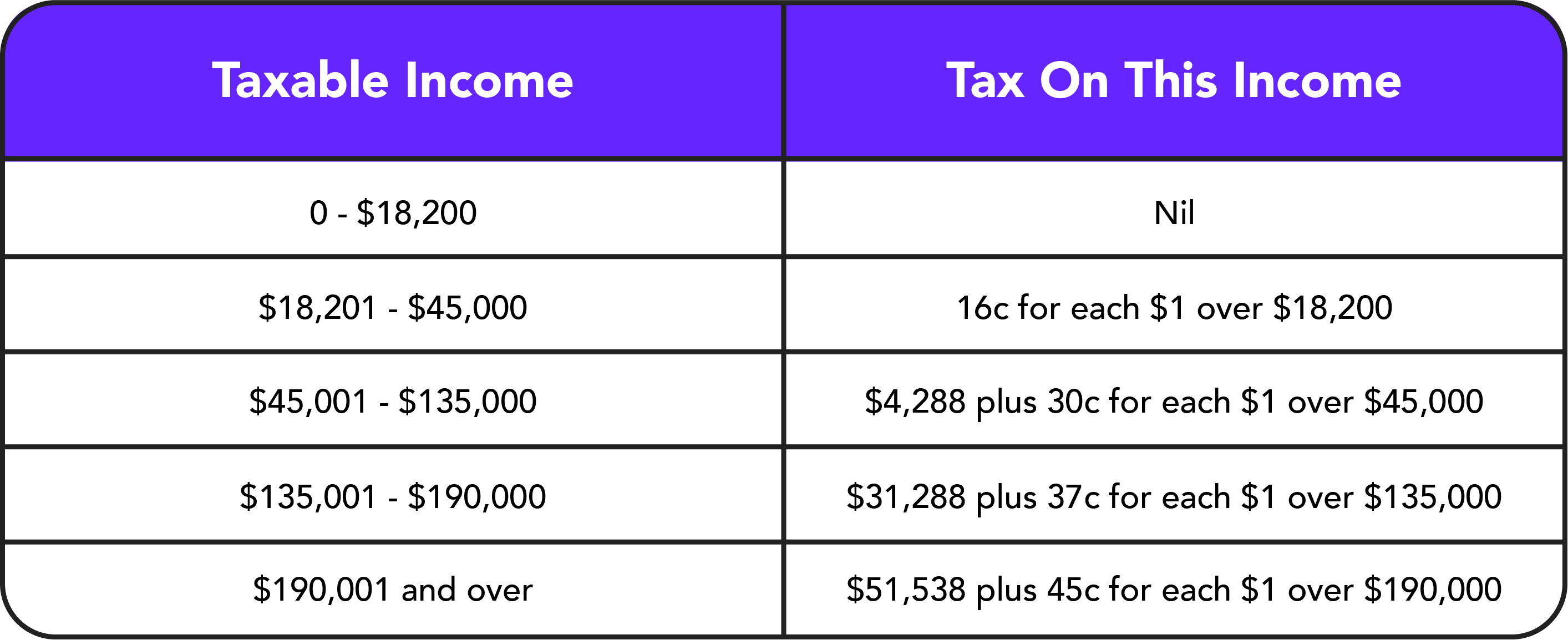
Dissecting Your Tax Obligation: The Path to a Refund or Balance Due
At its core, your tax obligation is determined by a careful calculation that weighs your income against allowable deductions and credits. The journey begins with your total income, encompassing wages, salaries, investment gains, business profits, and other earnings. From this gross income, various adjustments are made to arrive at your Adjusted Gross Income (AGI). This figure is critical as many deductions and credits are either limited or phased out based on your AGI.
After determining your AGI, you then reduce it further by either taking the standard deduction or itemizing your deductions. The standard deduction is a fixed dollar amount that varies based on your filing status (e.g., single, married filing jointly, head of household). Itemizing deductions involves listing out specific eligible expenses, such as mortgage interest, state and local taxes, medical expenses exceeding a certain threshold, and charitable contributions. You choose whichever method results in a lower taxable income.
Once your taxable income is established, the appropriate tax rates are applied to calculate your total tax liability for the year. This is the amount you should have paid. The final step in determining your refund or balance due involves comparing this tax liability to the total amount of taxes you’ve already paid throughout the year, primarily through payroll withholding (from your employer) or estimated tax payments (if you’re self-employed or have other significant income not subject to withholding). If your payments exceed your liability, you’re due a refund. If your payments fall short, you owe additional taxes.
Key Factors That Significantly Influence Your Refund Amount
Several critical components directly impact the size of your potential tax refund. Understanding these elements allows for more informed financial decisions and proactive tax planning.
Withholding and Estimated Tax Payments
The most direct determinant of your refund is how much tax you’ve had withheld from your paychecks or paid via estimated taxes throughout the year. When you start a new job, you complete Form W-4, specifying how much tax your employer should withhold. Electing to have more tax withheld than necessary will likely result in a larger refund. Conversely, withholding too little could mean you owe money at tax time. For self-employed individuals, freelancers, or those with substantial investment income, making quarterly estimated tax payments is essential to cover their tax liability and avoid penalties. Adjusting your W-4 or estimated payments is a powerful lever for controlling your refund size.
Income Levels and Filing Status
Your total taxable income directly correlates with your tax liability. Higher income generally leads to higher taxes owed. However, the progressive nature of tax brackets means different portions of your income are taxed at different rates. Your filing status—single, married filing jointly, married filing separately, head of household, or qualifying widow(er)—also significantly impacts your standard deduction amount, tax bracket thresholds, and eligibility for certain credits. A change in marital status or the addition of dependents can therefore dramatically alter your tax position.
The Power of Deductions Versus Credits
While both deductions and credits reduce your tax burden, they do so in fundamentally different ways, with credits typically offering a more significant dollar-for-dollar benefit.
Deductions: Reducing Taxable Income
Deductions reduce the amount of your income subject to tax. For instance, if you’re in the 22% tax bracket and claim a $1,000 deduction, your tax bill decreases by $220 ($1,000 * 0.22). Common deductions include:
- Standard Deduction: A fixed amount based on your filing status, designed to simplify tax filing for many taxpayers.
- Itemized Deductions: If your eligible expenses exceed the standard deduction, you can itemize. This includes mortgage interest, state and local taxes (SALT) up to a cap, medical expenses above a certain AGI threshold, and charitable contributions.
- Above-the-Line Deductions: These are deductions taken before calculating your AGI, such as contributions to traditional IRAs, health savings accounts (HSAs), and student loan interest. They are particularly valuable as they reduce your AGI, which can in turn qualify you for other AGI-dependent credits or deductions.
Credits: Direct Tax Reductions

Credits directly reduce the amount of tax you owe, dollar for dollar. A $1,000 tax credit means your tax bill is reduced by $1,000, regardless of your tax bracket. Credits come in two main types:
- Non-refundable Credits: These can reduce your tax liability to zero, but you won’t get any money back beyond that. Examples include the Child and Dependent Care Credit or the Lifetime Learning Credit.
- Refundable Credits: These can not only reduce your tax liability to zero but can also result in a refund if the credit amount exceeds your tax liability. The Earned Income Tax Credit (EITC) and the refundable portion of the Child Tax Credit are prime examples. These credits are particularly impactful for low-to-moderate-income individuals and families.
Maximizing Your Tax Return: Leveraging Deductions and Credits
Strategic financial planning throughout the year can significantly influence your tax position, potentially leading to a larger refund or a reduced amount owed.
Optimize Your Withholding Annually
Reviewing your W-4 form at key life events—such as marriage, the birth of a child, or a significant change in income—is crucial. Using the IRS Tax Withholding Estimator can help you fine-tune your withholding to get closer to your desired outcome: a small refund, a zero balance, or even a small amount due. A smaller refund means you had more access to your money throughout the year, effectively giving yourself an interest-free loan rather than giving one to the government.
Explore All Eligible Deductions
Maintaining meticulous records of eligible expenses is vital.
- Retirement Contributions: Contributions to tax-deferred retirement accounts like a traditional IRA or 401(k) are often deductible, reducing your taxable income. For instance, contributing to a Traditional IRA can lower your AGI, potentially qualifying you for other tax benefits.
- Health Savings Accounts (HSAs): If you’re enrolled in a high-deductible health plan, contributions to an HSA are tax-deductible, and withdrawals for qualified medical expenses are tax-free.
- Student Loan Interest: You can deduct a limited amount of student loan interest paid during the year, even if you don’t itemize.
- Business Expenses: If you’re self-employed, tracking and deducting legitimate business expenses can substantially lower your taxable income.
Capitalize on Available Tax Credits
Actively seek out credits for which you might qualify, as these offer the most direct tax savings.
- Earned Income Tax Credit (EITC): A refundable credit for low-to-moderate-income working individuals and families.
- Child Tax Credit (CTC): Provides a credit for qualifying children. A portion of this credit can be refundable.
- Education Credits: The American Opportunity Tax Credit and the Lifetime Learning Credit can significantly offset college expenses for you or your dependents.
- Saver’s Credit (Retirement Savings Contributions Credit): This non-refundable credit is designed to help low- and moderate-income taxpayers save for retirement.
- Energy-Efficient Home Improvement Credit: Certain qualified energy-efficient home improvements can make you eligible for a tax credit.
Effective Record-Keeping
The foundation of maximizing your tax return is impeccable record-keeping. Keep all W-2s, 1099s, receipts for deductible expenses (medical, charitable contributions, business expenses), mortgage interest statements, property tax bills, and records of retirement contributions. Digital organization can streamline this process significantly, making tax preparation smoother and ensuring you don’t miss out on any eligible deductions or credits.
Tools and Professional Guidance for Accurate Tax Preparation
Estimating and preparing your tax return accurately doesn’t have to be an overwhelming task, especially with the array of tools and professional assistance available.
Utilizing Tax Software and Online Calculators
Numerous reputable tax preparation software programs guide you step-by-step through the process, prompting you for information and automatically calculating your refund or amount due. Many also offer online calculators that provide a quick estimate of your potential refund based on basic income and deduction figures. These tools are often updated annually to reflect current tax laws and can be invaluable for many taxpayers, particularly those with straightforward financial situations.

When to Engage a Professional Tax Preparer
For individuals with more complex tax situations—such as owning a business, navigating significant investment activity, dealing with rental properties, or experiencing major life changes like divorce or inheriting assets—consulting a qualified tax professional is highly recommended. Tax preparers, enrolled agents, or Certified Public Accountants (CPAs) can offer expert advice, ensure compliance with all tax laws, identify all eligible deductions and credits, and represent you in case of an audit. While there’s a cost associated with their services, the potential savings and peace of mind can often outweigh the expense.
Understanding how much you’ll get on your tax return is fundamentally about understanding your entire financial picture relative to the tax code. By proactively managing your withholding, meticulously tracking expenses, and leveraging available deductions and credits, you can take control of your tax outcome and ensure your financial resources are optimized.
aViewFromTheCave is a participant in the Amazon Services LLC Associates Program, an affiliate advertising program designed to provide a means for sites to earn advertising fees by advertising and linking to Amazon.com. Amazon, the Amazon logo, AmazonSupply, and the AmazonSupply logo are trademarks of Amazon.com, Inc. or its affiliates. As an Amazon Associate we earn affiliate commissions from qualifying purchases.