
Securing a car loan is a significant financial step, enabling millions to purchase vehicles they need for work, family, and daily life. However, for many, the process can feel opaque, raising a fundamental question: “How much would I get approved for a car loan?” The answer isn’t a simple figure; rather, it’s a dynamic calculation based on a confluence of personal financial factors, the lender’s policies, and the overall economic landscape. Understanding these elements is crucial not only for getting approved but for securing a loan that aligns with your financial health. This article will demystify the car loan approval process, breaking down the key determinants and offering strategies to maximize your borrowing power responsibly.
Understanding the Key Factors Influencing Your Loan Approval
When you apply for a car loan, lenders evaluate your creditworthiness to assess the risk involved in lending you money. This evaluation is comprehensive, looking at several interconnected aspects of your financial life. The higher your perceived ability to repay the loan, the more favorable the terms and the larger the potential approval amount.
Your Credit Score: The Foundation of Your Loan Eligibility
Your credit score is arguably the single most influential factor in determining both your loan approval amount and the interest rate you’ll receive. Lenders use credit scores (like FICO and VantageScore) as a snapshot of your financial reliability, derived from your payment history, amounts owed, length of credit history, new credit, and credit mix.
- Excellent Credit (780-850): Borrowers in this range typically qualify for the largest loan amounts and the lowest interest rates, as they represent the lowest risk to lenders. They have a proven track record of managing debt responsibly.
- Good Credit (670-739): This is the average range for most consumers. You’ll likely qualify for competitive rates and a decent loan amount, though perhaps not the absolute best.
- Fair Credit (580-669): Approval is still possible, but you might face higher interest rates and potentially lower approved amounts. Lenders see slightly more risk here.
- Poor Credit (300-579): Getting approved can be challenging, often requiring a larger down payment, a co-signer, or settling for subprime loans with significantly higher interest rates. The approved amount will likely be lower.
A higher credit score signals to lenders that you are a responsible borrower, making them more willing to lend you a larger sum at a lower interest rate, thereby reducing your monthly payment and overall cost of borrowing.
Income and Debt-to-Income Ratio (DTI)
While your credit score tells lenders about your past payment behavior, your income and debt-to-income ratio (DTI) paint a picture of your current capacity to take on new debt.
- Income: Lenders want to ensure you have a stable and sufficient income stream to comfortably afford the monthly car loan payments in addition to your existing financial obligations. They will typically ask for proof of income, such as pay stubs, tax returns, or bank statements. A higher, stable income naturally supports a larger loan amount.
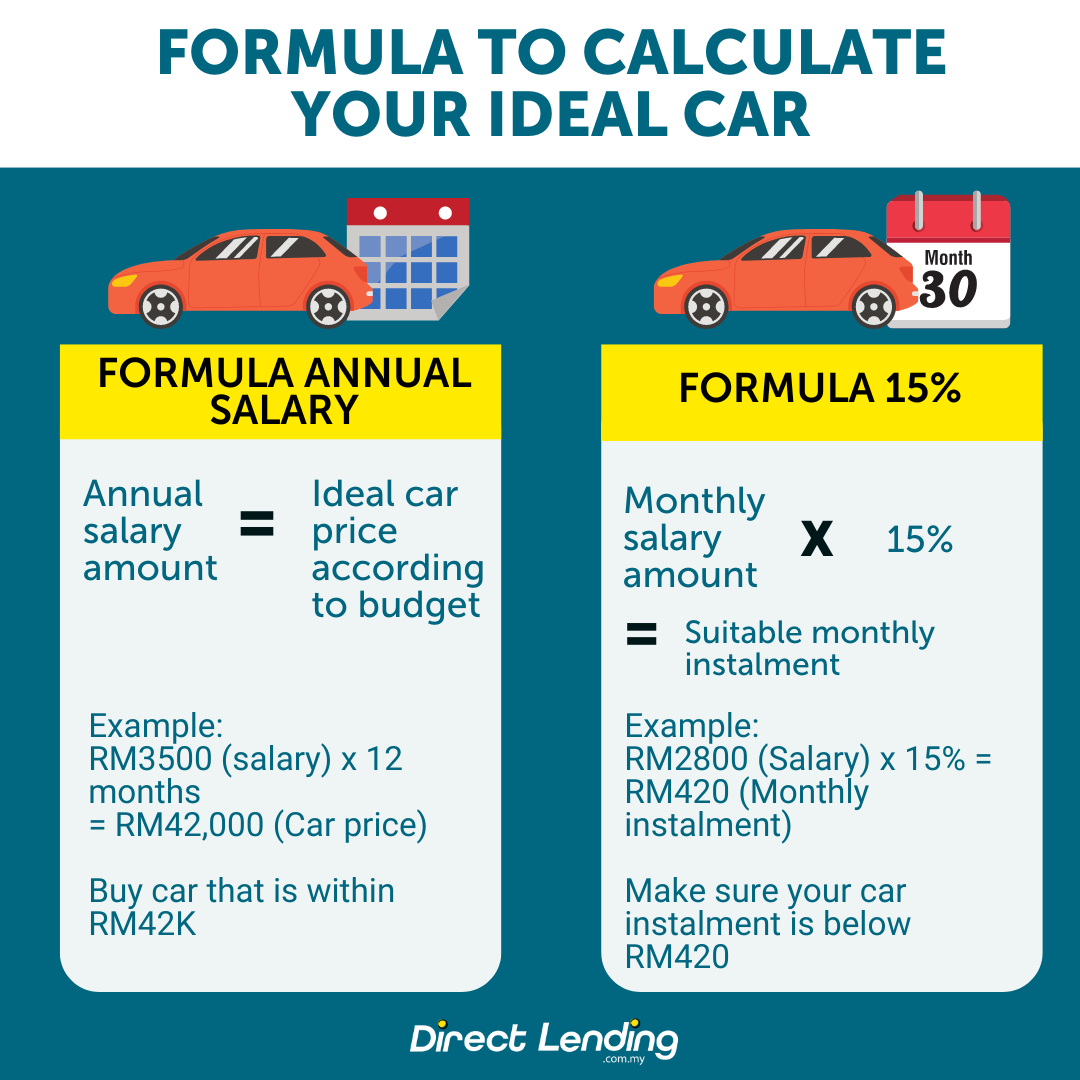
- Debt-to-Income Ratio (DTI): This crucial metric compares your total monthly debt payments (including existing loans, credit card minimums, and potential new car payments) to your gross monthly income. Most lenders prefer a DTI of 36% or less, though some might go up to 43-50% for car loans, especially if you have an excellent credit score. A lower DTI indicates that you have more disposable income available to manage a new car payment, increasing your chances of approval for a higher amount. For example, if your gross monthly income is $5,000 and your existing debt payments are $1,000, your DTI is 20%. Adding a $500 car payment would push your DTI to 30%, which is generally favorable.
Down Payment and Trade-In Value
The amount of money you put down upfront, either through a cash down payment or the value of a trade-in vehicle, directly impacts how much you need to borrow and, consequently, your approval amount.
- Down Payment: A larger down payment reduces the principal amount of the loan, making the monthly payments more manageable and decreasing the overall interest paid over the life of the loan. From a lender’s perspective, a substantial down payment also signifies your commitment to the purchase and reduces their risk, as you have more “skin in the game.” This can make lenders more willing to approve you for the remaining balance, even if other factors aren’t stellar.
- Trade-In Value: If you’re trading in your old vehicle, its assessed value effectively acts as part of your down payment. The higher its value, the less you need to finance. This can be particularly beneficial if your trade-in is worth more than what you owe on it (positive equity), as that surplus can significantly reduce your new loan amount.
Loan Term and Vehicle Choice
The length of the loan (the term) and the type of vehicle you choose also play a role in your approval and affordability.
- Loan Term: Shorter loan terms (e.g., 36 or 48 months) typically result in higher monthly payments but less interest paid overall. Longer terms (e.g., 60, 72, or even 84 months) lower your monthly payment, making a more expensive car seem affordable, but you’ll pay significantly more in interest over the life of the loan. Lenders consider the term when assessing risk; very long terms can increase the chance of the vehicle depreciating faster than you pay it off (negative equity), which can be a concern.
- Vehicle Choice: The type, age, and value of the car you wish to purchase are also factors. Lenders often have limits on how much they’re willing to finance for certain types of vehicles, especially older or high-mileage cars, which might be deemed higher risk due to potential mechanical issues or rapid depreciation. Luxury vehicles or high-performance cars, while often more expensive, might also be seen as riskier for borrowers with modest incomes or credit scores.
Navigating the Application Process: What Lenders Look For
Knowing the factors is one thing; putting it into practice is another. The application process itself offers opportunities to strategically position yourself for the best possible outcome.
Pre-Approval: A Strategic First Step
Before you even step foot in a dealership, consider getting pre-approved for a car loan. This process involves submitting a loan application to a bank, credit union, or online lender, which results in a conditional offer of a loan up to a certain amount, with an estimated interest rate.
- Benefits of Pre-Approval:
- Know Your Budget: You’ll know exactly how much you can spend, empowering you to shop for cars within your approved range.
- Stronger Negotiating Position: With pre-approval in hand, you become a cash buyer in the eyes of the dealership, giving you leverage to negotiate the car price without being swayed by dealership financing offers.
- Compare Offers: You can compare the pre-approved offer with any financing options the dealership presents, ensuring you get the best possible terms.
- Soft Credit Inquiry: Initial pre-approval checks are often “soft inquiries” that don’t negatively impact your credit score.
Gathering Your Documents
When you’re ready to apply for a loan, whether for pre-approval or directly at the dealership, having your documents organized can streamline the process and demonstrate your preparedness. Lenders typically require:
- Proof of Identity: Driver’s license, passport.
- Proof of Residence: Utility bill, lease agreement.
- Proof of Income: Pay stubs (last 2-3 months), W-2s, tax returns (if self-employed), bank statements.
- Employment History: Details of current and previous employers.
- Financial Information: Bank account details, existing loan statements.
- Trade-in Information (if applicable): Title, registration, loan payoff amount.
Having these ready can prevent delays and give a positive impression to the lender.
Comparing Lender Offers
Don’t settle for the first loan offer you receive. Different lenders have varying criteria, risk appetites, and interest rates. It’s wise to compare offers from multiple sources:

- Banks: Traditional banks offer competitive rates for well-qualified borrowers.
- Credit Unions: Often known for lower interest rates and more flexible terms, especially for members.
- Online Lenders: Many online platforms specialize in car loans and can offer quick approvals and diverse options.
- Dealership Financing: While convenient, dealership financing sometimes includes markups. However, they can also have access to special manufacturer rates that might be very competitive.
Shop around and compare the APR (Annual Percentage Rate), loan term, and any associated fees. This comparison shopping, especially within a short period (typically 14-45 days), will usually only count as a single hard inquiry on your credit report, minimizing its impact.
Maximizing Your Approval Amount and Loan Terms
If you’re looking to increase your chances of approval for a higher amount or more favorable terms, there are proactive steps you can take.
Strategies to Improve Your Credit Score
Since your credit score is paramount, investing time in improving it can yield significant benefits.
- Pay Bills on Time: Payment history is the biggest component of your credit score. Set up reminders or automatic payments.
- Reduce Credit Card Balances: Lowering your credit utilization (the percentage of your available credit you’re using) can quickly boost your score. Aim for below 30%.
- Avoid New Credit Applications: Limit applying for new credit cards or loans in the months leading up to your car loan application, as each “hard inquiry” can temporarily lower your score.
- Check Your Credit Report for Errors: Regularly review your credit reports from Equifax, Experian, and TransUnion (you can get one free report annually from each) and dispute any inaccuracies.
Reducing Your DTI Before Applying
Lowering your DTI makes you a more attractive borrower.
- Pay Down Existing Debts: Focus on paying off high-interest credit card balances or small personal loans before applying for a car loan.
- Increase Income (if possible): While not always feasible in the short term, a side hustle or temporary increase in hours can improve your income side of the DTI equation.
The Power of a Stronger Down Payment
Even if you have the funds, you might be tempted to put down less. However, a larger down payment is almost always beneficial.
- Higher Approval Chance: Reduces the lender’s risk.
- Lower Monthly Payments: Less principal to finance.
- Less Interest Paid: A smaller loan amount accrues less interest over time.
- Avoid Negative Equity: A substantial down payment helps ensure you won’t owe more than the car is worth, especially in the early years of ownership when depreciation is highest.
Considering a Co-signer
If your credit score is less than ideal or your income history is short, a co-signer with excellent credit and a stable income can significantly improve your chances of approval and potentially secure better terms.
- Co-signer Responsibilities: Be aware that a co-signer is equally responsible for the loan. If you default, they are obligated to make the payments, and their credit will be negatively impacted. Use this option judiciously and only with full transparency and agreement.
Beyond the Approval: Understanding Your Affordability
Being approved for a certain amount doesn’t automatically mean you should borrow that much. The critical distinction lies between what you can get approved for and what you can afford.
The Difference Between Approval and Affordability
Lenders approve based on their risk models and your capacity to repay their loan. Your personal affordability takes into account your entire financial picture, including savings goals, emergency funds, other discretionary spending, and unexpected expenses that the lender might not consider. It’s a holistic view of your budget.
Calculating Your Monthly Budget for Car Payments
To determine your true affordability, create a detailed budget:
- Fixed Expenses: Rent/mortgage, utilities, existing loan payments, insurance.
- Variable Expenses: Groceries, gas, entertainment, personal care.
- Savings Goals: Retirement, emergency fund, future down payments.
- New Car Loan Payment: Use an online car loan calculator to estimate payments at various interest rates and terms based on your target loan amount.
A common rule of thumb is that your total car expenses (payment, insurance, fuel, maintenance) should not exceed 10-15% of your gross monthly income. This guideline helps prevent your car from becoming a financial burden.
Hidden Costs of Car Ownership
Remember that a car loan payment is just one piece of the puzzle. Factor in other significant costs:
- Car Insurance: Mandatory and can vary widely based on your age, driving record, location, and the vehicle type.
- Fuel: A recurring expense that can fluctuate with gas prices and your driving habits.
- Maintenance and Repairs: Oil changes, tire rotations, unexpected repairs—these can add up, especially for older or luxury vehicles.
- Registration and Taxes: Annual fees and potential sales tax on the purchase.
- Parking Fees/Tolls: Depending on your location and commute.
By accounting for all these expenses, you can determine a sustainable monthly car budget that allows you to enjoy your vehicle without compromising your overall financial health.
In conclusion, understanding how much you’ll get approved for a car loan involves a deep dive into your financial profile, from your credit score and income to your existing debts and down payment. By proactively managing these factors and carefully comparing offers, you can secure a loan that not only gets you into the car you need but also supports your long-term financial well-being. Remember, an informed borrower is an empowered borrower.
aViewFromTheCave is a participant in the Amazon Services LLC Associates Program, an affiliate advertising program designed to provide a means for sites to earn advertising fees by advertising and linking to Amazon.com. Amazon, the Amazon logo, AmazonSupply, and the AmazonSupply logo are trademarks of Amazon.com, Inc. or its affiliates. As an Amazon Associate we earn affiliate commissions from qualifying purchases.