
Purchasing a vehicle is a significant financial decision, often representing one of the largest expenditures many individuals undertake after housing. For most, this means securing an auto loan, and the burning question on every prospective buyer’s mind is invariably: “How much will my auto payment be?” Understanding the factors that determine this monthly obligation is crucial for responsible budgeting, financial planning, and ultimately, ensuring you drive away with a vehicle that enhances your life without becoming a financial burden. This comprehensive guide will dissect the various components that contribute to your auto loan payment, equip you with tools to estimate it, and offer strategies to optimize your financial commitment.

Understanding the Core Components of Your Auto Loan
Before you can accurately estimate your monthly auto payment, it’s essential to grasp the fundamental elements that constitute any car loan. These interconnected variables collectively determine the principal amount you need to finance and, subsequently, the payment schedule.
The Vehicle’s Purchase Price (and its Impact)
At the heart of your auto payment calculation is the total price of the vehicle itself. This is the agreed-upon cost between you and the dealership or seller. A higher purchase price naturally translates to a larger loan amount, assuming all other factors remain constant, thereby increasing your monthly payments. It’s crucial to distinguish between the sticker price and the final negotiated price, as skillful negotiation can significantly reduce this initial figure. Remember, accessories, extended warranties, and service plans, while potentially useful, will often be rolled into this total, inflating the amount financed and your monthly payment. Always question what is being added and ensure you only pay for what you truly need or want.
Down Payment: Lowering Your Principal
A down payment is the amount of money you pay upfront for the car, reducing the total sum you need to borrow. This is arguably one of the most impactful ways to lower your monthly auto payment. The larger your down payment, the smaller your loan principal, which not only decreases your monthly obligation but also reduces the total interest you’ll pay over the life of the loan. A common recommendation is to put down at least 10-20% for a used car and 20% or more for a new car. While not always feasible for everyone, saving for a substantial down payment can offer significant long-term savings and financial flexibility.
Trade-In Value: Another Path to Reducing Your Loan Amount
If you own an existing vehicle, trading it in can act much like a down payment. The agreed-upon value of your trade-in is deducted from the new vehicle’s purchase price, effectively reducing the amount you need to finance. Researching your vehicle’s trade-in value beforehand using reputable online tools (like Kelley Blue Book or Edmunds) empowers you to negotiate more effectively and ensures you’re getting a fair deal. Combining a cash down payment with a healthy trade-in can drastically shrink your loan principal, making your new car much more affordable.
Sales Tax, Fees, and Other Add-ons
It’s easy to focus solely on the vehicle’s price, but numerous additional costs can surprisingly inflate your total loan amount. Sales tax, determined by your state and local municipality, is typically a percentage of the purchase price. Registration fees, title fees, documentation fees (doc fees), and license plate fees are also standard and can vary by location. Some dealerships may also push for optional add-ons like extended warranties, paint protection packages, or GAP insurance. While some of these might offer value, others might be overpriced or unnecessary. Each of these charges, if rolled into your loan, will increase your principal and, consequently, your monthly payment. Always request a detailed breakdown of all costs and be prepared to scrutinize or decline optional additions.
The Critical Role of Loan Terms and Interest Rates
Once you’ve established the amount you need to finance, the next set of variables that dictate your monthly payment are the loan’s terms and the interest rate applied to your borrowing. These two factors work in tandem to determine how much you’ll pay over time and how large each installment will be.
Loan Term Length: Short vs. Long
The loan term is the duration over which you agree to repay the loan, typically expressed in months (e.g., 36, 48, 60, 72, or even 84 months). A shorter loan term generally means higher monthly payments because you’re paying off the principal over fewer installments. However, a shorter term also means you pay less interest overall, as the loan is repaid quicker. Conversely, a longer loan term will result in lower monthly payments, making the car seem more affordable in the short term. The trade-off, however, is significantly more interest paid over the life of the loan, and your car may depreciate faster than you pay it off, leading to “negative equity” (owing more than the car is worth). Finding a balance between a manageable monthly payment and minimizing total interest paid is key.
Interest Rate: APR and Its Calculation
The interest rate is the cost of borrowing money, expressed as a percentage of the principal. When it comes to auto loans, this is usually referred to as the Annual Percentage Rate (APR), which includes the interest rate plus any additional fees charged by the lender. A lower APR means less money paid in interest over the loan’s lifetime and lower monthly payments. The interest is typically calculated on the remaining principal balance, meaning that in the early stages of the loan, a larger portion of your payment goes towards interest, and a smaller portion towards principal. As the loan matures, this reverses. Even a seemingly small difference in APR can translate to hundreds or thousands of dollars saved (or spent) over the life of the loan.
Credit Score: Your Gateway to Better Rates
Your credit score is arguably the most significant determinant of the interest rate you’ll be offered. Lenders use your credit score as a primary indicator of your creditworthiness and the likelihood of you repaying the loan. Individuals with excellent credit scores (generally 720+) are considered low-risk and qualify for the most competitive, lowest interest rates. Those with fair or poor credit scores (below 670) are deemed higher risk and will be offered higher interest rates to compensate the lender for that perceived risk. Improving your credit score before applying for an auto loan can lead to substantial savings. Regularly checking your credit report for errors and making timely payments on existing debts are crucial steps.
Understanding Different Loan Types (New vs. Used, Leases)
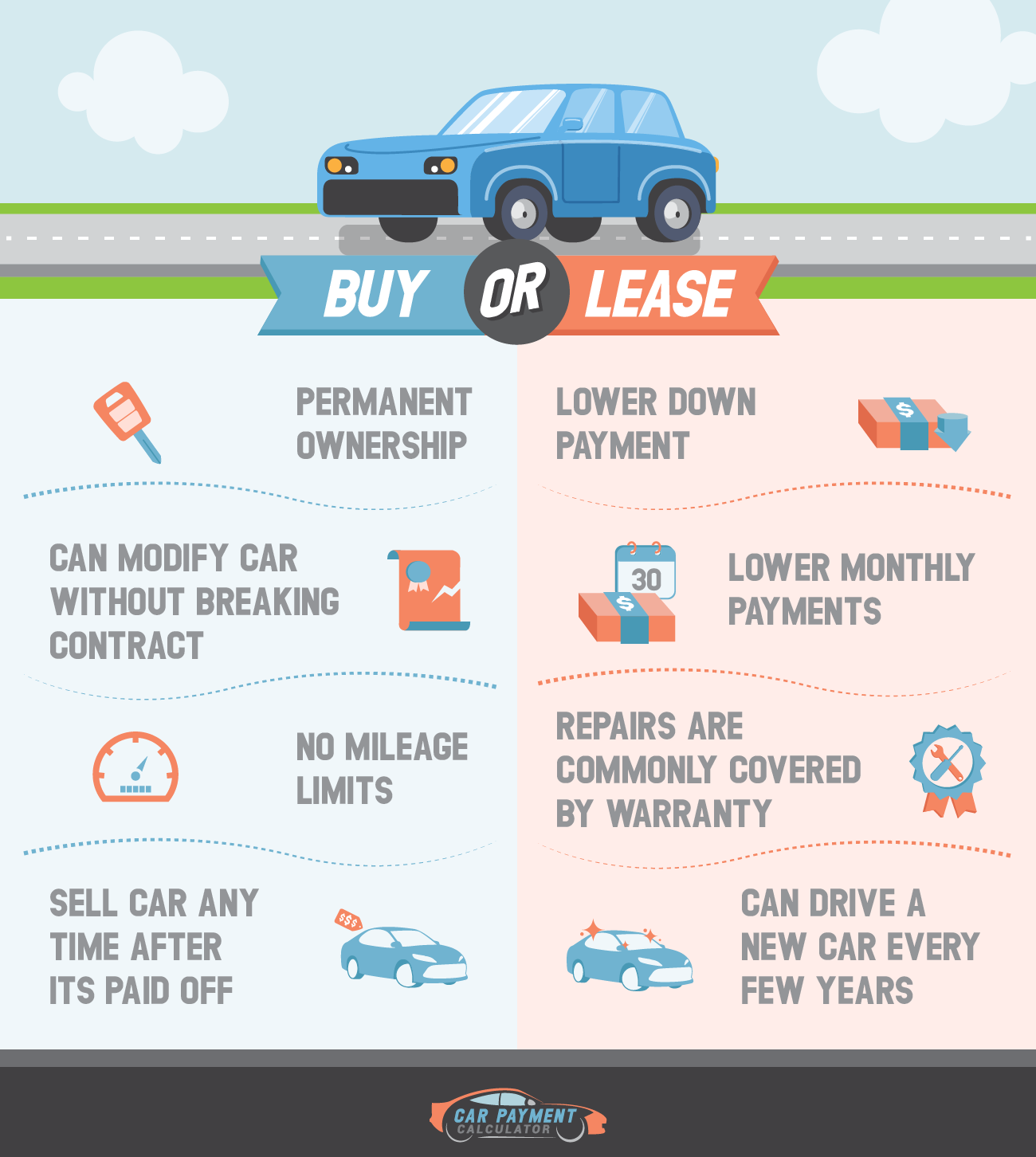
The type of vehicle purchase also impacts your loan terms. New car loans often come with lower interest rates and sometimes attractive promotional offers from manufacturers (e.g., 0% APR for qualified buyers). Used car loans typically carry slightly higher interest rates due to the perceived higher risk and depreciation. Another option is leasing, which is not a loan to own, but rather a long-term rental. Lease payments are usually lower than purchase loan payments because you are only paying for the depreciation of the vehicle over the lease term, plus interest and fees, not the full purchase price. However, at the end of a lease, you don’t own the car, and there are mileage restrictions and potential wear-and-tear charges.
Practical Tools and Strategies for Estimating Your Payment
With an understanding of the influencing factors, you can now proactively estimate and manage your potential auto payment. Several tools and strategies can help you arrive at a realistic figure.
Online Auto Loan Calculators: Your First Stop
The easiest and most accessible way to estimate your auto payment is by using online auto loan calculators. These tools are widely available on bank websites, financial aggregators, and even dealership sites. You simply input the vehicle’s price, your down payment, estimated trade-in value, desired loan term, and an assumed interest rate (based on your credit score research). The calculator will then instantly provide an estimated monthly payment. Experimenting with different scenarios (e.g., a larger down payment, a shorter term, or a slightly different interest rate) can help you understand the impact of each variable.
Pre-Approval: Knowing Your Limits Before You Shop

Getting pre-approved for an auto loan before you even set foot in a dealership is a powerful strategy. Pre-approval means a lender has reviewed your credit, income, and financial situation and has conditionally agreed to lend you a certain amount at a specific interest rate. This offers several advantages:
- Clear Budget: You know exactly how much you can afford, preventing you from falling in love with a car outside your budget.
- Stronger Negotiation: You walk into the dealership with your own financing, effectively becoming a cash buyer. This allows you to negotiate the car price separately from the financing, often leading to a better deal.
- Interest Rate Benchmark: You have a benchmark interest rate against which to compare any financing offers from the dealership, ensuring you get the best rate available.
The 20/4/10 Rule: A Prudent Guideline
While not a strict rule, the “20/4/10” guideline offers a sensible framework for auto financing:
- 20% Down Payment: Aim for at least a 20% down payment to reduce your principal and interest.
- 4-Year Loan Term: Keep your loan term to no more than four years (48 months) to minimize total interest paid and avoid negative equity.
- 10% of Gross Income: Your total monthly car expenses (payment, insurance, fuel, maintenance) should not exceed 10% of your gross monthly income. This ensures your car ownership costs are manageable within your overall budget. Adhering to this rule can prevent you from becoming “car poor.”
Budgeting for More Than Just the Payment
Your auto payment is just one piece of the puzzle. A truly accurate estimation of your financial commitment to a vehicle requires a holistic budgeting approach. Beyond the monthly loan payment, you must account for several other non-negotiable expenses. These include insurance premiums, which can vary wildly based on your age, driving record, vehicle type, and location. Fuel costs are another significant variable expense that can add hundreds of dollars per month depending on your commute and the car’s fuel efficiency. Don’t forget maintenance, repairs, and unexpected costs like new tires or routine servicing. A comprehensive budget helps ensure the car you choose is truly affordable in the long run.
Beyond the Monthly Payment: The True Cost of Car Ownership
While the monthly payment is a primary concern, true financial responsibility involves understanding the full spectrum of costs associated with car ownership. Neglecting these can lead to financial strain even if your monthly payment seems manageable.
Insurance Premiums: A Non-Negotiable Expense
Auto insurance is a legal requirement in most places and an absolute necessity for protecting your investment and financial well-being. The cost of insurance can fluctuate dramatically based on factors like the vehicle’s make and model (luxury or sports cars are typically more expensive to insure), your age and driving history, your location, and the type of coverage you select (liability, collision, comprehensive). It’s wise to get insurance quotes for specific vehicles before you commit to a purchase, as a surprisingly high premium could make an otherwise affordable car too expensive.
Fuel Costs: A Variable but Significant Factor
Unless you’re opting for an electric vehicle with home charging, fuel will be a recurring and substantial expense. Consider the vehicle’s miles per gallon (MPG) rating and your typical weekly or monthly mileage. Even small differences in MPG can add up significantly over a year. For example, a car that gets 25 MPG will cost you more than one getting 35 MPG, especially if you drive long distances daily. Factor in fluctuating gas prices and your commute when assessing affordability.
Maintenance and Repairs: Planning for the Unexpected
All vehicles require routine maintenance (oil changes, tire rotations, brake inspections) to run smoothly and extend their lifespan. Beyond routine care, unexpected repairs can arise, especially with older or higher-mileage vehicles. While a new car might come with a warranty, maintenance costs are still a reality. Budgeting a monthly amount for maintenance and a separate emergency fund for larger, unforeseen repairs is a prudent financial practice. Some manufacturers have higher parts and labor costs than others, which is another factor to consider.
Depreciation: The Hidden Cost
Depreciation is the reduction in value of your car over time. It’s often the single largest cost of owning a new car, yet it’s not a direct monthly payment. Most new cars lose a significant portion of their value (around 20-30%) in the first year alone and continue to depreciate over time. While you don’t write a check for depreciation, it impacts your financial position, especially if you need to sell the car before the loan is paid off. Understanding depreciation helps in making smarter purchasing decisions and can highlight the benefits of buying a slightly used car that has already taken its initial depreciation hit.
Strategies to Optimize and Reduce Your Auto Payment
Even with all the calculations, there are proactive steps you can take to make your auto payment more manageable and reduce the overall cost of ownership.
Improving Your Credit Score
As discussed, your credit score is paramount. Before you even start car shopping, take steps to improve your credit: pay bills on time, reduce outstanding debt, and check your credit report for errors. A higher credit score can qualify you for significantly lower interest rates, directly translating to lower monthly payments and less interest paid over the life of the loan.
Increasing Your Down Payment
This is one of the most straightforward ways to reduce your loan principal and, therefore, your monthly payment. Every dollar you put down is a dollar you don’t have to borrow and don’t pay interest on. If possible, save aggressively for a larger down payment.
Shopping Around for Rates
Don’t settle for the first loan offer you receive, even if it’s from your primary bank or the dealership. Obtain pre-approvals from multiple lenders (banks, credit unions, online lenders) within a short window (typically 14-45 days, depending on the credit scoring model) to minimize the impact on your credit score. This allows you to compare offers and leverage the best rate, potentially saving you thousands. Credit unions often offer highly competitive auto loan rates.
Negotiating the Vehicle Price
The lower the purchase price of the car, the lower the amount you need to finance. Be prepared to negotiate the “out-the-door” price, including any add-ons, taxes, and fees. Research the car’s market value, compare prices from different dealerships, and be willing to walk away if you don’t get a fair deal. Remember, the dealership makes money on both the car sale and the financing, so separate these negotiations.
Refinancing Your Auto Loan
If you’ve already purchased a car and your credit score has improved, or if interest rates have dropped since you took out your original loan, refinancing might be an option. Refinancing replaces your existing loan with a new one, potentially at a lower interest rate or with a different term, which could reduce your monthly payment or the total interest paid over time. Evaluate the costs associated with refinancing to ensure it’s truly beneficial.
In conclusion, determining “how much will my auto payment be” involves a comprehensive understanding of various financial factors. By diligently researching, utilizing available tools, and implementing strategic financial planning, you can make an informed decision that aligns with your budget and secures your financial well-being, allowing you to enjoy your new vehicle worry-free.
aViewFromTheCave is a participant in the Amazon Services LLC Associates Program, an affiliate advertising program designed to provide a means for sites to earn advertising fees by advertising and linking to Amazon.com. Amazon, the Amazon logo, AmazonSupply, and the AmazonSupply logo are trademarks of Amazon.com, Inc. or its affiliates. As an Amazon Associate we earn affiliate commissions from qualifying purchases.